
To ensure your child is secure during car journeys, the essential safety features to check before buying a booster car seat for kids include reliable belt-routing guides, robust side-impact protection with energy-absorbing foam, adjustable head restraints, and verified safety certifications. A booster seat serves a very specific purpose: it bridges the gap between a child’s physical size and the adult seat belts built into passenger vehicles. Selecting the right model requires looking beyond aesthetics to focus on how the seat manages collision forces and positions the vehicle’s safety belt across your child’s strongest anatomical points.
Why Proper Belt Positioning Is the Primary Safety Goal
Unlike infant car seats or convertible seats that use an integrated five-point harness to secure a child, a booster car seat for kids does not restrain the child directly. Instead, its primary engineering purpose is to elevate the child so that the vehicle’s standard three-point adult seat belt fits correctly across their smaller frame. Adult seat belts are designed for individuals who are at least 145 centimeters tall. When a child who has outgrown their harnessed seat sits directly on a vehicle seat, the lap belt typically rides up over their soft abdomen, and the shoulder belt rests dangerously close to their neck or face.
During a sudden deceleration or collision, an improperly positioned seat belt can cause severe internal trauma, a clinical phenomenon often referred to as “seat belt syndrome.” This condition involves severe injuries to the soft abdominal organs, such as the intestines, spleen, or liver, as well as potential spinal cord damage caused by the upper body flexing violently over a lap belt that sits too high. A properly designed booster seat ensures that the lap belt rests low across the strong bone structures of the pelvis and upper thighs, while the shoulder belt crosses the center of the chest and the collarbone. Every safety feature you evaluate on a booster seat must ultimately serve this goal of maintaining an optimal, secure belt fit throughout every journey, regardless of the child’s movement or the vehicle’s motion.
Products mentioned in this guide
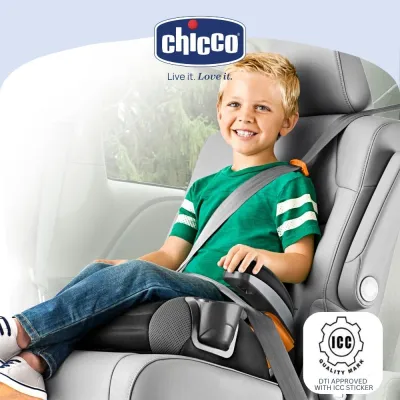
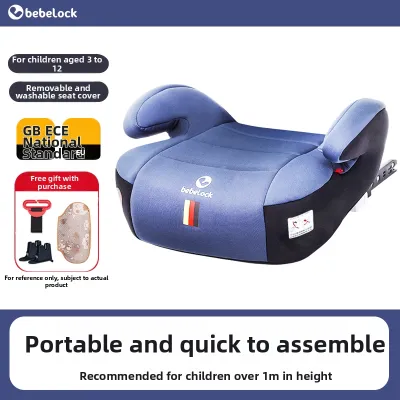
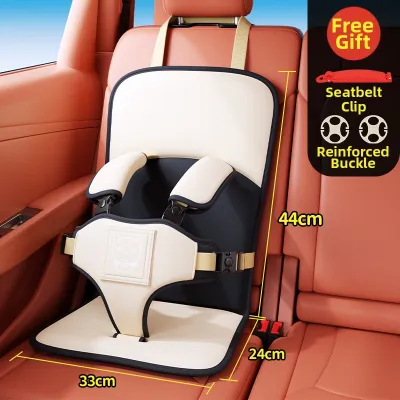
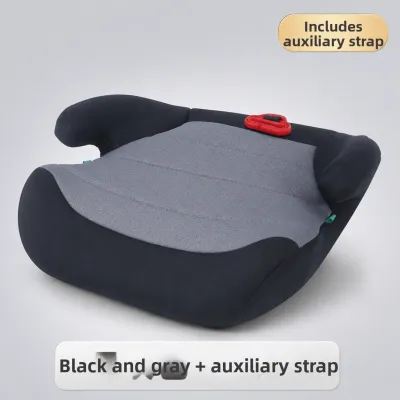
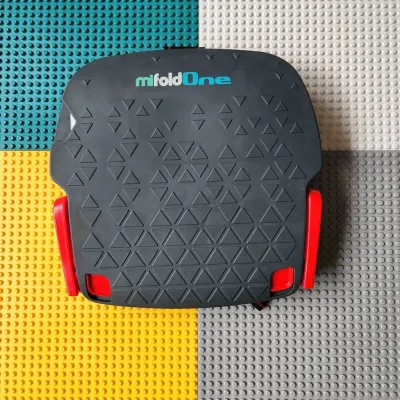
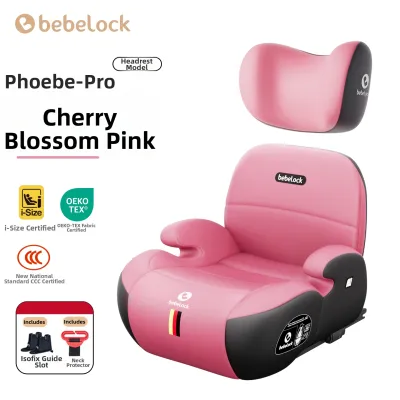
Prices are valid at publication and may change. Please refer to the product page for the latest price.
Essential Design Features That Maximize Crash Protection
Physical design elements play a vital role in mitigating injury risks during various types of collisions. When shopping for a booster car seat for kids, look closely at the structural components that manage belt placement and cushion external impacts.

Ensuring Correct Seat Belt Routing
The routing mechanisms on a booster seat are the physical guides that keep the vehicle’s seat belt locked in the safe zone.
- Shoulder Belt Guides: High-back booster seats feature integrated shoulder belt guides, usually located on the underside of the headrest. These guides must be open enough to allow the seat belt to slide freely as the child moves, yet secure enough to prevent the belt from slipping out. Verify that the guide holds the shoulder belt flat across the collarbone, keeping it away from the child's neck and preventing it from sliding off the shoulder.
- Lap Belt Positioning Guides: The lower portion of the booster seat—often designed as reinforced armrests or dedicated plastic loops—must guide the lap belt. This structure must physically prevent the lap belt from riding upward into the soft abdominal cavity. Look for a design that naturally channels the belt low over the upper thighs and pelvis.
- Adjustability for Growth: Children grow rapidly, and a belt routing system that fits perfectly today may become misaligned within a few months. Check that the shoulder belt guides adjust vertically in tandem with the headrest. This adjustability ensures the seat continues to route the belt safely throughout the entire span of the child's physical development, eliminating the need to purchase a replacement seat prematurely.
Side-Impact Protection and Head Restraints
While frontal collisions are highly common, lateral impacts present a severe risk of head, neck, and torso injuries due to the minimal crumple zones on the sides of passenger vehicles.
- Deep Side Wings: High-back booster seats should feature deep, structured side wings lined with energy-absorbing materials. These wings act as a protective barrier, containing the child's torso and head during a side crash and limiting lateral movement that could lead to contact with the vehicle door or window.
- Adjustable Headrests: The headrest must support the child's head and keep the neck aligned. Look for multi-height adjustable headrests that allow you to position the side support panels directly adjacent to the child's head. Ensure the top of the child's ears remains well within the protective boundaries of the headrest wings at all times.
- Energy-Absorbing Materials: High-quality booster seats utilize specialized materials such as Expanded Polystyrene (EPS) or Expanded Polypropylene (EPP) foam. These materials compress under impact, absorbing and dissipating a significant portion of the crash energy before it reaches the child. When comparing models, verify these material claims by checking the manufacturer's official technical specifications rather than relying solely on promotional labels.
How to Verify Safety Certifications and Local Compliance
In the Philippines, navigating the market for baby gear requires a vigilant eye to ensure that the booster car seat for kids you purchase meets strict safety standards. You must verify these credentials directly rather than accepting retail advertisements at face value.
- Reading the Certification Label: Look for a permanently attached, tamper-resistant certification label on the body of the booster seat. For products sold in or imported to the Philippines, look for the Import Commodity Clearance (ICC) sticker or the Philippine Standard (PS) mark. Additionally, check for international certification markings such as the European standard (ECE R44/04 or UN R129/i-Size) or the United States Federal Motor Vehicle Safety Standard (FMVSS 213). Avoid seats that feature flimsy, paper-based stickers that peel off easily or lack clear, traceable standard codes, as these are common indicators of substandard or counterfeit products.
- Checking Local Regulations: Ensure the seat complies with the Child Safety in Motor Vehicles Act (Republic Act No. 11229) enforced by the Land Transportation Office (LTO) and other transport authorities in the Philippines. This law mandates the use of compliant child restraint systems appropriate for the child's age, height, and weight.
- Avoiding Counterfeits: The rise of online marketplaces and unauthorized sellers has increased the availability of unbranded, cheap booster seats that lack internal metal frames or energy-absorbing foam. To ensure your child's safety, purchase exclusively from authorized brand stores, official brand websites, or reputable physical baby gear retailers. If a price seems too low to be realistic, it is highly likely the seat has not undergone rigorous crash testing.
- Recall Verification: Before finalizing any purchase, visit the manufacturer's official website or international consumer safety databases to check for active safety recalls. Enter the exact model number and manufacturing date found on the seat's registration card to verify that the specific batch has a clean safety record.
Matching the Seat to Your Child’s Physical Readiness
A booster car seat for kids is only safe if it matches your child’s physical development and behavioral maturity. Transitioning a child too early or keeping them in a booster too long can compromise their safety in a crash.
- Readiness Criteria: Do not rely on age alone as a metric for transitioning your child. A child is ready to transition to a booster seat only after they have fully outgrown the maximum height or weight limits of their forward-facing car seat with a five-point harness. Keep your child in a harnessed seat for as long as possible, as the harness distributes crash forces much more widely than a vehicle seat belt.
- Checking Manufacturer Limits: Always consult the specific product's user manual or official safety labels to verify the exact minimum and maximum height and weight capacities. These limits vary significantly between brands and models, and ignoring them can lead to seat failure during an accident.
- High-Back vs. Backless Transition: High-back boosters are highly recommended for younger or smaller children who are transitioning from a harness. They provide vital head, neck, and side-impact protection, and help position the shoulder belt correctly even if the vehicle's seat back is low. Backless boosters are generally suitable only for older, taller children who have outgrown the high-back portion, provided the vehicle's seat back is tall enough to support their head up to the top of their ears to prevent whiplash.
- Stop-Use Conditions: You must retire the booster seat and transition your child to using the vehicle's seat belt alone once they meet the "five-step test" or exceed the manufacturer's maximum limits. Stop using the booster seat when:
- The child's shoulders exceed the highest setting of the shoulder belt guide.
- The child's ears reach above the top of the booster seat's headrest when fully extended.
- The child exceeds the manufacturer's stated maximum weight or height limit.
- The child can sit all the way back against the vehicle seat with their knees bending comfortably over the edge of the seat cushion, and the seat belt rests naturally across their collarbone and low on their hips without slouching.
Secure Installation and Daily Safety Checks
Even the most advanced booster car seat for kids will fail to protect your child if it is installed incorrectly or used improperly on daily trips.
- Securing an Empty Seat: A common hazard is leaving an empty, unsecured booster seat in the vehicle. If the seat is not anchored to the car, it becomes a dangerous projectile during a sudden stop or collision, potentially causing severe injuries to the driver or other passengers. Always buckle the vehicle seat belt over an empty booster seat when your child is not riding in it, or secure it using the integrated attachment systems if available.
- ISOFIX Compatibility: Many modern booster seats feature connectors designed to attach directly to your vehicle's ISOFIX anchor points. While the vehicle's seat belt still performs the primary job of restraining your child, ISOFIX anchors keep the booster seat stable and securely positioned, preventing it from shifting during turns or when mounting and dismounting. Check your vehicle's owner manual to confirm the location and compatibility of ISOFIX anchors before purchasing a seat with these connectors.
- Daily Pre-Trip Checklist: Establish a quick mental routine before starting your vehicle's engine:
- Check that the vehicle seat belt is completely flat and free of twists.
- Verify that the shoulder belt guide is positioned slightly above the child's shoulder, keeping the belt centered on the collarbone.
- Ensure the lap belt is positioned low across the upper thighs and pelvis, not resting on the belly.
- Confirm that your child is sitting completely upright, with their back and buttocks flush against the back of the booster seat, and is not slouching, leaning out of the side wings, or placing the shoulder belt behind their back or under their arm.
Frequently Asked Questions (FAQ)
Is a high-back booster seat safer than a backless one?
Yes, high-back booster seats generally offer a higher level of protection compared to backless models, particularly in side-impact collisions. The integrated side wings and energy-absorbing foam of a high-back booster help cushion the child’s head, neck, and torso, while keeping them properly aligned within the vehicle’s safety zone. High-back models are especially crucial for younger children who may fall asleep during travel, as the headrest prevents their upper body from slumping sideways. Backless boosters should only be considered for older, taller children who already have adequate head and neck support from the vehicle’s own headrest, and who possess the behavioral maturity to sit upright for the entire duration of the trip.
When is my child actually ready to transition to a booster seat?
Your child is ready to transition to a booster seat only when they have completely outgrown the height or weight limits of their forward-facing harnessed car seat, and they have the behavioral maturity to sit properly without slouching or playing with the seat belt. Chronological age is not a reliable safety indicator; physical size and behavioral readiness are the primary factors. Most children do not reach the physical size or maturity required for a booster seat until they are at least four to five years old. If your child still fits within the limits of their harnessed seat, keeping them in it provides superior protection.

Community discussion
Share your experience or ask a question. Comments are reviewed before publication.