
Choosing the right baby bottle material is a key decision for parents, especially when navigating the unique demands of a warm, humid tropical climate. In the Philippines, where high humidity can affect how materials dry and age, selecting between silicone, glass, and plastic requires balancing hygiene, durability, and daily convenience. Each material offers distinct physical properties that impact how easily a bottle is cleaned, how well it resists wear, and how comfortable it is for your baby to hold during feeding transitions.
While glass provides excellent scratch resistance, silicone offers a flexible, lightweight grip, and plastic remains a highly practical, shatterproof option. The ideal choice depends on your daily routine, your sterilization setup, and your baby’s developmental stage. By understanding the core characteristics of these materials, you can make an informed decision that keeps feeding times smooth, safe, and comfortable.
Understanding Boon Bottle Materials
To make an informed comparison, it is essential to understand the fundamental physical properties of silicone, glass, and plastic. These materials behave differently under heat, physical impact, and daily wear, which directly affects their suitability for various household routines.
Products mentioned in this guide
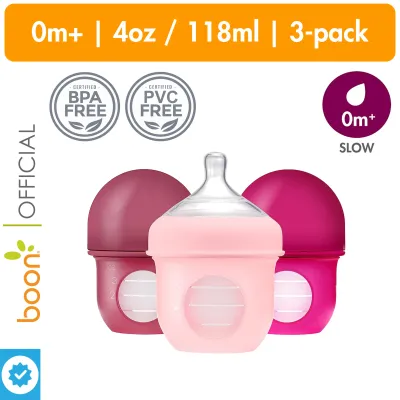
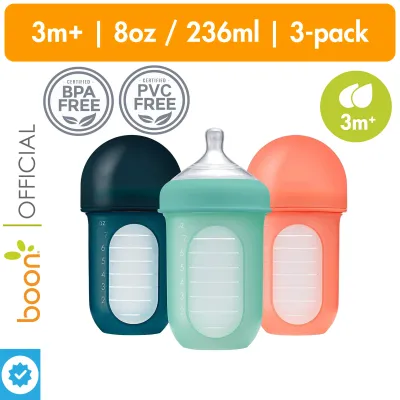
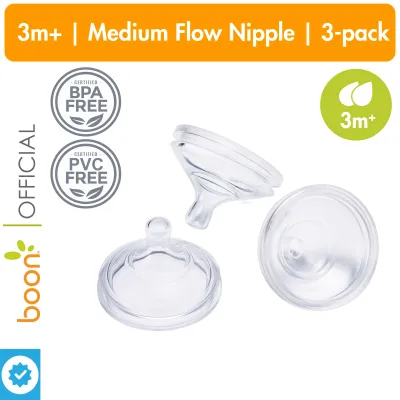
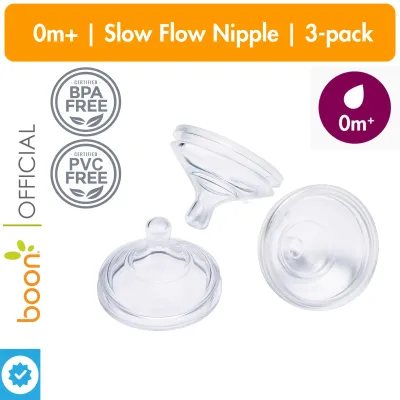
Prices are valid at publication and may change. Please refer to the product page for the latest price.
Silicone is a highly flexible, synthetic polymer that has gained immense popularity in modern baby gear. It is soft to the touch, naturally slip-resistant, and lightweight, making it exceptionally easy for small hands to grasp as babies begin to explore independent holding. Because of its pliable nature, silicone can withstand drops and rough handling without cracking, offering a durable alternative to traditional materials.
Glass is a classic, rigid material known for its smooth, non-porous surface. It is significantly heavier than both silicone and plastic, which means it generally requires adult support during feeding. However, its non-porous structure makes it highly resistant to scratching, staining, and retaining odors from milk or formula, ensuring a very clean feeding surface over years of use.
Plastic remains a staple in many households due to its lightweight and shatterproof qualities. It is highly convenient for travel, daycare, or quick feeds on the go. However, plastic is a softer material than glass, meaning it is more susceptible to surface wear, cloudiness, and micro-scratches over time, requiring parents to monitor its condition closely.
Before purchasing any specific bottle, always check the product packaging or the manufacturer’s official website to verify the exact material grades, safety certifications, and recommended age ranges. Manufacturers frequently update their designs, so verifying these details directly ensures you are using the product exactly as intended.
Key Comparison Dimensions for Daily Feeding
Evaluating how silicone, glass, and plastic perform in real-world scenarios helps narrow down the best option for your family. Daily feeding involves constant washing, sterilization, drop risks, and developmental transitions that test the limits of each material.

Safety, Hygiene, and Surface Wear
Maintaining a hygienic feeding environment is a top priority, particularly in warm climates where bacteria can multiply rapidly on compromised surfaces. The way a material resists surface wear plays a critical role in long-term hygiene.
Scratch resistance is a major differentiator. Glass maintains a perfectly smooth surface even after months of vigorous scrubbing. In contrast, plastic and silicone are softer and can develop micro-scratches over time. These tiny crevices can harbor microscopic milk residue and bacteria if not cleaned thoroughly, meaning scratched bottles must be retired and replaced promptly.
Chemical stability is another crucial factor. When choosing any baby bottle, check the current product specifications to ensure the item is labeled free from BPA, BPS, and PVC. Because safety standards and manufacturing processes can change, verifying these labels on the physical packaging is the most reliable way to confirm chemical safety.
Odor and residue retention can also affect your baby’s feeding experience. Glass is highly resistant to absorbing odors, meaning it smells fresh even after repeated use. Silicone and plastic are more porous and can sometimes retain a faint soapy scent or milk odor, requiring careful rinsing and proper ventilation during drying.
Durability and Breakage Risks
A busy household with an active baby is prone to accidental drops, spills, and bumps. Assessing how each material handles physical impact is essential for preventing injuries and ensuring product longevity.
Impact resistance is where plastic and silicone excel. If a silicone or plastic bottle slips from a high chair or a caregiver’s hands onto a hard tile floor, it will simply bounce without sustaining structural damage. This makes them highly resilient options for active households or outdoor travel.
Glass, on the other hand, carries a permanent risk of shattering upon impact. A dropped glass bottle can create immediate hazards, requiring careful cleanup to ensure no tiny shards remain on the floor. Because of this risk, glass bottles require strict, continuous adult supervision during feeding to prevent accidental drops and potential injuries.
Long-term wear and tear also differ. While glass does not degrade from heat or light, plastic can become cloudy, brittle, or discolored after repeated exposure to high-heat sterilization or UV sterilizers. Silicone is highly durable but can develop tears or structural weakness, especially around the collar or nipple area, if subjected to excessive stretching or biting.
Weight and Baby-Led Feeding
As babies grow, they transition from being entirely caregiver-fed to holding their own bottles. The weight and texture of the bottle material play a significant role in supporting this developmental milestone.
Grip strength and motor skills develop gradually. Silicone bottles, with their soft, squeezable texture and natural slip resistance, are highly compatible with a baby’s developing grip. Plastic is also lightweight enough for older babies to lift and hold independently without straining their wrists or shoulders.
In contrast, the weight of glass bottles makes them less suitable for baby-led feeding. A full glass bottle can be heavy and difficult for an infant to control safely. Consequently, glass bottles usually require the caregiver to hold and support the bottle throughout the entire feed, limiting their usefulness during self-feeding transition phases.
When planning this transition, consider how the weight of the bottle influences your baby’s comfort. Starting with lightweight materials like silicone or plastic can build confidence and coordination, while glass can be reserved for earlier months when parents handle all the feeding duties.
Care, Cleaning, and Sterilization Compatibility
Proper maintenance is vital to extending the lifespan of your baby bottles and ensuring they remain safe for use. In humid environments, drying and sterilizing routines must be managed carefully to prevent mold and bacterial growth.
Heat tolerance varies widely. Glass is exceptionally heat-tolerant, easily withstanding boiling water, steam sterilizers, and high-temperature dishwashers without any risk of warping or degrading. Silicone also boasts high heat resistance, making it compatible with most standard sterilization methods.
Plastic, however, has specific temperature limits that must be verified on the manufacturer’s care label. Exceeding these limits during boiling or steam sterilization can cause the plastic to warp, weaken, or degrade prematurely. Always consult the specific product manual to confirm the maximum safe temperature for your plastic bottles.
Dishwasher safety is another area where manufacturer guidelines must be followed. While many modern bottles are labeled as top-rack dishwasher safe, the high heat of drying cycles can accelerate the aging of plastic components. Checking the manual ensures you do not accidentally void the warranty or damage the bottle’s sealing rings.
Establishing a strict inspection routine is the best way to catch wear before it becomes a safety hazard. Before every single feed, take a moment to inspect plastic bottles for cloudiness, cracks, or a sticky texture. For silicone bottles, gently stretch the material to check for tiny tears, swelling, or changes in flexibility. If you observe any of these signs, replace the affected parts immediately.
How to Choose the Right Boon Bottle for Your Family
Selecting the right material comes down to matching the physical properties of the bottle with your household’s daily habits, budget, and feeding environment. Use this conditional framework to guide your decision.
Choose Silicone if:
- You want a lightweight, soft-to-the-touch bottle that is easy for your baby to hold during self-feeding transitions.
- You prioritize shatterproof durability and want a bottle that can survive frequent drops onto hard floors.
- You prefer a material that is highly heat-resistant and easy to sterilize without warping.
Choose Glass if:
- You prioritize maximum scratch resistance and want a surface that does not retain milk odors or stains.
- You prefer to avoid plastic entirely and want a highly durable material that does not degrade over time from heat exposure.
- You are committed to strictly supervising every feed to manage the risk of accidental breakage.
Choose Plastic if:
- You need a highly practical, lightweight, and budget-friendly option for travel, daycare, or outdoor excursions.
- You want a shatterproof bottle that is easy for babysitters, relatives, or older siblings to handle safely.
- You are prepared to establish a regular inspection and replacement routine as the material shows signs of wear.
Before making your final choice, verify that the bottle material is fully compatible with your existing household appliances. If you use a specific electric steam sterilizer, UV sterilizer, or bottle warmer, check both the appliance manual and the bottle’s care instructions to ensure they can be used together safely without damaging the materials.
Frequently Asked Questions (FAQ)
Can I mix different Boon bottle materials for the same baby?
Yes, many parents successfully use a mix of different bottle materials depending on the situation. For example, you might use glass bottles at home under direct supervision and switch to lightweight silicone or plastic bottles when traveling or sending your baby to daycare.
When mixing materials, ensure that the nipple flow rate remains consistent across all bottle bodies to avoid confusing your baby. Additionally, remember to adjust your cleaning and sterilization routines to accommodate the most heat-sensitive material in your collection, protecting plastic parts from excessive heat while thoroughly sterilizing glass and silicone.
How often should I replace Boon plastic or silicone bottles?
Rather than relying on a strict calendar schedule, you should base your replacement decisions on visible and tactile signs of wear. Plastic and silicone bottles are subject to friction, heat, and stretching, which gradually degrade the material over time.
For plastic bottles, look for visual cues such as persistent cloudiness, deep scratches, discoloration, or cracks. For silicone bottles, check for tactile cues like a sticky surface, swelling, loss of elasticity, or visible tears. Always follow the manufacturer’s official guidelines for replacement, and immediately discard any bottle component that shows signs of structural compromise.

Community discussion
Share your experience or ask a question. Comments are reviewed before publication.