
Choosing the right follow-on formula for your 6-12 month old baby is a highly individual decision, as there is no single brand that works perfectly for every infant. Your baby’s unique digestive tolerance, your specific nutritional priorities, and your household budget are the primary factors that should guide your choice. While Bonna is widely recognized in the Philippines as an accessible, budget-friendly option providing essential baseline nutrition, premium brands like NAN, Enfagrow, and Nido often position themselves with specialized formulations targeting gut health, brain development, or overall growth. Because every baby reacts differently to specific protein structures and ingredient blends, the most reliable way to decide is to look past front-of-pack marketing claims, compare the actual nutritional labels, calculate the real cost per serving, and closely monitor your baby’s physical reactions. This guide provides a practical framework to help you evaluate these popular options and choose the formula that best fits your child’s developmental stage and your family’s needs.
Understanding the Contenders: Brand Positioning and Core Focus
To make an informed decision, it helps to understand how manufacturers position these brands in the market and what primary needs they aim to address. Bonna is traditionally positioned as a practical, budget-friendly choice for families seeking standard, reliable nutrition. It focuses on delivering the essential vitamins and minerals required for daily growth without the added cost of highly specialized proprietary ingredient blends.
In contrast, premium brands like NAN are often marketed with a strong emphasis on digestive comfort and gut health. Many formulations in the NAN range highlight specific protein structures, such as partially hydrolyzed proteins, or the inclusion of active probiotic cultures designed to support a developing gut microbiome. Parents often turn to this brand if their baby experiences mild digestive discomfort or gas.
Products mentioned in this guide
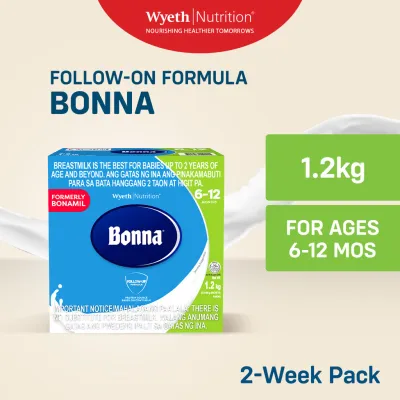

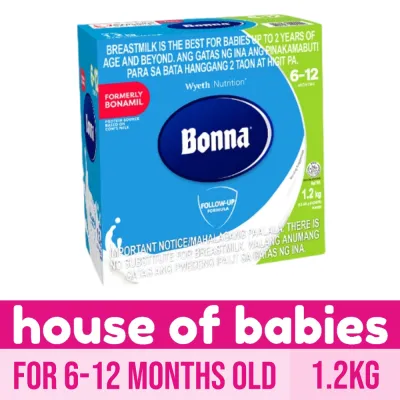
Prices are valid at publication and may change. Please refer to the product page for the latest price.
Enfagrow typically centers its brand identity on cognitive and brain development. Its marketing heavily highlights ingredients like Docosahexaenoic Acid (DHA) and Arachidonic Acid (ARA), which are structural fatty acids found in breast milk and the brain. This brand appeals to parents who prioritize early cognitive support and are comfortable paying a premium price point for these specific additions.
Nido is a household name frequently associated with overall growth, bone development, and immunity support. However, when shopping for a 6-12 month old, parents must exercise extra caution with this brand. Many Nido products available in local supermarkets and online marketplaces are powdered milk drinks formulated specifically for toddlers aged one year and older. You must carefully inspect the packaging to verify if a specific product is indeed a Stage 2 follow-on formula designed for the 6-12 month age bracket, rather than a toddler drink.
Regardless of the brand you consider, always verify the exact product name on the label. Ensure the packaging explicitly states it is a follow-on formula suitable for infants aged “6-12 months” or designated as “Stage 2.” Feeding a baby the wrong stage of formula can lead to nutritional imbalances or digestive strain, making this verification step critical before any purchase.
How to Compare Nutritional Labels for 6-12 Month Olds
Reading the nutrition facts panel on the back of the tin or box is the most reliable way to compare what your baby is actually consuming. At 6 to 12 months, your baby is transitioning to solid foods, meaning their nutritional intake is becoming more diverse. The formula should complement this transition by providing a balanced ratio of macronutrients, including proteins, fats, and carbohydrates that match their growing energy demands.

When examining the protein content, look at the source and ratio of whey to casein. Whey is generally easier to digest, while casein digests more slowly. Some premium formulas modify this ratio to mimic the changing composition of breast milk, which may be beneficial for babies with sensitive stomachs. Check the label to see if the protein is intact or partially broken down, as this affects how easily your baby’s digestive system can process it.
Essential micronutrients require close attention during this rapid growth phase. Iron is particularly critical for babies aged 6-12 months, as their natural iron stores accumulated during pregnancy begin to deplete around the sixth month. Compare the iron milligrams per serving across Bonna, NAN, Enfagrow, and Nido to ensure it meets standard developmental requirements. Additionally, check the levels of Calcium and Vitamin D, which work together to support healthy bone and teeth development.
Beyond the basic vitamins and minerals, look at the ingredient list for functional ingredients like prebiotics (such as GOS and FOS) and probiotics. These ingredients are added to support gut health and soften stools, though their presence varies significantly between budget and premium brands. If these ingredients are important to you, verify their specific names and quantities on the label rather than relying on general front-pack claims.
Finally, examine the carbohydrate sources to identify any added sugars. Look for ingredients like sucrose, corn syrup solids, or maltodextrin in the ingredient list. Ingredients are listed in descending order by weight, so if a sweetener appears near the top of the list, it makes up a larger proportion of the formula. Understanding these label details allows you to make an objective comparison based on nutritional facts rather than marketing narratives.
Evaluating Cost and Value: Budgeting for Formula
Managing household expenses is a major part of parenting, and formula can represent a significant recurring cost. To understand the true financial impact, you need to calculate the cost per serving rather than simply comparing the retail price of the cans. A larger pack, such as a 1kg box, may have a higher upfront cost but often provides a lower cost per gram compared to smaller tins.
To calculate the cost per serving, divide the total retail price of the pack by the number of servings it yields. The number of servings can usually be found on the nutrition facts panel or calculated using the manufacturer’s preparation guide. For example, if a 1kg pack of Bonna milk for 6 to 12 months costs a certain amount, divide that price by the total number of scoops or prepared bottles it provides. Compare this figure against the cost per serving of a 1kg pack of NAN or Enfagrow to see the actual daily or monthly price difference.
While buying larger 1kg formats in local supermarkets or verified online stores generally offers the best value, you must also consider storage conditions. In the tropical climate of the Philippines, high humidity can cause opened powdered formula to spoil or clump if not stored correctly. If you cannot use a large 1kg pack within the manufacturer’s recommended timeframe after opening—usually three to four weeks—buying smaller sizes may actually prevent waste and save money.
It is also important to recognize that a higher price tag does not automatically guarantee better digestive tolerance or superior health outcomes for your baby. Premium brands charge more for proprietary ingredient blends, research, and marketing, but a budget-friendly formula like Bonna still meets strict national and international nutritional standards. If your baby digests a standard formula well and grows at a healthy rate, paying a premium for specialized ingredients may not provide any additional practical benefit.
Observing Your Baby's Tolerance and Reaction
The ultimate test of any formula is how well your baby’s body tolerates it. Every infant has a unique digestive system, and a formula that works perfectly for one baby might cause discomfort for another. When introducing or switching formulas, closely monitor your baby’s digestive comfort, paying attention to stool consistency, stool frequency, and the presence of excessive gas or painful bloating.
Spit-up and reflux are common in infants, but a sudden increase in frequency or volume after a formula change can indicate that the protein blend or fat source is difficult for your baby to digest. Normal stools for formula-fed babies can range from yellow to green and should be soft. If your baby develops hard, dry stools, or conversely, very watery stools, it may be a sign that the current formula is not a good match for their digestive tract.
Keep a close eye on your baby’s skin and behavior for signs of an allergic reaction or food intolerance. Unexplained skin rashes, hives, or sudden flare-ups of eczema can be linked to a sensitivity to cow’s milk protein. Behavioral changes, such as extreme fussiness during or immediately after feedings, persistent crying, or difficulty settling down, can also signal physical discomfort caused by indigestion or gas.
While mild gas or slight changes in stool color can occur during a transition period, there are several red flags that require immediate medical attention. If you observe blood or mucus in your baby’s stool, severe or projectile vomiting, persistent diarrhea, signs of dehydration, or poor weight gain over time, stop using the formula immediately. Do not attempt to switch to another brand on your own; instead, consult your pediatrician right away to identify the underlying cause and get a professional recommendation.
Decision Framework: Which Formula Should You Choose?
To finalize your choice, it helps to align your household budget and nutritional priorities with your baby’s specific physical needs. If your primary goal is to find a highly cost-effective follow-on formula that meets all standard nutritional requirements for a 6-12 month old, Bonna is an excellent candidate. It provides the essential baseline vitamins and minerals your baby needs to grow, making it a practical choice if your baby digests standard cow’s milk proteins without any issues.
If your baby has a sensitive stomach, experiences frequent gas, or struggles with mild digestive discomfort, you might consider NAN. This brand is suitable for parents who want to focus on gut health and are willing to pay a higher price for formulas containing specific probiotic strains or modified protein structures. However, you should discuss this choice with your pediatrician to ensure a specialized gut-health formula is appropriate for your baby’s symptoms.
If you prioritize formulas that emphasize cognitive development and are comfortable with a premium price point, Enfagrow may fit your preferences. This option is designed for parents who want to ensure their baby receives specific levels of ingredients like DHA and ARA through their formula, provided the baby tolerates the overall ingredient blend well and shows no signs of digestive distress.
If you are considering Nido, you must strictly verify the product label before purchasing. Ensure you are buying a Stage 2 follow-on formula specifically formulated for infants aged 6-12 months, and not a Stage 3 or toddler milk drink designed for children over one year old. Feeding a toddler milk drink to a 6-12 month old can lead to serious nutritional deficiencies, as these products do not contain the precise balance of nutrients required by younger infants.
Before making any final decision or switching your baby’s formula, always evaluate their health status. If your baby has a known food allergy, a diagnosed medical condition, or was born prematurely, standard selection frameworks do not apply. In these cases, it is vital to consult a healthcare professional who can provide a tailored recommendation based on your child’s medical history and specific developmental milestones.
Frequently Asked Questions (FAQ)
Can I mix Bonna with premium brands like NAN or Enfagrow in one bottle?
Mixing different formula brands like Bonna, NAN, or Enfagrow in a single bottle is generally not recommended. Each brand has its own unique nutrient concentration, scoop size, and specific preparation instructions designed to deliver a precise balance of hydration and nutrition. Mixing them together can alter the intended water-to-powder ratio, which may lead to accidental over-concentration or under-concentration of nutrients. This imbalance can strain your baby’s developing kidneys or cause digestive issues like constipation or diarrhea. To ensure your baby receives accurate nutrition and to avoid digestive upset, it is best to stick to one brand and stage per feeding.
How long should I wait to see if a new formula works for my baby?
When transitioning your baby to a new formula, it typically takes about one to two weeks to accurately assess how well their digestive system tolerates the change. During this transition period, you may observe mild, temporary changes in stool consistency, color, or gas as their gut adjusts to the new protein structures and ingredient blends. However, this observation window only applies to mild, non-urgent adjustments. If your baby shows any severe reactions, such as persistent vomiting, blood in the stool, severe diarrhea, skin rashes, or signs of dehydration, you should not wait out the transition period. Stop using the formula immediately and seek professional medical advice.

Community discussion
Share your experience or ask a question. Comments are reviewed before publication.