
Quick Answer: Which Formula Brand Should You Choose?
Breast milk is the undisputed gold standard for infant nutrition, providing optimal antibodies and tailored nourishment that no commercial product can fully replicate. When breastfeeding is not possible or when transitioning to complementary feeding, parents in the Philippines face a wide array of milk formula options. Navigating brands like Bonna, Nido, NAN, and Enfagrow across their various stages can feel overwhelming. Each brand positions its products differently, targeting specific developmental milestones, nutritional priorities, and household budgets.
Choosing the right formula is not about finding a universal winner, but rather identifying which option aligns with your baby’s unique physiological needs and your family’s practical circumstances. The bonna 1-3 range is widely recognized in the local market as an accessible, foundational option. Meanwhile, brands like NAN, Enfagrow, and Nido offer distinct formulations that focus on specialized proteins, specific dietary lipids, or toddler-specific growth support. Before making any changes to your child’s diet, consulting a pediatrician is an absolute necessity to ensure safety and nutritional adequacy.
Understanding Formula Stages: What Bonna 1-3 and Competitors Offer
Formula stages are carefully calibrated to match a child’s changing digestive capacity and nutritional requirements as they grow. Manufacturers design these stages to align with specific age brackets, which are clearly printed on the front of the packaging.
Products mentioned in this guide
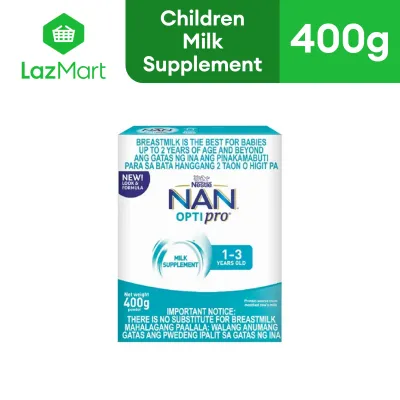
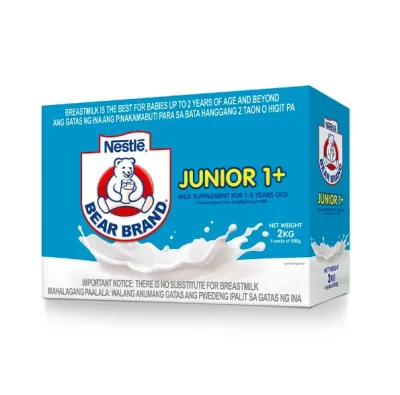
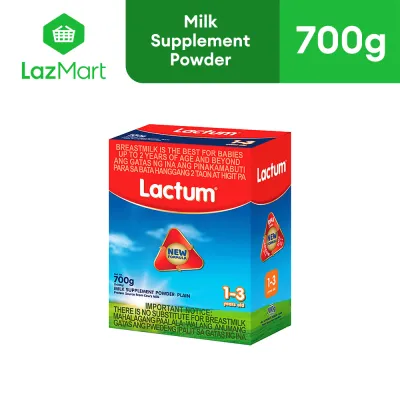
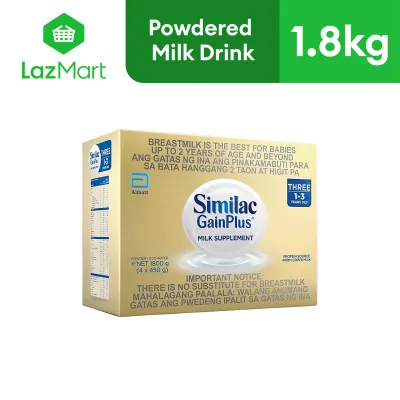
Prices are valid at publication and may change. Please refer to the product page for the latest price.

Stage 1 (0 to 6 Months): Foundational Nutrition and Digestibility During the first six months of life, an infant’s digestive system is highly sensitive and still developing. Stage 1 formulas, such as Bonna 1, NAN 1, and Enfamil (the infant stage of the Enfagrow family), are formulated to serve as a sole source of nutrition when breast milk is unavailable. These products focus on highly digestible proteins and essential fatty acids. When evaluating Stage 1 options, parents must carefully inspect the packaging to verify that the product is specifically designated for newborns. Because infant health is delicate, any introduction of Stage 1 formula must be done under the direct supervision of a healthcare professional.
Stage 2 (6 to 12 Months): Supporting the Transition to Solids As infants reach the six-month mark, their nutritional needs expand to support rapid physical development, crawling, and increased alertness. Stage 2 formulas, including Bonna 2, NAN 2, and Enfagrow Stage 2, are adjusted to complement the introduction of solid foods. During this phase, a baby’s iron stores naturally begin to deplete, which is why Stage 2 labels often reflect higher iron levels compared to Stage 1. Parents should look for clear age indicators on the label and ensure the formula is prepared precisely according to the manufacturer’s instructions to avoid digestive strain as the baby adapts to a mixed diet.
Stage 3 (1 to 3 Years): Complementing the Toddler Diet Toddlerhood brings a dramatic shift in activity levels and dietary habits. Stage 3 products, such as Bonna 3, Nido 1-3 (often labeled as Nido 3+ depending on the specific product line), NAN 3, and Enfagrow 3, are designed for children aged one to three years. These are not infant formulas; rather, they are growing-up milks intended to accompany a diverse diet of solid foods. At this stage, toddlers may become picky eaters, making nutritional gaps more common. Parents should verify the age suitability on the tin and use these products as a supplement to, rather than a replacement for, balanced family meals.
Comparing Bonna, Nido, NAN, and Enfagrow: Key Label Dimensions
To make an objective comparison between Bonna 1-3, Nido, NAN, and Enfagrow, parents must look past marketing slogans and focus directly on the nutritional facts panel and ingredient list.
Macronutrients and Caloric Density The back of every formula tin features a detailed table listing the energy (calories), proteins, fats, and carbohydrates per 100 grams of powder or per 100 milliliters of prepared feed. When comparing Bonna with premium alternatives like NAN or Enfagrow, examine the protein source (such as whey-to-casein ratio) and the carbohydrate types used. Some formulas utilize lactose as the primary carbohydrate, while others may include maltodextrin or corn syrup solids. Checking these values helps you understand the energy density and digestibility of the milk, which is particularly important if your pediatrician has recommended a specific macronutrient balance.
Added Ingredients and Dietary Lipids Many modern formulas include specialized ingredients designed to mimic the complex components of breast milk. You will frequently see terms like DHA (docosahexaenoic acid), ARA (arachidonic acid), prebiotics (such as GOS and FOS), and probiotics on the labels of Enfagrow, NAN, and certain Bonna or Nido variants.
- DHA and ARA: These are omega-3 and omega-6 fatty acids. If these are a priority for your family, locate them on the nutritional panel to compare the exact milligrams per serving across brands.
- Prebiotics and Probiotics: These support gut health. Probiotics are live microorganisms (such as Bifidobacterium lactis), while prebiotics are fibers that feed beneficial gut bacteria. Verify their presence on the ingredient list, noting that live cultures require specific preparation temperatures to remain active.
Taste, Texture, and Mixability While nutritional content is vital, practical preparation and baby acceptance are equally important. Parents often observe differences in how easily powders dissolve in warm water. Some formulas mix smoothly with minimal shaking, while others may clump or produce significant foam. Additionally, taste profiles vary; some brands have a sweeter taste due to their carbohydrate composition, while others taste more neutral or slightly metallic due to high iron content. Monitoring how your baby accepts the taste and observing the physical consistency of the prepared milk can guide your long-term choice.
Calculating the Price per Serving The financial aspect of formula feeding is a major consideration for families in the Philippines. Premium brands often carry a higher price tag, but calculating the actual cost per serving reveals the true monthly impact on your budget. To compare value objectively, use this simple calculation:
- Identify the retail price of the tin in Philippine Pesos (₱).
- Divide the price by the total net weight in grams to find the cost per gram (₱/g).
- Multiply the cost per gram by the exact grams of powder required for a single serving (as specified in the preparation instructions).
- Multiply this single-serving cost by the number of feeds your baby consumes daily, then multiply by 30 to estimate your monthly expenditure.
This exercise often highlights that while some brands seem expensive upfront, their larger packaging sizes or lower scoop-to-water ratios might offer comparable long-term value.
How to Decide: A Step-by-Step Evaluation Framework
Choosing a formula should be a systematic process rather than a trial-and-error experiment. Following a structured framework ensures your baby’s health remains the top priority while keeping household logistics manageable.
Step 1: Consult Your Pediatrician Before purchasing any formula, schedule a consultation with your child’s pediatrician. This is critical if your baby has a family history of allergies, exhibits signs of reflux, or has experienced digestive discomfort. A professional can recommend whether your baby requires a standard cow’s milk-based formula, a partially hydrolyzed option, or a lactose-free specialty feed. Never switch formulas or initiate feeding based solely on peer recommendations or online reviews.
Step 2: Calculate Your Monthly Budget Using the price-per-serving formula outlined above, project your monthly expenses for each candidate brand. Ensure you factor in the increasing volume of milk your baby will consume as they grow. Align this projection with your household budget to ensure you can consistently afford the chosen brand without compromising other essential family needs.
Step 3: Conduct a Structured Trial Period Once your pediatrician approves a specific brand, introduce it and monitor your baby closely for a trial period of at least two weeks. Keep a daily log of your baby’s reactions. Note their stool consistency, frequency of spit-ups, skin condition (watching for rashes or dry patches), and general temperament after feeding. It takes time for a baby’s digestive system to adapt to a new formula, so avoid switching brands prematurely unless severe symptoms occur.
Step 4: Verify Consistent Local Availability A formula is only practical if you can buy it reliably. Check the shelves of your local supermarkets, neighborhood pharmacies, and official online brand stores on major ecommerce platforms. Relying on a brand that is frequently out of stock can lead to sudden, stressful transitions that upset your baby’s stomach. Ensure you have a reliable, authorized source for your chosen formula.
When to Stop or Switch Formulas: Warning Signs and Next Steps
While mild gas or occasional fussiness can be normal parts of infant development, certain signs indicate that a specific formula may not be suitable for your baby.
Observable Red Flags Parents must remain vigilant for physical signs of intolerance or allergy. Watch for persistent, inconsolable crying after feeding, excessive spitting up or projectile vomiting, and sudden skin changes like hives or eczema. Stool changes are also significant indicators; look out for extremely hard stools that cause pain during bowel movements, or watery, frequent stools that may contain mucus or blood.
When to Seek Immediate Medical Attention If your baby exhibits severe symptoms such as blood in their stool, persistent vomiting that prevents fluid retention, signs of dehydration (such as fewer wet diapers or a sunken soft spot), or difficulty breathing, stop feeding the formula immediately and seek emergency medical care. These symptoms can indicate a severe cow’s milk protein allergy or other serious medical conditions that require immediate professional intervention.
Safe Transition Methods If your pediatrician recommends switching brands, do not make a sudden, complete swap unless medically instructed to do so. A gradual transition helps your baby’s digestive tract adapt. Under professional guidance, you might gradually introduce the new formula by mixing it with the old one over several days—for example, using a ratio of 75% old to 25% new on day one, moving to a 50/50 mix, and slowly phasing out the old formula entirely. Always follow your pediatrician’s specific instructions for transitioning.
Frequently Asked Questions (FAQ)
Can I mix Bonna with Nido or Enfagrow in the same bottle?
Mixing different formula brands or stages in a single bottle is generally not recommended. Each brand has a unique scoop size and specific powder-to-water ratio designed to deliver a precise concentration of nutrients. Combining them can alter the caloric density and mineral concentration of the feed, potentially leading to dehydration, kidney strain, or severe digestive upset. If you are transitioning between brands, consult your pediatrician for a safe, structured feeding schedule rather than mixing them together in one bottle.
Is toddler formula (Stage 3) necessary if my child eats solid foods well?
Stage 3 toddler formulas are not strictly necessary if a child over one year old is eating a diverse, well-balanced diet of solid foods that includes adequate iron, calcium, and vitamins. However, many toddlers experience phases of picky eating, which can lead to temporary nutritional gaps. In such cases, growing-up milks like Bonna 3, Nido 1-3, or Enfagrow 3 can serve as a convenient nutritional safety net. Parents should assess their child’s daily food intake alongside a pediatrician to decide whether to continue with toddler formula or transition to regular pasteurized whole milk.
How do I properly store opened formula powder in a tropical climate?
The high humidity and warm temperatures of the Philippines require careful storage to prevent formula powder from spoiling or clumping. Always store the opened tin in a cool, dry place, away from direct sunlight and heat sources like stoves or ovens. Never store formula powder in the refrigerator, as the condensation that forms when the tin is opened can introduce moisture, leading to mold and bacterial growth. Ensure the lid is sealed tightly immediately after use, and discard any remaining powder within four weeks of opening, or as specified by the manufacturer’s label.

Community discussion
Share your experience or ask a question. Comments are reviewed before publication.