
Quick Answer: Is There a Single "Best" Formula?
Finding the right formula milk for your baby between 6 and 12 months of age is a highly individualized decision. There is no single “best” brand that works universally for every infant. The ideal choice depends entirely on your baby’s unique digestive tolerance, your pediatrician’s specific guidance, and your household budget.
Bonamil, Nido, and NAN all offer Stage 2 (follow-on) options designed to support older infants as they transition to solid foods. However, these brands differ in their protein structures, added nutrients, price points, and availability in local stores. Before switching your baby to any new formula or deciding between these options, it is essential to consult your pediatrician. A healthcare professional can assess your baby’s growth and recommend the formulation that best supports their development.
Nutritional Shifts: What 6-12 Month Olds Need in Stage 2 Formula
Between 6 and 12 months of age, your baby undergoes rapid physical and cognitive development. This period marks the transition from an all-liquid diet to complementary feeding, where solid foods are gradually introduced. As solid foods become a part of their daily routine, their nutritional requirements shift, and Stage 2 formulas are specifically designed to complement this new stage of growth.
Products mentioned in this guide
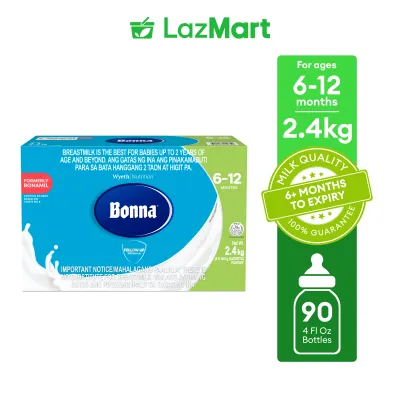
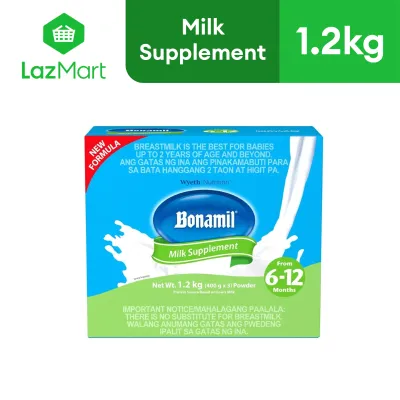

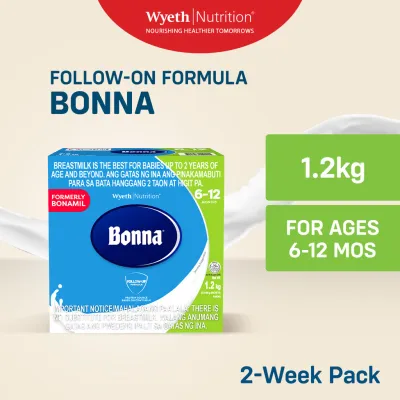
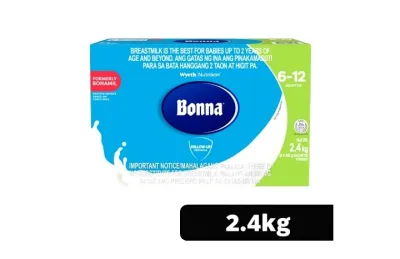

Prices are valid at publication and may change. Please refer to the product page for the latest price.

During this phase, several key nutrients become particularly important on the product label:
- Iron: A baby's natural iron stores accumulated during pregnancy begin to deplete around six months of age. Stage 2 formulas are typically fortified with higher levels of iron to support healthy blood cell production and cognitive development.
- Calcium and Vitamin D: These nutrients work together to support the rapid growth of bones and teeth as your baby begins to sit up, crawl, and pull themselves up to stand.
- DHA and ARA: These essential fatty acids are crucial components for continued brain development and visual acuity during this highly active learning phase.
- Prebiotics and Probiotics: As babies begin to ingest various solid foods, their digestive systems are exposed to new proteins and fibers. Added prebiotics or active cultures can help support a balanced gut microbiome and aid digestion.
When selecting a formula, always check the manufacturer’s packaging to verify the recommended age range. In the tropical climate of the Philippines, high humidity can affect dry powder. It is vital to follow the exact storage instructions on the tin, keeping it tightly sealed in a cool, dry place, and using the contents within the manufacturer’s specified timeframe—usually three to four weeks after opening.
How to Compare Bonamil, Nido, and NAN on the Shelf
When standing in the baby care aisle of a local supermarket or pharmacy, the array of options can feel overwhelming. To make an informed choice, you must look past front-of-pack marketing claims and focus directly on the nutrition facts panel and ingredient list on the back of the tin. Comparing these brands “per 100g” or “per 100ml” of prepared formula provides an objective basis for comparison.
Bonamil Stage 2
Bonamil is widely recognized as a reliable, standard follow-on formula. When examining the label of Bonamil Stage 2, look closely at its macronutrient distribution. It is formulated to provide a balanced ratio of proteins, carbohydrates, and essential fats suitable for growing infants.
Parents should check the label for its specific vitamin and mineral fortification, particularly iron, calcium, and zinc. Bonamil is often chosen by families looking for a straightforward, nutrient-dense formula that covers all the foundational requirements of a growing baby without specialized digestive additives.
Nido Stage 2
Nido is a household name, but parents must exercise caution when selecting a product from this brand. Many Nido products on the shelves are formulated for toddlers aged one year and older (such as Stage 1+ or 3+). You must carefully verify that the tin is explicitly labeled as a Stage 2 follow-on formula suitable for infants aged 6 to 12 months.
When reviewing the Nido Stage 2 nutrition panel, look for its specific fortification profile. It typically emphasizes a combination of vitamins and minerals designed to support the immune system, such as Vitamin C, Vitamin A, and Zinc. Check the label to see how the iron content is paired with Vitamin C, as Vitamin C naturally aids the absorption of iron in the digestive tract.
NAN Stage 2
NAN is often positioned as a premium option that incorporates advanced nutritional science, particularly regarding protein quality and digestive comfort. When looking at NAN Stage 2 variants (such as NAN Optipro), pay close attention to the protein blend listed on the ingredient panel.
NAN formulas often feature optimized protein profiles designed to be gentle on an infant’s developing kidneys and digestive system. Additionally, check the label for active probiotic cultures (such as Bifidobacterium lactis) or specific prebiotic fibers. These ingredients are included to support gut health and soften stools, which can be highly beneficial as your baby adjusts to digesting solid foods.
Practical Factors: Budget, Availability, and Preparation
While nutritional content is the primary consideration, practical daily logistics play a significant role in determining which formula is sustainable for your family over the long term.
Calculating the True Cost per Serving
Formula feeding is a recurring household expense, and prices in ₱ can fluctuate across different retail outlets, supermarkets, and pharmacies. To understand the true financial impact, do not simply compare the retail price of the tins. Instead, calculate the cost per serving.
To do this, check the net weight of the tin and the manufacturer’s preparation instructions. Note the exact weight of one scoop of powder and how many scoops are required for a standard bottle. By dividing the total grams in the tin by the grams required per feed, you can estimate how many bottles a single tin will yield. This allows you to compare the actual daily or weekly cost of each brand accurately.
Ensuring Consistent Local Availability
Abruptly switching formula brands because your regular choice is out of stock can upset your baby’s delicate digestive system. Before committing to a specific brand, observe the shelves of your local supermarkets, neighborhood pharmacies, and authorized online stores.
Ensure that the specific Stage 2 variant you choose is consistently stocked in your area. If you live in a region where premium or specialized formulas have limited distribution, a more widely available standard brand may be the safer choice to avoid sudden, forced transitions.
Preparation Requirements and Taste Preferences
Every formula brand has its own specific mixing ratio. Never assume that a scoop from one brand requires the same amount of water as a scoop from another. Always use the exact scoop provided inside the specific tin you are preparing, and follow the water-to-powder ratio precisely. Under-diluting formula can strain your baby’s kidneys and cause dehydration, while over-diluting can lead to nutritional deficiencies.
Furthermore, babies have individual taste preferences. The protein sources and fat blends used in Bonamil, Nido, and NAN can result in subtle differences in taste and texture. Your baby may naturally prefer the flavor of one brand over another, which can influence how easily they accept the bottle.
Decision Framework: Choosing the Right Formula for Your Baby
To help guide your final decision or prepare for your next pediatric consultation, consider how each brand aligns with your specific circumstances:
- Choose Bonamil if: You are looking for a reliable, standard follow-on formula that fits comfortably within a moderate household budget, is widely available in local grocery stores, and your baby digests standard milk proteins without any issues.
- Choose Nido if: You prefer a brand with a strong focus on immune-supporting micronutrient fortification, your pediatrician has approved its use for the 6-12 month stage, and it aligns well with your regular family grocery shopping routine.
- Choose NAN if: Your baby has a sensitive stomach or requires extra digestive support, and your pediatrician recommends a formula with an optimized protein blend or active probiotics to assist with gut health.
When to Verify and Seek Professional Help
If your baby has a history of food allergies, severe reflux, chronic constipation, or lactose sensitivity, standard Stage 2 formulas may not be suitable. In these situations, do not attempt to self-diagnose or switch between standard commercial brands on your own. Stop use immediately if you observe signs of distress, skin rashes, vomiting, or unusual stool changes, and consult your pediatrician. Your baby may require a specialized, hypoallergenic, or lactose-free formula that must be prescribed and monitored by a healthcare professional.
Frequently Asked Questions (FAQ)
How do I safely transition my baby from Stage 1 to Stage 2 formula?
A transition to a new stage of formula should always be done gradually to allow your baby’s digestive system time to adapt to the shifting nutrient levels. Start by replacing just one feeding session a day with the Stage 2 formula, while keeping the remaining feeds as Stage 1. Over the course of several days to a week, slowly increase the number of Stage 2 feeds until the transition is complete.
Do not mix different dry powders together in the same bottle, as this makes it impossible to measure the water-to-powder ratio accurately. If your baby shows signs of digestive distress, severe constipation, vomiting, or allergic reactions during the transition, stop the new formula immediately and consult your pediatrician.
Can I mix different brands of formula in the same bottle?
Mixing different brands of dry formula powder in the same bottle is highly discouraged. Each brand design relies on a precise scoop size and water ratio to ensure the prepared milk is safe and nutritionally balanced. Altering these ratios by mixing powders can lead to incorrect concentration, potentially causing digestive upset, dehydration, or improper nutrient intake.
If you need to transition between brands, it is best to keep the feeds separate. Offer a bottle of the current brand for one feeding session, and a bottle of the new brand for a subsequent feeding session. Always follow the exact preparation instructions printed on the respective manufacturer’s packaging.

Community discussion
Share your experience or ask a question. Comments are reviewed before publication.