
Choosing between Bonamil and NAN for your 6-12 month old baby is a decision that involves balancing nutritional profiles, digestive comfort, and your family’s monthly budget. At this stage, your baby is transitioning from a purely liquid diet to a mix of solid foods and follow-on formula. Because every infant’s digestive system matures at a different rate, there is no single formula that works perfectly for every child. The choice between these two popular options ultimately depends on how well your baby tolerates the specific protein structures, the presence of supportive ingredients like prebiotics or probiotics, and how the cost per serving fits into your household expenses.
To make an informed choice, you must look past front-of-pack marketing and focus on the actual nutrition facts panel, the ingredient list, and your baby’s physical responses. This guide provides a practical, step-by-step framework to help you compare these formulas objectively, calculate their true long-term costs, and identify the signs of digestive comfort or intolerance in your baby.
Baseline Nutritional Needs for 6-12 Month Olds
As your baby reaches the six-month mark, their nutritional requirements undergo a significant shift. During this developmental window, rapid physical growth and cognitive milestones demand a higher intake of specific vitamins and minerals that breastmilk or infant formula alone may no longer fully supply. Stage 2 follow-on formulas are specifically formulated to act as a complementary nutrient source, bridging the gap between solid foods and your baby’s daily liquid intake.
Products mentioned in this guide
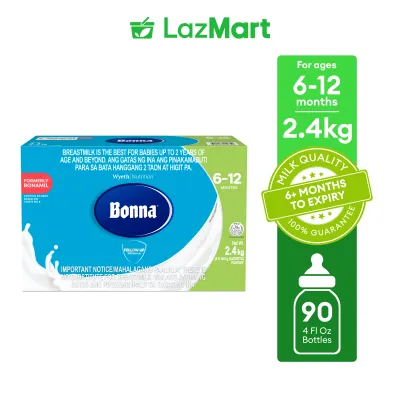
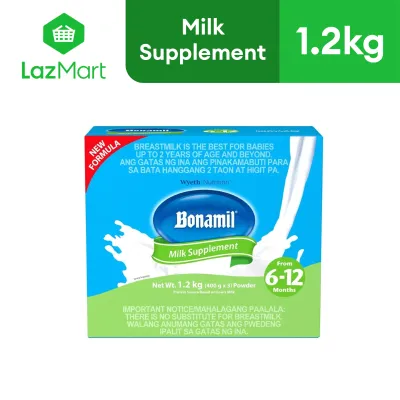

Prices are valid at publication and may change. Please refer to the product page for the latest price.
When evaluating any follow-on formula for this age group, several key nutrients must take priority. Iron is critical during this stage, as a baby’s natural iron stores accumulated during gestation begin to deplete around six months. Calcium and Vitamin D are equally vital to support rapid bone development and teething. Additionally, docosahexaenoic acid (DHA), an omega-3 fatty acid, plays a foundational role in ongoing brain and visual development.
Before making any changes to your baby’s diet, it is essential to consult your pediatrician. A qualified healthcare professional can assess your baby’s growth trajectory, identify any specific dietary gaps, and screen for potential food allergies. This medical guidance ensures that whatever formula you choose aligns perfectly with your baby’s unique developmental timeline and health status.
Reading the Label: Comparing Bonamil and NAN Nutrition
To make an objective comparison between Bonamil and NAN, you must learn to read the nutrition facts panel and the ingredient list printed on the packaging. Front-of-pack labels often highlight specific ingredients to attract attention, but the complete story is always found on the back or side of the container. Start by comparing the macronutrients—proteins, fats, and carbohydrates—using a standardized unit of measurement, such as per 100 grams of powder or per 100 milliliters of prepared formula, to ensure an accurate comparison.

Pay close attention to the source of carbohydrates listed in the ingredients. Lactose is the naturally occurring sugar found in breastmilk and is generally the preferred carbohydrate source for healthy infants. Some formulas may substitute or supplement lactose with other sugars, such as sucrose, corn syrup solids, or maltodextrin, to manage costs or alter sweetness. Checking the ingredient list allows you to verify whether lactose is the primary carbohydrate or if alternative sugars have been introduced.
Next, look for specific functional ingredients that support development and gut health. These may include prebiotics (such as galacto-oligosaccharides or fructo-oligosaccharides), probiotics (live beneficial bacteria), and nucleotides, which support immune function. Note whether these are listed on the nutrition panel and in what quantities.
Remember that marketing terms on the front of the tin are designed for promotion. Always verify these claims by checking the actual values and ingredient order on the official nutrition panel. The ingredients are always listed in descending order of weight, meaning the first few ingredients make up the bulk of the formula.
Digestibility: How to Observe Your Baby's Tummy Comfort
A formula can be packed with nutrients, but if your baby’s digestive system cannot process it comfortably, it is not the right choice. One of the primary factors influencing digestibility is the whey-to-casein protein ratio. Breastmilk is whey-dominant, especially in the early months, because whey proteins remain liquid in the stomach and are easier to digest. Casein, on the other hand, forms a firmer curd in the stomach, which takes longer to break down. As babies reach 6-12 months, their digestive tracts mature, allowing them to handle higher ratios of casein, but individual tolerance still varies widely. Check the product labels to see if they specify the whey-to-casein ratio.
To evaluate how well your baby is tolerating a specific formula, you must closely observe their daily physical responses. Signs of good digestive tolerance include regular, soft stools that are easy to pass, minimal fussiness after feeding, and normal, infrequent spit-up patterns. If your baby is happy, active, and growing steadily, their digestive system is likely handling the formula well.
Conversely, you must watch for red flags that indicate poor tolerance or a potential adverse reaction. These signs include severe constipation (hard, painful stools), persistent diarrhea, skin rashes or eczema, excessive or forceful vomiting, and inconsolable crying or gassiness shortly after feeding. If you observe any of these symptoms, you should pause the formula and consult your pediatrician immediately.
It is also important to understand that specialized formulas, such as lactose-free, partially hydrolyzed, or hypoallergenic options, are not standard brand upgrades. These products are designed for specific medical conditions and should only be introduced under the direct supervision and diagnosis of a healthcare professional.
Calculating the True Cost and Value per Serving
When comparing formulas over a six-month period, the retail price on the shelf does not always reflect the actual cost of feeding. To find the true value, you must calculate the cost per serving rather than simply comparing the price of the tin. Start by looking at the preparation instructions on the label to find the exact weight of a single scoop of powder and the amount of water required per serving.
Using the total weight of the package (for example, 800 grams) and the weight of one scoop, you can determine how many total servings a single container provides. Divide the retail price in Philippine Pesos (₱) by the number of servings to find the cost per serving. Multiply this by the number of bottles your baby consumes daily to calculate your true daily feeding cost.
You should also compare the different packaging formats available. Many brands offer both rigid metal tins and cardboard boxes containing foil refill pouches. Refill pouches are generally more economical per gram because they require less expensive packaging materials. If you choose to buy refill pouches, ensure you store the powder in a clean, airtight container to protect it from humidity and pests, which are common in tropical climates.
Keep in mind that prices can fluctuate significantly between physical supermarkets, local drugstores, and official brand stores on online marketplaces in the Philippines. Additionally, different brands use different scoop sizes and powder densities. A larger tin of one brand might actually run out faster than a slightly smaller tin of another brand if its standard scoop size is significantly larger.
The Final Decision: Which Formula Fits Your Baby?
Choosing between Bonamil and NAN comes down to matching the specific characteristics of each formula with your baby’s physical needs and your family’s practical circumstances. There is no universal winner; instead, you should base your decision on a clear set of observable conditions.
You may want to choose Bonamil if your label comparison shows that its nutritional profile aligns with your pediatrician’s recommendations, and your calculations demonstrate that its cost per serving fits comfortably within your monthly household budget. It is an option often favored by families looking for a straightforward, reliable follow-on formula that supports standard growth without unnecessary premium costs.
You may want to choose NAN if your baby has a sensitive stomach and you find that its specific whey-to-casein ratio or the inclusion of particular prebiotics or probiotics aligns with your baby’s digestive comfort. If your budget allows for a higher cost per serving in exchange for these specific digestive additions, this option may provide the peace of mind you are looking for.
If your baby exhibits persistent signs of discomfort, skin reactions, or poor weight gain on either formula, neither option may be suitable. In such cases, you must seek a medical evaluation from your pediatrician to determine if a specialized or therapeutic formula is required.
Finally, if you are transitioning your baby from breastmilk or a different Stage 1 formula, remember that their digestive system needs time to adapt. Always plan a gradual transition and monitor your baby’s stool and behavior closely during the process to ensure a smooth adjustment.
Frequently Asked Questions (FAQ)
Can I mix Bonamil and NAN in the same bottle?
No, you should not mix different formula powders, such as Bonamil and NAN, in the same bottle. Each brand is formulated with a precise balance of nutrients, proteins, and minerals, and has its own specific scoop size and water-to-powder ratio. Mixing them can alter the intended nutrient concentration and osmolality of the feed, which can strain your baby’s developing kidneys and digestive system. To avoid digestive upset or nutritional imbalances, always prepare and feed one brand at a time, strictly following the manufacturer’s instructions on the packaging.
How should I transition my baby from Stage 1 to Stage 2 formula?
Transitioning to a Stage 2 follow-on formula should be done gradually over a period of 5 to 7 days to allow your baby’s digestive system to adapt. Start by replacing just one feed on the first day with the new Stage 2 formula, keeping the rest of the feeds as Stage 1. Gradually increase the number of Stage 2 bottles over the next few days. If you observe signs of digestive discomfort, such as sudden gassiness, fussiness, or changes in stool consistency, slow down the transition or temporarily revert to the previous stage before trying again, and consult your pediatrician if the symptoms persist.

Community discussion
Share your experience or ask a question. Comments are reviewed before publication.