
Choosing between Bonakid, Nido, NAN, and Enfagrow depends entirely on matching your child’s specific age stage, nutritional needs, and digestive tolerance to the corresponding product line. There is no single universal winner; instead, each brand designs distinct formulations—ranging from infant formulas to toddler and preschooler growing-up milks—that cater to different developmental milestones. To make the right choice, parents must look beyond marketing claims, verify the age recommendations on the physical packaging, and consult a pediatrician to ensure the selected formula aligns with their child’s overall health and solid food intake.
Decoding Age Groups and Formula Stages Across Brands
Formula milk is systematically categorized into stages to mirror a child’s changing digestive capacity and nutritional requirements. Infant formulas (typically Stage 1 for 0 to 6 months, and Stage 2 for 6 to 12 months) serve as the primary or sole source of liquid nutrition when breastfeeding is not possible. As children transition into toddlerhood (Stage 3, usually 1 to 3 years) and preschool age (Stage 4, often 3 years and beyond), these products shift from being a primary food source to supporting an increasingly diverse solid food diet.
Each of the four major brands structures its product lines around these developmental milestones, though their specific naming conventions and age brackets differ. For instance, the NAN family includes specialized infant and follow-on formulas, alongside options designed for toddlers. Enfagrow focuses heavily on the toddler and preschool years, positioning its stages to support rapid cognitive and physical growth. Nido is widely recognized for its growing-up milks tailored for toddlers and school-aged children, while Bonakid offers budget-conscious formulations primarily targeting active toddlers and preschoolers.
Products mentioned in this guide
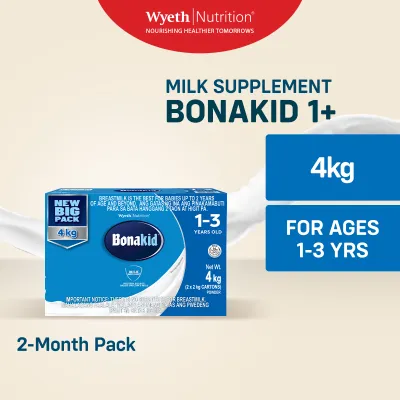
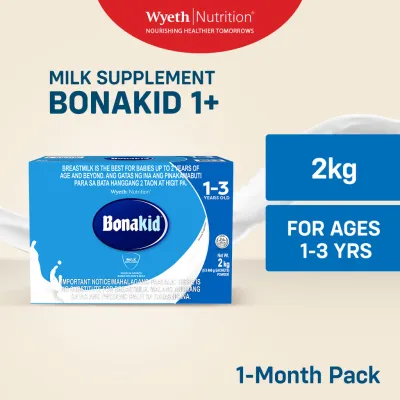
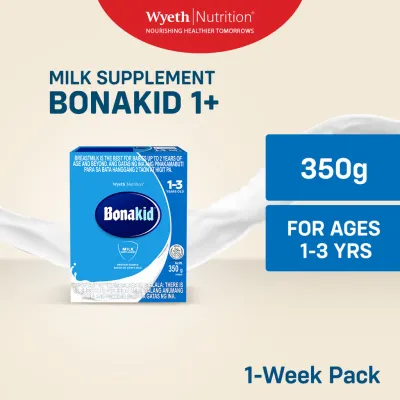
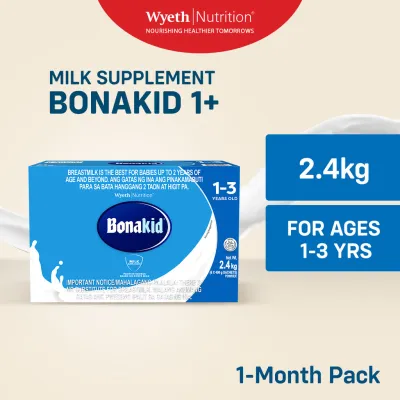
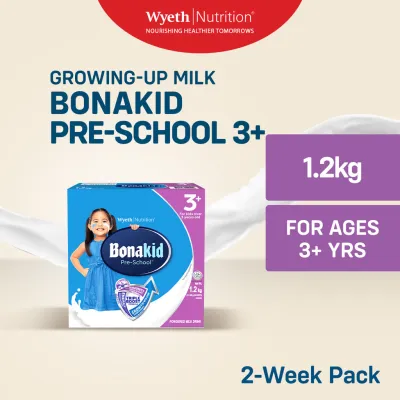
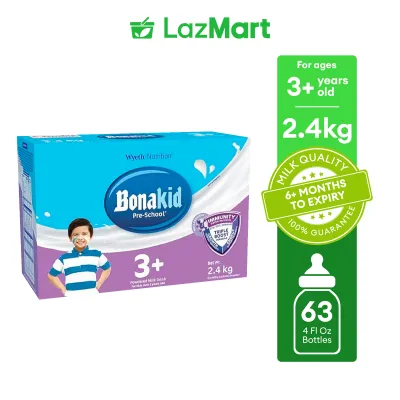
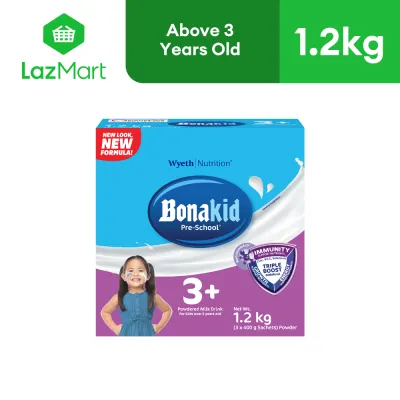
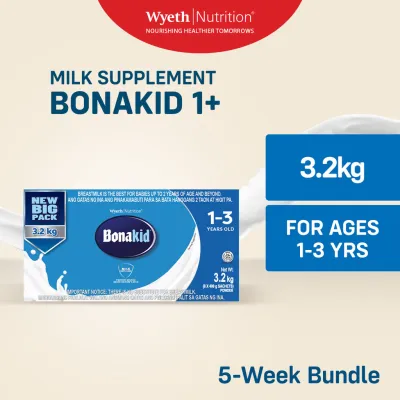
Prices are valid at publication and may change. Please refer to the product page for the latest price.
Because formulations, ingredients, and nutrient concentrations vary significantly even within a single brand’s portfolio, parents must never assume suitability based on brand name alone. A product labeled for a three-year-old contains protein and mineral levels that can strain an infant’s developing kidneys. Always locate and strictly verify the exact age range printed on the front or back of the physical product label before purchase.
Evaluating Nutritional Focus and Ingredient Labels
While all commercial formulas must meet basic regulatory standards for nutrition, brands differentiate themselves by emphasizing specific developmental benefits. Enfagrow and NAN often highlight ingredients like DHA (docosahexaenoic acid) and ARA (arachidonic acid), which are fatty acids associated with brain and visual development. Nido frequently emphasizes immune support and bone growth, incorporating specific vitamins, zinc, and calcium. Bonakid typically positions itself as a source of essential vitamins and minerals to support the daily energy needs of active, growing children.

To look past marketing slogans and understand what your child is actually consuming, you must become proficient at reading the Nutrition Facts panel and ingredient list. Start by checking the serving size and calculating the nutrient density per 100 kilocalories or per 100 grams of powder. Compare the exact amounts of key nutrients, such as iron, calcium, vitamin D, and essential fatty acids, across your shortlisted options. Additionally, inspect the ingredient list to identify the primary carbohydrate source—such as lactose, sucrose, or corn syrup solids—as this can affect both sweetness and digestive comfort.
It is vital to remember that promotional claims on packaging do not guarantee specific health outcomes or cognitive advantages for your child. Every child’s nutritional requirements are unique, influenced by their growth rate, daily physical activity, and solid food consumption. Before switching brands or selecting a high-stage growing-up milk, present the nutritional labels to your pediatrician to ensure the formula complements your child’s specific dietary profile.
Assessing Taste, Mixability, and Digestive Tolerance
A formula’s nutritional profile matters little if your child refuses to drink it due to taste or texture preferences. Brands vary noticeably in flavor; some maintain a mild, plain milk taste, while others incorporate vanilla flavorings or higher levels of sweetness to appeal to older toddlers. In tropical climates where high humidity can affect appetite, finding a flavor profile that your child accepts consistently without encouraging a preference for overly sweet foods is a delicate balance.
Powder solubility and preparation requirements also differ across brands and stages, directly impacting daily convenience. Some formulas dissolve rapidly in room-temperature water, while others require precise water temperatures to prevent stubborn clumping or separation. In humid environments, formula powder can quickly absorb moisture from the air, leading to clumping inside the tin or pouch. Always follow the manufacturer’s exact scooping and mixing instructions, as improper dilution—either too concentrated or too watery—can lead to dehydration or nutritional deficiencies.
Even if a formula is highly rated, your child’s digestive system is the ultimate decider of suitability. Monitor your child closely for observable signs of digestive tolerance, such as regular, soft bowel movements, minimal gas, and a generally content demeanor after feeding. Conversely, symptoms like persistent bloating, hard stools, excessive spit-up, or unusual fussiness can indicate that the formula’s protein structure or carbohydrate source is difficult for their system to process. If you observe severe symptoms, such as vomiting, chronic diarrhea, skin rashes, or blood in the stool, stop using the formula immediately and seek professional medical guidance.
Calculating Cost Per Serving and Sourcing Safely
Managing the household budget requires looking beyond the retail price of a single tin or pouch of formula. To find the true cost, calculate the price per serving by dividing the total cost of the package by the number of scoops or grams required for a single standard feed. A larger, seemingly expensive tin may actually offer a lower cost per gram than a smaller, cheaper pouch, making it more economical over several weeks of consistent use.
Packaging formats also play a significant role in both value and product preservation. In warm, humid climates, purchasing massive bulk tins can sometimes backfire if the powder spoils or clumps before you can finish it. For some families, buying medium-sized tins or individually sealed foil pouches within a larger box provides the best balance of volume savings and freshness. Always ensure that any opened container is stored in a cool, dry place, tightly sealed, and consumed within the manufacturer’s recommended timeframe—typically three to four weeks.
Given the critical nature of infant and toddler nutrition, ensuring product authenticity is paramount. Counterfeit or improperly stored formulas pose severe health risks, including contamination and nutritional deficits. Restrict your purchases exclusively to authorized physical pharmacies, official brand stores on reputable ecommerce platforms, or major established supermarkets. Avoid buying from unverified third-party sellers offering unusually steep discounts, and always inspect the packaging for intact safety seals, clear batch numbers, and valid expiration dates before preparation.
Your Step-by-Step Formula Selection Framework
To navigate the crowded formula aisle systematically, follow this structured decision-making framework to identify the most suitable option for your family.
Step 1: Assess Your Child’s Profile. Begin by documenting your child’s exact age, current weight, solid food intake, and any specific digestive sensitivities. Schedule a consultation with your pediatrician to discuss whether your child requires a standard formula or a specialized option, such as a hypoallergenic or lactose-free variant.
Step 2: Shortlist Eligible Product Lines. Filter the offerings from Bonakid, Nido, NAN, and Enfagrow to isolate only the specific products that explicitly match your child’s age bracket. For example, if your child is two years old, focus exclusively on the Stage 3 toddler formulations within these brands, ignoring infant or preschooler alternatives.
Step 3: Compare Nutritional Profiles and Costs. Lay out the nutritional labels of your shortlisted options side-by-side. Use your checklist to compare key nutrients like DHA, iron, and calcium, while simultaneously calculating the cost per serving for each product. This step helps you balance your child’s nutritional priorities with your household’s long-term financial plan.
Step 4: Conduct a Controlled Trial. Purchase the smallest available packaging size—such as a small pouch or trial tin—of your selected formula. Introduce it gradually according to safe transition guidelines, monitoring your child’s taste acceptance and digestive tolerance over a one-to-two-week period before committing to larger bulk purchases.
If your child accepts the trial formula, shows consistent growth, and exhibits healthy digestion, you can confidently continue with that choice. However, if your child experiences persistent digestive discomfort, skin reactions, or refuses the taste entirely, consult your pediatrician immediately to discuss switching to an alternative brand or a different formulation type.
Frequently Asked Questions (FAQ)
Can I mix two different formula milk brands in one bottle?
Mixing two different formula brands in a single bottle is generally discouraged by pediatricians and manufacturers. Each formula is carefully balanced with a precise ratio of water to powder to ensure proper nutrient concentration and osmotic pressure. Combining different powders can alter this delicate balance, potentially leading to digestive strain, constipation, or improper nutrient absorption. If you need to transition your child from one brand to another, do so by alternating separate feeding bottles over several days rather than mixing them together in one container.
When should I transition my child from infant formula to growing-up milk?
The transition from infant formula to growing-up milk typically occurs around the 12-month mark, though some specialized formulations may recommend waiting until age three. This transition should align with your child’s increasing reliance on solid foods, as growing-up milks are formulated to supplement a diverse diet rather than serve as the primary source of nutrition. Always consult your pediatrician before making this transition to ensure your child’s solid food intake is sufficient to support their growth alongside the new milk stage.
What are the signs that a formula milk is not suitable for my child?
Signs that a formula may not be suitable include persistent vomiting, severe diarrhea, chronic constipation, excessive gas, or intense fussiness immediately after feeding. You should also watch for physical signs of allergic reactions, such as hives, eczema, or swelling around the face. If you observe any of these symptoms, or if your child fails to gain weight appropriately, stop using the formula immediately and consult a healthcare professional for a comprehensive evaluation and alternative recommendations.

Community discussion
Share your experience or ask a question. Comments are reviewed before publication.