
Choosing the right toddler formula for your 1 to 3 year old is not about finding a universally superior product, but rather identifying the one that matches your child’s unique dietary needs, digestive tolerance, and your family’s budget. In the Philippines, Bonakid, Nido, and Enfagrow are three of the most widely recognized brands on supermarket shelves. Each brand offers a distinct formulation designed to supplement a toddler’s diet during a critical stage of physical and cognitive development. Rather than relying on generic recommendations or marketing claims, making an informed choice requires looking closely at the nutrition facts, understanding your child’s daily food intake, and consulting your pediatrician.
At this stage of life, milk is no longer the primary source of nutrition but serves as a safety net to fill potential nutrient gaps. Because every toddler has different eating habits—some being highly adventurous eaters while others go through intense picky-eating phases—the ideal formula will vary from one household to another. By learning how to analyze labels, monitor digestive responses, and calculate the actual cost per serving, you can confidently select a formula that supports your child’s growth without putting unnecessary strain on your household finances.
Nutritional Baselines for 1 to 3 Year Olds
During the first year of life, infants rely almost entirely on breast milk or infant formula for their nutritional needs. However, as children transition into the 1 to 3 year age range, solid foods must become their primary source of energy, vitamins, and minerals. Toddler formulas, often categorized as Stage 3 milks, are specifically formulated to complement this transition. They are not intended to replace solid meals, but rather to act as a nutritional supplement that ensures your child receives essential nutrients even on days when their appetite is unpredictable.
Products mentioned in this guide

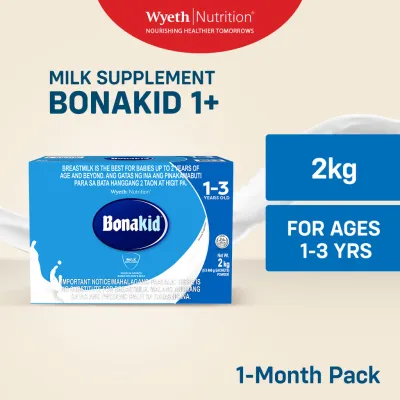
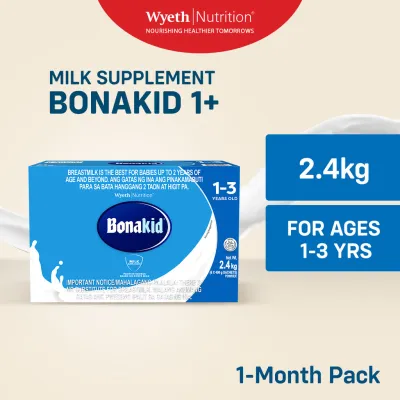
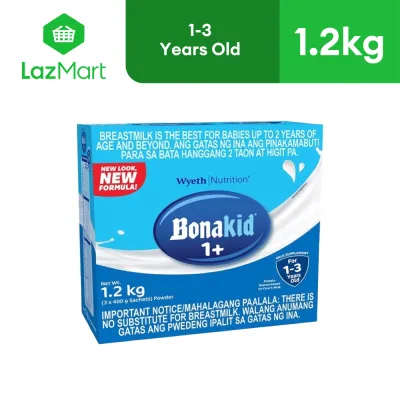
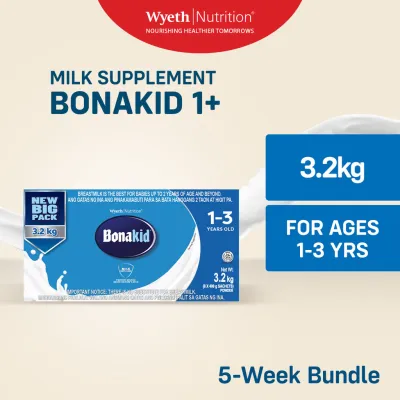
Prices are valid at publication and may change. Please refer to the product page for the latest price.
When evaluating any toddler milk label, several key micronutrients deserve close attention. Iron is critical during this rapid growth phase to support healthy brain development and prevent iron-deficiency anemia, especially if your toddler is hesitant to eat red meat or iron-fortified cereals. Calcium and Vitamin D are equally vital, working together to build strong bones and teeth as your child becomes more physically active. Additionally, many parents look for Docosahexaenoic Acid (DHA), an omega-3 fatty acid that plays a supportive role in brain and visual development during early childhood.
While toddler formulas can provide peace of mind, they are not always strictly necessary for every child. A toddler who consistently eats a diverse, well-balanced diet consisting of fruits, vegetables, grains, and iron-rich proteins may transition successfully to regular pasteurized whole cow’s milk after their first birthday. However, if your child has specific dietary restrictions, struggles with picky eating, or falls behind on growth milestones, a targeted toddler formula can be highly beneficial. Because nutritional needs are highly individualized, you should always consult your pediatrician before introducing a new formula or making major changes to your child’s diet.
How to Compare Bonakid, Nido, and Enfagrow Labels
To make an objective comparison between Bonakid, Nido, and Enfagrow, you must look past the front packaging and focus on the ingredient list and the nutrition facts panel. Start by checking the primary milk base and protein composition of each product. Most standard toddler formulas use skimmed milk, whole milk, or buttermilk powder as their primary ingredient. Ensure that the product you choose is explicitly staged for the 1 to 3 age bracket, as formulas designed for older children or infants have different protein-to-fat ratios that may not be suitable for a toddler’s developing kidneys and digestive system.

Next, compare the micronutrient values listed on the back of the packaging. Instead of looking only at the raw milligram or microgram measurements, look at the percentage of the daily recommended intake provided per serving. In the Philippines, this is often aligned with local nutritional standards, such as the Recommended Energy and Nutrient Intakes (RENI). Comparing these percentages side-by-side allows you to see which brand offers higher concentrations of specific nutrients, such as iron or zinc, which can help you choose a product that directly addresses the specific gaps in your child’s daily solid food consumption.
Another crucial step is identifying the types and amounts of carbohydrates and sugars present in each formulation. Carefully read the ingredient list for added sugars, which may appear under names like sucrose, corn syrup solids, glucose syrup, or maltodextrin. While some carbohydrates are necessary to provide energy, minimizing excessive added sugars is important for preventing early childhood tooth decay and establishing healthy, low-sweetness taste preferences. Comparing the “Total Sugars” and “Added Sugars” lines on the nutrition facts panel will give you a clear picture of what your child is consuming.
Finally, take note of any specialized functional ingredients highlighted by the manufacturers. These often include specific prebiotic fibers (such as FOS, GOS, or inulin) designed to support gut health, probiotics (live beneficial bacteria), or specialized lipid blends like Milk Fat Globule Membrane (MFGM). While these ingredients are designed to mimic some of the complex components found in natural milk, their benefits should be evaluated in the context of your child’s overall health plan. Discuss these specific additions with your pediatrician to determine if they are necessary or beneficial for your toddler’s specific developmental needs.
Matching the Formula to Your Child's Digestion and Taste
Even the most nutritionally complete formula will not benefit your child if their digestive system cannot tolerate it or if they refuse to drink it. When introducing a new toddler milk, it is essential to monitor your child for signs of digestive sensitivity or intolerance. Common indicators of discomfort include excessive gas, abdominal bloating, frequent spitting up, skin rashes or eczema flare-ups, and unusual fussiness shortly after feeding. These symptoms can sometimes point to a sensitivity to lactose or a reaction to specific milk proteins.
Paying close attention to your toddler’s bowel movements is one of the most reliable ways to assess digestive compatibility. Note any sudden changes in stool consistency, frequency, or color after introducing a new brand. Occasional mild changes are normal during a transition, but persistent diarrhea, watery stools, or painful constipation that results in hard, dry stools indicate that the formula may not be digesting well. If these digestive issues do not resolve within a few days of consistent use, it is wise to pause the formula and seek advice from your pediatrician.
Taste and texture preferences also play a major role in how easily a toddler accepts a new formula. Some brands have a richer, creamier texture, while others may have a more pronounced vanilla flavor or a distinct sweetness. If you are dealing with a picky eater, a sudden transition to a formula with a vastly different flavor profile can lead to refusal. To manage this, introduce the new formula gradually by mixing it in small increments with their previous milk, slowly increasing the proportion of the new brand over several days to allow their palate to adjust.
While minor digestive adjustments are common, parents must know when to stop using a formula immediately. If your child exhibits severe symptoms such as projectile vomiting, blood in their stool, rapid weight loss, or signs of an allergic reaction like swelling of the lips, tongue, or throat, stop feeding them the formula right away and seek immediate professional medical care. Never attempt to manage severe allergic reactions or chronic digestive distress by continuously switching between standard commercial brands without direct medical supervision.
Calculating Cost per Serving and Local Availability
Managing the household budget is a practical reality for families in the Philippines, making it essential to calculate the long-term financial commitment of your chosen toddler formula. Comparing only the retail price of the tin or box can be misleading, as different brands require different scoop sizes and water ratios. To find the true cost per serving, use the following simple calculation method:
- Divide the total retail price of the package by the total weight in grams to find the cost per gram.
- Check the preparation instructions on the label to find the exact number of grams required for a single serving (for example, 4 scoops of 9 grams each equals 36 grams per serving).
- Multiply the cost per gram by the grams required per serving to determine the actual cost of a single glass of milk.
Using this formula allows you to compare the economic value of Bonakid, Nido, and Enfagrow objectively, regardless of differences in packaging sizes. Additionally, consider the availability of different packaging formats. While buying large bulk packs (such as 1.2kg, 1.6kg, or 2.4kg boxes) generally offers a lower cost per gram, purchasing a small trial size (such as a 150g or 350g box) is highly recommended when testing a new brand for the first time to avoid wasting money if your child rejects the taste or experiences digestive issues.
Local availability and preparation convenience should also factor into your daily routine. Ensure the brand you select is consistently stocked in your local supermarkets, neighborhood grocery stores, or official online flagship stores to prevent sudden disruptions in your child’s feeding schedule. Furthermore, consider how easily the powder dissolves in water. In a warm, humid tropical climate, milk powders that dissolve quickly in room-temperature or lukewarm water without clumping can save significant time and effort during busy mornings or late-night preparations. Proper storage is also key; in high humidity, transferring powder from foil pouches into clean, airtight tin cans or plastic containers helps prevent moisture absorption and spoilage.
Final Decision Framework: Which Brand Fits Your Toddler?
To finalize your choice among Bonakid, Nido, and Enfagrow, you should match the specific characteristics of each brand to your toddler’s physical needs, eating habits, and your household budget. There is no universal winner, but rather a set of conditions under which each brand becomes the most logical choice for your family.
You might choose Bonakid if your primary goal is to find a highly cost-effective, budget-friendly option that provides a solid baseline of essential vitamins and minerals. This brand is often a practical fit for toddlers who are already eating a relatively diverse range of solid foods and simply need a basic, reliable milk supplement to cover occasional nutritional gaps without putting a heavy strain on your monthly grocery budget.
You might choose Nido if your toddler prefers a familiar, widely accepted taste profile and you value excellent digestive comfort alongside broad local availability. Nido is highly accessible in various packaging sizes across the Philippines, making it a convenient option for busy households. It is well-suited for toddlers who transition easily between solid foods and milk and do well with a balanced, everyday formulation.
You might choose Enfagrow if your pediatrician has recommended prioritizing specific, targeted micronutrient additions—such as higher levels of DHA or specialized prebiotic blends—to support your child’s cognitive or immune development. This option is often preferred by parents whose toddlers are going through highly selective picky-eating phases and require a more robust, nutrient-dense supplement, and who are comfortable with a higher cost per serving.
Before making any final purchase or switching your child’s milk, always review their medical history. If your child has a known history of food allergies, eczema, asthma, or severe digestive sensitivities, do not introduce any new toddler formula without first consulting your pediatrician. A qualified medical professional can help you interpret the ingredient labels safely and ensure that your choice supports your child’s health and development.
Frequently Asked Questions (FAQ)
Can I mix two different toddler formula brands together?
Mixing two different toddler formula powders in a single serving is generally not recommended. Each brand is scientifically formulated with a precise ratio of powder to water to ensure proper nutrient concentration and osmolarity. Combining different powders can alter this balance, making the mixture too concentrated or too diluted, which can strain your toddler’s developing kidneys or cause digestive issues like constipation or diarrhea. If you need to transition your child from one brand to another, it is safer to do so gradually by replacing one full feed per day with the new brand, rather than mixing the powders together in the same cup.
When should I transition my child from toddler formula to regular cow's milk?
Most healthy toddlers can begin transitioning to pasteurized whole cow’s milk around 12 to 24 months of age, provided they are eating a diverse and balanced diet of solid foods. At this stage, solid foods should be the primary source of essential nutrients like iron and vitamins. If your child is growing well, eating a variety of meats, grains, fruits, and vegetables, and your pediatrician agrees, regular cow’s milk is a suitable and cost-effective option. However, if your child is a picky eater, has specific nutritional gaps, or is falling behind on growth milestones, your pediatrician may recommend continuing with a fortified toddler formula for a longer period.

Community discussion
Share your experience or ask a question. Comments are reviewed before publication.