
Choosing the right toddler milk can feel overwhelming with so many options on the shelf. The best choice isn’t the same for every family; it depends on your child’s specific needs, your budget, and even their taste preferences. In general, Bonakid 3+ is often associated with immune support, Enfagrow is known for its focus on cognitive development with nutrients like DHA, and Nido is a widely available option for overall fortified nutrition.
This comparison will help you understand the key differences between these popular brands. Remember, toddler milk is a supplement to a healthy diet, not a replacement for it. Always check the product label for the correct age stage (e.g., for children 3 years and older) and consult your pediatrician for personalized advice before making a switch.
Nutritional Profiles: What Each Brand Focuses On
When you look at the packaging for toddler milks, you’ll notice each brand highlights different benefits. This is a key part of their marketing and can help you align a product with your child’s needs, but the final word should always come from your pediatrician and the information on the nutritional panel.
Products mentioned in this guide



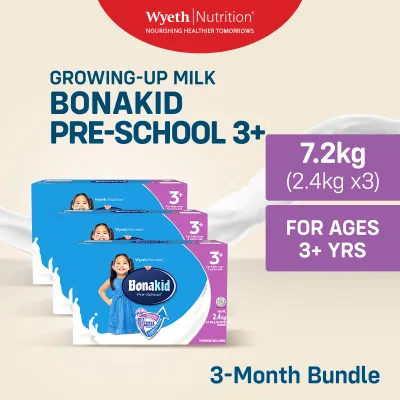
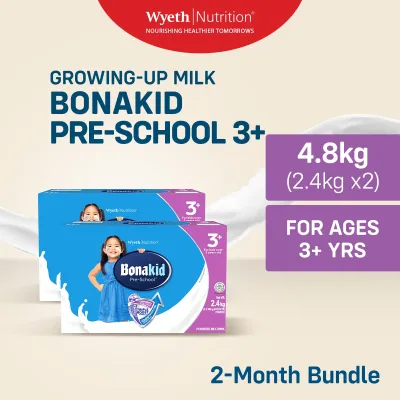
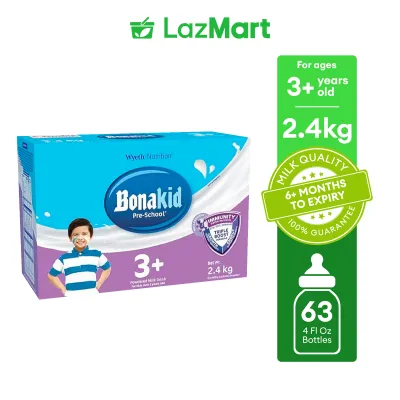
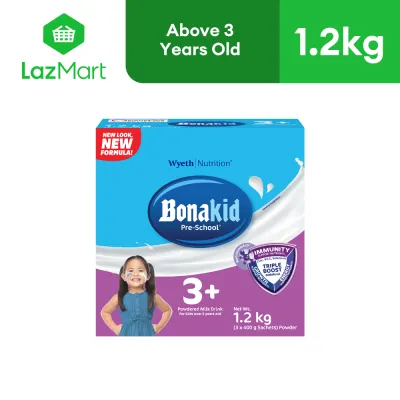
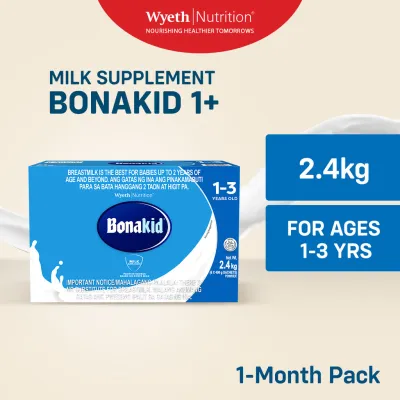
Prices are valid at publication and may change. Please refer to the product page for the latest price.
Bonakid 3+ This brand is frequently positioned to support a child’s immune system and physical growth. You will often see mentions of prebiotics (like FOS), which are meant to support a healthy digestive system, along with key vitamins and minerals like Zinc, Vitamin C, and Iron. The overall message is geared towards helping keep your active toddler strong and resilient.
Nido Nido is a household name in the Philippines and is often presented as a reliable choice for general, all-around nutrition. Its formulation typically emphasizes a broad spectrum of essential vitamins and minerals to support a child’s daily needs. Common highlights include nutrients for bone health (like Calcium and Vitamin D), energy, and overall development, making it a staple choice for many families.
Enfagrow Enfagrow consistently focuses its message on brain and cognitive development. It is well-known for highlighting its DHA content, an omega-3 fatty acid important for brain and eye development. Along with DHA, you may see mentions of other nutrients like ARA and choline. This brand appeals to parents who are specifically looking to supplement their child’s diet with nutrients linked to learning and mental growth.
It’s crucial to remember that formulations can change. Before purchasing, always check the physical product’s label or the manufacturer’s official website for the most current and accurate list of ingredients and nutrient quantities. What’s in a formula last year might not be exactly the same today.
Taste Acceptance and Preparation Tips
A nutritious milk is only effective if your child is willing to drink it. Toddlers can be notoriously picky eaters, so taste and texture are practical considerations you can’t ignore. Each brand has a distinct flavor profile that may or may not appeal to your little one.

Flavor profiles can range from plain and milky to sweeter vanilla or chocolate options. The level of sweetness, creaminess, and any potential aftertaste varies significantly between Bonakid 3+, Nido, and Enfagrow. What one child loves, another may refuse. To avoid committing to a large, expensive tin that your child won’t drink, it’s a smart strategy to buy the smallest available size first, like a sachet or a small trial box.
Proper preparation is also key to both taste and nutritional integrity. Always follow the preparation instructions on the packaging to the letter. Use the exact scoop provided and measure the water-to-powder ratio carefully. Using too little or too much powder can alter the nutrient concentration and may even lead to digestive issues. Water temperature is also important; some powders dissolve better in lukewarm water. Look for common issues like clumping, which can be frustrating. A well-dissolving powder makes for a smoother, more pleasant drink and ensures your child gets all the nutrients in each serving.
Evaluating Price and Accessibility in the Philippines
For most families, budget is a major factor in choosing a daily consumable like toddler milk. Looking only at the shelf price of a large tin can be misleading. A more effective way to compare costs is to calculate the price per serving.
To do this, check the label for the recommended serving size (in grams) and the total weight of the package. Divide the total weight by the serving size to find out how many servings are in one container. Then, divide the total price by the number of servings. This will give you a clear cost-per-glass that allows for a true apples-to-apples comparison, as serving sizes and powder density can differ between brands.
In the Philippine market, these three brands generally occupy different price tiers:
- Enfagrow is typically positioned as a premium brand, and its price often reflects its focus on specialized nutrients like DHA. You are paying for the brand's research and development focus on cognitive health.
- Nido is a mass-market staple, widely accessible and generally priced in the mid-range. Its broad availability in supermarkets, sari-sari stores, and pharmacies makes it a convenient and popular choice.
- Bonakid 3+ is often seen as a competitive mid-tier or value-focused option, offering specific benefits like immune support at a price point that can be more budget-friendly than premium brands.
These milks are available at all major supermarkets, drugstores like Mercury Drug and Watsons, and through official brand stores on major online shopping platforms. Keep an eye out for legitimate sales, bundle deals, or subscription programs offered by official retailers, which can help manage the cost over time. Always check the expiration date, especially when buying on sale.
Decision Framework: How to Choose the Right Brand
With the nutritional, taste, and cost factors in mind, you can use this simple framework to guide your decision. Match your primary concerns with the brand that best aligns with them, always remembering to get your pediatrician’s approval.
Choose Bonakid 3+ if… Your main priority is supporting your toddler’s immune system and physical activity. You are looking for a brand that highlights nutrients like prebiotics and zinc, and you need an option that offers strong value and fits comfortably within your household budget.
Choose Nido if… You are seeking a trusted, all-around nutritional supplement for daily energy and bone health. You value its wide accessibility in nearly every store and your child enjoys its familiar taste. It’s a solid, dependable choice for overall fortification.
Choose Enfagrow if… Your focus is squarely on providing extra support for cognitive and brain development. You prioritize a high level of DHA in your child’s supplemental nutrition and are comfortable with a premium price point to get it.
Neither may be the right fit if… Your child has a known or suspected cow’s milk protein allergy, lactose intolerance, or other specific dietary restrictions. In these situations, all three of these standard milk-based formulas are likely unsuitable. Stop and consult your pediatrician or a pediatric dietitian immediately. They can diagnose the issue and recommend specialized formulas, such as hypoallergenic, soy-based, or other plant-based alternatives that meet your child’s unique health requirements.
Ultimately, remember that toddler milk is designed to complement a balanced diet of solid foods. It fills potential nutritional gaps, but it shouldn’t replace meals rich in fruits, vegetables, proteins, and whole grains.
Frequently Asked Questions (FAQ)
When should I transition my child from infant formula to toddler milk?
Infant formula is specifically designed for the nutritional needs of babies from 0 to 12 months old. Toddler milk, often labeled as Stage 3 or 4, is intended for children over one year of age, with many like Bonakid 3+ being for children 3 years and older. The transition should be based on your child’s developmental readiness and age. Always check the specific age recommendation on the product packaging and, most importantly, consult your pediatrician. They can confirm if your child is ready for the switch and that their nutritional needs are being met.
Can I mix different brands or stages of toddler milk together?
It is strongly advised not to mix different brands or stages of formula in the same bottle. Each product is formulated with a precise balance of nutrients, and the preparation instructions, like the powder-to-water ratio, are specific to that unique formula. Mixing them can result in an imbalanced feeding, providing either too much or too little of certain nutrients, which could potentially lead to digestive upset or other health issues. For safety and nutritional accuracy, stick to one brand and stage at a time and prepare it exactly as instructed.
Is toddler milk necessary if my child already eats a balanced diet?
Toddler milk is a nutritional supplement, not a necessity for every child. If your toddler is a good eater and consumes a wide variety of nutrient-dense foods—including dairy, proteins, fruits, vegetables, and grains—they may be getting all the nutrients they need from their diet. In this case, they might be ready to transition to regular fresh or whole milk. However, for picky eaters or children with specific nutritional gaps, toddler milk can be a useful tool. The best course of action is to discuss your child’s complete diet with a pediatrician to determine if a supplement is needed.

Community discussion
Share your experience or ask a question. Comments are reviewed before publication.