
Choosing the right preschool milk for your child in the Philippines is a decision that often leaves parents standing in the supermarket aisle, comparing boxes of Bonakid 3 Plus, Nido, and Enfagrow. There is no single “best” formula milk for every preschooler; the right choice depends entirely on your child’s specific dietary gaps, taste preferences, and your household budget. Because nutritional formulations, ingredient lists, and prices frequently change, relying on marketing slogans is rarely enough. Instead, making an informed decision requires looking closely at the product labels, calculating the actual cost per serving, and understanding how each option fits into your child’s daily diet.
As children reach the age of three, their nutritional needs shift. They become more active, their cognitive development accelerates, and their immune systems face new challenges as they interact more with other children. While a balanced diet of solid foods should always be the primary source of nutrition, preschool milk can serve as a practical safety net to fill in potential nutritional gaps. By learning how to critically compare these three prominent brands, you can select a milk that supports your child’s growth without overstretching your family budget.
Setting the Baseline: Nutritional Needs for Preschoolers
Before comparing specific brands, it is essential to understand what a child between the ages of three and five actually requires from their daily diet. During this preschool stage, rapid bone growth and muscle development demand a steady intake of essential minerals and macronutrients. Calcium and Vitamin D work in tandem to build strong bones and teeth, while iron is critical for healthy blood development and cognitive function. Protein serves as the fundamental building block for muscles and tissues, supporting the physical milestones your child reaches daily.
Products mentioned in this guide
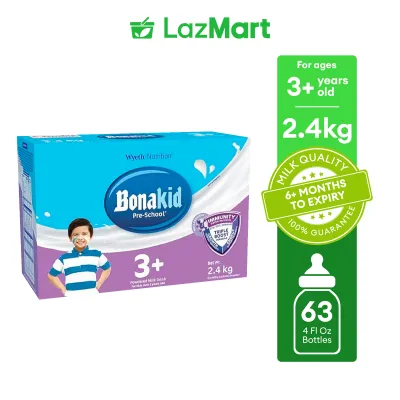
Prices are valid at publication and may change. Please refer to the product page for the latest price.
Brain development also remains a high priority during these formative years. Healthy fats, including essential fatty acids, play a vital role in supporting the structure of the brain and nervous system. At the same time, parents must be cautious about the intake of added sugars. High sugar consumption in early childhood can lead to tooth decay, unhealthy weight gain, and a preference for overly sweet foods, which can disrupt their appetite for nutritious solid meals.
It is important to remember that preschool milk is classified as a nutritional supplement rather than a total dietary replacement. If your child is already consuming a diverse, well-balanced diet consisting of fruits, vegetables, whole grains, and lean proteins, their nutritional requirements may already be fully met. In such cases, milk serves as a convenient complement rather than a strict necessity. If you suspect your child has significant nutritional deficiencies or is an extremely picky eater, consulting a pediatrician is the best first step to determine if a specialized formula is required.
Comparing the Formulations: What to Look for on the Label
When evaluating Bonakid 3 Plus, Nido, and Enfagrow, the most reliable source of information is the nutrition facts panel and the ingredient list printed on the packaging. Marketing terms on the front of the box can be misleading, but the regulatory label on the back provides the exact breakdown of what your child will consume. To make an objective comparison, you should focus on three primary categories: cognitive support, immunity and bone health, and the types of carbohydrates used.

To assess brain and eye support, look closely at the label for ingredients like Docosahexaenoic Acid (DHA), Arachidonic Acid (ARA), and Lutein. DHA is an omega-3 fatty acid that supports brain development, while Lutein is an antioxidant associated with eye health. When comparing these brands, do not simply look for the presence of these terms; check the exact milligrams (mg) per serving listed in the nutrition facts table. Keep in mind that the effectiveness of these ingredients depends on the overall balance of your child’s diet.
For immunity and bone health, compare the percentages of the Recommended Energy and Nutrient Intakes (RENI) provided by each serving. Look for the specific levels of Calcium, Vitamin D, Zinc, and Vitamin C. Zinc and Vitamin C are crucial for maintaining a robust immune system, helping your child fight off common schoolyard illnesses. Calcium and Vitamin D must be present in adequate ratios to ensure proper absorption.
The carbohydrate section of the ingredient list is equally critical. Parents should carefully inspect the label for added sugars, which may appear under names such as sucrose, corn syrup solids, maltodextrin, or fructose. While lactose is the naturally occurring sugar found in milk, added sweeteners are often used to enhance flavor. Checking the order of ingredients is highly useful, as ingredients are listed in descending order by weight. If an added sugar appears near the top of the list, that product may contribute more to your child’s daily sugar intake.
Evaluating Cost, Value, and Practicality
While nutritional content is paramount, the practical and financial aspects of daily milk preparation are major factors for Filipino households. To determine the true cost of each formula, you should avoid comparing the retail price of the boxes directly. Instead, calculate the price per serving. To do this, look at the packaging to find the total net weight in grams and the recommended serving size (usually expressed in grams or scoops). Divide the total net weight by the serving size to find the number of servings per pack, then divide the retail price in ₱ by that number of servings. This simple calculation reveals the actual daily cost of feeding.
The packaging format also plays a significant role in both cost-efficiency and freshness. Most brands offer their products in either tin cans or cardboard boxes containing foil refill pouches. Tin cans generally provide superior protection against tropical humidity, pests, and moisture, keeping the powder fresh for longer periods. However, refill pouches are typically more economical. Many parents choose to purchase a tin can once and then buy refill pouches to transfer the powder into the clean, airtight can, balancing cost savings with practical storage.
Finally, consider the daily preparation factors, such as mixing instructions, scoop sizes, and solubility. Some powders dissolve quickly in lukewarm water, while others may require vigorous shaking or warmer temperatures to prevent clumping. A powder that clumps easily can lead to wasted product and inaccurate dosing, which affects the nutritional value of the drink. Checking the manufacturer’s instructions on the back of the pack will help you understand the exact water-to-powder ratio required, ensuring you can prepare each cup easily and accurately during busy mornings.
Decision Framework: Which Milk Fits Your Child Best?
Choosing between these three popular options requires matching your child’s unique physical needs and your household’s practical constraints to the verified information on the product labels. Because every child is different, the ideal choice will vary from one family to another.
You might choose Bonakid 3 Plus if your primary goal is to find a budget-friendly option that provides a solid baseline of essential vitamins and minerals. If its calculated price per serving fits comfortably within your monthly household budget, and your child enjoys its specific flavor profile, it can serve as an excellent everyday supplement to a balanced diet. It is particularly suitable for active preschoolers who already eat a relatively diverse range of solid foods but need a reliable source of calcium and iron.
You might choose Nido if you are looking for a widely available, family-trusted brand that focuses heavily on immune support and digestive health. If the label indicates a macronutrient profile and specific ingredients—such as prebiotics or probiotics—that align with your child’s digestive needs, Nido offers a practical balance of value and targeted nutrition. Its widespread availability in local supermarkets and retail stores across the Philippines also makes it highly convenient for busy parents.
You might choose Enfagrow if your child requires a highly specialized nutritional profile, particularly regarding brain development nutrients like DHA. If your pediatrician has recommended a formula with specific micronutrient levels or if your child is transitioning from a premium toddler formula, Enfagrow’s label may offer the precise formulation you need. While it often carries a higher price per serving, the investment may be justified if your child has specific dietary gaps that require a more concentrated nutrient blend.
Before making any final decision or switching brands, it is vital to verify your child’s health status. If your child has a history of lactose intolerance, milk protein allergies, or any other medical dietary restrictions, do not introduce a new preschool milk without professional guidance. Always consult a pediatrician to discuss your child’s growth chart and ensure that the chosen formula is safe and appropriate for their developmental stage.
Frequently Asked Questions (FAQ)
Can I mix these formula milks with regular fresh milk?
It is generally not recommended to mix powdered preschool formula with liquid fresh milk unless specifically instructed by a healthcare professional. Combining the two can significantly alter the nutrient concentration and caloric density of the drink, potentially leading to excessive nutrient intake or digestive strain on your child’s developing stomach. Additionally, mixing different milk types can make it difficult to track your child’s actual intake of specific vitamins and minerals. For safe preparation, always follow the manufacturer’s instructions by mixing the powdered milk with clean, safe drinking water at the recommended temperature.
How do I transition my child from toddler milk to preschool milk?
To transition your child smoothly and avoid digestive upset or flavor rejection, use a gradual mixing strategy over a period of five to seven days. On days one and two, prepare the bottle or cup using three-quarters of the old toddler milk and one-quarter of the new preschool milk. On days three and four, adjust the ratio to equal parts of both milks. By days five and six, use one-quarter of the old milk and three-quarters of the new milk, before moving entirely to the preschool milk on day seven. During this transition, closely monitor your child for any signs of intolerance, such as changes in stool consistency, skin rashes, or unusual fussiness, and consult your pediatrician if any adverse reactions occur.
What should I do if my child refuses the taste of a new milk?
If your child rejects the taste of a new preschool milk, avoid forcing them to drink it, as this can create negative associations with feeding time. Instead, try adjusting the serving temperature, as some children prefer their milk slightly warm while others prefer it chilled. You can also offer the milk in a fun, colorful cup to make the experience more appealing. If the refusal persists, do not add sugar, chocolate syrup, or other sweet flavorings to force consumption, as this increases their daily sugar intake unnecessarily. Instead, focus on offering alternative calcium-rich foods like yogurt, cheese, or green leafy vegetables, and speak with your pediatrician to address any ongoing dietary concerns.

Community discussion
Share your experience or ask a question. Comments are reviewed before publication.