
Selecting the right toddler formula for your growing child is a highly individualized decision. There is no single “best” option among Bonakid 1-3, Nido 3+, and Enfagrow A+; the ideal choice depends entirely on your toddler’s unique nutritional requirements, digestive tolerance, and your family’s household budget. Rather than relying on front-of-pack marketing claims, you can make an informed choice by comparing the actual nutrition facts panels, calculating the true cost per serving, and observing how your child responds to the taste and ingredients. By establishing a clear baseline of your child’s dietary needs, you can systematically decode these labels and apply a practical, condition-based framework to select the most suitable growing-up milk.
Understanding Your Toddler's Nutritional Baseline
Toddler formulas and growing-up milks are designed to serve as a supplement to a diversified solid food diet, not as a complete replacement for balanced meals. As children transition to solids, they should ideally obtain the majority of their daily calories and macronutrients from a variety of whole foods, including fruits, vegetables, grains, and proteins. Fortified milk drinks act as a nutritional safety net rather than the primary source of sustenance.
During this transitional stage, toddlers frequently experience nutritional gaps due to picky eating habits, food preferences, or limited dietary variety. Common deficiencies often involve essential micronutrients such as iron, calcium, vitamin D, and zinc, which are critical for rapid physical and cognitive development. Identifying these specific gaps in your child’s daily food intake is the first step in choosing a formula that offers the right fortification.
Products mentioned in this guide
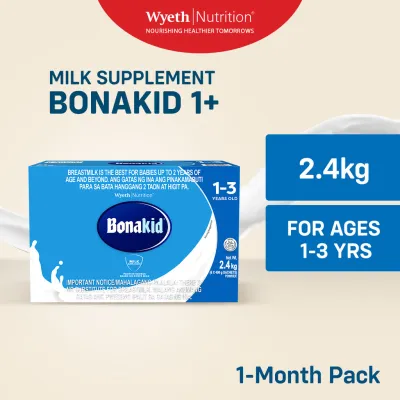
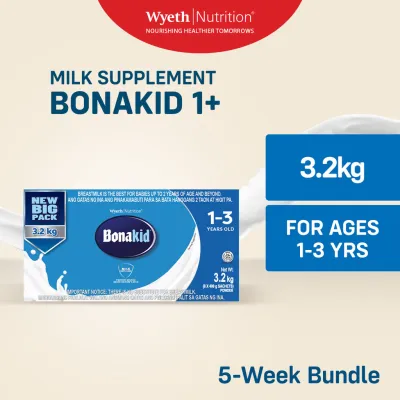
![[ONLINE EXCLUSIVE] BONAKID 1+ Stage Three Milk Supplement Powder for 1-3 Years Old (4Kgx2) Big Pack](https://img.lazcdn.com/g/p/e7e872d07283be5129f5cc0e37c3c1a3.jpg_400x400q80.jpg_.webp)
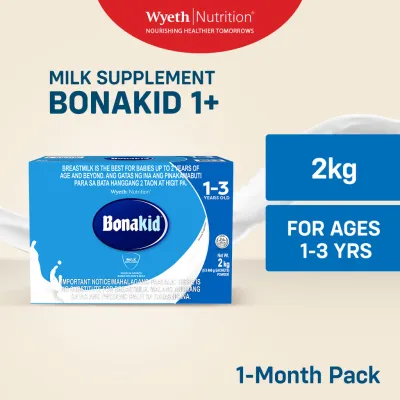
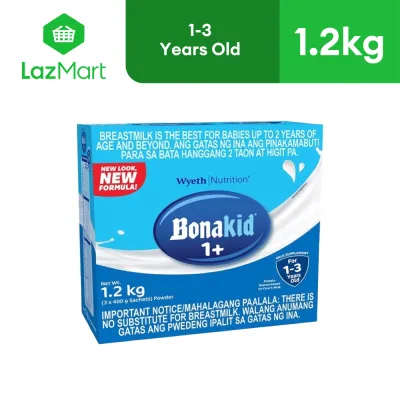
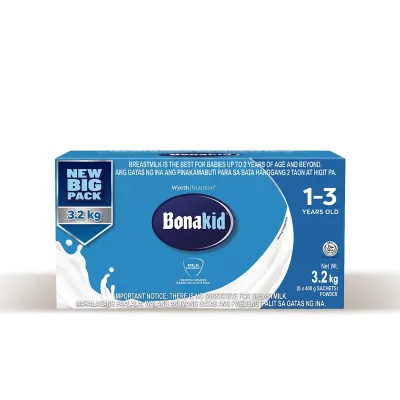

Prices are valid at publication and may change. Please refer to the product page for the latest price.
Before selecting or switching to any growing-up milk, always consult your pediatrician to evaluate your child’s growth chart and overall development. A healthcare professional can help determine whether your child requires a standard commercial toddler formula, a highly fortified milk drink, or a specialized therapeutic formulation. This professional guidance ensures you do not overlook underlying health needs or feed your child an inappropriate formulation.
Comparing the Formulas: What to Check on the Label
To make an accurate comparison between Bonakid 1-3, Nido 3+, and Enfagrow A+, you must look beyond the brand name and evaluate the physical nutrition facts panel. Start by checking the serving size and the total servings per container to standardize your comparison. Because different brands use different scoop sizes and packaging volumes, calculating the nutrient values based on a standardized weight (such as per 100 grams or per 100 milliliters of prepared milk) is the most reliable method.

Always verify that the product is specifically formulated for your child’s exact age group and development stage. For example, Bonakid 1-3 is designed for toddlers aged 1 to 3 years, whereas Nido 3+ is formulated for children aged 3 years and older. Feeding a toddler a formula meant for an older age bracket, or vice versa, can lead to nutritional imbalances, so you must carefully read the manufacturer’s age recommendations and warnings on the packaging.
Because manufacturers frequently update their recipes, ingredient sources, and nutrient concentrations, product formulations are highly dynamic. Never rely on older reviews or outdated online guides to make your decision. Always inspect the physical label of the specific tin or box you intend to purchase to verify the current ingredients, allergen warnings, and preparation instructions.
Macronutrients and Energy Density
Begin your label comparison by examining the energy density, which is listed as calories or kilocalories per serving. Ensure the caloric value aligns with your toddler’s daily energy requirements without being so high that it reduces their appetite for solid foods. A formula that is too filling may discourage your child from participating in family mealtimes, which are crucial for developing healthy eating habits.
Next, compare the protein content and the specific protein sources listed in the ingredient deck. Look for whether the formula utilizes standard cow’s milk protein, whey-dominant blends, or partially hydrolyzed proteins, as the structure of these proteins can significantly affect how easily your toddler digests the drink. Note the total grams of protein per serving to ensure it meets but does not excessively exceed your child’s daily requirements.
Finally, evaluate the fat content and the types of lipids used in the formulation. Check the ingredient list for essential fatty acids and note whether the fats are derived from milk fat, vegetable oil blends, or specialized lipid sources. Fats are essential for brain development and energy absorption in young children, making the quality of the fat blend an important point of comparison.
Key Micronutrients for Growth and Immunity
Scan the micronutrient section of the label to compare the percentages of daily recommended values for iron and calcium. Iron is vital for healthy cognitive development and preventing anemia, while calcium supports strong bone and tooth formation. Compare these values across the three brands to see which product best addresses the specific nutritional gaps identified by your pediatrician.
Many premium toddler formulas highlight brain-development nutrients such as DHA, ARA, and lutein on their front packaging. Rather than accepting these marketing highlights at face value, turn the container around to verify the exact declared amounts of these nutrients per serving on the nutrition facts panel. This allows you to confirm whether the formula contains a meaningful amount of these ingredients to support your child’s development.
For immune support, check the declared levels of Vitamin C, Vitamin D, and Zinc on the label. If your toddler has limited exposure to sunlight or struggles to eat zinc-rich foods like meat and legumes, selecting a formula with robust levels of these specific micronutrients can help support their natural defenses.
Added Sugars, Flavorings, and Ingredients
Carefully read the ingredient list to identify any added sugars, which may be listed under names such as sucrose, corn syrup solids, maltodextrin, fructose, or lactose. Ingredients are listed in descending order by weight, so checking the position of these sugars will help you understand how much sweetening has been added to the powder. Minimizing added sugars is highly recommended to protect your toddler’s developing teeth and prevent a preference for overly sweet tastes.
Compare the flavor variants available for each brand, noting that options like vanilla or chocolate often contain higher levels of added sugars and artificial flavorings than plain versions. Opting for a plain, unflavored variant helps your toddler develop a palate that appreciates natural food flavors, making it easier to transition them to standard fresh milk and diverse solid foods later on.
Additionally, check the label for digestive support ingredients such as prebiotics (like FOS and GOS) or active probiotics. These ingredients can assist in maintaining a healthy gut microbiome, which is essential for comfortable digestion and regular bowel movements. If your child is prone to constipation or digestive sensitivity, the presence of these fibers and beneficial bacteria can be a key deciding factor.
Budget and Value: Calculating the Real Cost
To determine the true financial impact of each formula on your household budget, do not rely solely on the retail shelf price. Calculate the cost per serving by dividing the retail price of the container in ₱ by the total number of servings stated on the nutrition label. This simple calculation reveals the actual cost of feeding, allowing you to compare a budget-friendly option like Bonakid 1-3 directly against premium alternatives like Enfagrow A+ on an equal footing.
Prices can vary significantly depending on where and how you shop, especially in tropical regions where shipping and storage costs affect retail pricing. Compare prices across multiple authorized retail channels, including physical supermarkets, official brand stores, and reputable online marketplaces. Purchasing from authorized sellers ensures you receive authentic, properly stored products while allowing you to take advantage of bulk discounts or loyalty rewards.
To estimate your realistic monthly expenditure, multiply the calculated cost per serving by the number of servings your toddler consumes daily, which is typically two to three cups as recommended by manufacturers or pediatricians. Projecting this cost over a 30-day period helps you choose a formula that is financially sustainable for your family over the long term, ensuring you do not have to abruptly switch brands due to unexpected costs.
Digestion, Taste, and Practical Considerations
Every toddler’s digestive system is unique, and a formula that works perfectly for one child may cause discomfort in another. When introducing or switching to a new brand, closely monitor your toddler for signs of digestive sensitivity. Watch for changes in stool consistency, excessive gas, abdominal bloating, or unusual fussiness after feeding, and be prepared to stop use if these symptoms persist.
Because toddlers can be highly sensitive to taste and texture, committing to a large, expensive tin immediately can lead to unnecessary waste if your child rejects it. Suggest purchasing smaller boxes, travel packs, or single-serve sachets first to test your toddler’s acceptance of the flavor and texture before investing in bulk quantities.
Consider the practical aspects of daily preparation, particularly in warm, humid tropical climates where moisture can cause milk powder to clump or spoil quickly. Evaluate the powder’s solubility, noting whether it dissolves easily in room-temperature water or requires specific warm water temperatures to prevent clumping. Additionally, assess the packaging design, such as the presence of a secure tin lid and a hygienic scoop leveler, which help maintain product freshness and safety.
Decision Framework: Which Formula Fits Your Child?
To make your final decision, apply a structured, condition-based framework that matches the formula to your child’s specific needs. Choose a formula with higher declared levels of iron or calcium if your pediatrician has identified a specific nutritional gap in your toddler’s diet. If your primary goal is to minimize overall sugar intake and protect your child’s dental health, prioritize plain variants that list milk solids as the primary ingredient without added sucrose or corn syrup solids.
Verify first with a qualified healthcare professional if your child has a history of cow’s milk protein allergy, lactose intolerance, or any underlying metabolic conditions. Standard growing-up milks like Bonakid 1-3, Nido 3+, and Enfagrow A+ are formulated for healthy toddlers and are not suitable substitutes for specialized, hypoallergenic, or lactose-free medical formulas.
Ultimately, the formula you select must serve as a supportive partner to your child’s solid food journey. If your toddler continues to experience persistent feeding difficulties, slow weight gain, or digestive issues, stop using the product and consult a qualified healthcare professional for personalized guidance.
Frequently Asked Questions (FAQ)
Can I mix two different toddler formula brands in one bottle?
Mixing two different toddler formula brands or stages in a single bottle is generally discouraged by pediatricians and manufacturers. Each brand has a unique nutrient concentration and a specific powder-to-water preparation ratio designed to ensure proper hydration and nutrient absorption. Combining them can alter these precise ratios, potentially leading to digestive strain, constipation, or inadequate nutrition. To ensure your child’s safety, always prepare each formula separately according to the exact instructions on its respective label.
How do I safely transition my toddler to a new formula brand?
To safely transition your toddler to a new formula brand, use a gradual step-by-step approach over several days to allow their digestive system to adapt. You can begin by replacing one feed a day with the new formula, slowly increasing the frequency over a week, or gradually mixing the prepared formulas in separate cups before serving. Throughout this transition, watch closely for signs of intolerance, such as severe diarrhea, vomiting, skin rashes, or extreme irritability. If any of these symptoms occur, stop the transition immediately and consult your pediatrician.

Community discussion
Share your experience or ask a question. Comments are reviewed before publication.