
Quick Answer: Navigating Formula Choices for Lactose Sensitivity
Finding the right formula for a baby experiencing digestive discomfort can feel overwhelming, especially when navigating the differences between popular options like Bona Low Lactose, NAN, and Enfagrow. The most suitable choice for your infant depends entirely on their specific digestive tolerance, their exact developmental stage, and a professional pediatric assessment. There is no single formula that works universally for every infant.
When dealing with suspected lactose sensitivity, parents must carefully verify the physical product packaging of each tin, as standard variants of these brands typically contain lactose. Before making any changes to your baby’s diet, consulting a pediatrician is an essential first step to rule out other underlying conditions and ensure your baby receives the correct nutritional support.
Recognizing Lactose Sensitivity in Babies (0-12 Months)
It is common for infants to experience occasional gas or fussiness as their digestive systems mature, but persistent symptoms may point to lactose sensitivity. Parents should observe their baby closely after feedings for signs such as excessive bloating, loud stomach rumbling, frequent passing of gas, and crying or pulling their legs up to their chest in discomfort. Stool consistency can also provide clues; lactose-sensitive infants may have loose, watery, or slightly green stools that appear frothy and have a distinctively sour odor.
Products mentioned in this guide
Prices are valid at publication and may change. Please refer to the product page for the latest price.

However, it is crucial to distinguish temporary lactose sensitivity from other digestive issues. For instance, temporary lactose overload can occur when a baby receives a high volume of lactose that temporarily overwhelms their natural lactase enzymes, often resolving on its own as the gut matures. This is different from a cow’s milk protein allergy (CMPA), which is an immune system response to the proteins in milk rather than a difficulty digesting milk sugars. True lactose intolerance—a genetic inability to produce lactase—is extremely rare in infants under 12 months old.
Because these conditions require entirely different management strategies, self-diagnosing is highly discouraged. Parents must stop using trial-and-error methods and seek immediate pediatric evaluation if their baby exhibits severe warning signs. These include blood or mucus in the stool, poor weight gain or weight loss, persistent vomiting, or signs of severe dehydration such as dry diapers for several hours, lack of tears, or extreme lethargy.
Comparing Bona Low Lactose, NAN, and Enfagrow: What to Check on the Label
When comparing Bona Low Lactose, NAN, and Enfagrow, you cannot rely on brand names alone. You must physically inspect the tins to understand what each specific variant offers and whether it matches your baby’s age and nutritional needs.
Bona Low Lactose
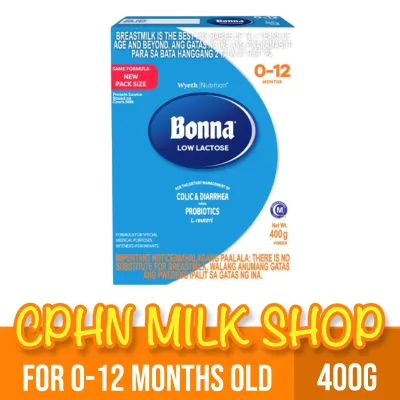
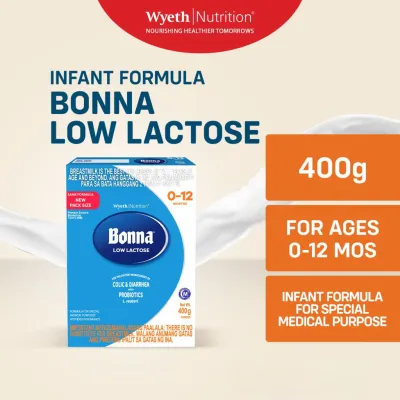
When examining a tin of Bona Low Lactose, your primary task is to verify the exact lactose reduction claim on the nutrition information panel. Look at the carbohydrate breakdown to see how much lactose has been reduced and what alternative carbohydrate sources, such as maltodextrin or corn syrup solids, have been introduced to maintain the formula’s energy content. Additionally, you must ensure that the specific stage of the formula matches your baby’s age. Bona products are typically divided into distinct stages, such as Stage 1 for infants aged 0 to 6 months and Stage 2 for those aged 6 to 12 months. Feeding a baby the wrong stage can lead to nutritional deficiencies or digestive strain.
NAN (Standard vs. Specialized Variants)
It is a common misconception that all NAN formulas are suitable for lactose-sensitive babies. Standard NAN variants, such as NAN Optipro, are formulated with standard lactose as their primary carbohydrate source. If your baby requires a low-lactose or lactose-free diet, you must search for specialized variants, such as NAN Sensitive or NAN AL. When holding these specialized tins, verify the front label for explicit “low lactose” or “lactose-free” designations. Check the age suitability carefully, as some specialized formulas are designed for specific age brackets within the 0 to 12-month range, while others may require close medical supervision for extended use.
Enfagrow (Standard vs. Specialized Variants)
Enfagrow is a highly visible brand, but parents must exercise extreme caution here. Standard Enfagrow products, such as Enfagrow A+ Four, are formulated specifically for older infants and toddlers, typically starting at 12 months and older. These toddler formulas do not meet the strict nutritional requirements of infants aged 0 to 12 months. If you are considering this brand family, you must look for infant-specific variants under the broader manufacturer line (such as Enfamil or specialized infant versions) that are explicitly labeled for the 0 to 12-month range. Carefully check the lactose content on these infant tins, as standard infant variants still contain full lactose, and specialized low-lactose or lactose-free infant variants must be explicitly identified.
Label Comparison Checklist
To make an informed comparison at your local pharmacy or grocery store, use this quick checklist across the selected tins:
- Age Suitability: Does the label explicitly state it is formulated for your baby's exact age (e.g., 0-6 months or 6-12 months)?
- Carbohydrate Source: Is lactose listed as the primary ingredient, or has it been replaced by maltodextrin, glucose syrup, or corn syrup solids?
- Serving Sizes and Mixing Instructions: Compare the scoop-to-water ratio. Different brands use different scoop sizes, and mixing them incorrectly can cause severe dehydration or undernutrition.
- Expiration Date: Ensure the tin has a clear, unexpired shelf life, especially when buying in bulk.
- Storage Requirements: In warm, humid tropical climates like the Philippines, formula powder can clump or spoil quickly. Check the label for specific storage instructions, ensuring you keep the tin in a cool, dry place and seal the lid tightly after every use.
How to Evaluate Formula Labels and Calculate Value
Reading a formula label requires looking past the marketing claims on the front of the tin and analyzing the ingredient list and nutritional analysis on the back. Ingredients are listed in descending order of weight, meaning the first few ingredients make up the bulk of the formula.
For a lactose-sensitive baby, you want to identify where lactose falls on this list. In standard formulas, lactose, milk solids, or whey protein concentrate are often the first ingredients. In low-lactose or lactose-free formulas, you will see these replaced or supplemented by alternative carbohydrates like maltodextrin, corn syrup solids, or soy protein isolates. If your baby has a confirmed cow’s milk protein allergy rather than simple lactose sensitivity, even lactose-free formulas containing intact milk proteins will cause a reaction, making it vital to check for hydrolyzed proteins.
Beyond nutritional compatibility, managing household expenses requires understanding the true cost of feeding. Comparing the retail price of different tins can be misleading because scoop sizes and net weights vary. To calculate the true cost per serving, use this simple method:
- Find the net weight of the tin (e.g., 400g or 800g) and the weight of a single scoop as indicated in the preparation instructions (e.g., 4.3g).
- Divide the total net weight by the single scoop weight to find the total number of scoops in the tin.
- Determine how many scoops are required for a single standard feeding (e.g., 3 scoops for a 90ml bottle).
- Divide the total number of scoops by the scoops required per feeding to find the total number of servings per tin.
- Finally, divide the retail price of the tin in ₱ by the total number of servings to find the exact cost per feeding.
Additionally, always verify the safety and authenticity of the product. Look for the local Food and Drug Administration (FDA) registration number printed on the packaging. This registration ensures the formula has undergone quality control checks and is authorized for sale in the local market, protecting your baby from counterfeit or unsafe imports.
Decision Framework: Which Formula Should You Try First?
Choosing which formula to introduce first should always be a collaborative decision made with your pediatrician. However, having a structured framework can help you discuss options more clearly during your clinic visit.
- Choose Bona Low Lactose if: Your pediatrician has confirmed that your baby has a mild lactose sensitivity rather than a protein allergy, and you have verified that the specific Bona stage (Stage 1 or Stage 2) matches your baby's exact age. This option is often considered when a moderate reduction in lactose is recommended to ease mild gas and fussiness.
- Choose a specialized NAN variant if: Your doctor recommends a highly specialized, temporary lactose-free protocol to allow your baby's gut to heal after a bout of gastroenteritis, or if they require a strictly lactose-free infant formula. Always ensure the specific NAN tin is labeled for the 0-12 month range.
- Verify first if considering Enfagrow: You must double-check the packaging to ensure the product is not a toddler formula (which is common for the Enfagrow brand). If you find an infant-specific variant from the same manufacturer that is approved for 0-12 months and addresses lactose sensitivity, discuss its suitability with your doctor.
- Neither may fit if: Your baby exhibits signs of cow's milk protein allergy (CMPA), such as blood in the stool, eczema, or persistent vomiting. In this scenario, low-lactose formulas will not resolve the issue, and your pediatrician will need to prescribe an extensively hydrolyzed or amino acid-based formula.
Frequently Asked Questions (FAQ)
Can I mix low-lactose formula with regular formula?
You should never mix low-lactose formula with regular formula in the same bottle unless explicitly instructed to do so by your pediatrician. Each formula is scientifically designed with a precise balance of nutrients, water, and carbohydrates. Mixing different formulas alters this delicate balance, which can lead to digestive distress, improper nutrient absorption, or incorrect caloric intake. Furthermore, introducing regular formula back into the mix reintroduces higher levels of lactose, defeating the purpose of using a low-lactose option to soothe your baby’s sensitive stomach. Always follow the manufacturer’s exact preparation instructions for a single product type.
How long does it take for a baby to adjust to a low-lactose formula?
When transitioning your baby to a low-lactose formula, it typically takes anywhere from a few days to two weeks for their digestive system to fully adjust. During the first few days, you may still observe mild gas or changes in stool consistency as their gut adapts to the new carbohydrate sources. However, if you notice warning signs such as persistent vomiting, worsening diarrhea, refusal to feed, extreme fussiness, or blood in the stool, stop using the formula immediately and consult your pediatrician. These signs indicate that the formula may not be suitable or that there is an underlying issue requiring medical attention.
Is low-lactose formula safe for long-term use?
Low-lactose formulas can be safe for long-term use, but they should only be used under the continuous guidance and supervision of a pediatrician. While these formulas are designed to provide complete nutrition for the 0-12 month developmental stage, your baby’s nutritional needs change rapidly as they grow. Regular check-ups are essential to monitor your baby’s weight gain, height, and overall developmental milestones. Your doctor will help determine if your baby should remain on a low-lactose formula or if their digestive system has matured enough to gradually transition back to a standard formula as they begin consuming solid foods.

Community discussion
Share your experience or ask a question. Comments are reviewed before publication.