
Bolster pillows are not safe for a baby’s unsupervised sleep environment due to serious risks of suffocation, entrapment, and Sudden Infant Death Syndrome (SIDS). While these cylindrical cushions are popular in many households for lounging or decorative purposes, they should never be placed in a crib, bassinet, or any sleeping area where an infant is left unattended. Parents must wait until their child reaches specific developmental milestones—typically after the first year of life—and consult a pediatrician before introducing any pillow. If used during awake hours, strict adult supervision is mandatory to ensure the baby’s safety.
Understanding Sleep Safety and Suffocation Risks
A bare crib is the safest sleep environment for an infant. Safe sleep guidelines recommend a firm, flat mattress covered only by a well-fitted sheet, completely free of soft bedding, loose blankets, bumper pads, toys, and pillows. Introducing any soft object into this space increases the risk of accidental injury or death.
The unique cylindrical shape of a bolster pillow presents specific hazards for a sleeping infant. Because it is long and rounded, a baby can easily roll against it or have the pillow roll over them during the night. If the baby’s face presses against the soft fabric, their airway can be blocked instantly, leading to a dangerous situation.
Products mentioned in this guide


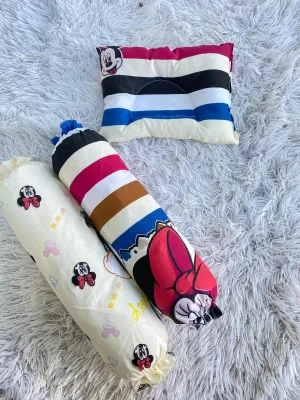


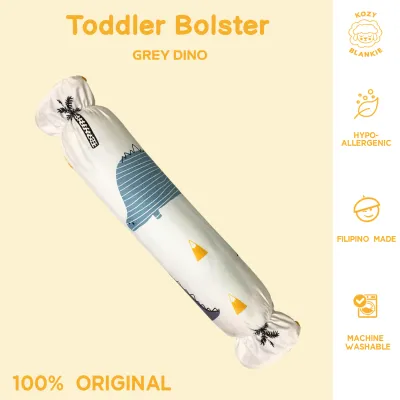
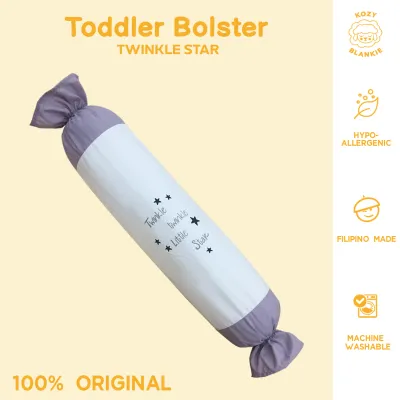
Prices are valid at publication and may change. Please refer to the product page for the latest price.
When a baby’s nose and mouth are covered by soft materials, they may breathe in their own exhaled air. This process, known as rebreathing carbon dioxide, rapidly depletes the baby’s oxygen levels. Infants lack the motor skills, neck strength, or coordination to turn their heads or push a heavy bolster away, making accidental suffocation a silent and rapid threat.
In warm, humid tropical climates like the Philippines, parents might feel tempted to use bolsters to prop babies up, hoping to improve airflow or comfort. However, adding extra cushions actually traps heat and humidity close to the baby’s body, increasing discomfort and sleep safety risks. Keeping the sleep space clear is the most effective way to ensure both safety and comfort.
Checking Recommended Age and Developmental Milestones
Always consult a pediatrician before introducing any pillow, including a bolster, into a child’s sleep routine. Medical professionals generally recommend waiting until a child is at least 12 to 24 months old, as their neck strength and motor skills are much more developed by this stage. Introducing bedding too early can compromise their safety.

Before considering a bolster pillow for any type of use, verify that your child has met key physical milestones. The child must be able to roll over easily in both directions, push objects away from their face, sit up independently, and have full control over their head and neck movements. These abilities are crucial for self-rescue if their airway becomes obstructed.
Do not rely on product packaging or online marketplace descriptions that label bolsters as “suitable for newborns” or “designed for infants.” Marketing terms are not a substitute for medical guidelines, and many commercial products are sold without rigorous safety testing for sleep environments. Always prioritize professional medical advice over retail claims.
Identifying Safe Usage Scenarios Under Direct Supervision
A bolster pillow can be a helpful tool during supervised awake hours. For example, it can assist during tummy time by supporting the baby’s chest, or provide a soft barrier behind them as they practice sitting up on a play mat. These activities help build core strength while keeping the baby engaged.
Whenever a bolster is in use, an adult must maintain continuous, active supervision. This means staying within arm’s reach and keeping eyes on the baby at all times. Simply being in the same room while looking at a phone, watching television, or doing household chores is not sufficient to prevent accidents.
If the baby begins to show signs of sleepiness or falls asleep during supervised play, the caregiver must immediately remove the bolster pillow. Transfer the baby to a safe, flat sleep surface like a crib or bassinet. Never leave a sleeping baby propped up on or next to a bolster, even for a quick nap.
Verifying Essential Safety Features Before Purchase
If you decide to purchase a bolster pillow for supervised awake time or for an older toddler, check the firmness first. Press your hand firmly into the cushion; it should spring back immediately without leaving a deep indentation. A soft, plush surface that allows a baby’s face to sink in is a major suffocation hazard.
Look for covers made from breathable, natural fibers like cotton, which help manage heat and sweat in humid tropical climates. Ensure the zipper is hidden, recessed, or covered by a fabric flap. This design prevents the baby’s skin from getting scratched and eliminates the risk of the zipper tab becoming a choking hazard.
Inspect the product labels for clear age recommendations, weight limits, and manufacturer safety warnings. Be highly skeptical of unverified marketing claims like “100% anti-suffocation” or “SIDS-safe,” as no pillow can guarantee safety in an unsupervised sleep environment. Look for clear instructions on how to wash and maintain the pillow to prevent allergen buildup.
Choose a bolster that is appropriately sized for your child’s developmental stage. A pillow that is too large or heavy can easily pin a baby down if they roll under it, making it impossible for them to move away. The pillow should be lightweight enough that it does not pose an entrapment risk if it shifts during play.
Regardless of the price in ₱, safety features and material quality must always take priority over aesthetic designs. Investing in a well-constructed, firm bolster with a removable, washable cover ensures a hygienic and safer experience for your child during supervised activities.
Recognizing When to Stop Use and Seek Professional Advice
Stop using the bolster immediately if you notice your baby struggling to move, showing signs of restricted breathing, or looking uncomfortable. If the baby constantly rolls off the pillow or gets their limbs tangled around it, it is no longer safe for supervised play. Trust your observations and remove the item.
Regularly inspect the bolster for loose threads, torn seams, or exposed filling. In humid climates, check for signs of mold or mildew that can develop from sweat or spit-up. If the filling is accessible or the fabric is compromised, discard the pillow immediately to prevent choking or inhalation of synthetic fibers.
Parents sometimes use positional pillows to help with conditions like acid reflux or respiratory congestion. However, elevating a baby’s head with a pillow can actually worsen airway obstruction. Always consult a pediatrician for safe, approved medical management strategies rather than attempting to self-treat with bedding accessories.
Frequently Asked Questions (FAQ)
Can a bolster pillow help with baby acid reflux?
Using a bolster pillow or any other cushion to elevate a baby’s head in an attempt to relieve acid reflux is not recommended. Elevating the head on a soft surface can cause the baby’s chin to drop toward their chest, potentially crimping their airway and restricting breathing. It also increases the risk of the baby sliding down into the bedding, leading to suffocation. If your baby suffers from frequent spit-ups or reflux, consult your pediatrician to discuss safe feeding practices, upright holding times, or approved medical treatments.
What is the difference between a bolster pillow and a regular baby pillow?
A bolster pillow is characterized by its long, cylindrical shape, which is traditionally used to provide lateral support, prevent rolling, or act as a comforting huggable cushion. In contrast, a regular baby pillow is typically flat and rectangular, designed to support the head and neck. Despite these structural differences, both types of pillows carry the exact same safety restrictions. Neither should be placed in an infant’s crib or sleep space, and both require the same developmental milestones and pediatrician approval before being introduced for unsupervised sleep.

Community discussion
Share your experience or ask a question. Comments are reviewed before publication.