
Selecting the right feeding tools is a foundational step in your baby’s transition to solid foods. Sourcing your gear from the Bollie Baby official store ensures you receive authentic, food-grade silicone items designed to match your child’s developmental milestones. Rather than relying solely on age, matching tableware and cups to your baby’s physical abilities—such as sitting stability, grasp development, and oral motor control—promotes safer, more successful weaning.
Understanding Your Baby's Weaning Stages and Readiness
Weaning is a dynamic progression that spans several months, typically beginning around six months of age. This journey is generally divided into three main stages: initial tastes, exploratory self-feeding, and independent eating. Each stage represents a distinct shift in how your baby interacts with food, moving from passive swallowing of smooth purees to active manipulation of various textures. Understanding these shifts helps you select tools that support, rather than hinder, your baby’s progress.
Your baby’s physical motor skills dictate the types of tools they require at each milestone. For instance, the transition from a primitive palmar grasp (using the whole hand to scoop objects) to a refined pincer grasp (using the thumb and index finger) changes how they hold utensils. Sitting balance is equally critical; a baby must be able to sit upright with minimal support to maintain a safe airway and swallow solids effectively. If a baby is struggling to stay upright, their focus is diverted from oral coordination to basic balance, increasing the risk of choking.
Products mentioned in this guide
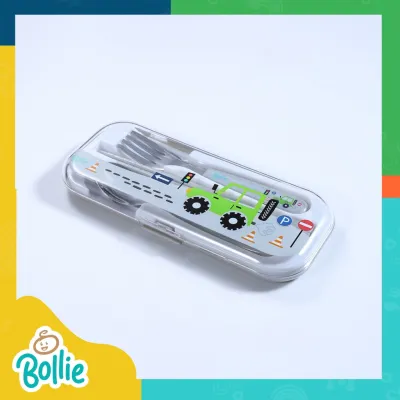
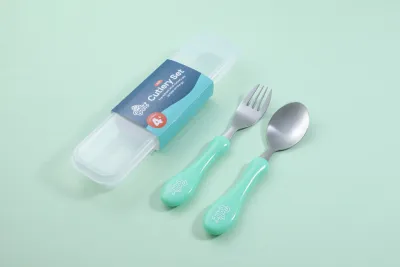
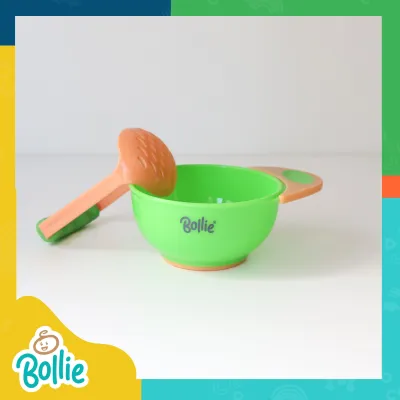
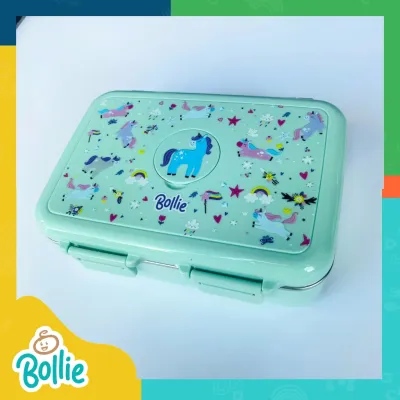
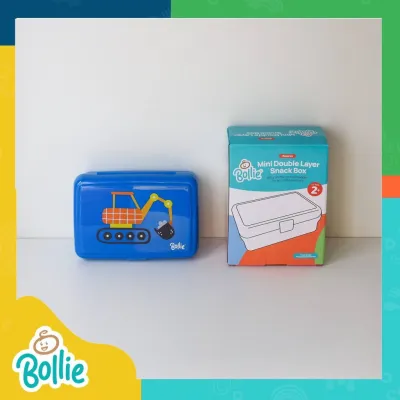
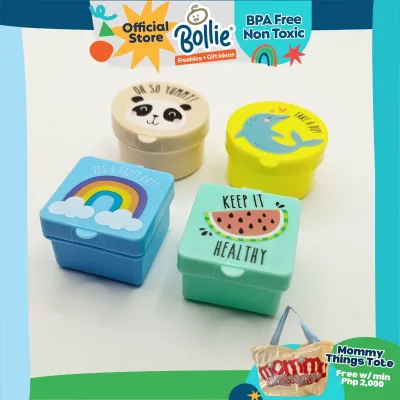

Prices are valid at publication and may change. Please refer to the product page for the latest price.
Oral motor coordination also evolves rapidly during this period. Initially, babies must overcome the tongue-thrust reflex, which naturally pushes solid objects out of the mouth, and learn to move food from the front of the mouth to the back to swallow. As their jaw stability and tongue lateralization improve, they become capable of chewing and managing complex textures. Tableware that is too large or rigid can disrupt this delicate learning process, making ergonomic and soft materials essential.
While age ranges offer a helpful general timeline, they should never serve as rigid rules. Every child develops at their own unique pace, and physical readiness indicators are far more reliable than the calendar. Always consult your pediatrician or a qualified pediatric healthcare professional before introducing solid foods or transitioning to advanced feeding tools to ensure your baby is developmentally ready for each step.
Stage 1: First Tastes and Parent-Led Feeding (Around 6 Months)
The initial phase of weaning focuses on introducing single-ingredient purees and soft mashes. At this stage, feeding is primarily parent-led, as the baby is still learning how to coordinate their lips, tongue, and jaw to swallow non-liquid foods. The goal is sensory exploration and safety, requiring specialized tools that minimize mess and protect delicate oral structures.

In the tropical climate of the Philippines, high humidity can make clean-up a priority to prevent bacterial growth on feeding surfaces. Choosing materials that are easy to wash and dry quickly is essential. Setting up a dedicated, clean feeding space helps establish a consistent routine for your baby while keeping the environment hygienic.
Essential Tableware for Beginners
During the first weeks of weaning, a reliable suction bowl is indispensable for managing purees and soft cereals. Even though parents do most of the feeding at this stage, babies will naturally reach out, swat, or grab at the bowl. A silicone bowl with a strong suction base prevents accidental tipping, keeping the food contained and reducing mealtime stress.
Using food-grade silicone is highly advantageous compared to traditional plastic or ceramic. Silicone is inert, hypoallergenic, and does not chip or shatter when dropped. Unlike plastic, which can develop micro-scratches that harbor bacteria over time, high-quality silicone maintains a smooth, easy-to-sanitize surface even after repeated washes.
Spoons designed for beginners must prioritize safety and comfort. Soft-tipped, shallow silicone spoons are ideal because they protect sensitive, teething gums from accidental impact. The shallow bowl of the spoon ensures that the baby can easily clear the food using their upper lip, which helps them practice the motor skills required for swallowing.
When selecting these initial items, caregivers should check the Bollie Baby official store to verify specific product dimensions. Paying close attention to bowl depth, suction base width, and spoon handle ergonomics will help you choose tools that fit your highchair tray and suit your feeding style.
First Sips: Starter Cups
Alongside the introduction of solid foods, babies can begin learning to sip small amounts of water. This is not for hydration—as breast milk or formula remains the primary source of liquid nutrition—but rather to build oral motor coordination. Introducing a cup early helps familiarise the baby with a drinking mechanism different from sucking on a breast or bottle.
Small, open cups designed for babies are excellent tools for assisted sipping, as they teach the baby to elevate their tongue and seal their lips around a rim. Alternatively, transitional spout cups with a slow, controlled flow rate can help bridge the gap. These cups should feature easy-to-grip handles that allow the baby to practice bringing the cup to their mouth with both hands.
Before purchasing, always verify the manufacturer’s guidelines regarding flow rates, valve mechanisms, and material safety. Ensuring that the cup is designed for beginners helps prevent choking, over-drinking, or fluid entering the airway. Monitor your baby closely during every cup-drinking session to ensure they swallow safely.
Stage 2: Self-Feeding and Texture Exploration (7 to 9 Months)
Between seven and nine months, babies typically show a keen interest in feeding themselves. They begin developing the pincer grasp, allowing them to pick up smaller pieces of food between their thumb and forefinger. This stage is characterized by texture exploration, as purees give way to soft finger foods, mashed combinations, and varied culinary experiences.
As your baby becomes more active at the table, their feeding tools must support their growing independence. Tableware should encourage self-feeding while keeping the inevitable mess manageable for parents.
Upgrading to Divided Plates and Utensils
Transitioning from a simple bowl to a divided plate is a significant step forward in your baby’s weaning journey. Divided plates are excellent for portioning different food groups and keeping textures separate. This separation is particularly beneficial for sensory development, as it allows babies to identify and taste individual ingredients rather than mixed flavors.
Utensils for this stage should be specifically engineered for self-feeding. Look for spoons and forks with short, chunky handles that fit naturally into a baby’s palmar grasp. Forks must have blunt, rounded tines that can safely pierce soft foods without posing a risk of injury to the baby’s mouth or face.
Before using suction plates, parents must verify the suction compatibility with their specific highchair tray. Suction bases require a completely smooth, clean, and non-porous surface—such as smooth plastic, glass, or polished stone—to create a secure vacuum seal. Textured plastic, matte finishes, or unsealed wooden trays will significantly reduce suction effectiveness.
To maximize suction grip, ensure both the suction pad and the highchair tray are completely clean and free of oily residue. A tiny drop of water wiped onto the suction base before pressing it down can sometimes enhance the seal, but checking the manufacturer’s specific instructions is always recommended.
Transitioning to Straw Cups
As oral motor skills advance, introducing a straw cup is highly recommended by pediatric experts. Pediatric dentists and speech-language pathologists often prefer straw cups over traditional hard-spout sippy cups. Drinking from a straw promotes proper tongue retraction, lip sealing, and cheek muscle activation, which are essential oral motor skills that support future speech development.
Weighted straw cups are particularly effective for babies learning this new skill. The weighted ball at the end of the straw ensures that the straw remains submerged in liquid, allowing the baby to drink successfully from any angle, even when tilting the cup. This design reduces frustration and helps reinforce the sucking mechanism.
Because straw cups contain internal valves and flexible straws, parents must supervise their use closely. In humid, tropical environments, these small crevices can easily trap moisture and harbor mold. Regularly disassemble all cup components, inspect them for wear, and clean them thoroughly using specialized straw brushes.
Stage 3: Independent Meals and Active Drinking (10 to 12+ Months)
By ten to twelve months and beyond, toddlers are becoming increasingly skilled at feeding themselves. They are eating larger portions, consuming a wider variety of family meals, and refining their coordination. This stage is marked by a desire for autonomy, and meals often become more social as the child joins the family at the dining table.
Tableware and cups for toddlers must be durable enough to withstand frequent drops while supporting advanced eating techniques.
Advanced Tableware for Toddlers
As portion sizes increase, toddlers require larger divided plates or wider, shallower bowls. These designs provide ample space for a variety of foods and make it easier for the child to scoop up food against the inner rim. The tableware should still feature non-slip properties, but the absolute reliance on heavy suction can gradually decrease as the child’s motor control improves.
Utensils at this stage should transition to designs with slightly longer handles, helping the child practice a mature pencil-like grip. Fork tines should be functional enough to pierce soft-cooked vegetables, pasta, or fruits easily, yet remain safe for independent use.
As your toddler transitions to eating at the regular dining table, you can gradually phase out suction tableware. This helps them learn to stabilize their plate with one hand while using utensils with the other, a key milestone in dining etiquette and motor coordination.
Spill-Proof and Open Cups for On-the-Go
Active toddlers are often on the move, requiring drinking solutions that are both portable and spill-proof. For travel, stroller rides, and outdoor activities, leak-proof straw cups with secure, locking lids are essential. These lids protect the straw from dirt and prevent leaks when the cup is tossed into a diaper bag.
For mealtime at the dining table, introducing 360-degree rim cups or small, weighted open cups is highly beneficial. These cups allow the child to drink from any part of the rim, mimicking an open cup while minimizing spills. This design further promotes mature swallowing patterns, lip sealing, and jaw stability.
When purchasing toddler cups, check the Bollie Baby official store for the availability of replacement parts, such as silicone straws, valves, and gaskets. Because toddlers often bite down on straws, these components wear out faster than the cup body and must be replaced regularly to maintain hygiene and leak-proof performance.
Ensuring Authenticity and Safe Care via the Bollie Baby Official Store
When selecting silicone tableware and cups, ensuring product safety and authenticity is paramount. Sourcing your items directly from the Bollie Baby official store or verified authorized retailers protects your child from counterfeit products. Counterfeit silicone items may contain harmful chemical fillers, plasticizers, BPA, or lead, which can leach into food, especially when heated.
Authentic, high-quality food-grade silicone is inherently durable, heat-resistant, and hygienic, but it requires proper care to maintain its safety standards. Caregivers should establish a consistent framework for cleaning and maintaining silicone gear, always prioritizing the manufacturer’s specific instructions.
- Verify Heat Compatibility: Always inspect the product packaging or the manufacturer's official documentation for specific symbols indicating dishwasher, microwave, and sterilization safety. While premium silicone can withstand high temperatures, some components (such as plastic lids, weighted straw mechanisms, or decorative elements) may have lower temperature limits and can warp or release chemicals if overheated.
- Perform the Pinch Test: To check the quality of your silicone gear, you can perform a simple pinch test. Pinch and twist a flat surface of the silicone product. If the pinched area turns white, it may contain cheap plastic fillers. Pure, high-quality food-grade silicone will retain its consistent color throughout the twist.
- Safe Heating Practices: When heating food in silicone plates or bowls, ensure the item is rated for microwave use. Avoid heating empty silicone vessels, and do not place silicone tableware under direct broiler elements or close to open flames. Always stir heated food thoroughly and check the temperature before serving it to your baby to prevent burns.
- Routine Inspection Checklist: Before every single use, perform a quick physical inspection of all silicone items. Look for signs of wear, such as deep scratches, tears, structural weakness, discoloration, or a sticky texture. Pay close attention to suction bases and straw valves. If any item shows signs of damage or compromised suction, discard it immediately. Damaged silicone can harbor harmful bacteria in deep crevices or present a choking hazard if pieces tear off.
Frequently Asked Questions (FAQ)
When should I introduce a straw cup to my baby?
Most babies are ready to try a straw cup between six and nine months of age. However, readiness is determined by physical milestones rather than age alone. Your baby must be able to sit upright unsupported and demonstrate the coordination required to swallow liquids without choking. If your baby struggles significantly, coughs, or gags frequently when using a straw, pause the introduction and consult your pediatrician or a pediatric speech-language pathologist for personalized guidance.
Are silicone plates safe for microwave heating?
High-quality, food-grade silicone is generally heat-resistant and safe for microwave use. However, you must verify the specific manufacturer’s label on your exact Bollie Baby plate to confirm its microwave-safe certification and maximum temperature limits. Never heat empty silicone plates, and avoid using them under direct broiler elements. Always check the temperature of the food before serving, as silicone can retain heat, and microwave heating can create hot spots in the food.
How do I clean and sterilize silicone tableware effectively?
To clean silicone tableware, wash all parts thoroughly in warm, soapy water using a mild, unscented detergent, then rinse completely. If sterilizing, strictly follow the manufacturer’s instructions, which may allow for boiling or steam sterilization for a specified duration. Avoid using sharp objects, metal scourers, or abrasive brushes, especially on delicate parts like straws, valves, and suction bases, as scratches can harbor bacteria. In the humid climate of the Philippines, it is critical to disassemble all multi-part cups and allow every component to air-dry completely in a well-ventilated area to prevent mold growth.

Community discussion
Share your experience or ask a question. Comments are reviewed before publication.