
Deciding on the right baby bottle involves balancing safety, durability, and daily convenience. For parents evaluating Big Brute bottles, the choice typically comes down to two high-quality materials: borosilicate glass and Polyphenylsulfone (PPSU). Both options serve distinct roles in a baby’s feeding journey, and understanding how they perform under different conditions is key to making an informed decision.
While glass is traditionally favored for its chemical stability and ease of cleaning, PPSU has emerged as a premium medical-grade plastic alternative that offers the durability of plastic with exceptional heat resistance. Your choice will ultimately depend on your baby’s age, whether they are feeding independently, and your preferred sterilization routine. By comparing these materials across practical, everyday scenarios, you can select the bottle type that best fits your family’s lifestyle.
Understanding Big Brute Glass and PPSU Materials
To make an informed choice, it is essential to understand what these materials are and how they are manufactured. Borosilicate glass is a specialized type of glass known for its superior thermal resistance. Unlike standard soda-lime glass, borosilicate glass contains boron trioxide, which allows it to withstand rapid temperature changes without cracking. This material is completely non-porous, meaning it does not absorb odors, colors, or flavors from breast milk or formula, and it maintains its crystal-clear transparency throughout its lifespan.
Products mentioned in this guide
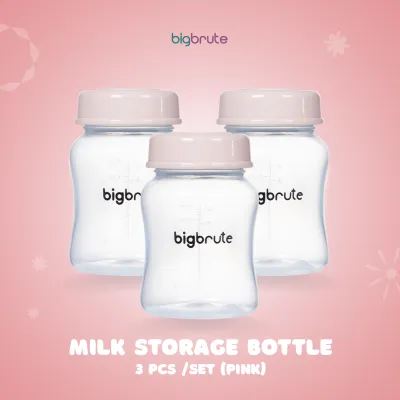
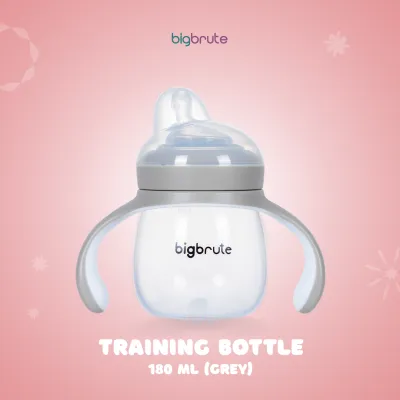
Prices are valid at publication and may change. Please refer to the product page for the latest price.
On the other hand, PPSU (Polyphenylsulfone) is a high-performance, medical-grade polymer that represents the gold standard in plastic baby bottles. It is naturally honey-toned and combines the lightweight convenience of plastic with a high heat-distortion temperature. PPSU can withstand repeated sterilization cycles without degrading, making it significantly more durable than standard polypropylene (PP) or polyethersulfone (PES) plastics. It is highly impact-resistant, meaning it will not shatter or crack when dropped on hard surfaces.
When purchasing Big Brute bottles, caregivers should always inspect the product packaging or official documentation to verify specific material grades. Look for clear indications of BPA (Bisphenol A) and BPS (Bisphenol S) free certifications, as well as specific manufacturer warnings regarding age suitability and usage limits. Because product specifications can change, verifying these details directly on the label ensures you are using the product safely and as intended.
Practical Comparison for Daily Feeding
In the daily rhythm of infant care, the physical characteristics of your baby’s bottle can significantly affect the feeding experience. Weight is one of the most immediate differences you will notice when holding these two options. Glass bottles are inherently heavier, which is rarely an issue when a parent or caregiver is holding the bottle during the early months of infancy. However, as babies grow and attempt to hold the bottle themselves, the weight of glass can become a challenge, potentially causing fatigue or accidental drops.

PPSU bottles offer a distinct advantage in terms of weight and portability. Being exceptionally lightweight, a PPSU bottle is much easier for older infants to grasp and maneuver independently, supporting their motor skill development. Furthermore, the tropical climate and typical home construction in the Philippines—where tiled or polished concrete floors are common—mean that drops are highly likely to result in breakage if you are using glass. PPSU is virtually shatterproof, providing peace of mind when your little one inevitably drops the bottle from a high chair or stroller.
Another practical consideration is the visibility of the contents and measurement markings. Glass bottles maintain pristine clarity over years of use, making it incredibly easy to read the printed volume gradients and monitor how much milk your baby has consumed. While PPSU also offers excellent transparency, its natural honey-colored tint can slightly alter the visual appearance of the milk. Additionally, over months of vigorous cleaning, plastic surfaces are more susceptible to fine scratches from bottle brushes, which can gradually obscure measurement lines and trap milk fat residues if not cleaned thoroughly.
Cleaning, Sterilization, and Maintenance
Keeping feeding equipment clean is a top priority for preventing bacterial infections, especially in warm, humid environments where microbes can multiply rapidly. Glass bottles excel in this area because their non-porous surface resists the buildup of milk fats and proteins. They can be washed repeatedly with standard bottle brushes and dish soaps without retaining soapy smells or the sour odor of leftover milk. Glass is also highly compatible with dishwashers, where the high heat will not warp or degrade the bottle body.
PPSU bottles are also highly resilient when it comes to cleaning, but they require a gentler touch. To prevent micro-scratches on the inner walls of a PPSU bottle, caregivers should use soft silicone brushes rather than stiff nylon bristle brushes. While PPSU is highly resistant to chemical degradation, micro-scratches can become breeding grounds for bacteria and make the bottle harder to sanitize over time.
Sterilization compatibility is another crucial factor to evaluate. Both borosilicate glass and PPSU can withstand high-temperature sterilization methods, including steam sterilizers, boiling water, and UV sterilizers. However, UV light can accelerate the aging process of certain plastics, causing them to become brittle or discolored over time. Always consult the manufacturer’s specific guidelines for temperature limits and recommended sterilization durations. Regularly inspect your bottles for signs of wear: replace PPSU bottles if they become excessively cloudy, sticky, or deeply scratched, and retire glass bottles immediately if you detect any chips or structural weaknesses.
Safety, Temperature, and Handling Precautions
Ensuring safety during feed preparation requires careful handling of both materials, though they present different risks. For glass bottles, thermal shock is the primary concern. Although borosilicate glass is highly resistant to temperature fluctuations, exposing a cold bottle directly to boiling water—or pouring ice-cold milk into a hot, freshly sterilized bottle—can still cause it to crack or shatter. To prevent this, allow glass bottles to cool gradually after sterilization, and warm milk slowly using a bottle warmer or a bowl of warm water.
Heat retention is another area where these materials differ. Glass tends to conduct and transfer heat more rapidly than PPSU. When warming milk, a glass bottle may feel very hot on the outside while the milk inside is still warming up, or conversely, the milk may heat up much faster than expected. PPSU acts as a mild insulator, meaning it may feel warm to the touch while the liquid inside remains hot. Regardless of the material you choose, always shake the bottle gently to distribute heat evenly and drop a small amount of milk onto your inner wrist to verify the temperature before feeding your baby.
Regular safety inspections are vital for preventing injuries. Before every feeding session, run your fingers along the rim, neck, and screw threads of glass bottles to check for micro-cracks or tiny glass shards that can form from tight capping or minor impacts. For PPSU bottles, check for any warping around the neck that could prevent a secure seal with the collar, which can lead to leaks during feeding. If you observe any physical damage, discard the bottle immediately to protect your baby from potential hazards.
How to Choose the Right Big Brute Bottle for Your Baby
Selecting the ideal bottle material comes down to matching the product’s strengths with your family’s daily routine and your baby’s developmental stage. There is no single superior option; instead, many parents find that a combination of both materials works best as their baby grows.
You should choose glass bottles if your baby is still an infant and is always fed by an adult. Glass is also the ideal choice if you prioritize a material that is highly resistant to odors, stains, and scratches, and if you want a bottle that can last through multiple childhoods with proper care. It is perfect for dedicated home use where the risk of dropping the bottle onto hard outdoor surfaces is minimal.
Conversely, you should choose PPSU bottles if you have an active lifestyle, travel frequently, or need to pack bottles for daycare. PPSU is the practical choice once your baby reaches the age where they want to hold the bottle themselves, as its lightweight and shatterproof nature eliminates the safety risks associated with dropped glass.
Before making your final purchase, always verify the specific product details on the Big Brute packaging. Check the recommended age range, ensure the nipple flow rate matches your baby’s developmental stage, and confirm that the bottle’s neck size is compatible with your existing breast pump or sterilization equipment. Taking these steps ensures a seamless and safe feeding experience for both you and your baby.
Frequently Asked Questions (FAQ)
Can I use the same nipples for both Big Brute glass and PPSU bottles?
Nipple compatibility is determined by the neck diameter and design of the bottle rather than the material of the bottle body itself. If both your Big Brute glass and PPSU bottles share the same neck style—such as wide-neck or standard-neck configurations—the nipples and collar rings are typically interchangeable. However, minor manufacturing variations can affect the seal, potentially causing leaks or air venting issues. To ensure a secure, spill-proof fit, always check the manufacturer’s packaging or official product listings to confirm that the nipples are certified for use with your specific bottle model.
How often should I replace PPSU and glass baby bottles?
The replacement schedule depends heavily on the material and how often the bottles are used and sterilized. Glass bottles do not have a set expiration date and can be used indefinitely as long as they remain free of chips, deep scratches, or cracks. However, you must inspect them regularly, especially around the screw threads where friction occurs. PPSU bottles, while highly durable, generally should be replaced every six to twelve months of regular use, or sooner if you observe persistent cloudiness, deep scratches, discoloration, or any deformation from high-heat sterilization. Always follow the specific lifespan recommendations provided by the manufacturer.
Is PPSU safe for boiling water sterilization?
Yes, PPSU is specifically engineered to withstand high temperatures, making it safe for boiling water sterilization. Most high-quality PPSU materials can tolerate temperatures up to 180°C, which is well above the boiling point of water. However, to prevent damage or warping, you must ensure the bottle does not make direct contact with the bottom or sides of the pot, where temperatures can exceed the water’s boiling point. Always consult the specific Big Brute product manual to verify the maximum recommended boiling duration—typically three to five minutes—and any specific precautions to maintain the bottle’s structural integrity.

Community discussion
Share your experience or ask a question. Comments are reviewed before publication.