
Transitioning to sustainable baby care is a highly rewarding decision for environmentally conscious parents in the Philippines. As babies grow more active, traditional tape diapers often become difficult to secure on a wriggling infant, making a washable panty diaper for baby an excellent alternative. These reusable pull-on options offer the ease of a disposable training pant while dramatically reducing household waste and long-term expenses. Finding the perfect balance between eco-friendly values and daily convenience requires understanding how different fabrics, styles, and fits perform under local tropical conditions.
Why Switch to Washable Panty Diapers?
A washable panty diaper is a reusable, pull-up style cloth diaper designed specifically for active, standing babies, older infants, and toddlers entering the early stages of potty training. Unlike traditional cloth diapers that rely on side snaps or hook-and-loop tape fasteners, these diapers feature stretchy, elasticized waistbands that allow caregivers to slide them up and down quickly. This design mimics adult underwear, supporting a natural progression toward independence while keeping up with a baby who refuses to lie still during diaper changes.
From an environmental perspective, the impact of switching to reusable pull-ups is substantial. A single baby can go through thousands of disposable diapers before becoming fully potty trained, contributing tons of non-biodegradable waste to local landfills. By building a reusable stash, you significantly decrease your household’s ecological footprint. Additionally, while the upfront cost of purchasing high-quality cloth diapers can seem high, the long-term savings are remarkable. Over two to three years, parents in the Philippines can save tens of thousands of pesos (‑₱) compared to the recurring cost of premium disposable pull-ups.
Products mentioned in this guide
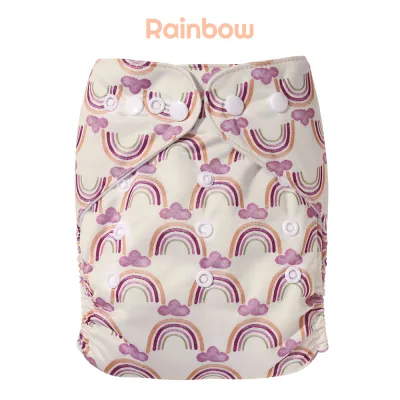
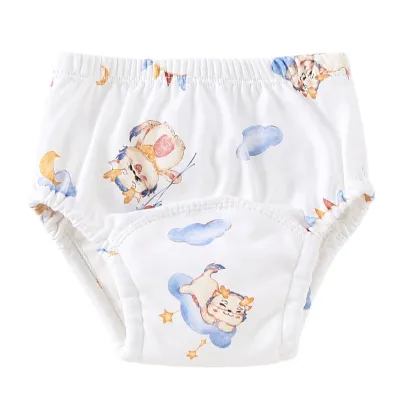
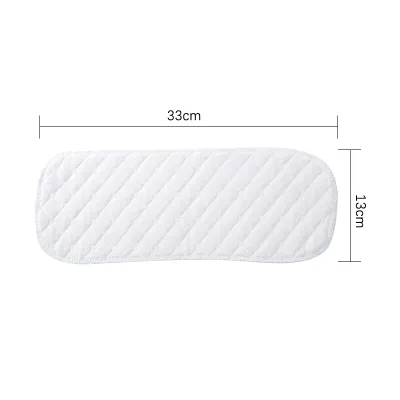
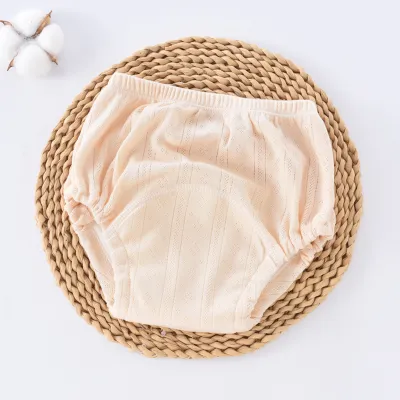
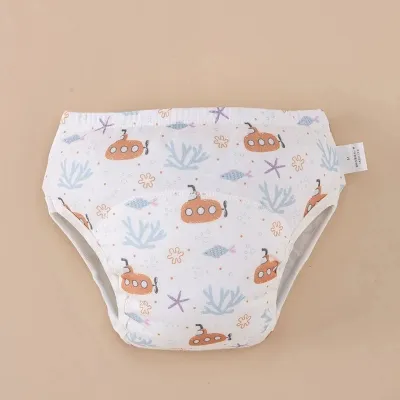
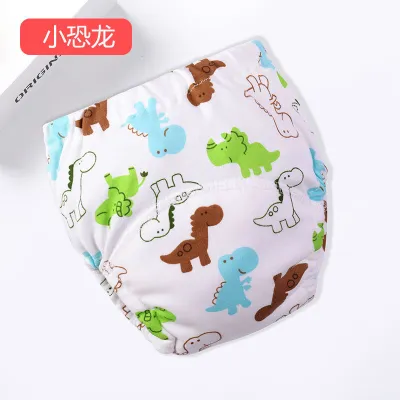
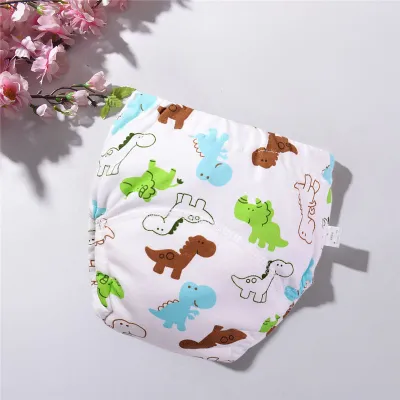
Prices are valid at publication and may change. Please refer to the product page for the latest price.
For active babies, these panty-style diapers offer unparalleled freedom of movement. They are engineered to contour to a baby’s body during crawling, walking, and climbing, without the stiff, bulky fasteners that can dig into sensitive skin. The soft, flexible elastics distribute pressure evenly around the waist and thighs, reducing the risk of friction marks during high-energy play.
However, establishing a sustainable diapering system requires realistic expectations. The initial investment in a complete stash demands careful budgeting, and there is a definite learning curve associated with mastering a consistent laundry routine. Success relies on understanding your household’s washing capacity and choosing materials that align with your lifestyle, especially when managing laundry in a highly humid climate.
Choosing the Right Absorbent Materials for a Tropical Climate
Selecting the correct fabric for your baby’s reusable diapers is crucial when living in the warm, humid conditions of the Philippines. Natural absorbent fibers are highly favored for their skin-friendliness and impressive moisture retention. Bamboo viscose is exceptionally soft, highly absorbent, and possesses natural thermal-regulating properties that help keep your baby cool. Organic cotton is another excellent choice, offering reliable durability, easy washing, and a gentle touch against sensitive skin. Hemp is the ultimate heavy-duty absorber, holding vast amounts of liquid without adding excessive bulk, though it absorbs more slowly than cotton and is best paired with a faster-absorbing top layer.

To prevent leaks, these absorbent layers must be paired with a waterproof outer shell, typically made of Thermoplastic Polyurethane (TPU) or Polyurethane Laminate (PUL). When shopping, it is essential to check the manufacturer’s specifications for the breathability of these laminated fabrics. In tropical heat, a non-breathable outer cover traps warm air and moisture inside the diaper, creating a humid microclimate that can quickly lead to heat rash, chafing, and yeast infections on your baby’s delicate skin.
The humidity level in the Philippines also dictates how quickly your diapers will dry after washing. Slow-drying fabrics can become a breeding ground for mildew, sour odors, and stubborn ammonia buildup if they remain damp for too long. While hemp and heavy bamboo layers offer superior absorbency, they take significantly longer to line-dry. For this reason, many parents opt for material blends or diapers with removable inserts, allowing them to balance high absorbency with manageable drying times.
Before finalizing any purchase, make it a habit to verify material blends, weave density, and specific care instructions directly on the product’s physical label or the manufacturer’s official website. Generic marketing terms like “eco-fiber” or “all-natural” can sometimes be misleading, masking synthetic polyesters that may trap heat. Checking the actual fabric composition ensures you are getting the breathable, high-performing materials your baby needs in a tropical climate.
Comparing Reusable Panty Diaper Styles: AIO, Hybrid, and Fitted
Reusable pull-up diapers come in three primary structural designs, each offering distinct advantages depending on your daily routine, washing habits, and your baby’s specific wetting patterns.
All-in-One (AIO) Pull-Ups represent the pinnacle of convenience in the cloth diapering world. In this design, the waterproof outer shell and the absorbent inner layers are sewn together as a single, unified piece. This makes them incredibly easy for babysitters, grandparents, or daycare providers to use, as they require no assembly or stuffing. The primary trade-off, however, is their exceptionally long drying time. Because all the dense, absorbent layers are permanently attached to the waterproof shell, line-drying an AIO diaper in humid Philippine weather can take upwards of 24 to 36 hours, which may necessitate a larger, more expensive overall diaper stash.
Hybrid / Pocket Pull-Ups offer a highly practical middle ground, making them one of the most popular choices for tropical climates. These diapers feature a waterproof outer cover with an inner pocket or snap system designed to hold removable absorbent inserts. This configuration allows you to customize the absorbency of the diaper by adding more inserts for long outings or using lighter inserts for quick daytime changes. Crucially, because the inserts are separated from the shell during washing, they dry much faster on the line, significantly reducing your laundry turnaround time.
Fitted Pull-Ups with Covers consist of a highly absorbent, fully fabric panty diaper that has no waterproof layer of its own, requiring a separate waterproof cover to be worn over it. This two-piece system provides unmatched, 360-degree absorbency and superior leak protection because the entire diaper acts as an absorber. While this setup is bulkier and involves two separate steps to put on, it is highly effective for heavy wetters, long car rides, or extended periods of wear.
To help you evaluate these options, the table below compares the three main styles across key decision dimensions:
| Diaper Style | Ease of Use | Drying Time in Humid Weather | Absorbency Customization | Ideal Use Case |
|---|---|---|---|---|
| All-in-One (AIO) | High (No assembly required) | Slow (All layers sewn together) | Low (Fixed built-in absorbency) | Daycare, quick changes, outings |
| Hybrid / Pocket | Moderate (Requires stuffing inserts) | Fast (Inserts dry separately) | High (Add or swap inserts easily) | Daily daytime wear, tropical climates |
| Fitted with Cover | Low (Two-step diapering process) | Moderate to Slow (Thick natural fibers) | High (Can add extra boosters inside) | Heavy wetters, naps, overnight wear |
Getting the Right Fit: Sizing and Leak Prevention for Active Babies
Achieving a proper fit is the single most important factor in preventing leaks and ensuring your active baby remains comfortable throughout the day. Unlike traditional tape diapers, which can be adjusted infinitely across the front panel, washable panty diapers rely heavily on the natural elasticity of their waistbands and leg openings. To find the correct size, you must accurately measure your baby’s waist and the thickest part of their thighs. A proper pull-up style diaper must fit snugly against the skin without being restrictive; any gaps around the legs or waist will inevitably lead to leaks when the baby sits, crawls, or stands.
High-quality elastics are essential for active babies who are constantly on the move. Look for diapers featuring soft, wide, and highly stretchy leg gussets and waistbands. These elements should distribute tension evenly to prevent the diaper from digging into your baby’s skin, which can cause painful red marks, chafing, and compression leaks (where moisture is squeezed out of the absorbent core). Double leg gussets are particularly effective, providing an extra barrier of defense against sudden, heavy wetness or loose bowel movements.
Many modern washable panty diapers incorporate adjustable features to accommodate a baby’s rapid growth and changing body proportions. Look for designs that include snap-down rise settings on the front of the diaper or internal elastic drawstrings within the waistband and leg casings. These adjustments allow you to customize the height and snugness of the diaper, ensuring a tailored fit that evolves from a chubby infant stage to a leaner, walking toddler stage.
Because sizing standards vary dramatically across different brands and models, never rely solely on age-based estimates or generic size labels. Always verify the manufacturer’s specific weight and measurement charts before making a purchase. A diaper that is too large will sag and leak, while one that is too small will cause discomfort and restrict your baby’s natural movement.
Washing and Drying Cloth Diapers in Humid Weather
Maintaining excellent diaper hygiene and preserving fabric longevity in a tropical environment requires a consistent, effective laundry routine. A standard two-step washing process is highly recommended to ensure deep cleaning. Start with a short pre-wash or rinse cycle using cold water and a small amount of detergent to flush out bodily fluids and loosen residue. Follow this with a long, heavy-duty main wash cycle using warm or hot water (subject to the manufacturer’s maximum temperature limits) and a full dose of a residue-free, eco-friendly detergent. Avoid detergents containing fabric softeners, optical brighteners, or synthetic fragrance oils, as these can leave a water-repellent coating on the fibers, severely reducing the diaper’s absorbency over time.
Proper storage of soiled diapers prior to washing is critical for controlling odors and preventing bacterial growth in hot, humid weather. Solid waste should always be knocked into the toilet; for breastfed infants with water-soluble stool, diapers can go straight into the wash, but older babies’ solid waste must be sprayed or scraped off. Store the dirty diapers in a highly ventilated, breathable wet bag or an open plastic laundry basket. Sealing damp, soiled diapers in an airtight container traps heat and moisture, accelerating the growth of mold, mildew, and strong ammonia odors.
Drying diapers efficiently in the Philippines requires capitalizing on natural elements while protecting delicate materials. Hanging diapers on an outdoor line under indirect sunlight is ideal, as UV rays act as a natural disinfectant and help bleach out stubborn stains. However, you must avoid exposing the waterproof PUL/TPU layers and the elastic components to prolonged, intense mid-day sun, as extreme heat can crack the laminate and degrade the elasticity. During the rainy season, maximize indoor drying by placing a standard standing fan or air circulator directly in front of your drying rack to maintain constant airflow and prevent dampness.
To protect your investment and your baby’s health, always operate within safe maintenance boundaries. Never use commercial fabric softeners, dryer sheets, or harsh chlorine bleach unless specifically approved by the manufacturer’s care instructions. If you notice persistent ammonia smells, visible mold spots, or if your baby develops a sudden, unexplained skin rash, stop using the diapers immediately. Thoroughly sanitize the diapers according to manufacturer guidelines, and consult a pediatrician or a qualified professional to address any skin irritation.
Frequently Asked Questions (FAQ)
How many washable panty diapers do I need for a full-time stash?
For a full-time cloth diapering routine where you wash laundry every two to three days, a stash of 20 to 24 washable panty diapers is generally recommended for an infant. However, because pull-up style diapers are typically introduced to older, more active babies or toddlers, they are often used part-time, during outings, or specifically for potty training. If you only plan to use them during active daytime hours or as training pants, a smaller stash of 8 to 12 diapers is usually sufficient to cover your daily needs without overwhelming your laundry routine.
Can I use reusable pull-ups for overnight sleep?
Standard washable pull-up diapers are designed primarily for daytime use and may not have enough built-in absorbency to handle heavy nighttime wetting over twelve hours of sleep. To use them overnight successfully, you will likely need to customize the absorbency by adding high-capacity natural fiber boosters, such as hemp or bamboo inserts, inside the pocket or cover. Alternatively, you can switch to a dedicated overnight system, such as a thick fitted cloth diaper paired with a high-quality waterproof cover, making sure to verify that the waist and leg elastics still maintain a snug, leak-free fit with the extra bulk.
Are washable panty diapers suitable for potty training?
Yes, washable panty diapers are exceptionally well-suited for the potty training phase. The pull-up design allows toddlers to practice the physical motion of pulling their own pants down and up, fostering independence and confidence. Unlike disposable training pants that use synthetic chemicals to lock wetness away instantly, reusable pull-ups allow the child to feel the physical sensation of dampness when they urinate. This immediate sensory feedback is highly beneficial, as it helps the child connect the urge to go with the natural consequence of wet pants, accelerating their overall potty awareness.

Community discussion
Share your experience or ask a question. Comments are reviewed before publication.