
Starting your baby on solid foods is an exciting milestone, but it also brings a steep learning curve for both parents and toddlers. In the Philippines, where family mealtimes are a central part of daily life, helping your little one transition to independent eating is a rewarding journey. The key to a smooth transition lies in choosing the right training spoon for your toddler. A well-designed utensil does more than just transport food; it builds confidence, refines motor skills, and minimizes the inevitable mess on the high chair.
Selecting the ideal training spoon requires balancing safety, ergonomics, and local practicalities. With the high humidity in the Philippines, utensils must not only be gentle on developing gums but also highly resistant to mold and easy to clean. Rather than relying on standard household cutlery, parents should look for specialized training spoons made of food-grade silicone or featuring angled handles. These designs cater to a baby’s limited wrist rotation and natural grasp, turning a potentially frustrating chore into a playful, successful learning experience.
Why the Right Training Spoon Matters for Early Self-Feeding
The transition from caregiver-fed purees to self-feeding is a major developmental leap that typically begins around six months of age. At this stage, infants are not just learning to swallow different textures; they are also discovering how to control their hands and mouths in tandem. A standard adult spoon is far too long, deep, and rigid for a baby’s underdeveloped coordination, often leading to gagging or food being scraped off painfully. A specialized training spoon serves as a bridge, designed specifically to match a toddler’s physical capabilities.
Products mentioned in this guide
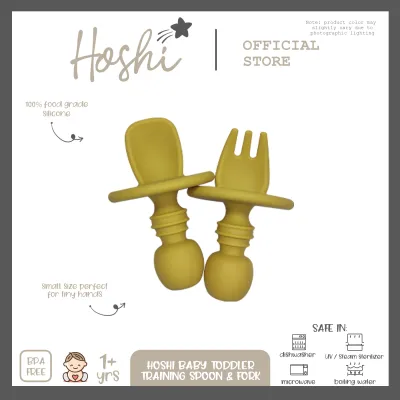
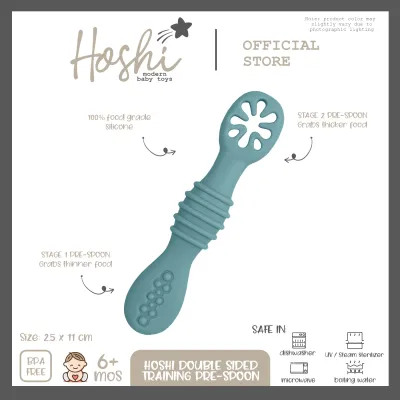
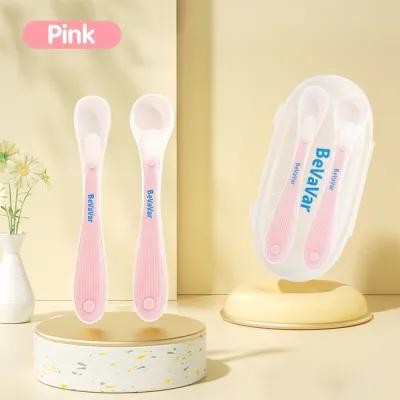
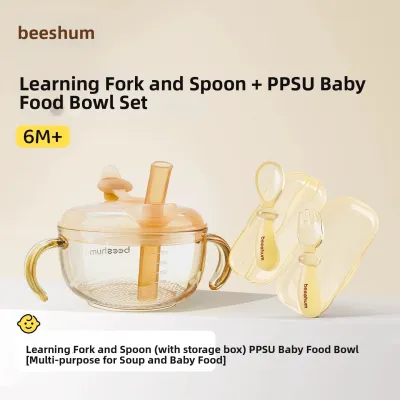
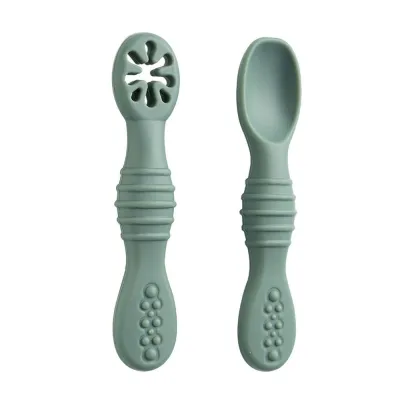
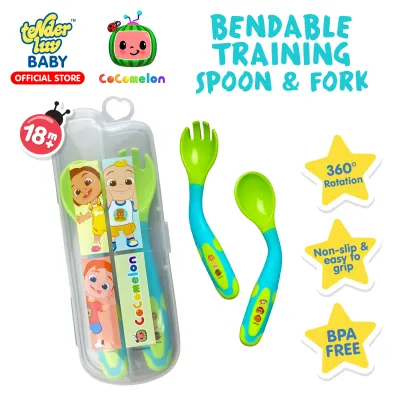
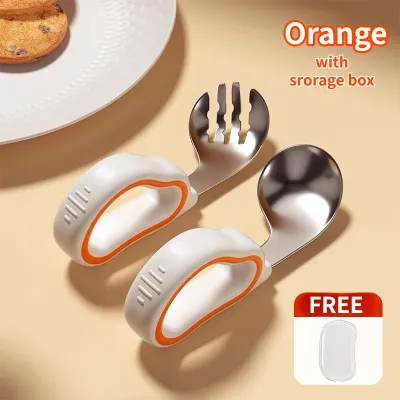
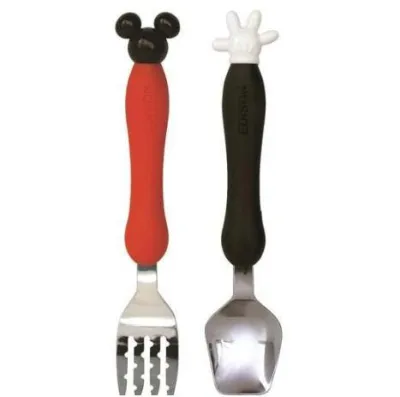
Prices are valid at publication and may change. Please refer to the product page for the latest price.
Using the correct utensil directly supports the development of fine motor skills and hand-eye coordination. When a toddler grasps a spoon, they are practicing their palmar grasp (using the whole hand) and eventually transitioning to a more refined pincer or digital grasp. Successfully guiding a loaded spoon to their mouth reinforces spatial awareness and builds neural pathways associated with self-care. When a child manages to feed themselves even a single bite, it provides an immense boost to their self-esteem, encouraging them to remain active participants at the family dinner table.
Furthermore, mealtime frustration is a very real challenge for Filipino parents, who often balance busy household routines with baby care. When a toddler struggles with an unsuitable spoon, food ends up everywhere except in their mouth, leading to prolonged meals and fussy behavior. A training spoon designed with a wide, easy-to-grip handle and a shallow bowl reduces the physical effort required to eat. By making the process more manageable, these utensils help lower frustration levels for both the child and the caregiver, transforming mealtime from a battle of wills into a peaceful bonding experience.
Essential Features to Look for in a Toddler Training Spoon
When shopping for feeding utensils, it is easy to get overwhelmed by the sheer volume of options available in baby boutiques and online marketplaces. To make an informed decision, caregivers must look past colorful designs and focus on specific, functional features that ensure safety and usability.

Material Safety and Certifications The foremost consideration for any baby product is chemical safety. Training spoons must be crafted from high-quality, food-grade silicone that is completely free from Bisphenol A (BPA), polyvinyl chloride (PVC), and phthalates. Because toddlers instinctively chew on their spoons to soothe teething discomfort, the material must be non-toxic and hypoallergenic. Caregivers should carefully inspect product packaging or official store descriptions to verify safety certifications, such as LFGB (European standard) or FDA compliance. In the warm, humid climate of the Philippines, high-grade silicone is particularly beneficial because it does not support the growth of fungus or bacteria when dried properly.
Handle Design and Choke Guards A toddler’s grip is vastly different from an adult’s. Beginners lack the finger strength and coordination to hold thin, flat handles, which is why training spoons require chunky, rounded, and non-slip handles. Textured surfaces or silicone ridges help prevent the spoon from slipping out of sweaty or food-covered hands. Additionally, look for handles equipped with built-in choke guards—widened collars or shields situated just below the spoon bowl. These guards physically prevent the toddler from shoving the spoon too far down their throat, providing an essential safety barrier during unsupervised exploration.
Spoon Bowl Dimensions The bowl of the spoon—the part that holds the food—must be scaled to a toddler’s oral anatomy. Standard spoons have deep bowls that require a level of upper-lip coordination that young babies simply do not possess yet; they cannot clear the food from the bottom of the spoon. A proper training spoon features a very shallow, narrow, and soft bowl. This allows the baby to easily sweep food off with their upper lip. The soft, flexible edges also protect sensitive, teething gums and newly erupting baby teeth from accidental hard impacts.
Ease of Cleaning and Maintenance In a tropical environment, food residue trapped in tiny crevices can quickly become a breeding ground for mold and bacteria. Therefore, seamless, one-piece designs are highly recommended. Spoons with detachable parts or wooden handles glued to silicone tips require extra vigilance, as water can seep into the joints. Always check the manufacturer’s care instructions to see if the spoon is dishwasher-safe and capable of withstanding steam sterilization or boiling water without warping or degrading.
Top Types of Training Spoons for Beginners
There is no single “perfect” spoon for every child, as a toddler’s needs shift rapidly alongside their developing motor skills. Understanding the different functional designs allows parents to select the utensil that best matches their child’s current developmental stage.
Soft Silicone Spoons with Textured Tips
Designed primarily for the very early stages of weaning (around 6 months), these spoons feature sensory bumps, ridges, or open-grid patterns on the spoon head. Instead of requiring the baby to scoop food, these spoons work by allowing purees and thick mashes to cling to the textured surface. The toddler simply dips the spoon into the food and brings it to their mouth. The textured tips also double as excellent teethers, stimulating the gums and helping infants map their mouths, which is crucial for speech and chewing development. However, these are not designed for scooping liquids or loose grains, making them less useful as the child transitions to more complex family meals.
Angled and Curved Spoons for Easy Scooping
As babies reach 9 to 12 months, they begin attempting to scoop food themselves but often struggle with wrist rotation. When using a straight spoon, they tend to tip the bowl sideways before it reaches their mouth, spilling the contents. Angled or curved spoons solve this biomechanical challenge by offsetting the spoon head at an angle toward the face. This design allows the toddler to successfully deliver food to their mouth using a simple, straight-arm motion without needing to twist their wrist. While highly effective for building confidence during this transition phase, these spoons are often hand-specific (designed for either right-handed or left-handed grips) and have a limited shelf life once the child masters normal wrist rotation.
Heat-Sensing Spoons for Temperature Safety
For parents concerned about serving food that is too hot, heat-sensing spoons offer a practical visual safeguard. These utensils are embedded with temperature-sensitive pigments that change color—often turning bright white or a contrasting shade—when they touch food that exceeds a safe eating temperature (typically around 38°C to 40°C). This feature provides quick peace of mind during busy mealtimes. However, caregivers must remember that color-changing technology is a secondary aid and does not replace manually testing food temperature on the inside of the wrist. Additionally, the chemical indicators in the plastic can degrade over time, especially when exposed to harsh dishwashing detergents, UV light, or high-heat sterilization.
| Spoon Type | Best Suited For | Key Benefit | Primary Limitation |
|---|---|---|---|
| Soft Silicone with Textured Tips | Early beginners (6+ months) and teething infants | Promotes sensory exploration; clings to purees without scooping | Ineffective for scooping thin liquids or loose grains |
| Angled and Curved Spoons | Toddlers (9-12+ months) learning wrist rotation | Compensates for limited biomechanics; reduces spills | Often hand-specific; short period of developmental utility |
| Heat-Sensing Spoons | Caregivers feeding warm purees or mashes | Visual warning if food is too hot for sensitive mouths | Color-changing feature degrades over time with sterilization |
Smart Shopping: Where to Buy and Safety Checks in the Philippines
Navigating the local market for baby products requires a cautious approach, especially with the rise of unbranded and counterfeit goods on online marketplaces. To safeguard your child’s health, always prioritize purchasing from reputable sources. Official brand flagship stores on major e-commerce platforms, well-known physical baby departments, and authorized local distributors are the safest avenues. These sellers provide genuine products that comply with international safety standards, ensuring that you are not exposing your toddler to harmful chemical fillers.
Avoid buying unusually cheap, unbranded silicone spoons from unverified online sellers. While a low price tag is tempting, low-grade silicone often contains plasticizers, chemical colorants, or industrial fillers that can leach into warm food. If a deal seems too good to be true, it likely compromises on safety.
When your purchase arrives, perform a few simple safety and authenticity checks before letting your toddler use it:
- Inspect the Packaging: Genuine products come in sealed, high-quality packaging featuring clear brand labeling, manufacturer contact details, and safety warnings. Avoid items that arrive in plain, unmarked plastic bags.
- Verify the Molding: Check the spoon for clean edges. Authentic, high-quality spoons have smooth, seamless molding without loose silicone flaps or sharp plastic seams that could scratch a baby's mouth.
- Perform the Smell Test: High-grade, food-safe silicone is completely odorless. If the spoon emits a strong, pungent chemical, sweet plastic, or rubbery smell, do not use it.
- The Pinch Test: Pinch and twist a flat section of the silicone. If white color shows through the crease, it indicates the presence of cheap plastic fillers rather than 100% pure food-grade silicone.
Always read the manufacturer’s packaging carefully for specific age, weight, and developmental recommendations. Some spoons are specifically weighted or sized for older toddlers, and using them too early can present a choking hazard or cause oral discomfort.
Practical Tips for Introducing the Spoon to Your Toddler
Introducing a training spoon is a gradual process that requires patience, consistency, and a willingness to embrace the mess. To help your toddler transition smoothly, try incorporating these practical, low-risk strategies into your daily mealtime routine.
The Pre-loading Technique Do not expect a beginner to scoop their own food immediately. Instead, practice “pre-loading.” Scoop a small amount of puree or mash onto the spoon yourself, and then hand the spoon to your toddler handle-first. This allows them to focus entirely on the hand-to-mouth coordination aspect of self-feeding. Once they master bringing the pre-loaded spoon to their mouth and clearing the food, they will naturally begin attempting to dip and scoop from the bowl on their own.
The Two-Spoon Method Mealtime can quickly turn into a struggle if a hungry baby wants to feed themselves but lacks the coordination to do so efficiently. To keep the meal moving while fostering independence, use the two-spoon method. Give your toddler one training spoon to hold, chew on, and play with. While their hands are occupied exploring their spoon, use a second spoon to feed them actual bites of food. This keeps them actively engaged in the process without leaving them frustrated and hungry.
Managing Expectations and Setting Up for Success Accept that dropping, throwing, and smearing food are natural, necessary parts of how toddlers learn about textures and gravity. To minimize cleanup stress in your home, pair the training spoon with a heavy silicone suction bowl that sticks firmly to the high chair tray. This prevents the entire bowl of food from being flipped onto the floor. Additionally, use a waterproof splash mat or newspaper under the high chair, and dress your baby in a full-coverage silicone bib with a wide pocket to catch falling crumbs and drips. In the warm Philippine climate, feeding your baby in just a diaper and a bib is also a popular, practical way to save laundry.
Frequently Asked Questions (FAQ)
When should I introduce a training spoon to my baby?
You can introduce a training spoon as soon as your baby starts showing signs of self-feeding readiness, which typically occurs between 6 and 9 months of age. Common indicators include reaching for your utensil during meals, grabbing at food on their plate, or bringing toys and hands directly to their mouth with ease. It is always best to consult your pediatrician or a pediatric occupational therapist to ensure your child has met the necessary developmental milestones, such as stable head control and the ability to sit upright unsupported, before introducing solid foods and utensils.
Can I use regular metal spoons for toddlers starting solids?
Regular metal spoons are generally not recommended for infants and toddlers who are just starting solids. Metal is highly conductive, meaning it can quickly become uncomfortably hot or cold depending on the food temperature. Furthermore, metal spoons have hard, rigid edges that can injure a baby’s delicate, swollen gums during teething, or chip newly erupting teeth if they bite down too hard. The handles on standard household metal spoons are also too thin and slippery for a toddler’s limited grip strength, making the learning process unnecessarily difficult.
How do I clean and sterilize silicone training spoons?
To clean silicone training spoons safely, wash them immediately after use with warm, soapy water and a soft bottle brush to remove all food residue. While high-quality silicone is highly heat-resistant and can typically be boiled, steam-sterilized, or placed in the top rack of a dishwasher, you must always check the manufacturer’s specific care label first. This is especially critical for heat-sensing spoons, as extreme heat can permanently damage the color-changing pigments. After washing, ensure the spoons dry completely in a well-ventilated, dry area to prevent any moisture buildup, which is particularly important in the humid climate of the Philippines.

Community discussion
Share your experience or ask a question. Comments are reviewed before publication.