
Selecting the right toy storage for a nursery in the Philippines requires balancing accessibility, safety, and durability against local environmental challenges like high humidity and dust. The ideal setup keeps toys organized and clean while remaining safe for a growing baby who will eventually transition into independent play. By choosing modular, easy-to-clean, and securely anchored storage solutions, you can create an organized space that adapts to your child’s developmental milestones over the years.
Key Criteria for Choosing Nursery Toy Storage
Nursery layouts in typical Philippine homes, whether in a spacious suburban house or a compact city condominium, require careful footprint planning. Storage units should maximize vertical space without overwhelming the room or blocking essential pathways around the crib and changing table. Choosing furniture with a compact footprint ensures the nursery remains easy to navigate during late-night feedings.
During the infant stage, storage is primarily for parents to quickly clear away clutter. As your baby grows into a toddler, toys must be within their physical reach to encourage independent play and tidy-up habits. Low-level shelves and open bins allow toddlers to safely select and return their toys without needing constant adult assistance.
Products mentioned in this guide
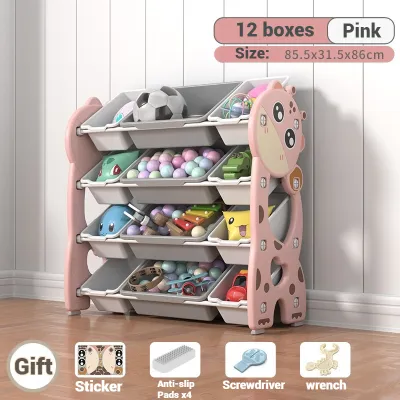
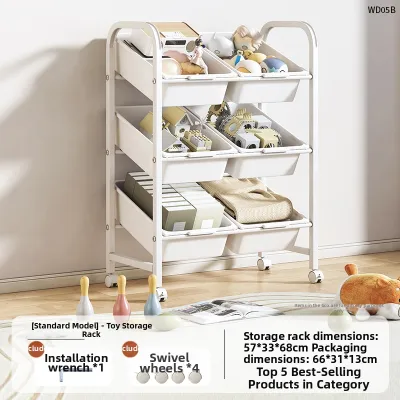
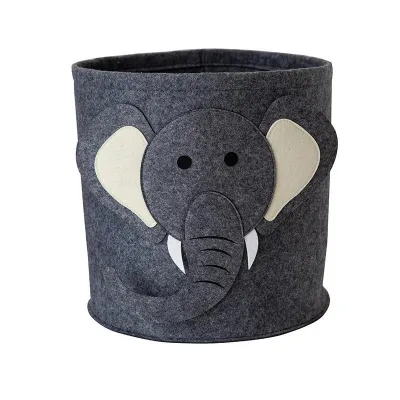
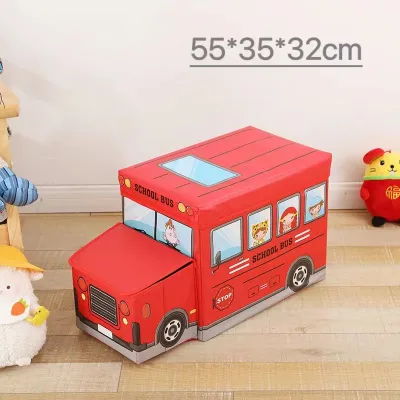
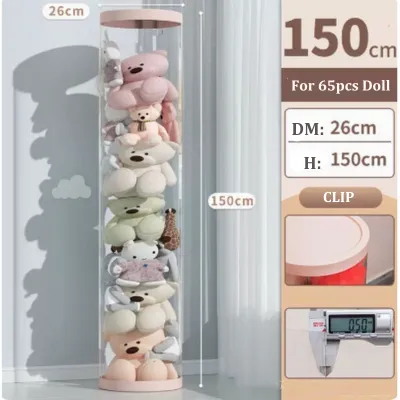
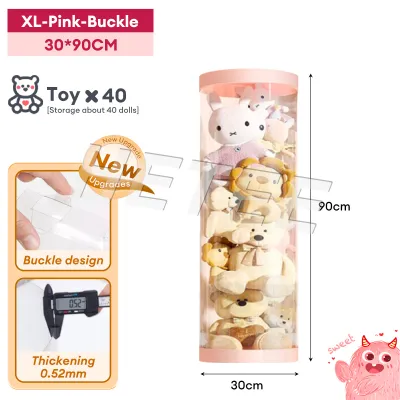
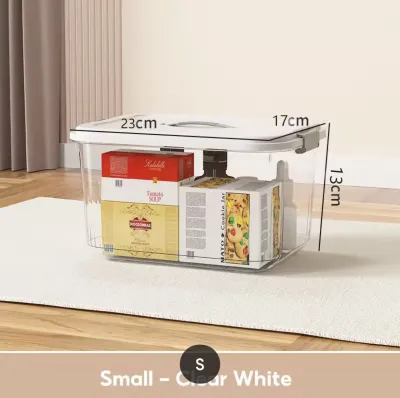
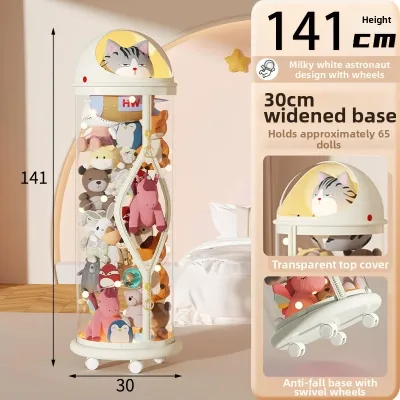
Prices are valid at publication and may change. Please refer to the product page for the latest price.
The tropical climate of the Philippines introduces specific challenges, such as dust accumulation and high humidity, which can foster mold or mildew on organic materials. Nursery storage must be easy to wipe down, sanitize, and keep dry. Choosing materials that do not trap moisture is essential for maintaining a hygienic environment for your baby.
A nursery’s design often evolves rapidly as your child grows. Storage solutions should feature neutral colors or modular designs that transition smoothly from a baby room to a toddler room and eventually a study space. Investing in pieces that can be repurposed prevents the need for frequent, costly furniture replacements.
Top Types of Toy Storage for a Nursery Setup
Different storage formats serve distinct organizational purposes, and a combination of types often works best. Understanding how physical structures interact with your nursery’s layout and your child’s developmental stage helps you select the most practical options.

Open Shelving and Cube Organizers
Open shelving and modular cube organizers are highly versatile options for a nursery. These structures allow you to display colorful picture books, wooden toys, and decorative items on upper shelves while keeping frequently used toys in bins on the lower levels.
The primary advantage of this format is high visibility. Toddlers can easily see their options, which reduces the frustration of searching through deep chests. Modular cubes also allow you to mix and match open display spaces with removable fabric or plastic bins, giving you the flexibility to hide smaller, cluttered toy sets.
However, open shelves are prone to collecting dust, which requires regular wiping in tropical environments. Additionally, because these units are often tall or front-heavy when loaded, they present a severe tipping hazard. Securely anchoring these shelves to the wall with heavy-duty brackets is a non-negotiable safety step to prevent accidents as your child begins to pull themselves up.
Fabric Bins, Baskets, and Soft Storage
Fabric bins, woven cotton baskets, and soft canvas organizers are excellent for holding lightweight, plush, or irregularly shaped toys. These soft containers can sit on the floor, fit inside cube organizers, or be tucked into corners.
Safety is the standout benefit of soft storage. With no sharp corners, hard edges, or heavy lids, fabric baskets pose minimal risk to a crawling baby or an active toddler. They are lightweight enough for children to drag around safely, and many fabric options are machine washable, making it easy to clean spit-up, drool, or spilled liquids.
On the downside, soft storage lacks structural support. Over time, fabric bins can sag, lose their shape, or collapse when empty, which can make the nursery look untidy. They also offer limited stackability, meaning they occupy more floor footprint relative to the volume of toys they hold. In highly humid regions, natural fibers like seagrass or untreated cotton can absorb moisture from the air, requiring regular airing out in the sun to prevent musty odors.
Rolling Carts and Mobile Storage Units
Rolling utility carts and mobile storage units with wheels offer exceptional flexibility for dynamic nursery layouts and multi-purpose living spaces. These units can easily move from the nursery to the living room or play area as needed.
Portability makes cleanup incredibly efficient. You can wheel the cart directly to the play area, load it up with building blocks, art supplies, or board books, and roll it back to its designated corner. This mobility is particularly useful in Philippine households where babies often split their time between a dedicated nursery and shared family spaces.
Despite their convenience, mobile units require careful supervision. You must verify that the wheels feature reliable locking mechanisms to keep the cart stationary when not in use. Mobile carts are also more prone to tipping if a child attempts to climb them or pull themselves up using the tiers, so they are best reserved for lightweight items and kept out of reach of unsupervised toddlers. Ensure the floor surface, whether smooth tile, hardwood, or a play mat, is compatible with the cart’s wheels to prevent scratching or dragging.
Essential Safety and Durability Checks
When selecting any furniture for a baby’s room, safety must take precedence over aesthetics. Children are naturally curious and will eventually use shelves, drawers, and bins as climbing structures.
The most critical safety measure is the installation of anti-tip kits. Any storage unit taller than a toddler’s waist height must be securely anchored to the wall. In the Philippines, nursery walls are commonly made of concrete, hollow blocks, or drywall. Ensure you use the correct wall plugs, masonry screws, or anchors suitable for your specific wall material rather than relying on standard adhesive strips, which can fail under tension or in humid conditions.
Examine the physical construction of the storage unit before bringing it into the nursery. Run your hands along all edges and corners to check for sharp points or rough splinters. Ensure all hardware, screws, and brackets are countersunk or completely enclosed so they cannot snag clothing or scratch delicate skin. If the unit is painted or varnished, verify that the manufacturer specifies the use of non-toxic, lead-free, and water-based finishes.
Always check the manufacturer’s specified weight limits for shelves and drawers. Overloading a unit compromises its structural integrity and increases the risk of collapse. Place heavier items, such as large wooden blocks or heavy books, on the lowest shelves to keep the center of gravity low and improve overall stability.
Avoid traditional toy chests with heavy, free-falling lids. These lids can easily slam shut on small fingers or, in worst-case scenarios, trap a child inside. If you choose a lidded chest, ensure it features safety hinges that hold the lid open at any angle, or opt for open-top bins and removable lids that do not pose entrapment risks.
Organizing Strategies by Toy Category
An effective storage system is only as good as the organization strategy behind it. Grouping toys by category makes it easier to maintain order and helps your child develop cognitive sorting skills during cleanup.
For small parts, building blocks, and puzzle pieces, utilize divided drawer inserts or small, transparent lidded containers. Keeping these items in clear containers allows you to see the contents without opening them, and keeping them sealed prevents pieces from getting lost under furniture or posing choking hazards to younger siblings.
Large, bulky, or irregularly shaped toys, such as activity walkers, large stuffed animals, or play mats, do not fit well on standard shelves. Leverage under-crib storage drawers or oversized, open-top floor baskets for these items. This keeps them off the main floor space while keeping them easily accessible.
Implementing a toy rotation strategy is highly effective for managing clutter and maintaining your child’s interest. Instead of keeping every toy accessible at once, display only a curated selection of five to ten toys on the open shelves. Store the remaining toys in closed bins in a closet or utility area. Every few weeks, swap the active toys with the stored ones. This practice reduces visual overwhelm, encourages deeper engagement with individual toys, and makes daily cleanup significantly faster.
Where to Shop for Nursery Storage in the Philippines
Finding reliable nursery storage in the Philippines involves exploring a mix of physical retail stores and online marketplaces. Each channel offers distinct advantages depending on your budget, timeline, and assembly preferences.
Visiting physical baby boutiques, department stores, and home improvement warehouses allows you to inspect the build quality, material strength, and actual dimensions of the furniture in person. Testing the drawer glides, checking the stability of shelves, and feeling the finish of wooden units firsthand can help you avoid low-quality purchases.
For convenience, official brand stores on major online marketplaces offer a wide selection of nursery organizers, fabric bins, and modular shelving. When shopping online, prioritize verified official stores to ensure product authenticity. Carefully read customer reviews, paying close attention to photos uploaded by other parents to assess how the product looks in a real home setting and how well it withstands shipping.
Before finalizing your purchase, especially for bulky furniture items, check the delivery fees and assembly options. Some retailers offer professional assembly services for a small fee, which can save time and ensure that wall anchors and structural components are installed correctly. Additionally, review the merchant’s return and warranty policies in case the item arrives damaged or with missing hardware.
Frequently Asked Questions (FAQ)
How often should I rotate the toys in the nursery storage?
A general guideline is to rotate toys every two to four weeks, but the best indicator is your child’s behavior. If you notice your toddler is quickly discarding toys, dumping bins without playing, or showing signs of boredom, it is likely time for a rotation. You do not need to swap out the entire collection; keeping a few favorite comfort items or books constant while changing the puzzles, blocks, and sensory toys provides a comforting balance of familiarity and novelty. Adjust the frequency based on your child’s developmental stage and attention span.
Are plastic or wooden storage bins better for a nursery?
Both materials have distinct advantages depending on your priorities. Plastic bins are lightweight, highly budget-friendly, and exceptionally easy to wipe clean or sanitize, making them ideal for storing art supplies, sensory toys, or items prone to spills. However, they can degrade or become brittle over time if exposed to direct sunlight. Wooden bins offer superior durability, structural strength, and a classic aesthetic that blends seamlessly with high-end nursery decor. When choosing wood, ensure the surfaces are perfectly smooth to prevent splinters and that the finishes are certified non-toxic.

Community discussion
Share your experience or ask a question. Comments are reviewed before publication.