
The best toy storage rack for a nursery in the Philippines balances structural safety, child-friendly accessibility, and resistance to the country’s humid tropical climate. An ideal setup uses a low-profile design that allows infants and toddlers to reach toys independently without climbing, minimizing tipping risks. When selecting a rack, parents must prioritize sturdy materials with non-toxic finishes, secure wall-anchoring systems, and modular bins that simplify clean-up.
What Makes a Toy Storage Rack Safe and Practical for Nurseries?
To encourage cognitive development and motor skills, a nursery storage unit must match your child’s physical reach. Low-profile designs, typically under 90 centimeters in height, allow crawling babies and toddlers to select and return toys independently. This setup supports the Montessori philosophy of self-directed play. More importantly, it eliminates the temptation for a child to climb up the shelves to reach a desired item, which is a primary cause of furniture-related accidents in playrooms.
Toddlers naturally use furniture to pull themselves up to a standing position. A safe toy storage rack must feature a wide base and a low center of gravity to resist these pulling forces. Even the sturdiest-looking wooden shelves can tip over if multiple drawers or bins are pulled out simultaneously, or if a child attempts to climb them. Consequently, selecting a unit that includes or supports heavy-duty anti-tip anchoring kits is non-negotiable for any nursery layout.
Products mentioned in this guide
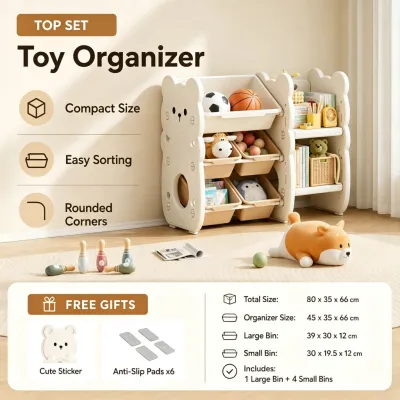
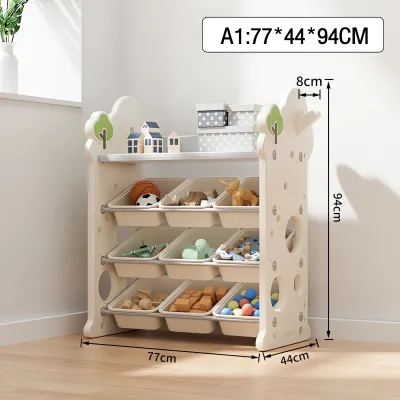
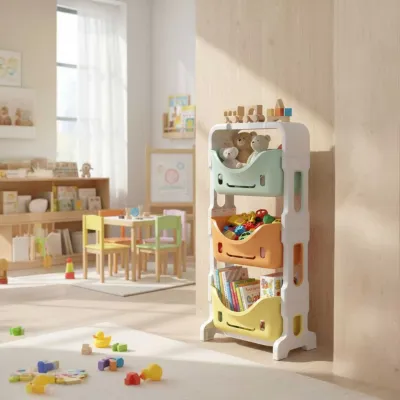
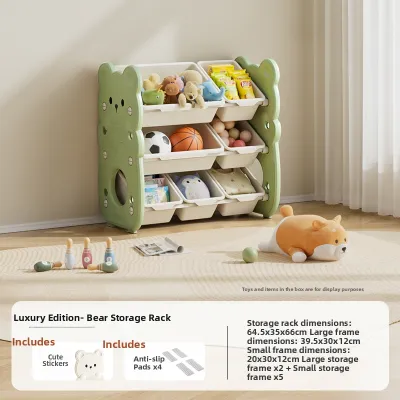
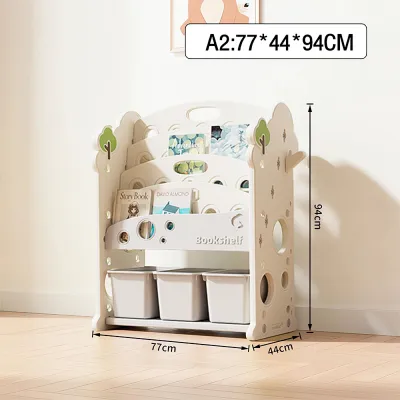
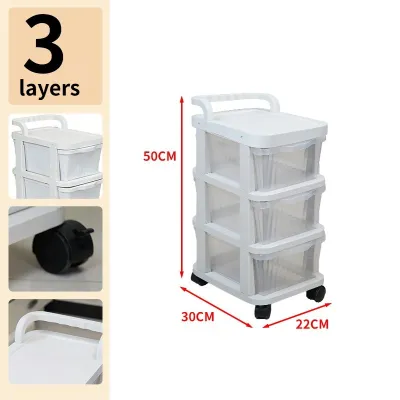
Prices are valid at publication and may change. Please refer to the product page for the latest price.
Babies frequently explore their environment with their mouths, making material safety a critical consideration. Parents should look for solid wood, high-quality plywood, or food-grade, BPA-free plastics. Finishes must be non-toxic, lead-free, and water-based, as traditional solvent-based varnishes can off-gas harmful volatile organic compounds (VOCs). Ensure there are no sharp edges, exposed screws, or small detachable hardware pieces that could loosen over time and present a choking hazard.
The tropical climate of the Philippines, characterized by high relative humidity and seasonal temperature shifts, presents unique challenges for nursery furniture. Low-quality medium-density fiberboard (MDF) or particleboard can quickly absorb moisture from the air, leading to swelling, warping, and structural weakening. Furthermore, damp environments encourage the growth of mold and mildew on untreated surfaces. Choosing moisture-resistant woods, powder-coated metals, or well-ventilated plastic bins helps ensure longevity and a hygienic environment for your baby.
Best Toy Storage Rack Types for Different Nursery Layouts
Selecting the right layout depends on your nursery’s floor area, your child’s current developmental stage, and how you prefer to organize playthings. Different structural designs offer distinct advantages in terms of visibility, portability, and multi-functional storage.

Open Shelving with Removable Bins
Open shelving units featuring angled, removable plastic or fabric bins are highly popular for early childhood spaces. By tilting the bins forward, these racks keep toys fully visible at eye level, which stimulates a child’s interest and simplifies decision-making during play. Lightweight bins are exceptionally easy for small hands to slide out, carry to a play mat, and return when playtime is over. This tactile interaction teaches basic sorting skills and encourages toddlers to participate in daily cleanup routines.
However, this open configuration does have minor drawbacks. Exposed bins can make a nursery look visually cluttered if toys are not neatly categorized, and the bins themselves may degrade, crack, or tear over several years of rough handling. When evaluating these models, check that the supporting frame is robust and that the bins have reinforced, integrated handles rather than thin, glued-on straps. Ensure the bins fit snugly on their rails without leaving wide gaps that could trap or pinch small fingers during removal.
Low-Profile Bookcase and Toy Combos
For nurseries where space is at a premium, a low-profile bookcase and toy combo offers an efficient, multi-functional solution. These units typically feature lower cubbies or deep compartments for bulky toys, paired with upper forward-facing book ledges that display book covers rather than spines. This visual arrangement invites young children to grab books independently, fostering an early love for reading. The solid, integrated structure of a bookcase generally offers superior stability compared to lightweight wire or plastic frames.
On the downside, these wooden or composite structures are significantly heavier, making them difficult to rearrange without fully unloading them. Because of their solid backboards and vertical panels, they require strict, permanent wall anchoring to eliminate any possibility of tipping. Before purchasing, verify the manufacturer’s specified weight capacity for each shelf tier. Confirm that the top book display ledge remains well within your child’s safe reaching zone, and ensure the unit includes heavy-duty metal L-brackets for wall installation.
Mobile Storage Carts and Caddies
Mobile storage carts with heavy-duty casters provide excellent flexibility for modern, multi-use homes. If your nursery shares space with a living room or home office, a rolling caddy allows you to transport a curated selection of toys between rooms effortlessly. This mobility is highly beneficial for practicing toy rotation, a method where you keep only a few items active to prevent sensory overload and sustain your child’s engagement.
Despite their convenience, mobile carts introduce specific safety risks that require close supervision. If the wheels do not lock securely, a child pulling themselves up on the cart could cause it to roll away, leading to a fall. Additionally, their narrower bases make them more prone to tipping if unevenly loaded. When shopping for a mobile caddy, verify that all casters have reliable, independent locking mechanisms. The frame must be constructed from sturdy steel or thick, impact-resistant plastic, with tiers spaced widely enough to prevent fingers from getting caught when retrieving items.
How to Childproof and Maintain Your Toy Storage Rack
Securing your nursery furniture to the wall is the single most effective way to prevent tip-over accidents. In the Philippines, most residential walls are constructed from concrete, hollow blocks, or plaster rather than standard drywall. To anchor a rack safely, you must use appropriate hardware: concrete screws and plastic expansion shields (commonly known as tox plugs) are necessary for masonry walls. Use heavy-duty nylon furniture straps or solid metal L-brackets, attaching one end securely to the solid frame of the storage unit and the other deep into the wall structure. If you are uncomfortable using a hammer drill or determining the structural integrity of your walls, always hire a professional carpenter to handle the installation.
The physical stability of any storage rack depends heavily on how items are arranged inside it. Always implement a bottom-heavy storage strategy by placing the heaviest wooden blocks, large trucks, and bulky activity sets on the lowest shelves or in the bottom bins. Reserve the upper levels for lightweight plush toys, board books, and soft fabric items. This simple practice keeps the unit’s center of gravity as close to the floor as possible, significantly reducing the kinetic force generated if a child pulls on the upper frame.
Nursery furniture undergoes daily wear and tear from energetic toddlers. Establish a monthly maintenance routine to inspect the structural integrity of your toy storage rack. Use a screwdriver to tighten any loose screws, bolts, or cam locks that may have vibrated loose during use. Run your hand along wooden surfaces to check for splinters, rough edges, or peeling paint that needs sanding and refinishing. Inspect plastic bins for stress fractures and fabric baskets for fraying seams or loose handles that could fail while carrying heavy items.
Parents must remain vigilant and recognize when a storage unit is no longer safe for a nursery. If a rack exhibits persistent wobbling that cannot be resolved by tightening the hardware, or if you notice cracked structural joints, warped support beams, or broken wheel locks on mobile carts, discontinue use immediately. Do not attempt temporary fixes with tape or weak adhesives. Remove the unit from the child’s reach until it can be professionally repaired or replaced with a certified safe alternative.
Where to Find Reliable Toy Storage in the Philippines
For guaranteed safety standards and child-safe materials, specialty baby and maternity boutiques are excellent starting points. These retailers carefully curate their inventory, offering furniture that complies with international safety certifications. Purchasing from established baby brands often provides the added benefit of local customer support, clear replacement policies, and reliable product warranties, giving you peace of mind regarding material quality.
If you prefer shopping online, major e-commerce platforms offer a vast selection of toy storage racks. To navigate these platforms safely, always filter your search to show official flagship stores or authorized brand distributors. Carefully examine the seller’s overall rating and read recent local reviews from buyers in the Philippines. Pay close attention to customer photos showing the actual product assembly, wood quality, and packaging durability during local transit.
For a highly durable and personalized option, consider commissioning a local furniture maker or woodworker. Regions like Pampanga and Laguna are renowned for skilled carpentry. A custom-built solid wood storage rack can be tailored to fit your nursery’s exact dimensions, utilizing local hardwoods like mahogany or acacia. When working with a local carpenter, explicitly request rounded edges, a wide, stable base, and the application of certified non-toxic, lead-free finishes.
The safety of a toy storage rack relies entirely on correct assembly and secure wall anchoring. When purchasing heavy wooden furniture, check if the retailer offers professional delivery and on-site assembly services. Professional installers have the specialized tools and experience required to drill into concrete walls and mount anti-tip hardware correctly. If you choose to assemble the unit yourself, carefully follow the manufacturer’s step-by-step manual, and never skip any safety washers, brackets, or anchoring steps.
Frequently Asked Questions (FAQ)
At what age should I introduce a low toy storage rack?
You can introduce a low, open toy storage rack as early as 6 to 9 months, coinciding with when your baby begins to sit independently and crawl. At this stage, placing a few safe, sensory toys on the lowest shelf encourages independent exploration and reaching. The cognitive habit of sorting and returning toys to their proper places during cleanup typically develops later, between 18 and 24 months, with consistent caregiver guidance.
Are fabric bins safer than plastic bins for toddlers?
Fabric bins are highly praised for safety because they are lightweight, soft, and lack hard edges, which minimizes the risk of impact injuries if a toddler bumps into them or drops one on their feet. However, in humid environments, fabric can trap dust, pet dander, and moisture, requiring regular washing to prevent mold. Plastic bins are more rigid and easier to wipe clean with baby-safe sanitizers, but you must verify that they are made from non-toxic, BPA-free plastics with smooth, rolled edges.
How do I protect wooden toy racks from humidity?
To protect wooden nursery furniture from the high humidity in the Philippines, position the storage rack away from damp exterior walls and out of direct sunlight, which can cause uneven drying and warping. Ensure the nursery has adequate ventilation, and consider using a dehumidifier during the rainy season to maintain stable indoor moisture levels. Periodically wipe down the wood with a dry microfiber cloth and apply a thin coat of baby-safe, natural beeswax to seal the grain against airborne moisture.

Community discussion
Share your experience or ask a question. Comments are reviewed before publication.