
Setting up a nursery in a compact space, such as a typical urban condominium or townhouse in the Philippines, requires careful spatial planning. When floor space is at a premium, finding the right storage rack organizer shelf for toys is essential to keep the room orderly, functional, and safe. A cluttered floor not only creates a chaotic environment but also presents tripping hazards for both parents and toddlers. By selecting a storage solution tailored to tight quarters, you can maximize your available square footage while fostering your child’s independence.
The ideal toy organizer for a small nursery must balance compact dimensions with practical accessibility. It should fit neatly into designated corners or alongside a crib without obstructing paths, while remaining low enough for a toddler to reach their favorite items safely. In this guide, we will explore the most effective space-saving toy storage designs, critical safety considerations for nursery furniture, and practical tips for maintaining these organizers in a tropical climate.
Choosing a Storage Rack Organizer Shelf for Toys: Key Features for Compact Nurseries
When shopping for nursery furniture on online marketplaces or at local baby boutiques, it is easy to get overwhelmed by aesthetic choices. However, for a small nursery, functionality and spatial efficiency must take precedence. The first step is to evaluate how a potential storage unit interacts with the room’s physical layout and your child’s developmental stage.
Products mentioned in this guide
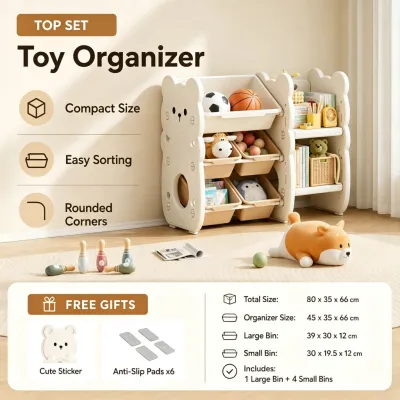
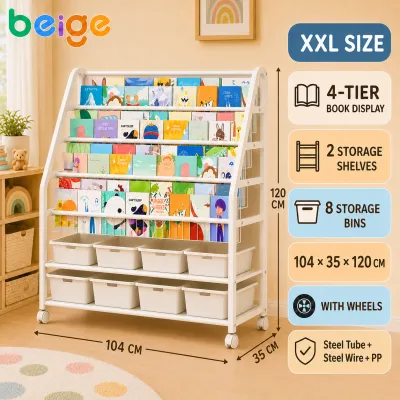
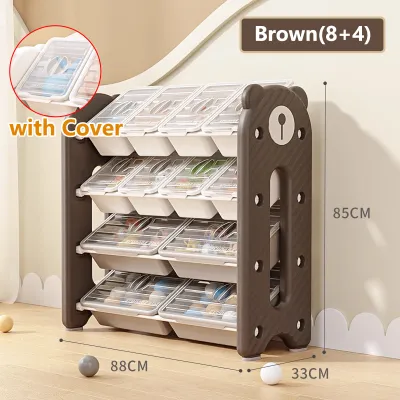
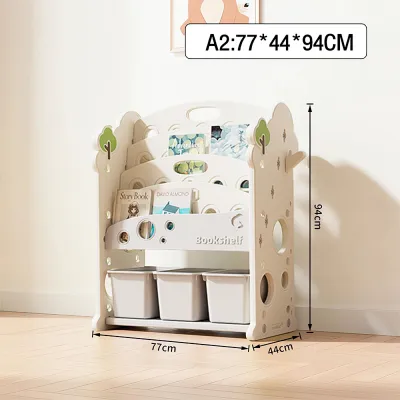
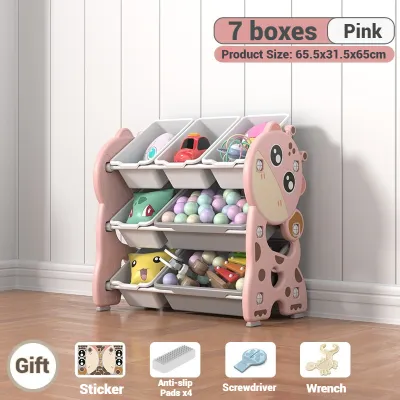
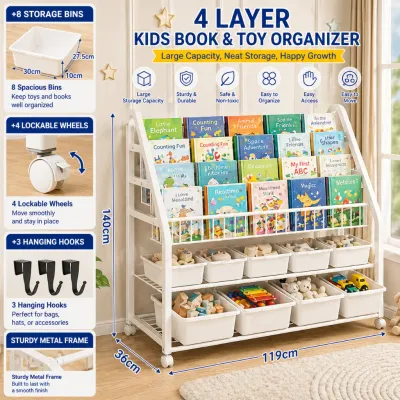
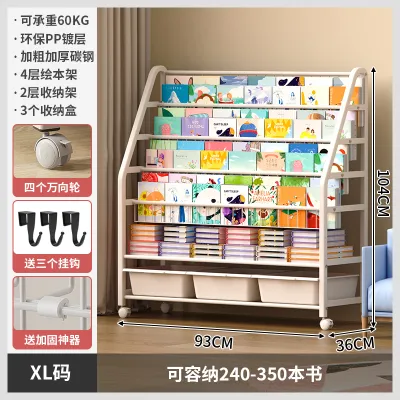
Prices are valid at publication and may change. Please refer to the product page for the latest price.
Toddler accessibility is a vital factor that directly influences usability. A storage rack organizer shelf for toys should allow children to see and reach their toys without assistance. Low-height shelves or open-bin systems encourage toddlers to choose their playthings and, crucially, assist in tidying up afterward. If a shelf is too tall, it becomes a safety hazard, as children may attempt to climb the frame to reach items on upper tiers.
Before committing to any furniture purchase, precise measurement of the nursery footprint is mandatory. You must account for more than just the static width and depth of the unit. Consider the swing radius of the nursery door, the placement of the crib, and the flow of walking paths. A storage rack should never block emergency exit paths or be placed so close to a crib that a child could use it as a ladder to climb out of their sleeping area.
Modular and adjustable designs offer the best long-term value for small spaces. Children’s toy preferences change rapidly as they grow, transitioning from large, soft plushies to tiny building blocks and art supplies. Storage units with adjustable shelves or interchangeable bins allow you to reconfigure the layout to match these shifting needs. This adaptability prevents you from needing to purchase entirely new furniture every few years.
In the Philippine market, these organizers are available across broad price bands, typically ranging from basic plastic models around ₱1,000 to more robust engineered wood or modular systems priced upwards of ₱5,000. Defining your budget beforehand helps narrow down the material choices. Always verify the manufacturer’s technical specifications, including the exact dimensions and weight limits of each shelf or bin. Relying solely on product photos can be misleading, so read the detailed product descriptions to ensure the unit fits your physical space and can safely support the weight of your child’s toy collection.
Best Toy Storage Rack Designs for Small Spaces
Different nursery layouts require different storage configurations. In a small room, standard bookcases often fall short because they do not accommodate the irregular shapes of children’s toys. Specialized toy storage designs solve this problem by utilizing angled bins, modular cubes, or vertical wall space. Understanding the pros and cons of each structural design will help you select the most efficient option for your home.

Multi-Tier Canvas Bin Organizers
Multi-tier organizers featuring slanted shelves and removable fabric or plastic bins are highly popular for toddler rooms. The angled positioning of the bins ensures that toys remain visible at eye level, which stimulates a child’s interest and makes selection straightforward. Because the bins are completely removable, toddlers can carry a single bin of blocks to their play mat and return it easily when playtime is over.
These racks typically feature a lightweight frame made of engineered wood, plastic, or light metal. This minimal footprint makes them easy to position in tight corners and simple to move when deep-cleaning the nursery floor. In a small room where dust can accumulate quickly, the ability to easily sweep and mop behind furniture is a significant advantage.
However, canvas bin organizers do have structural limitations. Fabric bins can sag over time if overloaded, and they are generally not suited for heavy wooden toys, thick board books, or massive play sets. If your child’s toy collection consists primarily of heavier items, you will need to check the manufacturer’s weight ratings carefully or opt for a sturdier material, such as reinforced plastic or solid wood.
Low-Profile Cube Storage Units
Low-profile cube storage units consist of square shelving compartments that sit close to the floor. These units are highly versatile because they can be used as open shelving or paired with interchangeable fabric, plastic, or woven bins. This flexibility allows you to hide unsightly clutter in bins while displaying books or decorative items in the open compartments.
In a small nursery, these units can serve multiple purposes. A horizontal two-by-two or three-by-one cube shelf can double as a low room divider, separating the sleeping zone from the play area. It can also serve as a sturdy bench where your toddler can sit to read, provided the top surface is rated for seating and is kept clear of heavy items.
While horizontal configurations are inherently more stable than tall bookcases, they are not immune to tipping. Toddlers often use low furniture to pull themselves up to a standing position or may attempt to climb into the open cubes. Therefore, even low-profile cube units must be securely anchored to the wall to eliminate any risk of tipping forward under a child’s weight.
Wall-Mounted and Over-the-Door Shelves
When floor space is virtually non-existent, the only direction to go is up. Wall-mounted shelves and over-the-door organizers utilize vertical dead space that would otherwise go unused. These solutions are excellent for keeping small, delicate, or potentially hazardous items—such as art supplies, scissors, or small building pieces—completely out of reach of curious toddlers.
Wall shelves are ideal for displaying children’s books with the covers facing forward, which acts as functional wall art while saving precious floor space. Over-the-door organizers with clear plastic pockets are highly efficient for storing lightweight items like plush toys, baby wipes, and socks, keeping them organized without occupying a single centimeter of floor space.
However, vertical solutions require careful planning and installation. If you are renting a condo or apartment in the Philippines, you must check your lease agreement before drilling holes into walls. Additionally, wall-mounted shelves have strict weight limits. Placing heavy wooden toys or large stacks of books on high shelves poses a severe safety risk if the shelf brackets fail or if an item is accidentally knocked off.
Crucial Safety Checks for Baby Room Shelving
Nursery safety is paramount, and no storage solution is complete without rigorous safety verification. Children are naturally curious and often view furniture as climbing structures. To prevent accidents and ensure a secure environment, caregivers must perform several essential safety checks during and after assembly.
First and foremost, every freestanding storage rack organizer shelf for toys must be anchored to the wall. Anti-tip anchoring kits, which often consist of straps or brackets secured to the wall frame, are non-negotiable. When installing these kits, you must locate a wall stud or use high-quality hollow-wall anchors suitable for your specific wall type. Never rely on adhesive strips or double-sided tape, as these cannot withstand the pulling force of a climbing child.
Next, inspect the physical construction of the storage unit. Run your hands along all edges and corners to ensure they are rounded and smooth, with no sharp splinters or rough plastic seams that could scratch sensitive skin. If the unit features folding parts, adjustable hinges, or sliding drawers, verify that there are no pinch points where small fingers could get caught.
Material safety is another critical area of concern. Because infants and toddlers frequently put toys and even furniture edges in their mouths, you must verify that all materials are non-toxic. Look for certifications indicating that paints are lead-free and that plastics are free from harmful chemicals like BPA and phthalates. You can verify these details by reading product labels, user manuals, or manufacturer safety data sheets.
Finally, pay close attention to how you distribute weight within the organizer. Always place the heaviest items—such as large wooden blocks, heavy books, and toy trucks—in the bottom bins or lowest shelves. This lowers the unit’s center of gravity, making it significantly more stable and less likely to tip over. Keep upper shelves reserved for lightweight items like plush toys and light plastic figures.
Quick Comparison: Matching Storage Types to Your Needs
To help you decide which storage style is best suited for your small nursery, the following table compares the three primary design categories based on key practical factors.
| Storage Type | Floor Space Required | Toddler Accessibility | Best Toy Types | Installation Effort |
|---|---|---|---|---|
| Multi-Tier Bin Racks | Moderate (requires dedicated floor area) | Excellent (slanted bins are easy to reach) | Light toys, action figures, plushies | Low (mostly simple frame assembly) |
| Low-Profile Cube Storage | Moderate to High (wider footprint) | Good (lower compartments are accessible) | Heavy blocks, books, boxed board games | Low to Medium (requires wall anchoring) |
| Wall-Mounted / Over-the-Door | Zero (utilizes vertical space) | Limited (only lower shelves are reachable) | Plush toys, lightweight books, art supplies | High (requires drilling and secure mounting) |
Frequently Asked Questions (FAQ)
How do I properly anchor a toy shelf to drywall or hollow blocks?
Securing nursery furniture requires matching your hardware to the specific wall construction of your home. In the Philippines, residential walls are commonly built using concrete hollow blocks (CHB) finished with plaster, though some modern condominiums utilize drywall partition walls. To anchor a shelf to drywall, you should ideally screw the bracket directly into a wooden or metal wall stud; if a stud is unavailable, use heavy-duty toggle bolts or expansion anchors designed specifically for drywall. For concrete hollow blocks, you must use a hammer drill to create a pilot hole, insert a plastic or metal masonry plug (tox), and then drive a suitable screw through the furniture bracket into the plug. Always follow the furniture manufacturer’s installation instructions, and never substitute proper mechanical anchors with adhesive strips, which fail easily under tension.
How can I prevent mold on canvas toy bins in a humid climate?
The tropical, high-humidity climate of the Philippines creates an environment where mold and mildew can quickly develop on fabric surfaces, including canvas toy bins. To prevent this, ensure the nursery has adequate ventilation by using a fan, keeping windows open when weather permits, or running an air conditioner or dehumidifier. Avoid placing fabric toy bins directly against exterior walls, as temperature differences can cause condensation to build up behind the furniture. Establish a routine maintenance schedule: periodically empty the canvas bins, wipe them down with a damp cloth if permitted by the manufacturer, and place them in direct sunlight to dry completely. Always refer to the manufacturer’s care label before washing or using any cleaning solutions on the fabric.

Community discussion
Share your experience or ask a question. Comments are reviewed before publication.