
Organizing a baby’s nursery in the Philippines requires balancing easy access for your growing child with practical protection against the country’s high tropical humidity. When looking for the best setup, a high-quality children toy storage rack that features a low-profile design, rounded safety edges, and moisture-resistant materials is highly recommended. The ideal storage solution not only keeps play areas tidy but also supports your child’s developmental milestones by allowing them to safely reach, explore, and put away their own toys.
As infants transition into toddlers, their toy collection grows from simple rattles to building blocks, books, and interactive playsets. Managing this influx of items in a typical Philippine home—whether a spacious suburban house or a compact urban condominium—demands a thoughtful approach to space and safety. Selecting the right organizer involves assessing how your child will interact with the furniture at different developmental stages, ensuring that the materials can withstand local environmental conditions, and verifying that the unit is securely anchored to prevent accidents.
Key Features to Look for in a Children Toy Storage Rack
Selecting a storage unit for a nursery goes beyond finding a piece of furniture that matches your room’s color scheme. Because babies and toddlers interact with their environment using all their senses, every piece of furniture must meet strict safety and functional standards. Parents should carefully evaluate several critical design features before making a purchase.
Products mentioned in this guide
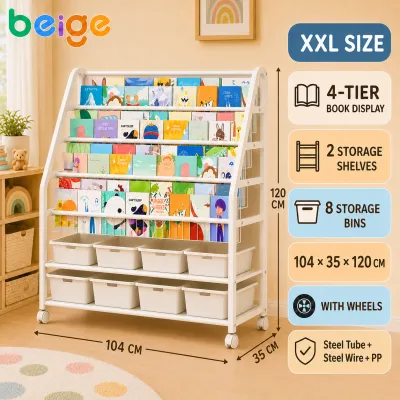
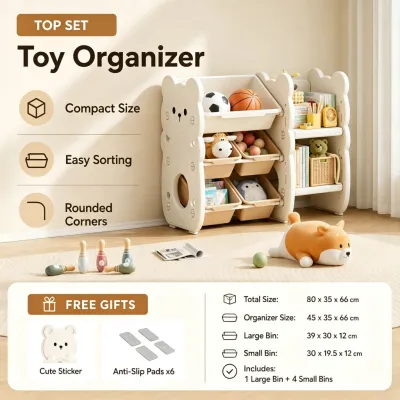
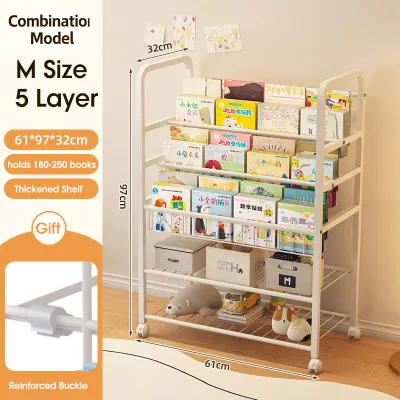
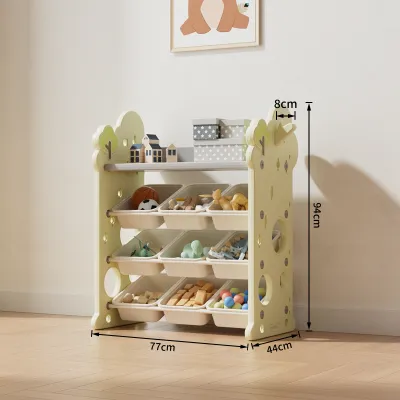
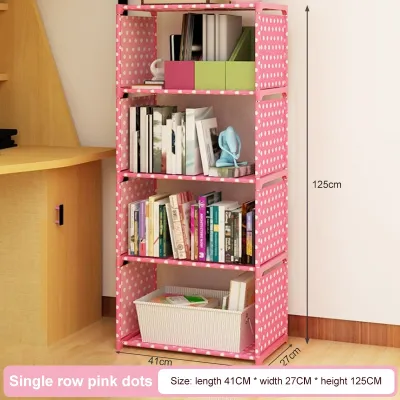
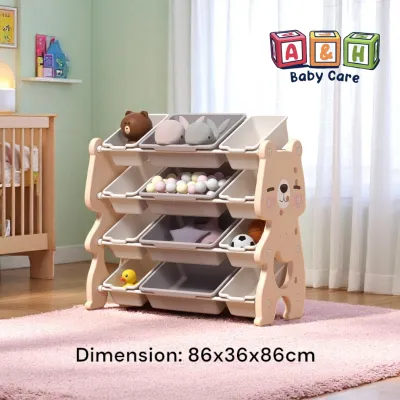
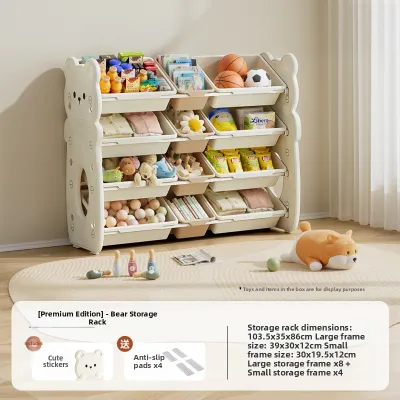
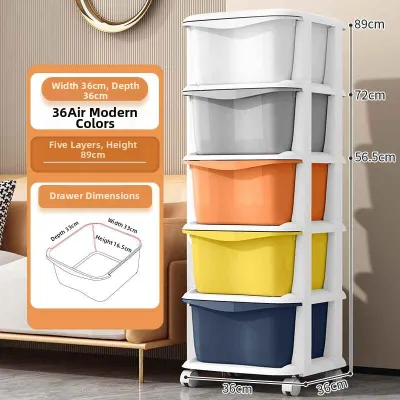
Prices are valid at publication and may change. Please refer to the product page for the latest price.
Safety First
When evaluating any children toy storage rack, safety must be your absolute priority. Look for designs that feature rounded corners and smooth edges to minimize the risk of bumps and bruises as your baby learns to crawl, cruise, and walk. Inspect the product specifications to verify that all paints, varnishes, and plastic components are certified non-toxic, lead-free, and safe for children who may occasionally chew on the edges. Crucially, check if the manufacturer includes a dedicated anti-tip mechanism or wall-anchoring kit. Because children naturally use shelves as support when standing up, any tall or lightweight rack poses a severe tipping hazard if it is not securely fastened to the wall.
Toddler Accessibility
An effective nursery storage rack should encourage independent play and early organization skills. To achieve this, prioritize low-profile designs that keep toys within your child’s natural line of sight and reach. Lightweight, open-top bins are ideal because they allow little hands to pull items out and push them back in without the risk of pinching fingers in heavy drawers or heavy wooden lids. As your child develops motor skills, being able to see and select their toys helps build confidence and cognitive decision-making. Ensure that the bins are easy to slide or lift out, allowing your child to participate in cleanup time under your close supervision.
Climate and Space Considerations
The tropical climate in the Philippines presents unique challenges for home furniture, particularly due to high humidity levels during the rainy season. Excessive moisture can cause low-quality engineered wood to warp, peel, or harbor mold and mildew, which can trigger allergies in sensitive babies. Therefore, it is essential to choose moisture-resistant materials, such as sealed solid wood, high-grade treated plastics, or breathable, washable fabrics. Additionally, urban living in metropolitan areas often means working with limited floor space. Compact, multi-tier designs with a small footprint allow you to maximize vertical storage without cluttering the nursery, leaving plenty of open floor space for safe tummy time and play.
Top Toy Storage Rack Types for Nurseries
There is no single storage solution that fits every nursery perfectly. Different designs cater to various age groups, room layouts, and parenting styles. Understanding the advantages and limitations of each storage rack type will help you select the option that best aligns with your family’s needs.

Wooden Racks with Removable Fabric Bins
Wooden racks paired with removable fabric bins offer a classic, warm aesthetic that integrates seamlessly into most nursery designs. The solid wooden frame provides a heavy, stable base that is less prone to wobbling compared to entirely plastic alternatives. The fabric bins themselves are lightweight, soft, and completely safe for young children to handle, eliminating the risk of painful impacts if a bin is accidentally dropped on a little foot.
When opting for this style, check the manufacturer’s care instructions to ensure the fabric bins are removable and either machine-washable or easy to spot-clean. Because fabric can absorb moisture and dust over time, regular cleaning is necessary to maintain a hygienic environment for your baby. Additionally, parents must verify that the wood finish is certified non-toxic and that the frame is constructed from durable materials that will not splinter or crack in humid conditions.
Plastic Multi-Tier Organizers
Plastic multi-tier organizers are highly practical, lightweight, and exceptionally easy to clean, making them a popular choice for high-mess play areas. Whether dealing with spilled milk, drool, or sticky finger paint, these racks can be quickly wiped down with a damp cloth and mild, baby-safe soap. They are also completely immune to the warping and mold issues that can affect wood and fabric in humid environments.
Before purchasing a plastic organizer, verify that the product labels explicitly state the materials are BPA-free, phthalate-free, and made from food-grade plastics. Inspect the molded edges of the bins and frame to ensure there are no sharp plastic burrs or rough seams left over from the manufacturing process. Because plastic frames are inherently lightweight, they have a higher center of gravity when loaded with toys. This makes securing them to the wall with an anti-tip strap absolutely mandatory to prevent the entire unit from falling forward if a child attempts to climb it.
Soft and Padded Storage Bins
For infants and crawling babies, soft and padded storage options—such as cotton rope baskets, canvas bins, or felt organizers—provide the safest introduction to toy storage. Because these bins have no rigid wooden or plastic frames, there are zero hard edges or sharp corners. If an active baby bumps into, falls over, or pulls down one of these containers, there is virtually no risk of injury.
These soft containers are perfect for storing plush toys, swaddles, blankets, and lightweight plastic rattles. Many cotton rope baskets feature built-in handles, making them easy to move from the nursery to the living room as needed. However, these soft bins lack the structural integrity required to hold heavy or bulky items, such as wooden blocks or heavy activity boards. If overloaded with heavy objects, they will sag, lose their shape, and may spill their contents across the floor.
Book-and-Toy Combo Display Shelves
Book-and-toy combo display shelves combine forward-facing book storage on the upper tiers with open toy bins on the lower levels. This dual-purpose design is excellent for fostering early reading habits, as displaying book covers forward (rather than showing only the spines) naturally attracts a child’s attention and curiosity. It also optimizes vertical space, making it a highly efficient choice for smaller nursery rooms.
Because these units combine books and toys, they tend to be taller and heavier than standard low-profile toy racks. It is crucial to verify the manufacturer’s specified weight limits for each shelf to avoid overloading the upper tiers, which can make the unit top-heavy. Always ensure that the tall frame is anchored securely to a wall stud using heavy-duty L-brackets or safety straps to eliminate any tipping hazard.
Quick Comparison of Nursery Storage Options
To help you decide which storage type best suits your nursery layout and your child’s current developmental stage, refer to the comparison table below. This summary highlights how each option performs across key practical dimensions.
| Storage Type | Stability | Toddler Accessibility | Cleaning Ease | Best Use Case |
|---|---|---|---|---|
| Wooden with Fabric Bins | High | High | Moderate (requires washing fabric) | Nurseries seeking a classic look with lightweight, safe bins |
| Plastic Multi-Tier | Moderate (requires anchoring) | High | High (simple wipe-down) | High-mess play areas and highly humid rooms |
| Soft and Padded Bins | Low (flexible structure) | High | Moderate (spot cleaning or washing) | Infants, crawling babies, and soft toy storage |
| Book-and-Toy Combo | High (must be anchored) | Moderate (upper shelves for parents) | Moderate (dusting and wiping shelves) | Small nurseries and promoting early reading habits |
Safety and Maintenance Tips for Toy Racks
Once you have selected and purchased the ideal toy storage rack, proper installation and ongoing maintenance are vital to ensuring a safe nursery environment. Taking proactive steps will protect your child from accidents and extend the lifespan of your furniture.
Anti-Tip Precautions
Securing your storage furniture to the wall is the single most important safety step you can take. Children are naturally curious and often attempt to climb shelves to reach a desired toy placed on an upper tier. To prevent dangerous tip-over accidents, always mount any storage rack over 50 centimeters tall directly to the wall.
In many Philippine homes, walls are constructed from solid concrete or hollow blocks rather than drywall. This means standard wood screws and plastic anchors included in imported furniture kits may not be sufficient. You will likely need to use a masonry drill bit, heavy-duty wall plugs (commonly referred to locally as “tox”), and appropriate screws to secure the L-brackets or furniture straps. Periodically inspect these wall anchors to ensure they remain tightly fastened and have not loosened due to daily wear and tear.
Climate Care
The combination of high heat and humidity in the Philippines can accelerate the deterioration of furniture materials if they are not properly maintained. To prevent mold and mildew growth on fabric bins and wooden frames, keep the nursery well-ventilated. If you use an air conditioner or a dehumidifier, monitor the room’s humidity levels to keep them within a healthy range.
During the wet, rainy season, take fabric bins outdoors to air out in direct sunlight on dry, sunny days, as UV rays naturally help eliminate mold spores and odors. For plastic storage units, avoid placing them in direct sunlight near windows for extended periods. Prolonged exposure to harsh tropical sunlight can cause plastic components to become brittle, faded, and prone to cracking over time.
Load Management
Understanding the physics of furniture stability can significantly reduce safety risks in the nursery. Always place the heaviest items—such as wooden blocks, heavy shape sorters, and thick board books—in the bottom bins of your storage rack. This lowers the center of gravity of the entire unit, making it much more stable and far less likely to tip over.
Reserve the upper shelves or bins for lightweight items like plush toys, stuffed animals, and baby blankets. Never exceed the manufacturer’s stated weight limits for individual shelves or bins. Regularly audit the storage rack to remove broken toys, check for loose screws on the frame, and ensure that toys are not piled so high that they could fall and injure a child playing below.
Frequently Asked Questions (FAQ)
At what age can a baby start using a toy storage rack?
Parents can use a toy storage rack from day one to keep nursery essentials, swaddles, and newborn toys organized. However, your baby will only begin interacting with the rack directly around 12 to 18 months. At this stage, toddlers are usually walking steadily, developing hand-eye coordination, and learning to grasp and move lightweight bins. Always ensure active adult supervision during these early interactions to prevent your child from leaning too heavily on the bins or attempting to climb the frame.
How do I prevent a toy rack from tipping over?
To prevent a toy rack from tipping, you must anchor it directly to a wall stud or solid concrete wall using furniture straps, safety cables, or metal L-brackets. Avoid relying on adhesive strips, which can fail under tension or degrade in humid weather. Additionally, always load the heaviest toys in the bottom bins to maintain a low center of gravity, and avoid placing the storage rack on thick, uneven carpets or shaggy rugs that could compromise its physical balance and stability.
Are plastic toy storage racks safe for nurseries?
Yes, plastic toy storage racks are safe for nurseries, provided you verify that they are manufactured from non-toxic, BPA-free, and phthalate-free materials. Before assembly, carefully inspect the plastic pieces for any sharp molding seams, rough edges, or small detachable parts that could pose a scratching or choking hazard. Because plastic units are lightweight, they must be properly anchored to the wall to prevent tipping when a child pulls on the bins.

Community discussion
Share your experience or ask a question. Comments are reviewed before publication.