
Finding the right toys storage organizer for your nursery is more than a matter of keeping the floor clear. It is about creating a safe, functional environment where your child can play, learn, and eventually participate in cleaning up. A single, massive toy chest rarely works because different toys require distinct storage methods. Soft plushies, tiny building blocks, heavy board books, and delicate figures all have unique shapes, weights, and safety considerations.
To build an organized nursery, you must match the storage solution to the specific toy category. The ideal setup combines low-profile, accessible bins for daily play with secure, high-level shelves for items that require adult supervision. By choosing specialized containers, you protect your child from safety hazards, preserve the condition of the toys, and make the daily routine of tidying up much more manageable for everyone.
How to Match Storage Solutions to Nursery Toy Categories
Before purchasing any new furniture, take the time to group your child’s toys into distinct categories. It is common to buy a beautiful shelving unit only to realize its compartments are too small for bulky stuffed animals, or too deep for tiny action figures. Grouping items into clear classifications—such as soft plushies, building blocks, books, and art supplies—prevents mismatched purchases. This step ensures that every item has a designated home that matches its physical dimensions and frequency of use.
Products mentioned in this guide
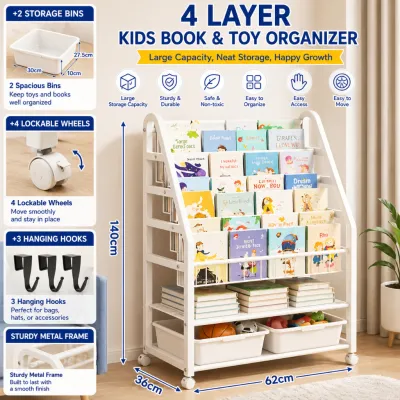
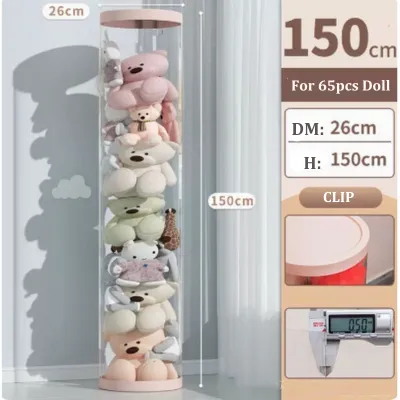
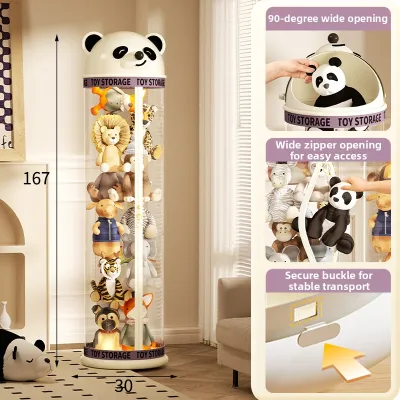
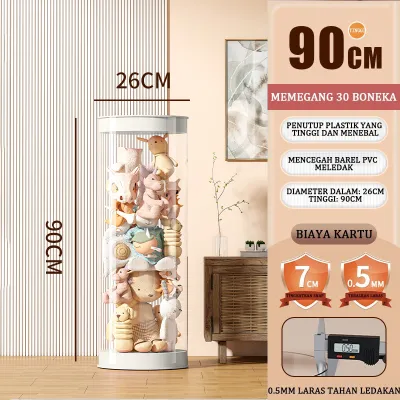
Prices are valid at publication and may change. Please refer to the product page for the latest price.
Child-level accessibility is the foundational principle of a functional nursery. When storage units are low to the ground, crawling babies and cruising toddlers can easily see and reach their toys. This independence encourages self-directed play, allowing your child to choose activities based on their current interests rather than relying on you to fetch items. Crucially, low-profile storage also makes clean-up an achievable task for young children, helping them develop motor skills and a sense of responsibility from an early age.
Environmental factors play a major role in nursery storage, especially in tropical climates like the Philippines. High humidity levels can trap moisture inside closed, non-breathable plastic containers, creating a breeding ground for mold, mildew, and musty odors on fabric toys. Dust accumulation is another constant challenge that requires frequent cleaning. To combat these issues, prioritize breathable materials like woven cotton baskets or open-mesh bins that promote airflow, and select smooth, non-porous surfaces that you can easily wipe down with a damp cloth during your weekly cleaning routine.
Best Storage Types for Plush Toys and Soft Items
Plush toys, baby blankets, and fabric dolls are lightweight, bulky, and highly irregular in shape. For these items, open-top canvas bins and woven cotton rope baskets are excellent choices. Because these containers do not have rigid, sharp corners, they are completely safe for babies to bump into. The open-top design allows toddlers to practice their coordination by tossing stuffed animals back into the basket, turning clean-up into a simple, low-effort game while keeping the toys highly visible.

If floor space is limited in a smaller nursery, look upward to utilize vertical space. Corner hammocks and hanging mesh nets are highly effective space-saving options that keep soft toys off the floor. These nets can be installed in unused corners or hung securely inside a closet. They keep a large collection of plushies visible and organized, adding a playful decorative element to the room. However, you must ensure these hanging organizers are installed well out of reach of infants and toddlers to prevent any pulling or entanglement risks.
While fabric and woven storage options are highly practical, they do have distinct limitations. Canvas and mesh bins lack a rigid internal structure, meaning they can sag, bulge, and look messy if they are overfilled. Additionally, soft fabrics easily absorb moisture, dust mites, and pet dander. To maintain a hygienic sleeping and playing environment, check the manufacturer’s care instructions and commit to washing fabric liners and woven baskets regularly, drying them thoroughly in the sun to eliminate allergens.
Ideal Organizers for Building Blocks and Small Figures
Building blocks, puzzle pieces, and small plastic figures present a unique storage challenge because they consist of numerous small parts that are easily lost. For these toys, multi-compartment drawer units or stackable plastic bins work best. To help young children who cannot yet read, attach clear picture labels or color-coded tags to the front of each drawer. This visual system guides your child to sort their blocks and figures independently, turning sorting into an educational matching activity.
For micro-organization within larger drawers, zippered mesh pouches and heavy-duty drawstring bags are incredibly useful. Instead of dumping loose building blocks directly into a large bin, group them into individual pouches first. This double-layer system keeps specific toy sets complete and prevents small parts from scattering across the nursery floor. It also makes it easy to grab a single, self-contained activity pouch when traveling or visiting relatives.
Safety is the absolute priority when managing small toy parts. If you have a crawling baby or a younger sibling in the nursery, small blocks and figures represent a severe choking hazard. Always store these items in secure, latching containers placed on high shelves that only an adult can reach. When selecting organizers, carefully inspect them for small detachable parts, such as plastic drawer pulls or decorative wooden knobs, which could break off and pose a hazard. Verify that all plastic bins are made from durable, non-toxic, BPA-free materials.
Top Display and Storage Solutions for Children's Books
Early literacy begins with making books an inviting part of the nursery. When choosing a storage solution, front-facing sling book racks are generally far superior to traditional spine-out bookshelves for babies and toddlers. Young children cannot read titles; they identify their favorite stories entirely by the colorful cover illustrations. A front-facing display showcases the covers, instantly catching your child’s eye and encouraging them to pick up a book and explore.
Sling book racks, typically constructed with soft canvas pockets suspended on a wooden or metal frame, allow children to easily slide books in and out. This low-friction design supports independent reading habits, as toddlers do not have to struggle with tight spaces or heavy bookends. Traditional bookshelves with spine-out storage are better reserved for older children, or for storing your backup collection of delicate paperbacks out of reach of curious toddler hands.
Because books are deceptively heavy, stability is a critical safety consideration for any nursery book display. Toddlers frequently use furniture to pull themselves up to a standing position, which can cause top-heavy shelves to tip over. Before placing any book rack in the nursery, verify that it has a wide, weighted base that resists tipping. For traditional wooden bookshelves or taller sling racks, it is a non-negotiable safety requirement to anchor the furniture securely to the wall using heavy-duty anti-tip straps.
Quick Comparison: Organizer Types by Toy Category
To help you quickly match your nursery’s current toy clutter with the most effective storage style, refer to the summary table below. This matrix outlines the best options based on safety, access, and maintenance.
| Toy Category | Recommended Organizer Type | Key Benefit | Primary Safety/Maintenance Check |
|---|---|---|---|
| Plush Toys | Open-top canvas bins & woven baskets | Soft, lightweight, and easy for toddlers to toss toys inside | Wash fabric regularly to prevent dust mites and mold |
| Blocks & Figures | Stackable clear bins & mesh pouches | Keeps tiny pieces contained and easy to sort with picture labels | Store out of reach of infants; check for small detachable knobs |
| Books | Front-facing sling book racks | Displays colorful covers to encourage early reading habits | Must have a wide, stable base; anchor tall units to the wall |
| Mixed Art Supplies | Multi-compartment rolling carts | Keeps messy supplies organized and highly portable | Store out of reach when unsupervised; check for non-toxic materials |
Essential Safety and Maintenance Checks for Nursery Storage
No matter which toys storage organizer you choose, safety must guide your installation and daily maintenance. The most critical step is anchoring all tall, heavy, or freestanding storage units to the wall. Chests of drawers, bookshelves, and heavy wooden cubby systems can easily tip forward if a child opens multiple drawers or attempts to climb the shelves. Use high-quality wall anchors, L-brackets, or anti-tip straps, and test the stability of the furniture regularly to ensure the connections remain tight.
Another major hazard in nurseries is the traditional wooden toy box with a heavy, free-falling lid. These lids have caused severe finger-pinch injuries and neck entrapment hazards for decades. To prevent these accidents, avoid heavy lids entirely. Opt for open cubbies with slide-out fabric bins, or ensure any lidded chest you use is equipped with safety lid supports or slow-close gas spring hinges. These hinges hold the lid open at any angle and prevent it from slamming down on small hands.
Routine maintenance is essential to keep nursery storage safe and hygienic over time. Periodically run your hands along wooden storage bins to check for splinters, cracked wood, or peeling paint. Inspect plastic bins for brittle areas or sharp, jagged edges that can form if the plastic is exposed to direct sunlight near windows. Finally, wash fabric liners and wipe down plastic surfaces with a mild, baby-safe sanitizer to keep the play environment free from accumulated dust, sweat, and germs.
Frequently Asked Questions (FAQ)
How high should toy storage be for a toddler?
For everyday toys that you want your toddler to access and clean up independently, storage bins should be kept at or below their eye level. Generally, this means keeping active toy shelves within a height range of 50 to 80 centimeters from the floor. Storing toys within this range allows your child to reach items comfortably without stretching or climbing. Any items stored above this height should be reserved for parental access only, such as heavy board games, messy art supplies, or toys with tiny parts meant for older siblings. Always ensure these higher shelves are securely anchored to the wall to prevent climbing temptations.
Are fabric bins safer than plastic bins for nurseries?
Fabric bins are generally safer for younger babies and toddlers because they are soft, lightweight, and completely collapsible. If a cruising baby loses their balance and falls against a canvas or cotton rope bin, there is virtually no risk of bruising or impact injury. However, plastic bins offer distinct advantages for older toddlers, especially when storing art supplies, sensory toys, or building blocks. Plastic is incredibly easy to wipe clean, sanitize, and dry. If you choose plastic bins, ensure they are made from durable, impact-resistant, BPA-free plastic with rounded edges, and inspect them regularly for cracks that could create sharp points.

Community discussion
Share your experience or ask a question. Comments are reviewed before publication.