
Choosing the right toy storage organizer rack for your nursery in the Philippines is a decision that directly impacts both your child’s safety and their daily development. In a tropical climate characterized by high humidity and dust, nursery furniture must be chosen with care to ensure it remains hygienic, durable, and structurally sound. The ideal storage solution is not simply a place to hide clutter; it is an active learning tool that supports your child’s transition from infancy to toddlerhood. By prioritizing low-profile accessibility, robust physical stability, and non-toxic materials, you can create a safe, organized, and inviting play space that fosters independence and early organizational skills.
What Makes a Toy Storage Rack Ideal for a Nursery?
Nursery storage requirements differ significantly from general household storage solutions. In a living room or adult bedroom, storage units are typically designed to maximize vertical space, featuring tall shelves or high cabinets that keep items out of sight and out of reach. In a nursery, however, vertical height is a major hazard. Tall, top-heavy furniture invites climbing, which can lead to catastrophic tipping accidents. An ideal nursery toy storage rack reverses this design philosophy by prioritizing a low-profile, horizontal layout that keeps all items within your child’s natural reach.
Tipping hazards represent one of the most critical safety concerns in a young child’s environment. Toddlers who are learning to stand or walk will naturally use furniture to pull themselves up, and older children often attempt to climb shelves to reach toys placed on higher levels. A nursery-specific storage rack must feature a wide, stable base and a low center of gravity. This structural design ensures that even if a child exerts forward pressure on the unit, the risk of the furniture tipping over is significantly reduced compared to standard bookshelves.
Products mentioned in this guide
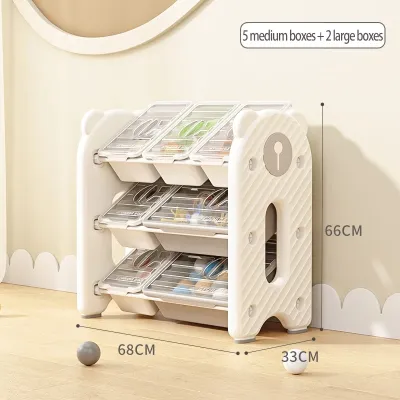
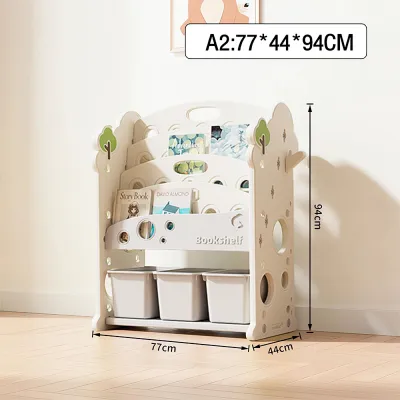
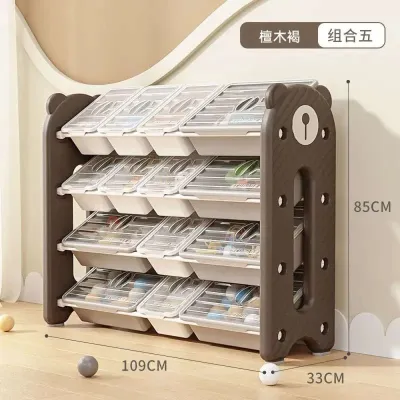
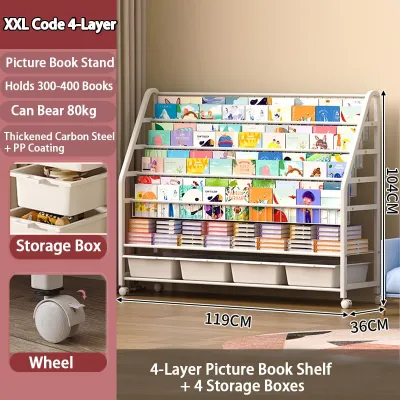
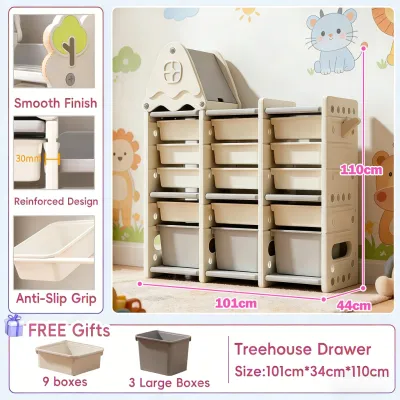
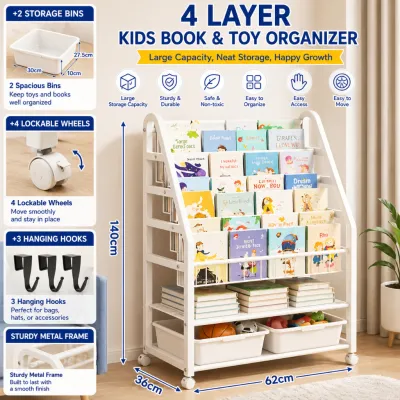
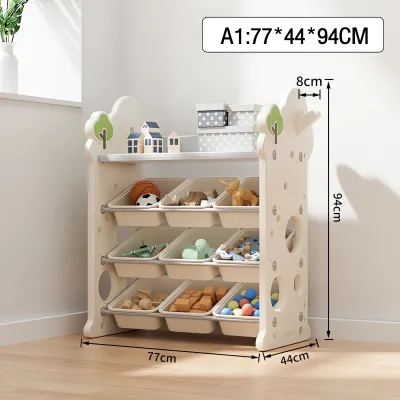
Prices are valid at publication and may change. Please refer to the product page for the latest price.
Beyond safety, low-profile storage is essential for supporting your child’s cognitive and motor skill development. When babies and toddlers can see and reach their toys independently, they are empowered to make choices, explore different textures, and engage in self-directed play. This accessibility also plays a vital role in establishing early clean-up habits. When a storage rack utilizes open shelves or simple, lightweight bins at floor level, putting a toy away becomes an achievable task for a toddler, turning organization into a positive, repetitive daily routine.
When evaluating potential storage racks, parents in the Philippines must consider three primary dimensions: structural stability, material safety, and climate resilience. The local climate presents unique challenges, as high humidity levels can cause cheap, untreated particleboard to warp, sag, or develop mold. Finishes must be completely non-toxic and lead-free, as teething infants frequently chew on accessible wooden or plastic edges. Furthermore, surfaces must be exceptionally easy to wipe down and sanitize to prevent the accumulation of dust and allergens in the humid air.
Ultimately, the best toy storage organizer rack is one that matches your child’s current developmental stage while offering the flexibility to adapt as their needs change. A newborn’s room requires storage for soft plushies, swaddles, and sensory items, whereas a toddler’s space needs to accommodate heavier wooden blocks, puzzle boards, and interactive toys. Recognizing these shifting requirements allows you to select a storage system that provides long-term utility and safety throughout your child’s early years.
Top Types of Toy Storage Organizer Racks for Babies and Toddlers
Selecting the right toy storage system requires matching the structural design of the rack to your child’s physical capabilities and the specific types of toys they own. A rack that is too complex, too deep, or too high will quickly become a source of frustration for both you and your child. When shopping at local baby specialty boutiques or browsing online marketplaces, look past temporary aesthetic trends and focus on these three primary structural styles, each offering distinct advantages for nursery environments.

Front-Facing Sling and Display Racks
Front-facing sling and display racks are designed to showcase books and flat toys with their covers or front sides facing outward. For infants and young toddlers, visual recognition is the primary way they identify their favorite items; they recognize a book by its colorful cover illustrations rather than its spine. This outward-facing layout makes reading and quiet play highly appealing and accessible, as children can easily spot and select what they want without assistance.
These racks typically feature soft fabric pockets—constructed from durable materials like canvas, cotton, or polyester—suspended between a lightweight wooden or plastic frame. The absence of hard wooden shelves at the upper levels reduces the risk of head bumps or bruised fingers, making this style exceptionally safe for early crawlers and toddlers who are still unsteady on their feet. The soft, flexible nature of the fabric pockets also adds a warm, cozy aesthetic to the nursery.
However, fabric sling racks have distinct weight and capacity limitations that parents must keep in mind. They are not engineered to support heavy wooden block sets, metal toy cars, or bulky electronic toys, which can cause the fabric to sag, the stitching to rip, or the frame to warp. Additionally, fabric can accumulate dust and absorb moisture more easily than solid wood or plastic. In humid regions of the Philippines, this means parents must commit to regular vacuuming and ensure the nursery remains well-ventilated to prevent musty odors or mildew.
Cube Storage Units with Removable Bins
Cube storage units are highly versatile and popular organizational systems for modern nurseries. These units consist of a grid-like frame made of wood, laminate, or heavy-duty plastic, creating individual square compartments. This modular design allows parents to customize the unit to suit their changing storage needs, making it a highly adaptable investment for a growing family.
The primary benefit of cube storage is its hybrid functionality. Parents can leave some cubes open to display beautiful wooden toys, books, or framed photos, while using removable bins in other cubes to conceal visual clutter and contain small, loose toy parts. This helps maintain a calm, visually serene nursery environment, which is essential for preventing sensory overstimulation before naptime or bedtime.
Removable bins for cube units are available in a variety of materials, including lightweight fabric, woven seagrass, and durable plastic. For a nursery, lightweight fabric or soft plastic bins with integrated, easy-to-grip handles are ideal, as they are easy for small hands to pull out and carry directly to a play mat. Always check the manufacturer’s specified weight limit for both the individual shelves and the entire frame to ensure the unit can safely support your child’s toy collection without sagging.
These units offer exceptional longevity, transitioning seamlessly through different childhood stages. In the first year of life, the cubes can hold diapers, wipes, swaddles, and receiving blankets. As your child grows into toddlerhood, those same compartments can house blocks, puzzles, and stuffed animals. Eventually, as your child enters school, the unit can be repurposed to store textbooks, art supplies, and folded clothing, providing excellent long-term value.
Low-Profile Wooden Toy Shelves
Low-profile wooden shelves are a cornerstone of Montessori-inspired nursery design, emphasizing order, simplicity, and child independence. These shelves are typically long, low to the ground, and completely open, featuring two or three wide tiers without any doors, drawers, or deep bins to block the view of the toys. This open design allows children to see all their play options clearly at a single glance.
This style of shelving is specifically intended to facilitate toy rotation, a practice where only a limited number of high-quality toys are displayed at any given time. By keeping the selection small and organized, you prevent your child from becoming overwhelmed by too many choices, which encourages longer attention spans and more creative, focused play. The wide, flat shelves also make it easy for toddlers to return each toy to its designated spot independently.
Solid wood or high-quality engineered wood (such as plywood with non-toxic veneers) offers unmatched durability and structural integrity. Unlike plastic or thin laminate, high-quality wood can withstand years of heavy use, resists sagging under the weight of heavy books, and provides a timeless, natural aesthetic. To withstand the tropical humidity of the Philippines, look for wood that has been treated with a moisture-resistant, non-toxic sealant to prevent warping and to make wiping down dust and spills simple.
While wooden shelves are highly stable due to their weight, this very weight makes them a serious hazard if they tip over. Toddlers often view wide shelves as steps and may attempt to climb them to reach items. Therefore, it is a non-negotiable safety step to anchor even the lowest wooden shelves securely to the wall using heavy-duty furniture straps or brackets, ensuring the unit cannot tip forward under any circumstances.
Essential Safety and Durability Checks for Nursery Furniture
Before purchasing and assembling any toy storage organizer rack, parents should perform a comprehensive safety and durability checklist. Because nursery furniture is subjected to daily physical interaction from curious and active children, verifying the build quality and safety features of a unit is essential for preventing accidents. Use the following guidelines to evaluate any rack before placing it in your child’s room.
- Tipping Hazards and Wall Anchors: Tipping accidents are among the most common and preventable furniture-related injuries in children's rooms. Every toy storage rack, regardless of its height, width, or weight, must be anchored securely to the wall. When mounting furniture in Filipino homes, you are often dealing with solid concrete or masonry walls rather than wooden studs and drywall. Ensure you use high-quality masonry wall plugs and screws to guarantee a firm, permanent hold, and check the anchors periodically to ensure they remain secure.
- Material and Finish Safety: Because babies and toddlers explore their environment through touch and taste, the chemical safety of nursery furniture is paramount. Carefully check product labels and manufacturer specifications to verify that all paints, varnishes, and sealants are non-toxic, lead-free, and water-based. If you are choosing engineered wood products, look for low-formaldehyde emission ratings (such as E0 or E1 standards) to ensure the furniture does not off-gas harmful chemicals into your baby's sleeping environment.
- Hardware and Edges: Inspect the physical construction and hardware of the rack before assembly. All screws, bolts, and connector pins should be fully recessed or covered with smooth safety caps to prevent them from catching on your child's clothing or scratching their delicate skin. Avoid any designs with sharp corners, exposed splinters, or small decorative knobs that could loosen over time and become a choking hazard. Edges should be rounded or beveled to soften the impact of accidental bumps.
- Weight Distribution: Proper loading is a simple yet highly effective way to increase the stability of your nursery furniture. When organizing the rack, always place the heaviest items—such as thick board books, wooden blocks, and large toy vehicles—on the lowest shelves or bottom bins. This deliberate weight distribution lowers the overall center of gravity of the unit, making it significantly more stable and far less likely to tip forward even if a child pulls on the upper shelves.
Tips for Organizing and Rotating Toys on Your Rack
Once you have selected and secured a safe toy storage rack, organizing it effectively can transform the atmosphere of your nursery. A well-structured organization system reduces visual clutter, supports your child’s cognitive development, and makes daily cleanup a stress-free routine. Use these practical strategies to maximize the utility of your storage rack.
Implementing a systematic toy rotation plan is the key to maintaining a tidy nursery and keeping your child engaged. Instead of piling every single toy onto the rack, display only five to ten items at a time and store the rest out of sight in closed storage boxes or a closet. Every two to three weeks, swap the displayed toys with those in storage. This simple rotation makes old toys feel brand new, sustaining your child’s curiosity and preventing the sensory overload that often leads to short attention spans.
Categorizing toys by type or activity helps your child develop cognitive sorting skills and makes clean-up time much easier. Use clear, durable plastic bins or attach simple picture labels to the front of fabric bins—such as a drawing of a car for the vehicle bin or a block for the construction bin. This visual guidance allows toddlers to understand exactly where each toy belongs, fostering a sense of order and self-reliance before they can even read.
Encouraging your toddler to participate in tidying up is a valuable developmental step that can be supported by smart shelf design. Keep their absolute favorite and most frequently used items on the lowest, most accessible shelves so they can easily retrieve and return them. Keep clean-up routines positive and low-pressure, framing it as a fun transition activity at the end of playtime rather than a chore.
Regularly inspect your toy storage organizer rack for wear and tear to ensure it remains safe for daily use. Check the stitching on fabric slings for any signs of fraying or ripping, inspect plastic bins for stress fractures or sharp cracks, and test the stability of wooden frames. Tighten any screws or wall anchors that may have loosened over time due to daily vibrations, room cleanings, or your child pulling on the frame.
Frequently Asked Questions (FAQ)
At what age should I transition from a baby toy box to an organizer rack?
The transition from a traditional deep toy box to an organized rack can begin as early as 6 to 9 months, which is when babies typically start crawling, sitting up independently, and pulling themselves up. At this stage, a low-profile, soft-edged rack allows them to see and choose their own toys safely. Taller, more complex organizer racks with removable plastic or fabric bins are best introduced around 18 months to 2 years of age, when toddlers have developed the motor skills and coordination required to pull out, carry, and replace bins without losing their balance.
Are plastic toy storage bins safe for a nursery?
Yes, plastic toy storage bins are highly safe and practical for a nursery, provided you verify they are made from non-toxic, food-grade, BPA-free, and phthalate-free plastics. When shopping, look for bins with thick, durable walls that will not crack or shatter into sharp pieces if dropped or stepped on. Ensure the edges and handles are completely smooth and rounded to prevent scratches on sensitive skin, and avoid bins with small, detachable plastic clips or accessories that could pose a choking risk.
How do I clean and maintain a fabric toy storage rack?
In the humid climate of the Philippines, fabric toy storage racks require regular maintenance to prevent dust accumulation and mold growth. Vacuum the fabric pockets weekly using a brush attachment, or wipe them with a dry microfiber cloth. For minor stains, spot-clean with a damp cloth and a mild, baby-safe detergent. Always consult the manufacturer’s care label before machine washing removable fabric slings or bins. After washing or damp cleaning, it is absolutely essential to let the fabric dry completely in a well-ventilated area or under direct sunlight to ensure no moisture remains to trigger mold or mildew.

Community discussion
Share your experience or ask a question. Comments are reviewed before publication.