
Selecting the best toy rack for a small nursery requires balancing storage capacity, safety, and physical footprint. The ideal solution maximizes vertical wall space, serves multiple functions, or offers mobility, ensuring the room remains highly organized without feeling cramped.
In a limited space, every square centimeter of floor area is highly valuable. A well-chosen storage system keeps essential baby items accessible while maintaining a calm, clutter-free environment that supports your child’s sleep and developmental needs.
Assessing Your Nursery's Layout and Available Space
In practical terms, a small nursery is often a compact room or a shared corner of a master bedroom, typical in urban condominiums and townhouses where floor space may range from 6 to 10 square meters. Once you place a standard crib, a changing table, and a nursing chair, the remaining open floor area shrinks rapidly.
Products mentioned in this guide
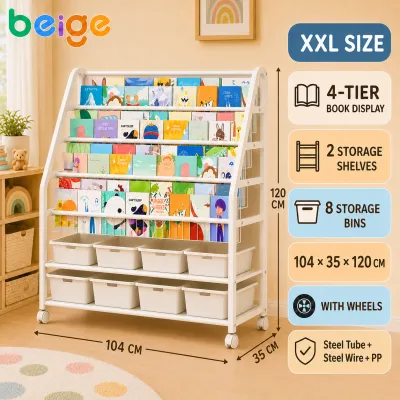
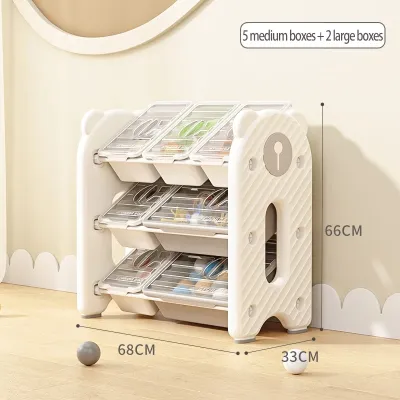
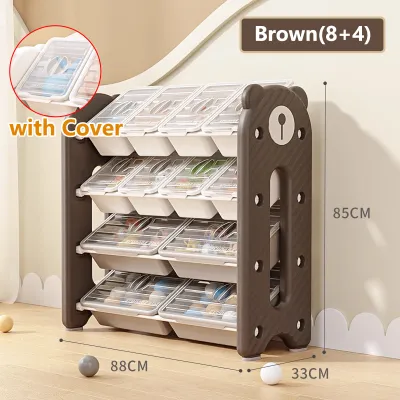
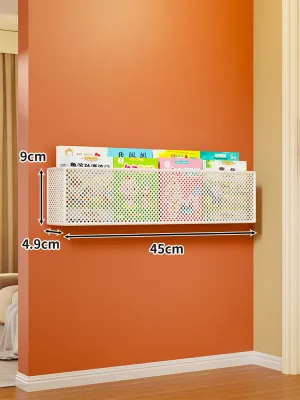
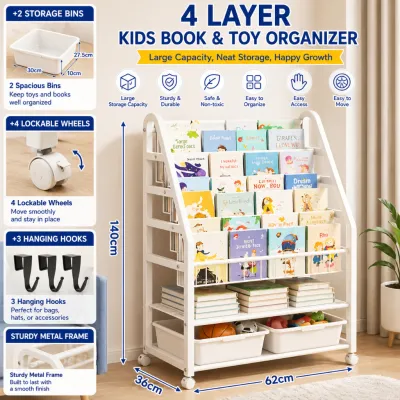
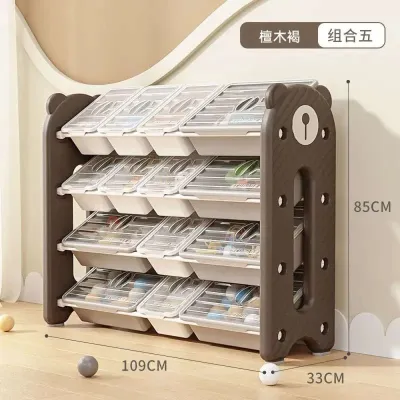
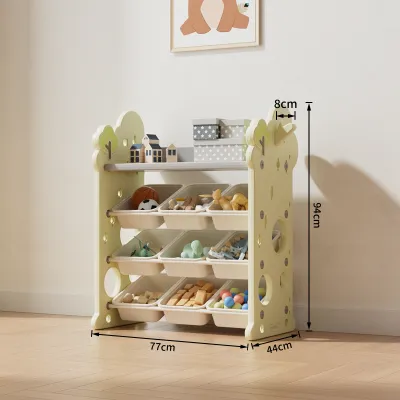
Prices are valid at publication and may change. Please refer to the product page for the latest price.
Before purchasing any storage furniture, you must identify hidden storage opportunities that do not consume active floor space. Look upward to find unused vertical wall areas, explore awkward corner nooks, or consider the empty space beneath the crib which can accommodate shallow rolling storage boxes.
Mapping the room’s traffic flow and your daily movement patterns is crucial for safety. You need to ensure that any toy rack you introduce does not obstruct the direct path between the door, the crib, and the changing table, especially during late-night feeding sessions or diaper changes in low light.
Always measure the exact dimensions of your intended spot with a physical tape measure rather than relying on visual estimates. Take careful note of baseboards, low-hanging window sills, electrical outlets, and wall switches, as well as the placement of wall-mounted fans or air conditioning units, which can restrict where tall units can safely stand.
Best Toy Rack Designs for Space-Limited Nurseries
Choosing the right design involves evaluating how a rack utilizes space while keeping toys accessible to both caregivers and growing children. Different configurations offer unique advantages depending on your room’s specific layout and your storage priorities.

Vertical and Tiered Storage Racks
Building upward is one of the most effective ways to multiply your storage capacity without sacrificing precious floor area. Slim, tall bookshelf-style racks or tiered units featuring forward-facing book displays and shallow, angled bins are excellent for utilizing vertical wall space efficiently.
When selecting a vertical rack, always compare its physical footprint against its total storage volume to ensure it truly saves space. A unit that is exceptionally wide or deep might crowd a narrow room, whereas a tall, shallow design keeps the center of the room open and accessible.
Safety is the most critical consideration for any vertical furniture in a child’s room. As babies grow, learn to pull up, crawl, and eventually climb, tall racks present a significant tipping hazard. Always verify the age suitability, weight limits, and manufacturer warnings from the specific product documentation before use, rather than relying on general product names. You must evaluate every tall unit’s stability, verify the manufacturer’s weight limits, and plan to anchor the rack securely to the wall.
Wall-Mounted and Over-the-Door Organizers
For exceptionally tight nurseries where floor space is entirely consumed by essential furniture, zero-footprint storage solutions are highly effective. Floating shelves with front safety lips are excellent for displaying books or holding lightweight, soft storage baskets.
Over-the-door organizers can be easily hung on the back of the nursery door or closet door to store small plush toys, rattle socks, or lightweight baby care supplies. This utilizes a surface that would otherwise remain completely unused, keeping clutter off the floor.
Before drilling or installing wall-mounted shelves, check the manufacturer instructions for both the shelving unit and your wall-mounting hardware. If the instructions conflict or the wall type is unidentified, stop and consult a qualified professional. You must ensure that the wall anchors used are appropriate for your specific wall type, such as concrete or hollow blocks common in local homes, to support the dynamic weight of the toys. Always position these organizers completely out of your baby’s reach from both the floor and the crib to prevent pulling hazards.
Multi-Functional Furniture with Hidden Storage
Combining multiple functions into a single piece of furniture reduces the total number of items in the nursery, creating a more open environment. A sturdy storage bench or a padded ottoman can provide a comfortable seat for caregivers during playtime while hiding bulky blankets or soft toys inside.
You can also select changing tables designed with deep lower shelves or open cubbies that can seamlessly transition into toy racks once the diapering phase ends. This adaptability extends the lifespan of the furniture and prevents the need to purchase additional storage units later on. While multi-functional pieces may require a slightly higher initial investment of a few thousand ₱ (PHP) compared to basic plastic tubs, their long-term utility makes them highly cost-effective.
Before purchasing multi-functional furniture, always check the internal dimensions of the hidden compartments. Ensure they can accommodate the specific size of storage bins or toy boxes you plan to use, as awkward interior dividers can limit practical storage capacity.
Rolling Carts and Mobile Bins
Flexibility is incredibly beneficial when managing a small nursery layout. Three-tiered rolling utility carts are highly popular because they can be easily tucked into narrow gaps beside a wardrobe or rolled under a floating changing table when not in use.
A mobile cart allows you to easily transport toys from the nursery to a shared living space for daytime play, and then roll them back for clean-up, helping to maintain a calm, sleep-conducive environment in the nursery.
When choosing a rolling cart, inspect the quality of the wheels. Ensure the cart features reliable locking mechanisms on at least two wheels to prevent it from shifting on hard floors or rolling near the crib where a baby might try to use it for support.
Essential Measurements and Safety Clearances
To ensure your chosen toy rack integrates seamlessly and safely, precise spatial planning is mandatory. Start by measuring the footprint, but do not stop there. You must account for the door swing radius. Open the nursery door fully and measure the clearance behind it; a rack placed too close can prevent the door from opening completely, creating an annoying bottleneck or damaging the wall and the furniture.
Safe clearance from the sleep area is a critical safety rule. Never place a toy rack directly next to or within arm’s reach of the crib. As babies develop motor skills, they can reach through crib slats to pull heavy toys or bins down onto themselves, or use the rack’s shelves as footholds to climb out of the crib, risking a dangerous fall. Keep a minimum clearance of at least 90 centimeters between the crib and any shelving units. If you are unsure about the safety of your nursery setup or if your child repeatedly attempts to climb the furniture, stop using the rack in that area immediately and consult a child safety professional.
Don’t forget the transit route. Measure the width of your doorways, narrow hallways, and staircases. A pre-assembled or flat-packed box that is too bulky to navigate tight corners will cause major frustration on delivery day.
To optimize stability, apply proper weight distribution principles. Always place the heaviest items—such as wooden blocks, heavy board books, or mechanical toys—on the lowest shelves. This lowers the unit’s center of gravity, making it significantly less likely to tip over if bumped or pulled. Keep lightweight items, like plush toys or swaddles, on the upper tiers.
Common Sizing and Placement Mistakes to Avoid
A frequent mistake is purchasing a toy rack based solely on its advertised bin capacity or aesthetic appeal without verifying its external depth. A rack that protrudes even 10 centimeters too far into a narrow walkway can make the room feel incredibly cramped and lead to stubbed toes during dark, late-night checks.
Placing a tall, unanchored rack near high-traffic areas or next to a changing table is incredibly risky. Toddlers are naturally curious and will attempt to climb shelves to reach an attractive toy. If the unit is not anchored, this can result in a catastrophic tip-over accident.
Overlooking bin depth can also ruin your storage plan. Extremely deep, non-removable bins might hold a lot of items, but they encourage clutter because toys get buried at the bottom. In a small room, deep bins can physically block access to adjacent drawers or closet doors, creating daily frustration.
Consider the visual weight of the furniture. In a small nursery, a bulky, dark-colored, solid-panel wooden cabinet can absorb light and make the room feel like a closet. Instead, opt for open, light-colored wire frames, slatted bamboo, or light wood finishes. These materials allow light to pass through, creating an airy, more spacious feel while still providing the necessary storage. Always verify the product’s safety certifications and check for any active product recalls on the manufacturer’s website before finalizing your purchase.
Frequently Asked Questions (FAQ)
How do I keep a small toy rack from tipping over?
Securing your furniture is non-negotiable for child safety. Always use heavy-duty anti-tip straps or metal L-brackets to anchor the toy rack directly to the wall. In the Philippines, where concrete or hollow-block walls are standard in many homes, you must use concrete wall plugs (tox) and appropriate screws to ensure a secure hold; standard drywall anchors will not suffice. Do not rely on the rack’s base weight or a wide footprint to keep it stable. As children learn to cruise or climb, they exert significant leverage on shelves. Always follow the manufacturer’s installation instructions, check the weight limits for each shelf, and regularly inspect the anchors to ensure they remain tight and secure over time.
Are fabric toy bins better than plastic ones for small spaces?
Both materials have distinct advantages, and the best choice often depends on your specific environment and what you are storing. Fabric bins are lightweight, soft, and usually collapsible, which is highly beneficial in tight spaces where bumps and collisions are inevitable. They have no sharp corners, reducing the risk of minor injuries. However, in the humid, tropical climate of the Philippines, fabric bins can trap moisture and are susceptible to mold or mildew if kept in poorly ventilated areas. Plastic bins, on the other hand, are durable, easy to wipe clean, and resistant to moisture, making them excellent for storing art supplies or plastic blocks. However, they take up a fixed amount of space even when empty and can crack if stepped on. A practical approach is to use a mix of both: lightweight fabric bins for soft toys on higher shelves, and easy-to-clean plastic bins on lower shelves for heavier items.

Community discussion
Share your experience or ask a question. Comments are reviewed before publication.