
The best toy organizer with a bookshelf for a baby’s nursery in the Philippines combines structural stability, child-friendly ergonomics, and climate-resilient materials. Because nurseries must balance safety with accessibility, the ideal unit features a low center of gravity, non-toxic finishes, and a design that withstands high tropical humidity. Selecting the right storage solution helps keep your baby’s room tidy while fostering early development and independence.
In Filipino households, choosing nursery furniture also means accounting for unique environmental factors. From managing limited space in urban condominiums to protecting books from seasonal mold during the monsoon season, your storage needs are highly specific. By focusing on practical design elements, you can find a combo unit that serves your family safely for years.
What to Look for in a Safe Nursery Storage Combo
Safety is the absolute priority when selecting any piece of nursery furniture. Rounded corners are essential to prevent injuries when babies start pulling themselves up to stand or begin taking their first steps. Non-toxic finishes, such as lead-free paint or water-based varnishes, must be verified by checking the manufacturer’s product documentation, as babies frequently mouth furniture surfaces during teething. A low center of gravity prevents the unit from tipping forward when a child pulls on a shelf or attempts to climb it.
Products mentioned in this guide
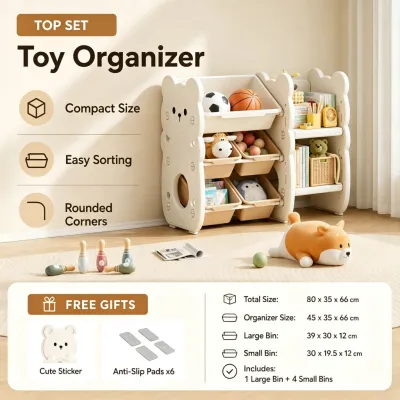
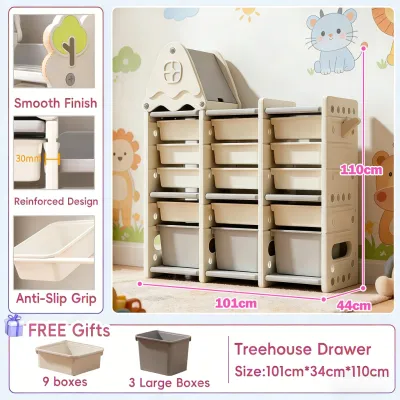
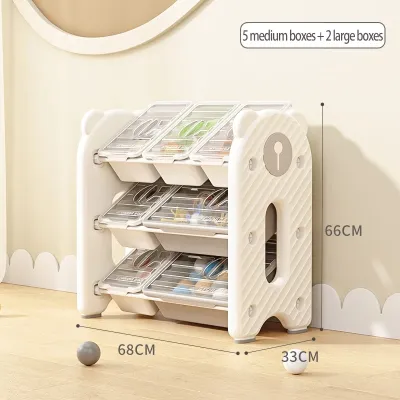
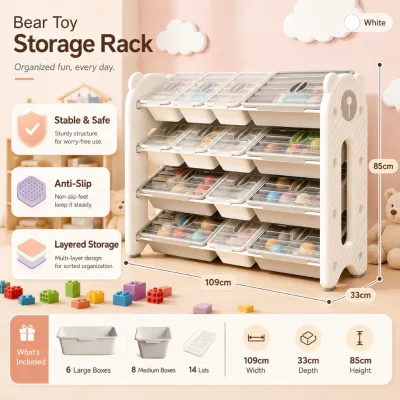
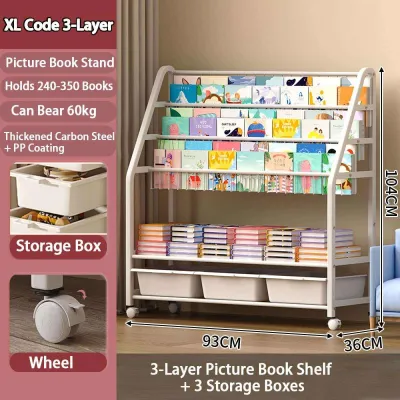
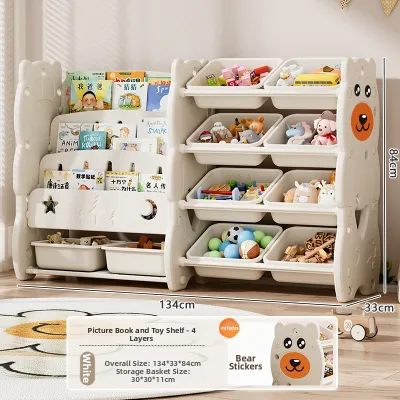
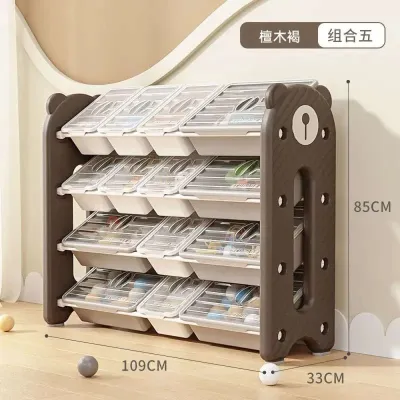
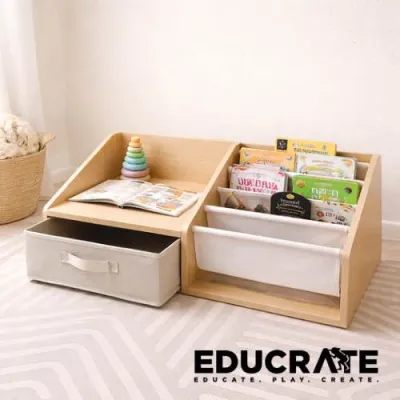
Prices are valid at publication and may change. Please refer to the product page for the latest price.
Any tall or heavy storage unit must be secured to the wall using reliable anti-tip hardware. Even if a bookshelf feels sturdy on its own, the weight of books on upper shelves combined with a child’s weight can easily cause a tip-over accident. Caregivers must ensure that these safety anchors are installed correctly before allowing a child near the furniture.
Ergonomics play a vital role in encouraging your child’s developmental milestones. Front-facing book displays allow babies and toddlers to see the colorful covers of their books rather than just the spines, which naturally stimulates interest in reading. Shelving and toy bins should be positioned at a child-friendly height, typically below 40 inches, so that toddlers can independently reach their favorite items and practice putting them away.
Tropical climates require careful material selection to prevent premature wear and health hazards. The high humidity typical of the Philippines can cause solid wood to warp and cheap fiberboard (MDF) to degrade or harbor mold. Look for moisture-resistant finishes, treated woods, or well-ventilated designs that allow air to circulate freely around books and toys.
Versatility ensures that your investment lasts beyond the infancy stage. A baby’s storage needs change rapidly as they grow from an infant into an active toddler. Opt for systems with adjustable shelves or removable, modular bins that can transition from holding small baby rattles and soft cloth books to accommodating larger plastic toys and heavy board books.
Best Toy and Book Storage Styles for Your Nursery
Finding the perfect storage solution is not about chasing a single brand; rather, it is about selecting a structural style that matches your nursery’s layout, your child’s developmental stage, and your home’s environmental conditions. Let’s explore the three most practical design categories for combined toy and book storage.

Low-Profile Cubby Organizers with Removable Bins
Best For: This style is best for toddlers who are learning to clean up independently, as well as nurseries where wall-mounting heavy wooden furniture is difficult or restricted by rental agreements.
Key Features: These units feature open, square cubbies at ground level that house lightweight, slide-out bins. The upper or side sections often include flat shelves or shallow ledges designed specifically for books. Because of their horizontal, low-to-the-ground profile, they are naturally stable and easy for small children to navigate without assistance.
Limitations: Fabric bins can act like sponges in humid Philippine weather, trapping dust, pet dander, and airborne moisture, which can lead to musty odors or mold. Additionally, because the bookshelf portion is usually integrated into a compact frame, these units generally have a lower overall book capacity compared to dedicated vertical bookshelves.
Buying Advice: When selecting a cubby organizer, always check the manufacturer’s specified weight capacity for each shelf to ensure it can support heavy board books. Look for bins with reinforced handles and durable, wipeable fabrics or plastic alternatives that can withstand daily wear and tear.
Solid Wood Bookshelf and Toy Box Hybrids
Best For: This classic design is best for parents seeking a long-term investment piece that transitions seamlessly from a baby’s nursery to an older child’s bedroom or a family living room.
Key Features: Combining a deep, spacious toy chest or pull-out drawer at the bottom with traditional vertical bookshelves on top, these units offer exceptional durability. They provide ample space for heavy hardcover books, large plush toys, and boxed play sets while maintaining a timeless, elegant aesthetic.
Limitations: Due to their height and top-heavy design when loaded with books, these solid wood units pose a severe tipping risk and must be anchored to the wall. Furthermore, solid wood is sensitive to environmental fluctuations; extreme humidity or direct sunlight from nursery windows can cause the wood to warp, crack, or lose its finish over time.
Buying Advice: Prior to purchase, verify that the wood treatment and paint carry non-toxic certifications, as cheaper varnishes may emit volatile organic compounds (VOCs). Ensure that any toy box lid features a slow-closing safety hinge or a finger-guard gap to prevent the heavy lid from slamming down on small hands.
Modular Shelving Units with Front-Facing Display Ledges
Best For: This modern style is best for parents who want to encourage early literacy by displaying book covers outwardly, and for compact nurseries where maximizing vertical wall space is essential.
Key Features: These units combine narrow, forward-facing book rails on the upper levels with open storage cubes for toys below. By showcasing the colorful covers of books rather than their spines, these shelves naturally catch a child’s attention, making reading time more inviting and interactive.
Limitations: Because front-facing books and open toy cubbies display everything in plain sight, this style requires more frequent tidying to prevent the nursery from looking cluttered. Additionally, because these systems utilize vertical wall space, they absolutely require secure wall anchoring to prevent structural failure.
Buying Advice: Carefully measure your nursery’s wall space and check the manufacturer’s installation guidelines to ensure your wall type can support the unit. Look for modular systems that allow you to adjust the height of the display ledges or add extra toy bins as your child’s collection of books and toys expands.
Comparing Storage Styles for Your Nursery Space
To help you decide which storage configuration is most suitable for your home, the table below compares the three primary design styles across key practical dimensions.
| Storage Style | Best Use Case | Tipping Risk Level | Humidity Maintenance |
|---|---|---|---|
| Low-Profile Cubby Organizers | Best for independent toddler cleanup and easy access. | Low tipping risk due to horizontal design. | Wash and dry bins regularly to prevent mold buildup. |
| Solid Wood Hybrids | Best for long-term durability and classic nursery aesthetics. | High tipping risk; requires secure wall anchoring. | Keep away from damp walls and apply non-toxic wood polish. |
| Modular Display Shelves | Best for promoting early reading habits and saving floor space. | High tipping risk; must be anchored to wall studs. | Dust ledges frequently and monitor wall anchors for stability. |
When choosing between these styles, cross-reference the dimensions and weight limits of each unit with your specific nursery floor plan. Be sure to check local furniture boutiques or trusted online marketplaces for exact product measurements and shipping weights, ensuring the unit fits comfortably in your space without blocking doorways or air conditioning units.
Setup and Maintenance Tips for Philippine Homes
In the Philippines, securing heavy nursery furniture is a critical safety step due to regular seismic activity and occasional typhoons. Always use the anti-tip hardware kits provided by the manufacturer, or purchase heavy-duty aftermarket furniture straps. If your nursery walls are made of concrete or concrete hollow blocks (CHB)—which is common in Filipino homes—ensure you use appropriate masonry wall plugs and screws rather than standard drywall anchors to secure the unit firmly.
High tropical humidity can quickly damage nursery furniture and books if left unchecked. To prevent mold and warping, leave a gap of at least two to three inches between the back of the storage unit and the wall to encourage proper air circulation. Place moisture-absorbing sachets or dehumidifier tubs inside enclosed toy bins, and avoid positioning the bookshelf directly under or next to air conditioning vents, as the temperature difference can cause condensation to form on the wood.
Children are naturally curious and may attempt to climb shelves or pull on bins during play. Establish a routine check every few months to tighten loose screws, inspect the wall anchors for any signs of loosening, and check fabric bins for mildew. If you notice any structural instability, peeling paint, or mold growth, stop using the affected parts immediately and consult a professional or contact the manufacturer for replacement components.
Keep your baby’s environment clean by using mild, baby-safe detergents and damp cloths to wipe down wooden surfaces. Avoid harsh chemical cleaners or bleach, which can strip the non-toxic protective finishes of the furniture. For fabric storage bins, check the manufacturer’s care label to see if they are machine-washable; always ensure they are completely dry—preferably sun-dried—before placing them back in the nursery to prevent musty odors.
Frequently Asked Questions (FAQ)
How high should a nursery bookshelf be for a toddler?
For independent toddler access, the top shelf of a nursery bookshelf should generally be no higher than your child’s eye level or comfortable reach, which is typically between 30 to 40 inches (75 to 100 centimeters) from the floor. Keeping books and toys within this height range allows toddlers to choose their activities and clean up afterward without needing adult assistance. Taller shelving units can still be utilized in a nursery for parent-only storage—such as diaper supplies, keepsake items, or books reserved for bedtime reading—but these taller units must be strictly anchored to the wall and kept completely out of the child’s climbing reach to prevent accidents.
Are fabric storage bins better than plastic ones in a humid climate?
In the humid climate of the Philippines, plastic storage bins are generally more practical than fabric ones because they are non-porous, highly resistant to mold, and easy to wipe clean with a damp cloth. Fabric bins offer a softer, quieter aesthetic that many parents prefer for a cozy nursery, but they require much more maintenance in tropical environments. If you choose fabric bins, ensure they are made of breathable, machine-washable materials, and wash them regularly. Always make sure fabric bins are completely dry before returning them to the shelves, as any trapped moisture can quickly lead to mildew and musty smells.

Community discussion
Share your experience or ask a question. Comments are reviewed before publication.