
Finding the right toys organizer storage rack for your nursery in the Philippines is one of the most practical steps you can take to create a safe, orderly, and stimulating environment for your child. In a tropical climate characterized by high humidity and seasonal rain, toy storage must do more than just hold playthings. The ideal storage solution must actively resist moisture, fit into your home’s physical layout, and adapt to your baby’s rapid developmental milestones.
By choosing a storage system designed for accessibility and durability, you encourage your child to develop early independence and organizational skills. This guide explores the essential factors to consider when selecting a toy organizer, details the most effective rack designs for young children, and outlines critical safety checks to keep your nursery secure.
How to Choose the Right Toy Storage Rack for Your Nursery
Selecting nursery furniture requires balancing immediate storage needs with long-term usability. Because your baby’s physical abilities and play styles change rapidly during their first three years, a static storage unit can quickly become obsolete. Evaluating how your child interacts with their environment helps you choose a rack that supports their growth rather than creating physical barriers.
Products mentioned in this guide
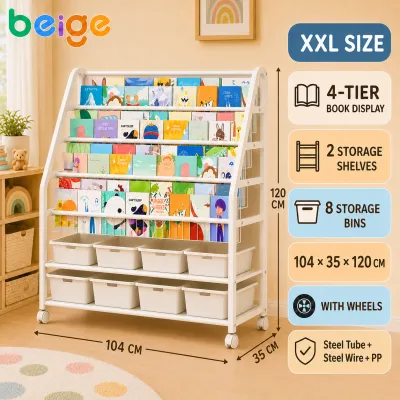
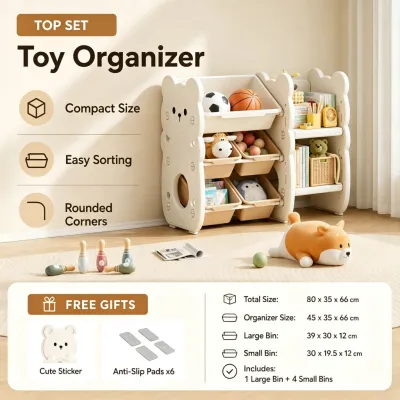
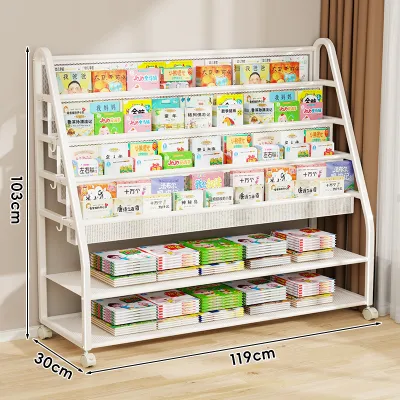
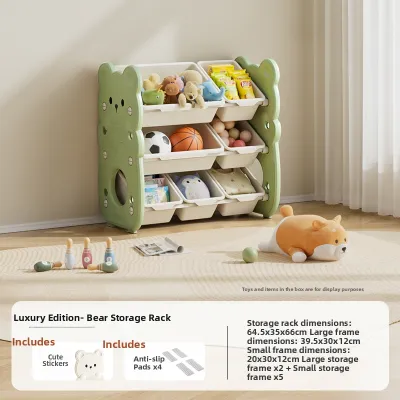
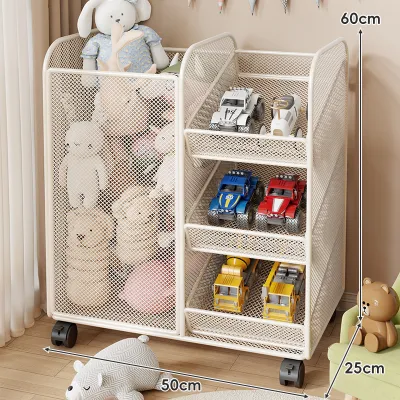
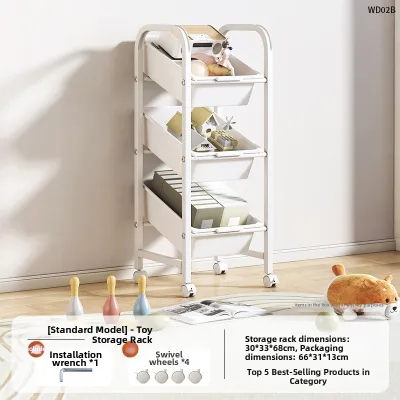
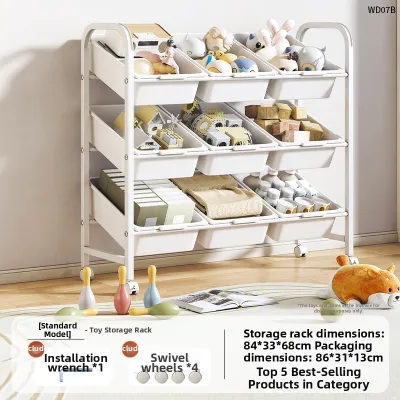
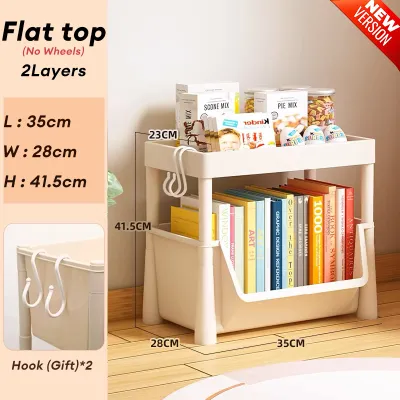
Prices are valid at publication and may change. Please refer to the product page for the latest price.
Accessibility and Independence
Your child’s developmental stage should dictate the height and style of their toy storage. Between 12 and 18 months, toddlers begin to walk steadily and display a strong desire to choose their own activities. Low-profile, front-facing storage racks with open bins allow crawling babies and toddlers to see their toys clearly and reach them without needing adult assistance.
Conversely, closed cabinets or high shelves are better suited for items that require direct caregiver supervision, such as paint sets, small-piece puzzles, or heavy board books. Utilizing a mix of accessible and restricted storage zones helps you manage playtime safely while still fostering your child’s confidence and decision-making skills.
Space and Layout Planning
Filipino homes and urban condominiums often require creative space management. Before purchasing any storage unit, measure the available floor space in the nursery, keeping in mind the swing radius of doors, closet openings, and the placement of the crib or changing table. Avoid placing heavy storage racks directly next to the crib, as older infants may attempt to use the shelves to climb out of bed.
It is also wise to plan for future toy accumulation. A modular toys organizer storage rack that allows you to add extra tiers, side pockets, or interchangeable bins prevents the need to buy entirely new furniture as your child’s toy collection expands.
Climate Considerations
The tropical climate of the Philippines presents unique challenges for home organization. High humidity levels, particularly during the rainy season, can trap moisture in poorly ventilated spaces, leading to mold, mildew, and dust mite proliferation. These environmental factors can ruin fabric toys, warp wooden shelves, and trigger respiratory sensitivities in infants.
To mitigate these risks, prioritize storage racks that promote continuous airflow. Open-backed frames, slatted shelves, and elevated bases that lift the unit off the floor allow air to circulate freely. Additionally, avoid placing the storage rack completely flush against exterior concrete walls, as these walls can transfer dampness and condensation directly to the back of the furniture.
Top Toy Organizer Storage Rack Types for Babies and Toddlers
Different storage configurations serve distinct organizational purposes. Understanding the strengths and limitations of each style allows you to select a rack that aligns with your nursery’s layout and your child’s specific developmental needs.

Open Bin Storage Racks
Open bin storage racks feature slanted shelves that hold removable plastic, wooden, or fabric containers. This design is highly recommended for toddlers because it keeps toys fully visible and easily accessible. Instead of rummaging through a deep, dark toy chest, a child can see exactly where their building blocks, cars, or stuffed animals are located.
This setup also simplifies cleanup time. Toddlers who are still developing their fine motor skills can easily toss toys back into the wide openings of the bins, turning tidying up into a simple matching game. As your child’s interests shift from baby rattles to preschool crafts, you can easily swap the contents of the bins without changing the physical structure of the rack.
However, open bins do have minor drawbacks. Because the containers are open to the air, they accumulate household dust more quickly than closed cabinets, requiring regular wiping. They are also less suitable for storing very small toy components, which can easily spill out and create choking hazards for younger, crawling siblings.
Cubby and Bookshelf Combinations
Cubby and bookshelf combinations offer a highly versatile, hybrid storage solution. These units typically feature forward-facing book ledges on the upper half and square cubby spaces on the lower half. The forward-facing book display is excellent for early childhood literacy, as infants recognize books by their colorful cover illustrations rather than their thin spines.
This hybrid design supports a smooth transition from infancy into the preschool years. During the baby stage, the lower cubbies can hold fabric storage boxes filled with soft plushies and rattles. As your child grows, the fabric boxes can be removed to store board games, school supplies, or larger play sets.
When using a cubby system, proper weight distribution is essential for structural stability. Always place heavy wooden toys, blocks, and large toy bins on the very bottom shelves. Lighter items, picture books, and decorative nursery items should be kept on the upper shelves to keep the unit’s center of gravity as low as possible.
Closed Drawer and Cabinet Units
Closed drawer and cabinet units, often constructed from solid wood or high-quality engineered wood, excel at reducing visual clutter and protecting toys from environmental elements. By keeping toys behind closed doors or inside drawers, you can maintain a clean, serene aesthetic in the nursery, which can help promote a calmer sleep environment for your baby.
From a maintenance perspective, closed storage is highly effective at shielding toys from dust and ambient moisture. This is particularly beneficial in humid coastal or urban areas where dust and humidity can degrade delicate toy materials.
If you select a drawer or cabinet unit, verify that it is equipped with heavy-duty safety stops. These safety mechanisms prevent drawers from being pulled entirely out of the frame, which could otherwise cause them to fall onto a child. Additionally, look for soft-close hinges or integrated finger guards to prevent painful pinches on curious little hands.
Space-Saving Hanging and Over-the-Door Organizers
For compact nurseries, shared bedrooms, or apartments where floor space is limited, hanging and over-the-door organizers are excellent alternatives. Typically made of durable canvas, mesh, or clear plastic, these lightweight organizers feature multiple pockets and hang securely from closet rods, wall hooks, or bedroom doors.
These organizers maximize vertical space that would otherwise go unused. They are ideal for storing lightweight, soft items such as plush toys, baby blankets, rattle socks, bath toys, and basic art supplies. Clear plastic pockets are especially helpful, as they allow your child to identify their favorite toys instantly.
While highly practical, hanging organizers require strict weight management. Overloading the pockets with heavy wooden blocks, metal toy cars, or thick books can warp door hinges, tear the fabric seams, or cause the entire organizer to detach and fall. Always check the manufacturer’s maximum weight limits and reserve these organizers exclusively for lightweight items.
Crucial Safety and Material Checks Before You Buy
Nursery furniture must meet rigorous safety standards to protect your child from accidental injuries. Before purchasing any toys organizer storage rack, carefully evaluate its physical construction, material composition, and stability features.
Tip-Over Prevention
Unsecured furniture poses a serious risk to active toddlers who may attempt to climb shelves to reach a toy. Any freestanding storage rack, regardless of its height or weight, must be anchored securely to the wall. When purchasing a rack, ensure it includes a dedicated anti-tip anchoring kit.
In the Philippines, residential walls are commonly constructed from concrete, hollow concrete blocks, or drywall. Standard plastic drywall plugs will not hold securely in concrete walls. You must verify your wall type and use the appropriate hardware—such as heavy-duty masonry wall plugs (tox screws) for concrete, or toggle bolts for drywall—to secure the anchor straps directly into a solid wall stud or structural masonry. If you are unfamiliar with home drilling and wall anchoring, consult a qualified professional to complete the installation.
Material and Finish Safety
Infants and toddlers frequently explore their surroundings by touching, licking, and chewing on furniture edges. Because of this, the chemical composition of your storage rack’s materials and finishes is a critical safety consideration. Look for products finished with non-toxic, water-based paints and lead-free varnishes.
If the rack includes plastic bins, verify that they are made from food-grade, BPA-free, and phthalate-free plastics. Additionally, check for manufacturer certifications indicating low volatile organic compound (VOC) emissions, which help maintain healthy indoor air quality. When unboxing any new flat-pack furniture, assemble it in a well-ventilated space and allow it to air out for several days before placing it inside your baby’s nursery.
Physical Design Hazards
Inspect the physical design of the storage rack for potential safety hazards. The unit should have rounded corners and smooth, sanded edges to prevent cuts, scrapes, and bruises during active play. Avoid units with sharp metal brackets or rough plastic molding seams.
Examine the assembly hardware carefully. Ensure there are no exposed screws, loose bolts, or small decorative knobs that a child could easily unscrew, swallow, or choke on. Regularly inspect the assembled unit every few months to ensure that daily use has not loosened any structural screws or connecting dowels.
Humidity and Warp Resistance
To ensure your storage rack lasts for years, select materials that can withstand the local climate. Cheap, low-density particle board or untreated fiberboard is highly susceptible to absorbing moisture from the air, which causes the material to swell, sag, peel, and eventually grow mold.
If you prefer engineered wood, choose high-quality, moisture-resistant medium-density fiberboard (MDF) or marine plywood protected by a durable, water-resistant laminate finish. Solid woods like treated rubberwood, pine, or mahogany are highly durable but must be sealed with a child-safe, moisture-resistant clear coat. High-grade plastics and powder-coated metal frames are also excellent choices, as they are completely impervious to moisture and exceptionally easy to sanitize.
How to Organize and Maintain the Toy Rack as Your Child Grows
Once you have selected and safely installed your toy organizer, establishing a practical system for toy management and regular maintenance will help keep the nursery clean, hygienic, and inviting.
Toy Rotation Strategy
Displaying too many toys at once can overwhelm a young child, leading to shorter attention spans and messy play areas. Implementing a toy rotation strategy is an effective way to manage toy volume and maintain your child’s interest in their playthings.
Keep only a curated selection of 8 to 10 toys on the lower, accessible shelves of your storage rack. Store the remainder of the toy collection in closed storage boxes inside a closet or an out-of-reach cabinet. Every two to three weeks, swap out the displayed toys with those from your storage reserve. This practice makes the toys feel fresh and exciting again while keeping daily cleanups quick and manageable.
Categorization and Labeling
Categorizing toys helps children develop cognitive sorting skills and understand where items belong. Group similar items together—such as wooden blocks in one bin, soft plushies in another, and musical toys in a third.
To help pre-verbal babies and toddlers participate in cleanup, use visual labeling. Print clear, colorful photos or simple line drawings of the toys that belong in each bin, and laminate and tape them to the front of the containers. This visual guidance allows young children to match their toys to the correct bins independently, turning organization into a fun, educational activity.
Cleaning and Maintenance Routine
Because babies frequently put toys in their mouths, keeping both the toys and the storage rack clean is essential for preventing the spread of germs and dust allergens. Establish a regular cleaning schedule based on the materials of your storage unit.
- Wooden Frames: Wipe down wooden frames once a week with a clean, slightly damp microfiber cloth and a mild, child-safe soap. Immediately dry the wood with a soft towel to prevent moisture from soaking into the grain.
- Plastic Bins: Remove plastic bins once a month, wash them thoroughly in warm, soapy water, and allow them to air dry completely in a well-ventilated area before returning them to the rack.
- Fabric Bins: Vacuum fabric bins regularly using an upholstery attachment to remove dust and pet dander. Spot-clean spills immediately using a damp cloth and mild detergent.
Always check the specific care labels and manufacturer instructions for both your cleaning products and your storage furniture before applying any solutions. If cleaning instructions conflict, or if you are unsure of the material’s compatibility with a cleaner, contact the manufacturer directly to avoid damaging the unit or voiding its warranty.
Frequently Asked Questions (FAQ)
At what age should I transition my baby to an open toy rack?
Most babies are ready to transition to a low, open toy rack between 12 and 18 months. This period coincides with important gross motor milestones, such as sitting independently, crawling, pulling themselves up to stand, and taking their first steps. At this stage, children can intentionally reach for, grasp, and return items. Always supervise your child during play, and ensure that any heavy, sharp, or small toys that pose a choking hazard remain stored on high, inaccessible shelves out of their reach.
How do I prevent mold on fabric toy bins in a humid climate?
To prevent mold growth on fabric bins in humid tropical environments, ensure the nursery has adequate ventilation by using ceiling fans, keeping windows open during dry days, or running an air conditioner or dehumidifier during the rainy season. Never store damp items, such as bath toys, teething rings, or spit-up cloths, directly in fabric containers. Periodically take the fabric bins outdoors to air out in direct sunlight, and clean them regularly according to the manufacturer’s care instructions to eliminate dust and mold spores.
Are plastic or wooden toy racks better for a nursery?
Both materials offer distinct advantages depending on your priorities. Wooden toy racks provide superior structural weight, durability, and a classic aesthetic that transitions well into older childhood, though they require proper moisture-resistant sealing to withstand high humidity. High-quality plastic racks are lightweight, highly resistant to moisture, budget-friendly, and incredibly easy to wash and sanitize, though they may have lower weight capacities. Assess your budget, room design, and maintenance preferences to decide which material best suits your home.

Community discussion
Share your experience or ask a question. Comments are reviewed before publication.