
Choosing the right toothbrush for a 1-year-old baby in the Philippines involves selecting a tool that matches their dental development while ensuring maximum safety and comfort. At twelve months old, many babies are transitioning to solid foods, making consistent oral hygiene essential to prevent early childhood cavities. The ideal toothbrush for this stage features ultra-soft bristles, a highly compact and rounded head to fit their small oral cavity, and an ergonomic handle designed for parent-assisted brushing. Depending on how many teeth have erupted, parents can choose between silicone finger brushes, short-handled training brushes, or standard long-handled baby toothbrushes to keep their child’s mouth clean and healthy.
Key Features to Look for in a 1-Year-Old's Toothbrush
When shopping for a baby toothbrush, the physical specifications of the product are critical. A 1-year-old’s mouth is highly sensitive, and using the wrong type of brush can cause discomfort, gum bleeding, or even a refusal to brush in the future. Parents should carefully evaluate three primary features: bristle softness, head size, and handle design.
First, bristle softness is paramount. The enamel on primary teeth is much thinner and softer than adult enamel, making it highly susceptible to abrasive wear. Additionally, a baby’s gums are delicate and frequently tender due to teething. Look for toothbrushes labeled “ultra-soft” or “extra-soft.” These bristles are typically made of fine nylon or specialized microfibers that gently sweep away food debris and plaque without scratching the enamel or irritating the gums. Avoid any product with medium or firm bristles, as these are too harsh for a toddler’s mouth.
Products mentioned in this guide

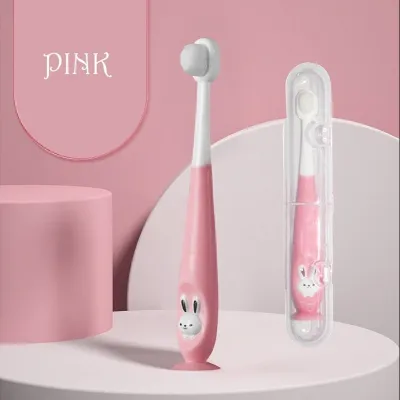
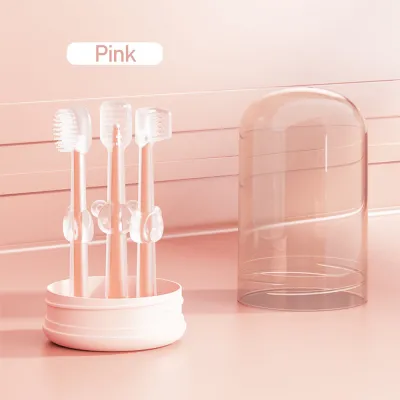
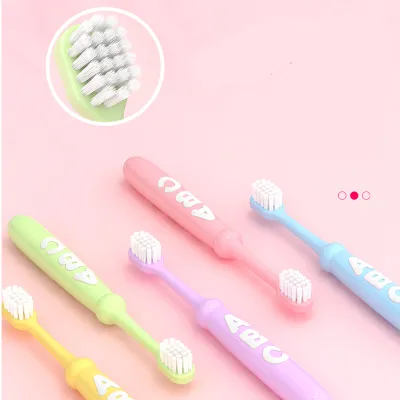
Prices are valid at publication and may change. Please refer to the product page for the latest price.
Second, the size and shape of the brush head must be appropriate for a small oral cavity. A brush head that is too large will not only make maneuvering difficult but can also trigger the baby’s gag reflex, causing distress. The brush head should be compact, rounded, and ideally covered with a soft, rubberized border. This cushioning protects the inner cheeks and gums from accidental bumps if the baby suddenly moves or bites down during brushing. A small head also allows the caregiver to reach the back areas of the mouth where early molars may be starting to erupt.
Third, the handle design and grip must accommodate the specific way the brush will be used. At one year old, babies are developing their fine motor skills and may want to hold the brush themselves. However, because they lack the coordination to clean their teeth effectively, parents must perform the actual brushing. Therefore, the handle needs to serve a dual purpose. It should feature non-slip rubber grips to prevent slipping when wet, and it should be comfortable for an adult to hold securely while being safe for a baby to grasp.
Recommended Toothbrush Types for 1-Year-Olds
There are three main categories of manual toothbrushes designed for toddlers. Each type serves a distinct purpose depending on your child’s teething progress, comfort level, and level of brushing independence. Understanding these differences helps you select the most effective tool for your daily routine.

Silicone Finger Brushes
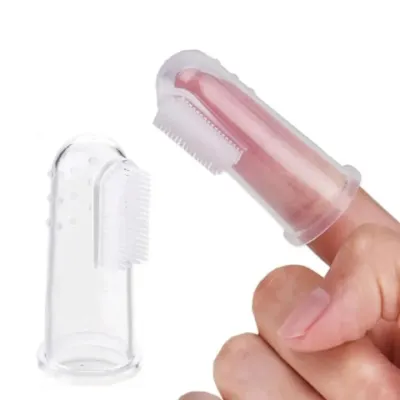
Silicone finger brushes are designed to fit snugly over a caregiver’s index finger. They are highly effective during the early stages of teething, particularly when a baby has only a few front teeth or is experiencing swollen, tender gums. The soft silicone bumps and ridges allow parents to gently massage the gums, which can help soothe teething discomfort while clearing away milk residue and soft food.
When choosing a finger brush, always verify that it is made of 100% food-grade silicone. It is also crucial to ensure the brush fits tightly on your finger so it does not slip off during use, posing a choking hazard. While finger brushes are excellent for introducing oral hygiene, they have limitations. They are less effective at removing stubborn plaque once multiple teeth have erupted, and they do not provide the necessary reach or cleaning power once the back molars begin to emerge.
Training Toothbrushes with Short Handles
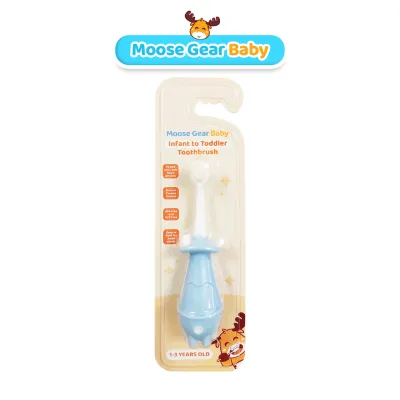
Training toothbrushes are designed for babies who are eager to mimic their parents and try brushing on their own. These brushes typically feature a short, thick, and chunky handle that is easy for tiny hands to hold using a palmar grasp. This design helps toddlers develop their fine motor skills and hand-eye coordination in a fun, interactive way.
A critical safety feature to look for in a training toothbrush is a built-in choking guard. This is usually a wide, circular shield or safety ring located just below the brush head. The guard physically prevents the baby from pushing the toothbrush too far back into their throat, reducing the risk of gagging or choking. Because these brushes are transitional tools, they must always be used under strict adult supervision to ensure the baby does not run or fall while holding the brush.
Standard Baby Toothbrushes with Long Handles
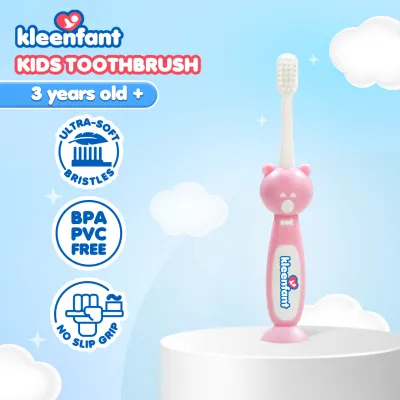
Standard baby toothbrushes with long handles are the primary tool for thorough, parent-assisted cleaning. Because a 1-year-old cannot clean their own teeth effectively, a longer handle gives the caregiver the leverage, control, and visibility needed to reach every surface of the baby’s teeth. This type of brush is highly recommended once the baby has a fuller set of teeth and is accustomed to the sensation of nylon bristles.
When selecting a long-handled brush, ensure the handle features an ergonomic shape with non-slip rubber panels. This is particularly important in the humid tropical climate of the Philippines, where hands and bath surfaces can easily become slippery. The long handle allows you to guide the brush gently along the gumline and clean the chewing surfaces of the back teeth with precision, ensuring no plaque is left behind to cause decay.
How to Evaluate and Select a Safe Option
With numerous baby products available on the market, parents must know how to evaluate toothbrushes to ensure they meet strict safety standards. Taking a systematic approach to checking labels, inspecting physical construction, and choosing the right purchasing channels will protect your baby from potential hazards.
First, always read the product packaging carefully. Verify the manufacturer’s age recommendation, looking for labels such as “12+ months” or “1-2 years.” These guidelines ensure the brush head size and bristle stiffness are tailored to a 1-year-old’s developmental stage. Additionally, check for material safety claims. Ensure the packaging explicitly states that the toothbrush is BPA-free, phthalate-free, and PVC-free. These certifications help confirm that no harmful chemicals will leach into your baby’s mouth during use.
Second, perform a physical inspection of the toothbrush before its first use. Gently tug on the bristles to ensure they are securely anchored into the brush head and will not shed, which could present a choking hazard. Examine the plastic and rubber parts of the handle and head to ensure there are no sharp edges, rough seams, or small detachable decorative pieces. The entire brush should feel smooth and solid, with no components that could easily break off if the baby bites down on them.
Third, be selective about where you purchase your baby’s oral care products. In the Philippines, it is safest to buy toothbrushes from reputable pharmacies, official brand stores in major shopping centers, or verified flagship stores on established online marketplaces. Avoid purchasing extremely cheap, unbranded toothbrushes from unauthorized third-party sellers. These products often bypass quality control standards, and their materials may contain toxic substances or poorly secured bristles that can easily detach.
Safe Brushing Habits and Maintenance
Selecting the right toothbrush is only the first step; establishing safe brushing habits and maintaining the hygiene of the toothbrush itself are equally important. Proper care ensures the tool remains sanitary and effective, protecting your baby’s overall health.
Supervision is the most critical safety rule. A 1-year-old must never be left alone with a toothbrush, as they can easily injure their mouth or throat if they trip, fall, or insert the brush too deeply. When brushing your baby’s teeth, position them securely. Many parents find it helpful to cradle the baby’s head gently in their lap or have the baby sit in a high chair, providing excellent visibility and stability during the routine.
When it comes to toothpaste, pair the brush with an age-appropriate formula. Consult your pediatric dentist to determine whether to use a fluoride or fluoride-free training toothpaste. If using fluoride toothpaste, use only a tiny smear—no larger than a single grain of rice. Because 1-year-olds cannot yet spit out excess toothpaste, keeping the amount minimal prevents them from swallowing too much fluoride, which can lead to fluorosis.
Proper cleaning and storage are vital, especially in the warm, humid climate of the Philippines. High humidity creates an ideal environment for mold and bacteria to grow on damp surfaces. After every brushing session, rinse the toothbrush thoroughly under running water to remove all traces of toothpaste and food debris. Store the toothbrush upright in an open cup or holder to allow it to air dry completely. Never cover a wet toothbrush with a travel cap or store it in a closed, dark cabinet, as this traps moisture and encourages bacterial growth. Additionally, keep your baby’s toothbrush physically separated from adult toothbrushes to prevent the cross-contamination of oral bacteria.
Finally, maintain a strict replacement schedule. Replace your baby’s toothbrush every two to three months, or sooner if you notice the bristles starting to splay, fray, or lose their shape. Splayed bristles are highly abrasive to delicate gums and lose their ability to clean teeth effectively. Furthermore, always replace the toothbrush immediately after your baby recovers from an illness, such as a cold, flu, or viral infection, to prevent the reintroduction of germs into their mouth.
Frequently Asked Questions (FAQ)
Can a 1-year-old use an electric toothbrush? (FAQ)
While manual toothbrushes are the standard choice for toddlers, some manufacturers offer battery-operated or electric toothbrushes designed specifically for infants and toddlers aged 0 to 2 years. These specialized models use extremely gentle sonic vibrations rather than rapid mechanical rotations, and they feature ultra-soft, compact brush heads. If you choose to use an electric toothbrush, verify that it is rated for your child’s exact age group and always maintain complete control of the device. Do not let your baby chew on an electric toothbrush, and stop use immediately if the vibration causes discomfort or gum irritation.
What should I do if my 1-year-old refuses to let me brush their teeth? (FAQ)
Resistance to brushing is a very common developmental phase for 1-year-olds. To make the routine more appealing, try turning brushing into a playful game or a shared family activity. You can let your baby hold a secondary training brush or a favorite toy to keep their hands busy while you use the main brush to clean their teeth. Singing a short, repetitive song or brushing your own teeth at the same time can also provide excellent distraction and positive modeling. Consistency is key; establish a firm routine twice a day so your baby learns that oral care is a normal, non-negotiable part of their daily schedule. Never force the brush aggressively, as this can create long-term dental anxiety.

Community discussion
Share your experience or ask a question. Comments are reviewed before publication.