
Starting the weaning journey is a major milestone for your baby boy, marking his transition from milk-only nutrition to exploring solid foods and independent drinking. In the Philippines, where the warm and humid tropical climate makes consistent hydration a daily priority, introducing a straw cup early in the weaning phase is a practical and developmentally beneficial choice. Rather than searching for a single “perfect” cup, the key is finding a design that matches your baby’s physical coordination, keeps him engaged, and meets strict material safety standards.
Choosing a cup specifically for a baby boy often involves finding appealing visual designs, such as vibrant colors or playful motifs, that capture his attention and encourage him to practice. However, the underlying functionality—such as leak-proof valves, weighted straws, and easy-to-clean parts—remains the most critical factor for a successful transition. By understanding what features to look for and how to verify product safety, you can confidently select a straw cup that supports your baby’s growth and makes mealtime more enjoyable for both of you.
Why Straw Cups Are Ideal for Weaning
Pediatricians and pediatric dentists often recommend introducing straw cups during the weaning process because of the unique developmental benefits they offer. Unlike traditional baby bottles or spouted sippy cups, drinking from a straw requires a different set of oral motor skills. It encourages active lip closure, tongue retraction, and cheek strength, which are essential components of speech development and mature swallowing patterns.
Products mentioned in this guide
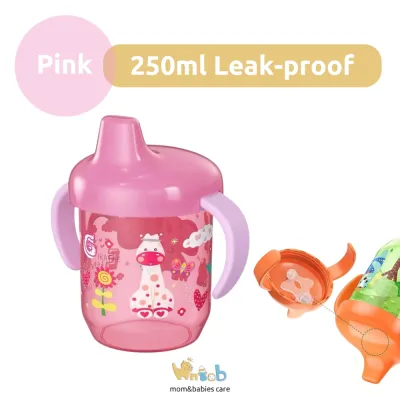
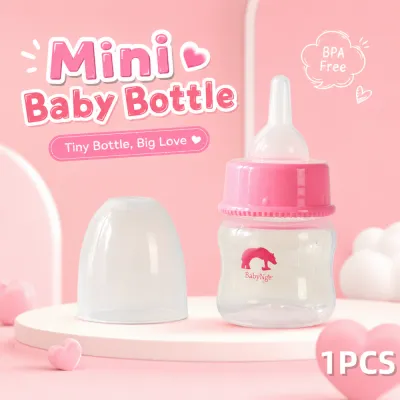

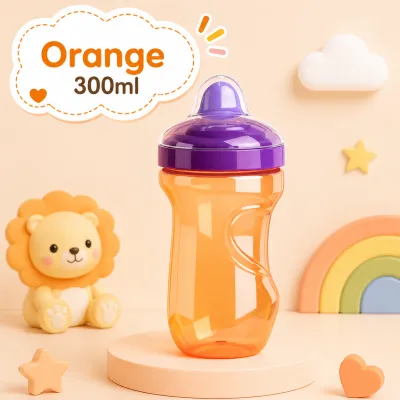
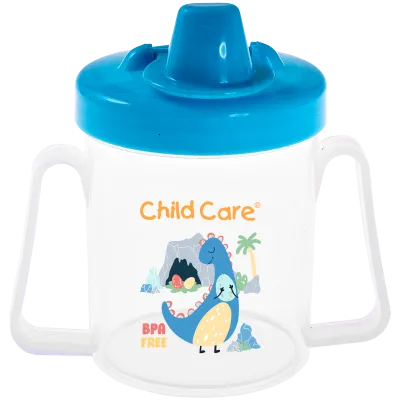
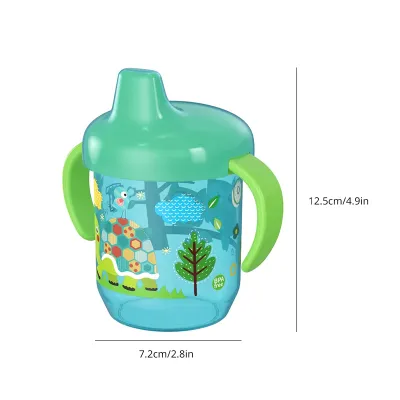
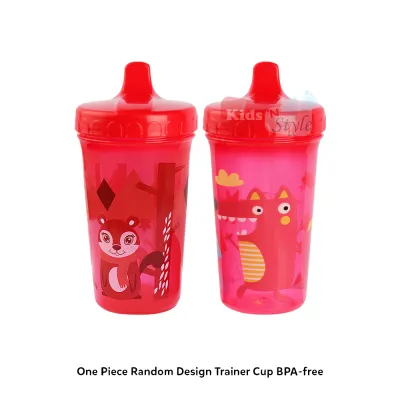
Prices are valid at publication and may change. Please refer to the product page for the latest price.
When a baby drinks from a bottle, they rely on a primitive suckling reflex where the tongue moves forward and backward. Transitioning to a straw cup helps phase out this reflex, promoting a mature swallowing pattern where the tongue elevates. This transition not only supports oral health but also helps prevent dental issues associated with prolonged bottle use, such as misalignment of emerging baby teeth.
Beyond physical development, learning to use a straw cup fosters a sense of independence and confidence in your baby boy. As he learns to grasp, lift, and drink from his own cup, he refines his fine motor skills and hand-eye coordination. This self-directed drinking fits perfectly into the philosophy of baby-led weaning, where babies are encouraged to explore foods and liquids at their own pace.
While open cups are also excellent for teaching oral control, they often lead to significant spills and messes, especially during the early stages of weaning. A straw cup serves as a highly practical intermediate step, offering the developmental advantages of open-cup drinking with the spill-resistant convenience that busy parents appreciate during daily routines.
Must-Have Features for a Beginner Straw Cup
For a baby boy who is just beginning to transition from breast or bottle, the mechanics of drinking from a straw can initially be challenging. To minimize frustration and encourage successful sips, certain design features are highly recommended for beginner cups.

A weighted straw is one of the most valuable features for a weaning baby. Standard straws require the cup to be held upright, but babies naturally tilt their cups upward as if they were drinking from a bottle. A weighted straw features a small, food-grade weight at the bottom of a flexible silicone tube, ensuring the straw remains submerged in the liquid regardless of the angle at which the cup is held. This allows your baby to drink successfully whether he is sitting upright in his high chair or reclining.
Spill-proof and leak-resistant valves are equally essential. Babies love to drop, toss, and shake their cups, which can quickly lead to messy cleanups on your floors or high chair trays. Look for cups equipped with cross-cut or bite-activated valves in the silicone straw. These valves remain closed until the baby applies gentle pressure with his lips or gums, preventing liquid from escaping when the cup is tipped upside down or dropped.
Ergonomic handles are another critical feature for small, developing hands. Dual handles that are easy to grip help your baby lift and stabilize the cup independently. Look for handles with non-slip textures or rubberized grips that prevent the cup from slipping out of soapy or sweaty hands. Some models feature removable handles, allowing the cup to transition into a sleek, handle-free bottle as your child’s grip strength improves.
Finally, simplified internal structures are vital for maintaining hygiene, particularly in the humid climate of the Philippines. Complex valve systems and narrow, unreachable crevices can easily trap moisture and liquid residue, leading to mold and bacterial growth. Prioritize cups that can be completely disassembled, with wide openings and minimal parts, making daily washing and sterilization straightforward and efficient.
Boy-Friendly Designs That Encourage Drinking
While functionality is paramount, the visual and tactile design of the cup plays a significant role in capturing your baby boy’s interest. During the weaning stage, babies are highly responsive to visual stimuli, and a cup that looks like a fun toy can significantly reduce resistance to trying something new.
Bright, high-contrast color palettes are excellent for attracting a baby’s visual attention. Deep blues, vibrant greens, warm oranges, and cheerful yellows can make the cup stand out against the high chair tray, prompting your baby to reach for it. High-contrast patterns and friendly character designs also help stimulate visual tracking and cognitive engagement.
Engaging motifs such as vehicles, dinosaurs, space rockets, or playful animals can turn a simple drinking tool into an exciting accessory. When your baby boy associates his cup with his favorite animals or toys, he is more likely to view drinking water as a fun activity rather than a chore. This positive association can be incredibly helpful on warm tropical afternoons when keeping your baby hydrated is crucial.
Textured surfaces and silicone sleeves provide valuable sensory feedback. A cup with embossed patterns, ribbed handles, or a soft silicone sleeve is easier for small hands to explore tactilely. These textured elements also improve grip, preventing the cup from slipping when your baby’s hands are wet from food play or perspiration.
How to Verify Safety and Material Standards
When selecting any feeding product for your baby, verifying safety standards through official manufacturer documentation is a non-negotiable step. Do not rely solely on marketing claims on the front of the packaging; instead, look for specific certifications and material disclosures.
Always inspect the packaging or the manufacturer’s official website to confirm that the cup is completely free from harmful chemicals. Look for explicit declarations stating the product is BPA-free, PVC-free, and phthalate-free. High-quality baby cups are typically constructed from food-grade silicone, polypropylene (PP), or copolyester (such as Tritan), which are durable, lightweight, and safe for food contact.
It is essential to cross-reference the manufacturer’s recommended age range with your baby’s current developmental stage. Some cups are designed for older toddlers and may have faster flow rates or thicker straws that are difficult for a six-month-old beginner to manage. Always choose a cup labeled for your baby’s specific age bracket, and supervise every use to ensure they are managing the liquid flow safely.
Carefully review the product manual for temperature limits and sterilization guidelines. In the Philippines, steam sterilizers, UV sterilizers, and boiling water are commonly used to keep baby gear hygienic. However, not all plastics can withstand high temperatures without warping or degrading. Verify whether the cup’s body, lid, and straw are dishwasher-safe, microwave-safe, or compatible with steam sterilization. Never use a cup in a manner contrary to the manufacturer’s instructions, and avoid putting hot liquids in straw cups, as the pressure can cause hot liquid to spray out of the straw, posing a burn risk.
Building Your Shortlist: What to Check Before Buying
With numerous options available on online marketplaces and in local baby boutiques, building a practical shortlist requires evaluating long-term usability and convenience.
First, check the availability and cost of replacement parts. Silicone straws and valves are prone to wear and tear, especially when babies begin teething and chew on the soft material. Before committing to a specific cup brand, verify if the manufacturer sells replacement straws and cleaning brushes separately. Choosing a brand with readily available replacement parts is much more cost-effective and sustainable than buying an entirely new cup every time a straw is damaged.
Analyze user reviews on e-commerce platforms to gather real-world feedback on the cup’s durability and leak resistance. Look for reviews from parents who have used the cup for several months. Pay attention to comments regarding how easy the cup is to clean, whether the measurements on the side fade after multiple washes, and how well the cup survives repeated drops onto hard tile floors.
When purchasing from online marketplaces, always verify the authenticity of the seller. Look for official brand stores, authorized distributors, or highly rated local baby specialty shops to ensure you are receiving a genuine product. Counterfeit baby products may not adhere to safety standards and could contain harmful materials. Additionally, check the seller’s return and exchange policies in case the product arrives damaged or with missing parts.
Tips for Transitioning from Bottle to Straw
Transitioning from a bottle or breast to a straw cup requires patience, as your baby boy must learn an entirely new way of drinking. A gradual, low-pressure approach will help him adapt without frustration.
One effective method is to model the action for your baby. Sit with him during family meals and drink from a straw cup of your own, making exaggerated sipping sounds. Babies learn by imitation, and watching you use a straw can spark his curiosity and encourage him to copy your movements.
You can also introduce the concept by using the cup without its lid initially. Let your baby explore the open cup with a small amount of water, or dip the silicone straw into a cup of breast milk or formula, place your finger over the top of the straw to trap a small amount of liquid, and let your baby suck the liquid from the bottom of the straw. This helps him understand that the straw contains tasty liquid.
Start by filling the straw cup with familiar, preferred liquids, such as expressed breast milk or formula, rather than plain water. The familiar taste will create a positive association with the new cup, making him more willing to practice. Once he has mastered the sucking technique, you can gradually transition to offering water during mealtimes.
Always pay close attention to your baby’s readiness cues. If he pushes the cup away, cries, or becomes highly frustrated, do not force the issue. Pause the training, return to his familiar bottle or breast, and try again in a few days or a week. Every baby develops at his own pace, and keeping the experience positive is key to long-term success. If you have persistent concerns about your baby’s swallowing mechanics or refusal to drink, consult a pediatrician or a pediatric dentist for personalized guidance.
Frequently Asked Questions (FAQ)
At what age should a baby boy start using a straw cup?
Most babies are developmentally ready to start practicing with a straw cup around six months of age, which typically coincides with the start of solid food introduction. However, readiness varies for every child. Look for signs such as the ability to sit upright with minimal support, good head control, and an interest in reaching for your cups or utensils. Introducing a straw cup early in the weaning process helps establish healthy drinking habits and supports oral muscle development from the very beginning.
How often should the straw and valve be replaced?
Silicone straws and valves should generally be replaced every two to three months, or sooner if you notice visible signs of wear and tear. Regularly inspect the silicone components for tears, bite marks, discoloration, or persistent mold that cannot be cleaned. Teething babies often chew on the soft silicone, which can compromise the spill-proof valve or create small choking hazards if pieces tear off. Always follow the manufacturer’s specific guidelines for replacement intervals and use only compatible, brand-approved replacement parts.

Community discussion
Share your experience or ask a question. Comments are reviewed before publication.