
Introducing your baby to solid foods is a beautiful, memorable milestone, but it also marks the beginning of a highly chaotic phase of flying food and overturned dishes. For many Filipino parents embarking on the complementary feeding journey, finding the right tableware is a top priority. A high-quality stainless suction plate has emerged as a premier solution to this daily challenge, combining the sanitary benefits of food-grade metal with the spill-preventing power of a vacuum-seal silicone base.
While plastic and silicone plates are widely available, stainless steel offers distinct advantages in safety, hygiene, and long-term durability. In the humid tropical climate of the Philippines, where food safety is paramount, investing in a premium feeding plate can make meal times cleaner and more manageable. This guide explores why stainless steel is an exceptional choice for baby’s first foods, what critical features to look for when shopping, and how to safely maintain your tableware to ensure it lasts through toddlerhood and beyond.
Why Stainless Steel is Ideal for Baby's First Solid Foods
When babies transition to solid foods around six months of age, their immune systems are still developing, making food hygiene a critical concern for caregivers. Food-grade stainless steel is naturally non-porous, meaning it does not absorb liquids, oils, or food particles. Unlike plastic plates, which can develop microscopic scratches over time that harbor harmful bacteria, stainless steel maintains a smooth, sterile surface that is incredibly easy to sanitize. This material also eliminates any concerns regarding chemical leaching or microplastics, which can occur when plastic tableware is subjected to heat or repeated washing.
Products mentioned in this guide
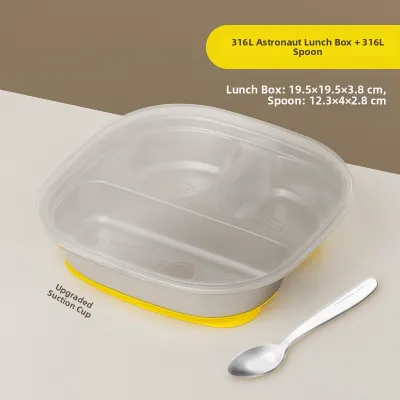
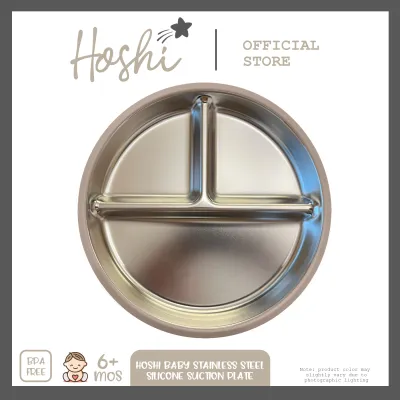
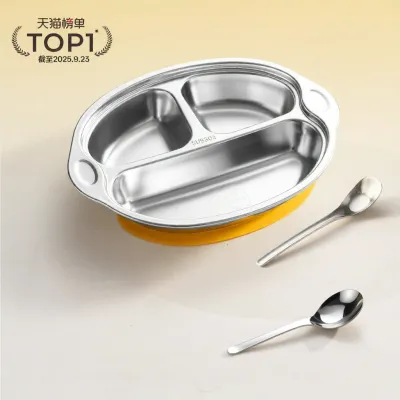
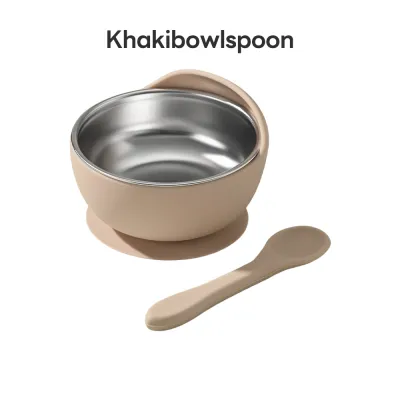
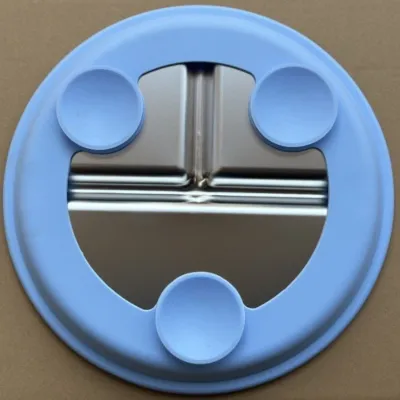
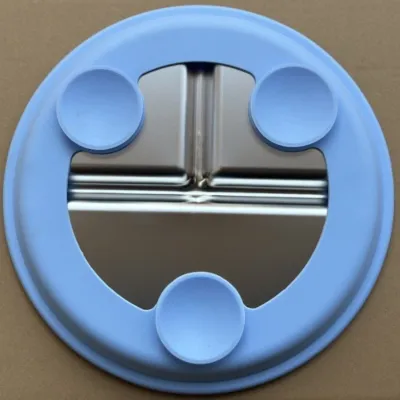
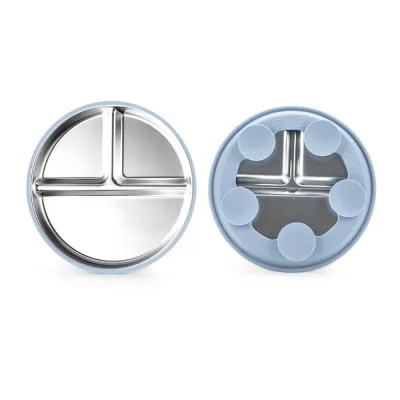
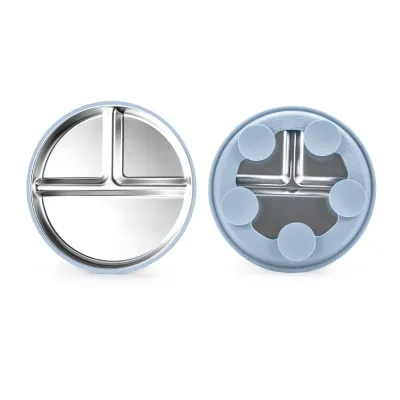
Prices are valid at publication and may change. Please refer to the product page for the latest price.
In the Philippines, the high humidity can pose unique challenges for tableware materials like bamboo or wood. If not dried completely in a well-ventilated area, wooden plates can easily develop mold or mildew, rendering them unsafe for infant use. Stainless steel completely bypasses this risk, as it is impervious to moisture damage, rust, and tropical humidity. Whether you are serving warm lugaw (rice porridge), mashed kalabasa (squash), or pureed kamote (sweet potato), you can rest assured that the plate itself will not compromise the purity of your baby’s meal.
Durability is another area where stainless steel excels. The weaning phase is characterized by drops, tosses, and accidental slips from highchair trays. While ceramic or glass dishes will shatter and pose immediate physical danger to your child, stainless steel is virtually indestructible. It can withstand countless drops onto hard kitchen tiles without cracking, chipping, or bending. Furthermore, stainless steel possesses excellent temperature retention properties. In an air-conditioned dining room, it helps keep warm foods at a stable, appetizing temperature longer, preventing your carefully prepared purees from cooling down too quickly during slow, exploratory feeding sessions.
Despite these outstanding benefits, caregivers must keep specific safety boundaries in mind. While stainless steel is highly durable and sanitary, a solid metal plate is heavier than its plastic counterparts. If a determined baby or toddler manages to break the suction seal and throw the plate, it can cause injury or damage surrounding items. For this reason, active caregiver supervision is always required during meals. Selecting a plate with a exceptionally strong suction base is vital to prevent these throwing incidents from happening in the first place.
Key Features to Evaluate in a Stainless Suction Plate
To ensure you select a plate that performs reliably and fits your daily routine, you should evaluate several key dimensions before making a purchase. Not all suction plates are created equal, and understanding these features will help you make an informed investment.

Suction Base Strength and Release
The primary defense against spilled meals is the silicone suction base. Look for a plate featuring a wide, heavy-duty silicone ring that creates a powerful vacuum seal when pressed down. The base must be flexible enough to conform to the surface of your highchair tray or dining table. Equally important is a hidden or low-profile release tab. Babies are quick learners; if the release tab is highly visible or easy to grab, your little one will quickly figure out how to peel the plate off the table, defeating the purpose of the suction mechanism entirely. A discreet tab facing away from the child is highly recommended.
Plate Design and Depth
As your baby transitions from purees to self-feeding, the physical shape of the plate plays a major role in their success. Deeper plates with curved, vertical inner walls allow babies to easily push food against the edge to scoop it onto their spoons or grasp it with their fingers. If you are practicing Baby-Led Weaning (BLW), divided compartments are highly beneficial. These dividers allow you to serve different food groups—such as local proteins, grains, and fruits—without them mixing together. Separating textures and flavors helps babies develop their sensory palate and encourages self-selection during meals.
Material Verification
Always verify the exact grade of materials used in the plate’s construction. Premium baby tableware should be made from food-grade 304 stainless steel (often labeled as 18/8 stainless steel, indicating 18% chromium and 8% nickel). This specific alloy provides superior corrosion resistance and durability. The suction base must be made of 100% food-grade silicone that is completely free from BPA, PVC, phthalates, and lead. Check the packaging or official manufacturer documentation to confirm these safety certifications before purchase.
Local Availability
When sourcing these plates in the Philippines, prioritize brands that have an established presence through official brand websites, authorized local distributors, or reputable e-commerce platforms. Buying from verified sellers ensures you receive an authentic product rather than a cheap counterfeit that may use industrial-grade metals or low-quality silicone containing chemical fillers. Authentic brands also provide reliable customer support and replacement parts, such as extra silicone suction bases if your original base becomes lost or damaged.
Top Stainless Suction Plates to Consider in the Philippines
To help you find the perfect match for your weaning journey, we have profiled three excellent options available in the local market, categorized by their primary strengths, design features, and overall value.
Best Overall Stainless Suction Plate
For parents seeking a premium, highly reliable option that makes no compromises on material quality or suction performance, a double-walled stainless steel suction plate is the premier choice. These plates typically feature a high-grade 304 stainless steel body paired with a medical-grade silicone suction base. The double-wall construction serves a dual purpose: it provides excellent thermal insulation to keep baby’s food warm while keeping the exterior of the plate cool to the touch, protecting sensitive little hands from accidental burns.
The suction mechanism on these premium plates is exceptionally strong, utilizing a wide-diameter silicone ring that adheres firmly to non-porous surfaces like plastic highchair trays, glass, or polished wood. The silicone ring is completely removable, allowing for thorough cleaning and sterilization of both components.
- Price Range: Typically ranges from ₱1,500 to ₱2,500, representing a premium investment.
- Strengths: Outstanding suction strength, double-wall thermal insulation, highly durable construction, and elegant, modern aesthetics.
- Limitations: A higher initial price point compared to plastic alternatives, and the plate cannot be used in the microwave under any circumstances. Additionally, the silicone base must be removed prior to high-heat sterilization of the steel portion.
Best Divided Plate for Food Variety
If you are following the Baby-Led Weaning (BLW) method or want to introduce your baby to a diverse range of separate flavors and textures, a divided stainless steel suction plate is highly recommended. These plates usually feature three or more distinct compartments, allowing you to serve balanced portions of local dishes like shredded fish, steamed vegetables, and rice without them blending into a single texture.
The divided layout encourages independent eating and helps toddlers practice their pincer grasp by picking up small pieces of food from individual sections. The raised dividers also provide extra surfaces for babies to scoop food against, minimizing spills over the outer rim of the plate.
- Price Range: Generally priced between ₱1,200 and ₱2,000.
- Strengths: Excellent for portion control, keeps wet and dry foods separated, supports sensory development through food variety, and features a robust suction base.
- Limitations: The larger, wider footprint of divided plates may not fit on smaller highchair trays, so measuring your tray before purchase is essential. The corners of the compartments also require detailed cleaning to ensure no food residue is left behind.
Best Value or Budget-Friendly Pick
For families who want the hygienic and durable benefits of stainless steel without the premium brand price tag, there are highly reliable budget-friendly options available from trusted local baby boutiques and e-commerce platforms. These plates offer a single-wall 304 stainless steel construction paired with a functional food-grade silicone suction base, proving that safe and practical baby gear can be accessible.
While they lack the double-wall insulation of premium models, they still deliver the core benefits of being shatterproof, rust-resistant, and incredibly easy to clean. The suction power is dependable for everyday use, especially on completely flat, smooth surfaces.
- Price Range: Typically ranges from ₱500 to ₱900.
- Strengths: Highly affordable, lightweight, durable food-grade steel, and a simple, functional design that is easy to pack for travel.
- Limitations: Single-wall construction means the plate can feel warm to the touch if very hot food is served. The steel gauge may be slightly thinner, making it more prone to minor denting if dropped repeatedly on hard concrete or tile floors. The suction release tab may also be more prominent, making it easier for older, curious babies to detach.
Safe Usage, Cleaning, and Maintenance Guidelines
To maximize the lifespan of your stainless suction plate and ensure your baby’s dining environment remains perfectly sanitary, it is important to follow proper usage and maintenance protocols.
Maximizing Suction
For the suction base to work effectively, both the silicone ring and the mounting surface must be completely clean, dry, and free of dust or oily residue. Even a tiny crumb or a thin film of moisture can prevent a proper vacuum seal from forming. Press down firmly on the center of the plate to force out all trapped air and establish a strong hold. Keep in mind that suction plates require a completely smooth, non-porous surface; textured highchair trays, matte finishes, or wooden tables with deep grain patterns will allow air to seep under the silicone, causing the plate to lose its grip quickly.
Cleaning and Sterilization
Always separate the silicone suction base from the stainless steel plate before washing. This step is crucial to prevent water from getting trapped in the junction between the metal and silicone, which can lead to mold growth or unpleasant odors over time.
- Stainless Steel Portion: The metal plate is dishwasher safe and can be sterilized using boiling water, UV sterilizers, or steam sterilizers. Avoid using abrasive steel wool or harsh scrubbing pads, as these can scratch the polished surface, creating crevices where bacteria can hide.
- Silicone Base: Wash the silicone ring by hand using warm water and a mild, fragrance-free baby dish soap. Avoid exposing the silicone base to prolonged high-heat sterilization unless the manufacturer's care instructions explicitly state it is safe, as extreme heat can degrade the elasticity of the silicone and weaken its suction power over time.
Critical Safety Warnings
Never place a stainless steel plate in the microwave. Metal reflects microwave radiation, which can cause sparks, damage your appliance, and pose a severe fire hazard. If you need to warm your baby’s food, always heat it in a separate microwave-safe glass or ceramic container first, stir thoroughly to eliminate hot spots, and then transfer the food to the stainless plate before serving.
Regularly inspect both the steel plate and the silicone base for any signs of wear and tear. If you notice deep scratches in the steel, rust spots, or if the silicone base becomes torn, stretched, or fails to hold a suction seal, stop using the plate immediately. Replacing worn parts ensures your child’s feeding environment remains completely safe and hygienic.
Frequently Asked Questions (FAQ)
Can stainless steel suction plates go in the microwave?
No, stainless steel plates must never be placed in the microwave. Metal blocks and reflects microwave energy, which can cause dangerous electrical arcing, damage your microwave, and create a fire hazard. Always heat your baby’s food in a microwave-safe container first, ensure it has cooled to a safe feeding temperature, and then transfer it to the stainless steel plate for serving.
How do I release the suction without spilling the food?
To remove the plate without causing a sudden jerk that could spill food, locate the small release tab on the outer edge of the silicone suction base. Gently lift this tab with your finger to allow air to enter the vacuum chamber, which instantly releases the suction seal. Always hold the plate steady with your other hand while lifting the tab to prevent tipping.
At what age should I transition from suction plates to regular plates?
The transition from suction plates to regular tableware typically occurs between 18 and 24 months of age, though it depends entirely on your child’s individual motor skill development and behavior. Once your toddler demonstrates improved utensil control and no longer has the urge to throw or tip over their dishes, you can safely remove the silicone suction base and let them use the stainless steel plate as a regular dish. Always observe your child’s eating habits and consult your pediatrician if you have questions about their developmental milestones.

Community discussion
Share your experience or ask a question. Comments are reviewed before publication.