
Introducing your toddler to solid foods is a major milestone that marks the beginning of their independent feeding journey. To make this transition smooth and successful, choosing the right spoon and fork set for toddlers is essential. The ideal utensils act as developmental tools, helping your little one transition from being passively fed to confidently feeding themselves. For parents in the Philippines, navigating this stage involves finding utensils that are not only safe and easy for tiny hands to grasp but also durable enough to withstand tropical humidity and frequent washing.
Selecting the perfect utensil set requires balancing safety, ergonomics, and your child’s current stage of physical development. While it is tempting to purchase the most colorful or visually appealing set, focusing on how the design supports your child’s developing motor skills will yield much better results. By understanding what features to look for and how different materials perform, you can minimize mealtime frustration and foster a positive relationship with food from the very first bite.
If your child experiences persistent feeding difficulties, oral sensitivities, or developmental delays in motor skills, it is always best to consult a pediatrician or a pediatric occupational therapist for personalized guidance. Always supervise your child during meals to ensure safety and prevent choking hazards.
Products mentioned in this guide
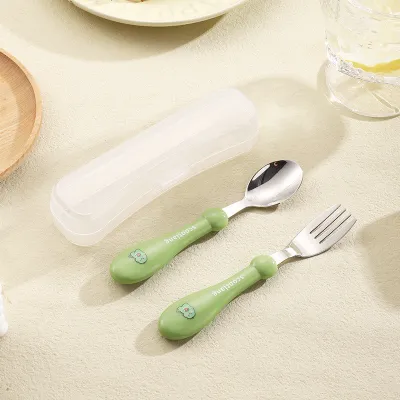
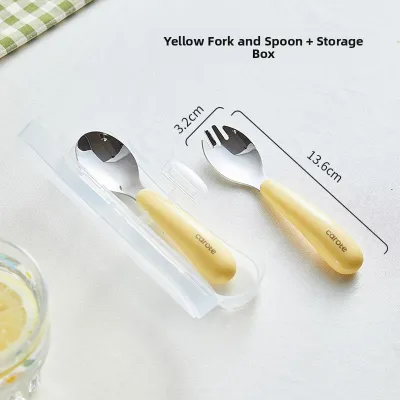
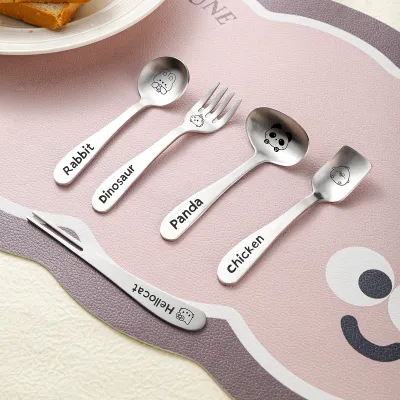

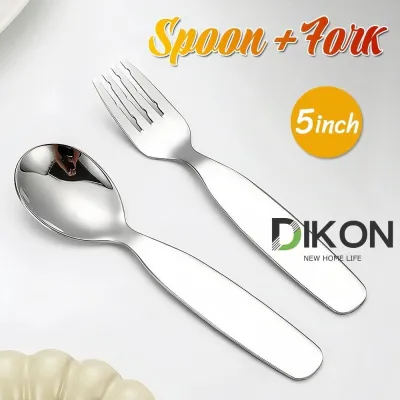
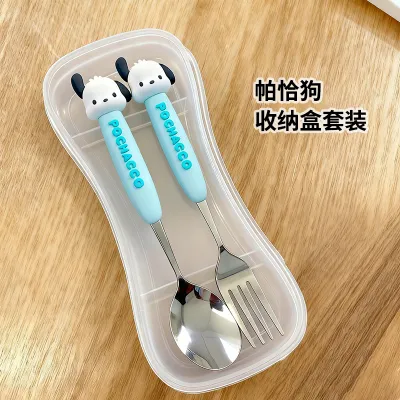
Prices are valid at publication and may change. Please refer to the product page for the latest price.
What to Look for in Toddler Utensils for First Solid Foods
Handle Design and Ergonomics
During the early stages of self-feeding, toddlers do not possess the fine motor skills required to hold utensils the way adults do. Instead, they rely on a palmar grasp, clamping their entire fist around the handle. Short, chunky, and bulbous handles are specifically engineered to fit naturally into this rounded grip. By accommodating their natural hand shape, these handles reduce hand fatigue and prevent the utensil from slipping out of their grasp.
Long, thin handles designed for adult hands are highly inefficient for toddlers, as they create too much leverage and cause the tip of the spoon to wobble. A short handle minimizes the distance between the hand and the mouth, making it much easier for your child to coordinate the movement. Look for handles with non-slip textures, such as raised ridges or rubberized grips, which help keep the utensil secure even when their hands are covered in food or oils.
Material Safety and Certification
When choosing items that will repeatedly enter your child’s mouth, material safety is the absolute priority. Parents must actively verify that all utensils are made from non-toxic, food-grade materials. Look for labels indicating that the products are free from Bisphenol A (BPA), phthalates, lead, and PVC. These chemical compounds can pose health risks, particularly to developing infants and toddlers.
Because safety standards and product formulations can change over time, do not rely solely on retail descriptions or brand names. Inspect the physical packaging or the manufacturer’s official website to verify compliance with recognized safety standards, such as those set by the European LFGB or the US Food and Drug Administration (FDA). Ensuring the product has undergone rigorous safety testing gives you peace of mind during every meal.
Utensil Head Design for Oral Comfort
The business end of the spoon and fork must be carefully matched to your toddler’s sensitive oral anatomy. For beginners, a spoon bowl should be shallow and relatively narrow. Deep spoon bowls make it incredibly difficult for a toddler to clear all the food using only their upper lip, often leaving half the portion behind and causing frustration. A soft, flexible edge is also highly beneficial, as it protects sensitive, teething gums and newly emerging primary teeth from accidental bumps.
Similarly, a toddler’s first fork must be designed with safety in mind. Traditional adult forks feature sharp, long tines that can easily puncture delicate oral tissues. A toddler-safe fork should feature blunt, rounded tines that are physically incapable of piercing the skin but still effective enough to spear soft-cooked foods. The spacing between the tines should also be wide enough to prevent food from getting permanently stuck, making the cleaning process much easier for parents.
Weight and Balance
Lightweight utensils are essential for helping toddlers build confidence during their early self-feeding attempts. If a spoon or fork is too heavy, the child will struggle to lift it steadily, leading to frequent spills and mealtime fatigue. A lightweight design allows your child to focus their energy on refining their hand-eye coordination rather than struggling against the physical weight of the tool.
However, the utensil should not be so flimsy that it bends or deforms under the weight of mashed foods. A well-balanced utensil typically features a slightly weighted handle and a very light head, which naturally guides the spoon bowl upward when held. This subtle design feature helps prevent food from tipping out before it reaches the child’s mouth, reinforcing successful movements and encouraging continued practice.
Best Types of Spoon and Fork Sets for Beginners
Soft Silicone Sets for Early Self-Feeding
Soft silicone sets are widely considered the ideal starting point for babies transitioning to solid foods around six months of age. Silicone is an incredibly forgiving material that is gentle on tender, swollen gums, which is particularly important since the introduction of solids often coincides with active teething. The flexible nature of silicone allows the spoon to bend slightly against the face, making it easier for infants to scoop up purees, yogurts, or soft mashed local foods like kalabasa (squash) and sweet potato.

In addition to being gentle, silicone offers a unique sensory experience. The material naturally has a high-friction, non-slip texture that is easy for wet or sticky hands to hold. Many silicone utensils feature integrated sensory bumps on the back of the spoon bowl, which stimulate the child’s mouth and help them map their oral cavity. This sensory feedback is highly beneficial for developing the tongue movements required for swallowing and eventual speech production.
When shopping for silicone utensils, it is crucial to verify that they are made from 100% food-grade or platinum-cured silicone. Some lower-quality silicone products contain plastic fillers that can degrade over time or leach chemicals when exposed to heat. To test for fillers, pinch and twist a flat section of the silicone; if white streaks appear, the product likely contains fillers. Furthermore, look for silicone spoons that feature a rigid internal core, typically made of food-safe nylon or stainless steel, to ensure the handle does not bend completely in half when scooping denser foods.
Stainless Steel Sets for Growing Appetites
As your toddler approaches their first birthday, their motor skills will become more refined, and their diet will expand to include a wider variety of textures. At this stage, soft silicone utensils may no longer be effective for handling firmer foods. Stainless steel sets offer the durability and structural integrity needed to transition to family meals, allowing toddlers to feed themselves foods like soft-cooked meats, pasta, and firmer fruits.
Stainless steel is exceptionally hygienic because its non-porous surface resists scratches where bacteria can hide. Unlike plastic or silicone, high-quality stainless steel does not absorb food odors, oils, or vibrant pigments from local dishes, ensuring the utensils remain clean and fresh over years of use. The tines of a stainless steel toddler fork are rigid enough to easily pierce food, which helps reduce frustration when your child attempts to spear a piece of banana or papaya.
To keep these sets safe and manageable for younger hands, manufacturers typically combine stainless steel heads with thick, easy-grip handles made of silicone or BPA-free plastic. This hybrid design provides the effective piercing and scooping power of metal flatware while maintaining a lightweight, comfortable grip. When purchasing these sets, carefully inspect the joint where the metal head meets the handle. Ensure the connection is seamless and completely sealed, as any small gaps can trap water and food particles, leading to bacterial growth over time.
Ergonomic and Angled Sets for Skill Building
To successfully bring a straight spoon to their mouth, a toddler must coordinate a complex series of movements, including rotating their wrist. This rotational movement, known as supination, is anatomically difficult for young toddlers and is typically not fully developed until they are closer to two years of age. Ergonomic and angled utensil sets are specifically engineered to bypass this physical limitation, making self-feeding much more accessible.
Angled utensils feature a curved shaft that positions the spoon bowl or fork head at a direct angle to the child’s mouth when held with a basic palmar grasp. This means the toddler can bring food directly to their mouth using a simple, straight elbow movement, completely eliminating the need to rotate their wrist. By reducing the physical complexity of the task, these utensils significantly minimize spills, keeping both the child and the dining area cleaner.
When exploring ergonomic options, you will also find 360-degree rotating spoons and flexible, bendable utensils that allow you to customize the angle based on whether your child is left-handed or right-handed. While these designs can be highly effective, parents should carefully evaluate their construction. Ensure that any adjustable joints or locking mechanisms are highly secure and cannot be easily dismantled by curious fingers. Additionally, avoid overly complex designs with deep crevices that are difficult to scrub clean, especially in warm, humid climates where bacteria thrive.
Quick Comparison: Silicone vs. Stainless Steel Toddler Utensils
| Feature | Silicone Utensils | Stainless Steel Utensils |
|---|---|---|
| Best Age / Stage | 6 to 12 months (Early beginners) | 12 months and up (Active self-feeders) |
| Oral Safety | Extremely high; soft and gentle on teething gums | High; requires supervision to prevent mouth pokes |
| Durability | Moderate; can degrade or tear from heavy biting | Extremely high; virtually indestructible |
| Cleaning Ease | Moderate; can absorb oils and soapy tastes | High; dishwasher safe and highly hygienic |
| Ideal Food Textures | Purees, yogurts, mashed vegetables, oatmeal | Firmer solids, pasta, soft meats, cut fruits |
| Stain Resistance | Low; prone to staining from vibrant foods | High; completely resistant to color and odor absorption |
Transitioning your child from silicone to stainless steel utensils is a gradual process that should be guided by their physical development rather than a strict chronological age. Look for clear behavioral cues, such as your child successfully bringing a straight silicone spoon to their mouth without spilling, or showing a strong desire to use the adult cutlery on your plate. If they struggle to pierce soft-cooked vegetables with a silicone fork or express frustration when their soft spoon bends under the weight of denser foods, it is likely time to introduce a lightweight stainless steel set.
In the tropical, highly humid climate of the Philippines, moisture management is a critical factor when caring for baby gear. Silicone is naturally hydrophobic, but its textured surfaces and joint areas can easily trap micro-droplets of water. If stored in a dark, poorly ventilated cupboard while still damp, silicone handles can quickly develop black mold spots. To prevent this, always shake off excess water after washing and allow the utensils to air-dry completely on an open, elevated drying rack in a well-ventilated area before putting them away.
Safety, Cleaning, and Maintenance Tips
Establishing Safe Cleaning Routines
Keeping your toddler’s utensils clean and hygienic is vital for protecting their developing immune system. Always check the manufacturer’s care instructions before cleaning any utensil set, as different materials have varying temperature tolerances. While many modern silicone and plastic utensils are labeled as dishwasher-safe, it is generally safest to place them on the top rack only, away from the intense heat of the bottom heating element, which can warp plastic and degrade silicone over time.
If you prefer hand washing, use a mild, fragrance-free dish soap and a soft sponge. Avoid using abrasive scrubbing pads or steel wool, as these can create microscopic scratches on plastic and silicone surfaces. These tiny scratches are highly problematic because they create ideal breeding grounds for bacteria and trap food oils, which can lead to persistent unpleasant odors or a soapy taste in subsequent meals. If the manufacturer’s care instructions conflict with general washing advice, always prioritize the official product guidelines.
Routine Inspection Checklist
Before every single meal, take a few seconds to physically inspect your toddler’s spoon and fork. Look closely for any signs of wear, degradation, or damage that could compromise safety. For plastic utensils, check for deep scratches, rough edges, or discoloration. For silicone utensils, gently stretch the material to check for tiny tears, cracks, or peeling, particularly around the edges of the spoon bowl where your child may have bitten down with their sharp primary teeth.
For composite utensils—such as those featuring stainless steel heads attached to plastic or silicone handles—firmly wiggle the metal head to ensure the joint remains completely secure. If you notice any wobbling, loose parts, deep scratches, or structural tears, discard the utensil immediately. Damaged utensils can harbor harmful bacteria that cannot be washed away, and loose components pose a severe choking hazard to young children.
Understanding Sterilization Boundaries
While sterilizing baby bottles and pacifiers is a common routine for infants, older toddler utensils require a more cautious approach. High-heat sterilization methods, such as boiling water, steam bags, or UV sterilizers, can be highly damaging to composite materials. The intense heat can melt plastic components, warp silicone, and quickly break down the food-grade adhesives used to bond metal heads to their handles.
Before subjecting any utensil to high heat, verify the maximum temperature limit specified on the product packaging. If the manufacturer explicitly states that the product is not suitable for boiling or steam sterilization, do not attempt it. For healthy toddlers over the age of twelve months, washing utensils thoroughly with warm, soapy water and allowing them to dry completely in a clean environment is highly effective and sufficient for daily hygiene, eliminating the need for frequent chemical or heat sterilization.
Frequently Asked Questions (FAQ)
When should I introduce a fork to my toddler?
Most toddlers are developmentally ready to explore using a fork around 12 months of age, though some may show interest slightly earlier or later. It is best to introduce a fork once your child has developed the basic hand-eye coordination to guide a spoon to their mouth and has transitioned to eating soft, bite-sized solid foods. Always start with a toddler-safe fork featuring blunt, rounded tines, and ensure they are closely supervised during every meal to prevent accidental injury.
Are heat-sensing spoons necessary for toddlers?
Heat-sensing spoons, which change color when food is too hot, can be a helpful visual aid for parents during the early stages of introducing solids. However, they are not strictly necessary and should never replace manual safety checks. Because sensor accuracy can vary over time or degrade with washing, you must always test the temperature of the food on the inside of your wrist before offering it to your child, regardless of what color the spoon displays.
How do I prevent mold on silicone toddler utensils?
To prevent mold growth on silicone utensils in humid environments, avoid leaving them submerged in soapy water for extended periods. Wash them immediately after use, paying special attention to textured handles and joints where water can pool. After rinsing, dry them thoroughly with a clean towel and store them in an open, well-ventilated drying rack. If you notice any black spots or persistent musty odors indicating mold growth, discard the utensil immediately to protect your child’s health.

Community discussion
Share your experience or ask a question. Comments are reviewed before publication.