
Finding restful sleep becomes a unique challenge when you are expecting. As your body undergoes rapid physical and hormonal changes, standard bedding often fails to provide the targeted support your joints, muscles, and growing belly require. The ideal solution is a specialized maternity cushion, known locally as an unan for pregnant women. However, because your physical needs shift dramatically from the early weeks of gestation to the final stretch before delivery, there is no single pillow design that reigns supreme for the entire nine months. Instead, the best choice depends heavily on your current trimester, your sleeping habits, and how you manage the tropical humidity of the Philippines.
Selecting the right support system is not just about comfort; it is a vital component of prenatal self-care. Sleep deprivation during pregnancy can exacerbate physical exhaustion, lower your immune response, and increase muscle tension. By understanding how your structural alignment changes over time, you can select a pillow that addresses specific pressure points, helps regulate your body temperature, and ensures you get the restorative rest you and your baby need.
Why Your Pillow Needs Change Throughout Pregnancy
During the first few weeks of pregnancy, your body is flooded with hormones like progesterone and relaxin. Progesterone can cause intense daytime fatigue while simultaneously disrupting your nighttime sleep patterns. Meanwhile, relaxin begins its work of softening your ligaments and joints to prepare your pelvis for childbirth. While this hormonal shift is essential, it often results in early-joint instability, pelvic discomfort, and lower back strain long before your baby bump becomes physically prominent.
Products mentioned in this guide
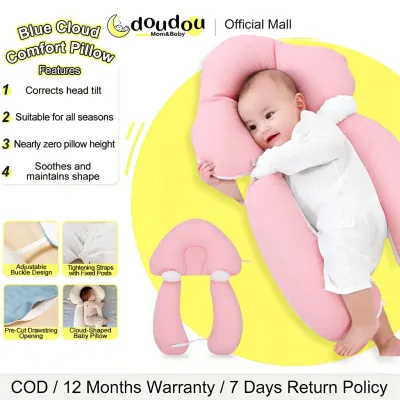
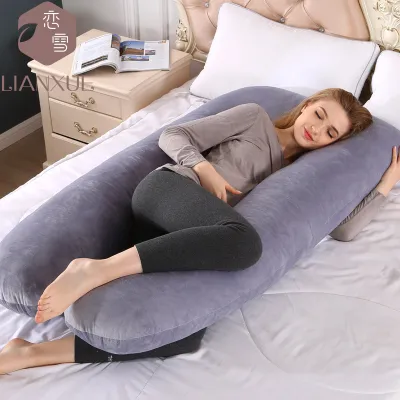

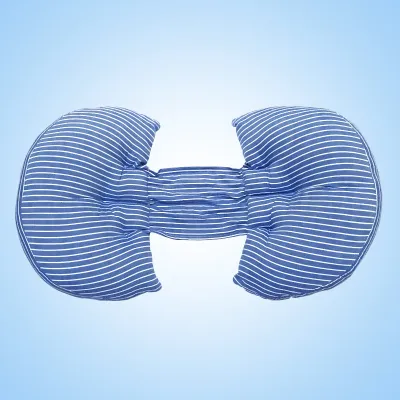
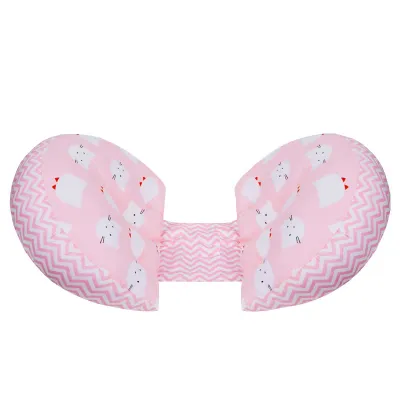
Prices are valid at publication and may change. Please refer to the product page for the latest price.
As you transition into the second and third trimesters, your expanding uterus shifts your center of gravity forward. This structural change pulls your lumbar spine out of its natural alignment, causing an exaggerated lower back curve that leads to muscle fatigue and soreness. To compensate for this front-heavy weight, your body requires targeted support that standard pillows simply cannot provide. Without proper intervention, this misalignment can lead to chronic discomfort that persists throughout the day.
Furthermore, medical guidelines emphasize a strict shift in your sleeping position as your pregnancy progresses. By the late second trimester, sleeping flat on your back is no longer recommended because the weight of the growing uterus can compress the inferior vena cava. This major vein is responsible for returning blood from your lower body to your heart; compressing it can reduce blood flow and oxygen delivery to both you and your baby. Consequently, side-sleeping becomes a necessity, and a specialized pillow is the most effective tool to help you maintain this position comfortably throughout the night.
First Trimester: Gentle Support and Temperature Regulation
Although your baby bump may not be visible during the first twelve weeks, your body is working overtime, often leading to profound fatigue, breast tenderness, and morning sickness. Breast tenderness can make stomach-sleeping uncomfortable very early on, while nausea can make finding a relaxing position difficult. During this stage, you do not necessarily need a massive, bed-engulfing cushion. A compact wedge pillow or a standard full-length body pillow is often sufficient to provide gentle support where you need it most.

A wedge pillow is a highly versatile option for early pregnancy. You can place it under your lower back to prevent yourself from rolling backward during the night, or tuck it gently under your side to relieve pressure on sensitive breasts. Standard full-length body pillows are also excellent for hugging, allowing you to drape your upper leg over the cushion to keep your hips slightly aligned while keeping your chest open and comfortable.
Because the Philippine climate is characterized by high year-round humidity and warmth, early pregnancy metabolic shifts can make you feel constantly overheated. This elevation in basal body temperature means that heavy, heat-retaining materials will quickly lead to restless, sweaty nights. When choosing a pillow or its cover, prioritize breathable fabrics such as bamboo-derived viscose, Tencel, or high-thread-count cotton. These materials actively wick moisture away from your skin, helping you maintain a comfortable microclimate even during warm tropical nights.
Second Trimester: Choosing the Right Unan for Pregnant Women as Your Bump Grows
As you enter the second trimester—spanning weeks 13 to 27—your baby bump becomes more pronounced, and your center of gravity shifts noticeably. This period often introduces lumbar strain as your lower back curves outward to compensate for the front-heavy weight. To address these changes, many mothers transition to J-shaped or C-shaped pillows. These designs are highly effective because they offer targeted support for both your back and your growing abdomen without taking up the entire surface of your bed.
A C-shaped pillow curves around your body, cradling your head, supporting your belly, and nesting between your knees. This continuous loop of support is ideal for mothers who prefer a secure, cocooned feeling. A J-shaped pillow, on the other hand, provides a more streamlined profile. It supports your head and slides between your legs, offering excellent spinal alignment while leaving more open space on the mattress, which is highly beneficial if you share a bed.
Using these pillows correctly requires a bit of ergonomic strategy. To minimize pelvic torque and relieve pressure on your hips, place the lower portion of the pillow directly between your knees and ankles. This keeping-knees-separated posture aligns your hips and keeps your spine in a neutral position throughout the night. While smaller wedge pillows remain useful for targeted spots, they may no longer provide enough pelvic or spinal alignment on their own during this stage, making a larger, contoured format a highly beneficial upgrade.
Third Trimester: Full-Body Support for Hips, Belly, and Legs
The third trimester brings the most significant physical challenges, as your baby reaches full size and your body prepares for labor. Sleep is frequently disrupted by pelvic girdle pain, leg cramps, and severe swelling (edema) in your feet and ankles. Additionally, obstetricians strongly recommend sleeping on your left side during this final stretch. Left-side sleeping optimizes uterine blood flow and improves kidney function, which helps your body process and eliminate fluids more efficiently.
To maintain this side-sleeping position comfortably for hours, a U-shaped full-body pillow or an adjustable multi-piece wedge system is highly recommended. The symmetrical design of a U-shaped pillow is particularly advantageous because it supports both your front and your back simultaneously. If you turn from side to side during the night, you do not have to drag a heavy pillow with you; the support is already there on both sides. This dual-sided structure also acts as a physical barrier, gently preventing you from accidentally rolling onto your back while you sleep.
Furthermore, you can drape your upper leg over the side of the pillow to elevate your feet, which significantly reduces fluid retention and eases the discomfort of late-pregnancy edema. Elevating your lower extremities helps gravity assist your lymphatic system, encouraging fluid to drain back toward your torso. This simple adjustment can provide immense relief from the heavy, aching sensation that often plagues expectant mothers in the final weeks of pregnancy.
What to Look for When Shopping in a Tropical Climate
When browsing local online marketplaces or visiting maternity boutiques in the Philippines, several practical factors should guide your purchase. First and foremost, look for pillows with fully removable, machine-washable covers. The combination of tropical humidity and pregnancy night sweats means you will need to wash the cover frequently to maintain hygiene and prevent mold or mildew. Hypoallergenic fillings, such as premium microfiber or memory foam clusters, are also essential to prevent dust mite accumulation, which thrives in humid environments.
Another highly beneficial feature is adjustable filling. Many quality pregnancy pillows feature zippered inner covers that allow you to add or remove stuffing, letting you customize the firmness as your body’s support needs change. In the local market, pregnancy pillows generally range from budget-friendly fiberfill options around ₱500 to premium ergonomic systems exceeding ₱3,000. Investing in a customizable model ensures you can adapt the pillow’s density to your comfort level over time.
Before making a purchase, always measure your bed dimensions. A massive U-shaped pillow can easily overwhelm a standard double or queen-sized mattress, leaving very little room for your partner or making the bed feel cramped and hot. Finally, always review the manufacturer’s care labels and instructions before washing or treating the pillow. Following these guidelines ensures the materials do not clump, lose their shape, or degrade prematurely over the course of your pregnancy.
Frequently Asked Questions (FAQ)
Can I just use regular bedroom pillows instead of buying a specialized pregnancy pillow?
Using a collection of standard bedroom pillows is a highly accessible, budget-friendly option, particularly during your first trimester when your support needs are minimal. You can easily tuck one regular pillow under your belly and another between your knees to achieve basic alignment. However, as your pregnancy progresses, this improvised setup often falls short. Standard pillows tend to shift, slide apart, and flatten out as you move, forcing you to wake up repeatedly to readjust them. A dedicated unan for pregnant women is specifically engineered to stay in place, offering continuous, contoured support that conforms to your changing shape and helps you achieve uninterrupted, restorative sleep.
Is it safe to rely on a pregnancy pillow if I have severe back or pelvic pain?
While a high-quality pregnancy pillow is an exceptional tool for relieving everyday muscular fatigue, pressure points, and mild joint discomfort, it is not a medical device. If you experience severe, sharp, or persistent pain in your back, pelvis, or abdomen, you should not rely solely on a pillow for relief. These symptoms require an immediate consultation with your obstetrician or a qualified physical therapist who can assess your condition. Additionally, always pay close attention to how your body responds to your sleep setup; if any pillow position causes numbness, tingling, or an increase in pain, stop using it immediately and seek professional medical guidance.

Community discussion
Share your experience or ask a question. Comments are reviewed before publication.