
Navigating outings with a newborn or infant requires careful planning, especially when it comes to maintaining a reliable feeding schedule outside the comfort of your home. For breastfeeding and pumping parents, securing a dependable lalagyan ng gatas (milk storage container) is a critical step in ensuring that expressed breast milk remains fresh, safe, and uncontaminated during travel. The tropical climate of the Philippines, characterized by high ambient temperatures and elevated humidity, accelerates bacterial growth in milk if it is not kept at a consistently low temperature. Consequently, choosing the right portable container system is not just a matter of convenience, but a fundamental safety measure for your baby’s health.
To find the ideal storage solution, caregivers must balance several practical factors, including the duration of the outing, the availability of washing facilities, and the specific physical demands of travel. From quick trips to local malls to extended family visits across provinces, different scenarios call for distinct container designs. By understanding the structural, material, and thermal properties of various portable milk storage options, you can confidently select a system that fits your lifestyle, protects your liquid gold, and keeps your baby safe and satisfied on the go.
How to Choose the Right Portable "Lalagyan ng Gatas"
Selecting a portable milk storage container requires a close look at structural integrity, particularly how well the container prevents leaks when subjected to the movement of travel. Diaper bags are frequently shifted, dropped, or packed tightly, which puts pressure on container seals. When evaluating options, prioritize containers that feature robust leak-proof mechanisms. For bottles and reusable cups, look for deep screw-on threads and high-quality silicone gaskets that create an airtight seal. For storage bags, look for wide, reinforced double-zipper tracks that click visibly or physically resist opening under pressure. Avoid containers with loose-fitting snap lids or single-track zippers, as these are highly prone to bursting open when compressed inside a crowded bag.
Products mentioned in this guide
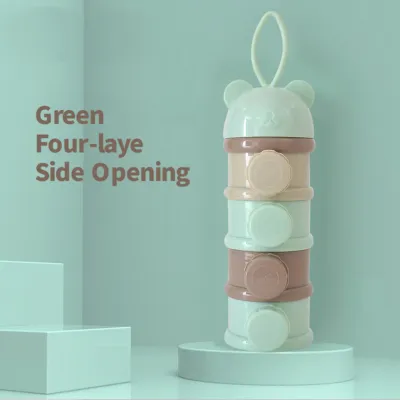
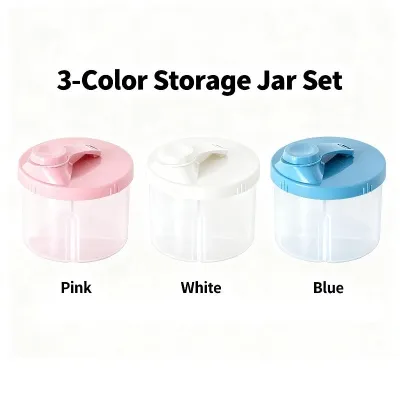
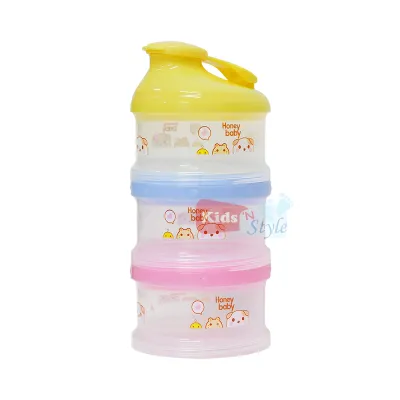
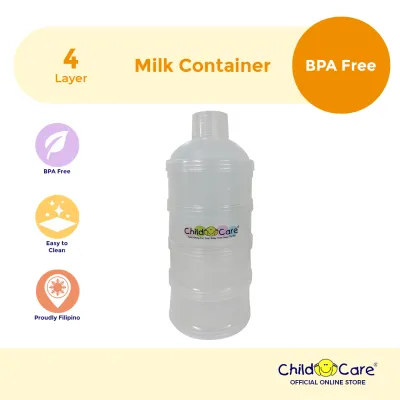
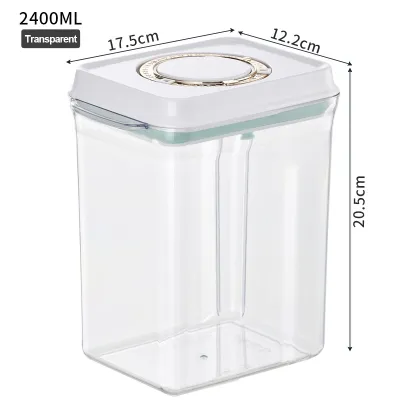
Prices are valid at publication and may change. Please refer to the product page for the latest price.
Material safety is another non-negotiable factor when selecting a container that will hold your baby’s milk. Ensure that any plastic container you purchase is explicitly labeled as BPA-free, phthalate-free, and made from food-grade materials. If you prefer alternative materials, food-grade silicone and tempered glass are excellent options that offer high chemical stability. Because portable containers must be sanitized frequently to prevent the buildup of harmful pathogens, verify how well the materials tolerate repeated sterilization. Some plastics can degrade, warp, or release microplastics when exposed to high heat over time, so check the manufacturer’s instructions regarding boiling, steam sterilization, or UV sanitizing limits.
Thermal compatibility determines how easily you can maintain the cold chain while away from home. A portable storage container is only as good as its ability to stay cold in tropical heat. Consider whether the container’s shape and size allow it to sit in direct contact with standard ice packs, or if it has built-in insulation features. Some storage systems are designed to fit snugly inside specialized contoured ice packs, maximizing the surface area cooled. If your container requires an external cooler bag, make sure the dimensions of both products align so that you do not end up with empty, uncooled air pockets that compromise temperature retention.
Finally, evaluate the overall portability and space efficiency of the container relative to your typical outing duration. If you are only leaving the house for a two-hour errand, a compact, lightweight insulated pouch that holds a single bottle is highly efficient. However, if you are planning a full-day trip, you will need a system that accommodates multiple servings without occupying the entirety of your diaper bag. Consider the weight of the empty containers; while glass is highly durable and easy to clean, carrying multiple glass jars can add significant physical strain during long walks. Lightweight silicone or collapsible disposable bags offer superior space efficiency for long-distance travel.
Top Portable Milk Storage Solutions for Different Outings
When preparing for an outing, matching your storage container to the specific environment and duration of your trip will save space, reduce stress, and protect the quality of the milk. Different container types offer distinct advantages depending on whether you have access to clean water, how long you will be away, and how much physical protection the milk requires.

Insulated Bottle Bags and Thermal Pouches
Insulated bottle bags and thermal pouches are designed specifically for short trips, daily errands, and quick doctor visits. These compact carriers typically feature a zippered main compartment lined with thermal-reflective material designed to slow down heat transfer. They are built to hold standard baby bottles, allowing you to transition directly from storage to feeding without needing to pour milk between different vessels while on the go.
Because these pouches are lightweight and often feature snap-on straps, they can be easily clipped to the handle of a stroller or slipped into a small backpack. However, because their built-in insulation is relatively thin, they rely heavily on the addition of small gel ice packs to maintain a safe temperature. Before purchasing, measure your preferred bottle brand against the internal dimensions of the pouch, as wide-neck bottles or taller silicone bottles may prevent the zipper from closing securely, which compromises the thermal seal.
Pre-Sterilized Disposable Storage Bags
For long journeys, flights, or situations where you will not have access to reliable washing and sterilization facilities, pre-sterilized disposable storage bags are incredibly practical. These bags are manufactured to be sterile right out of the packaging, eliminating the prep work required for reusable containers. Because they lay flat when empty and can be packed tightly when filled, they offer the highest space efficiency of any portable option.
Using disposable bags allows you to minimize the bulk of your diaper bag as the day progresses, as you can simply discard the bag after your baby finishes feeding. However, because these bags are flexible and vulnerable to punctures, they must always be placed inside a dedicated cooler bag or a protective structured compartment rather than loose in a diaper bag. When selecting disposable bags, look for brands that feature reinforced side seams and a dedicated write-on tab situated away from the filling port to prevent ink contamination.
Reusable Silicone or Glass Storage Cups
Reusable silicone or glass storage cups appeal directly to eco-conscious parents who want to minimize single-use plastic waste. These sturdy containers are highly versatile, often designed to connect directly to compatible breast pumps via adapters, allowing you to pump, store, and feed from the exact same container. This seamless transition minimizes the risk of spilling milk during transfers and reduces the number of items you need to wash.
While highly durable and resistant to odors and staining, reusable cups are heavier and bulkier than disposable bags. Glass cups carry the added risk of breakage if dropped on hard outdoor surfaces, though many manufacturers offer protective silicone sleeves to mitigate this hazard. Both silicone and glass cups require a separate, high-quality insulated cooler bag and ice packs to maintain safe temperatures during transit, making them best suited for planned visits to destinations with stable seating and clean surfaces.
Hard-Sided Mini Coolers
When strict temperature control is critical—such as during full-day outdoor events, road trips through high-temperature regions, or when returning to the workplace—hard-sided mini coolers provide the ultimate protection. These robust containers feature thick, solid walls filled with high-density insulating foam, offering physical protection against crushing and vastly superior thermal retention compared to soft-sided fabric bags.
Hard-sided coolers are highly reliable for transporting larger volumes of expressed milk over long distances. However, this superior protection comes at the cost of portability; they are bulky, heavy, and require dedicated carrying space. When choosing a hard-sided mini cooler, carefully inspect the latch security to ensure it will not pop open during transport, and check the durability of the hinges and carry handle to ensure they can withstand the weight of multiple bottles and heavy ice packs.
Quick Comparison of On-the-Go Storage Options
To help you quickly identify which container type matches your specific travel plans, the table below compares the key structural and functional dimensions of each option.
| Container Type | Best For | Space Efficiency | Insulation Needed | Cleaning Requirement |
|---|---|---|---|---|
| Insulated Bottle Bags | Short errands & daily trips | Moderate | Built-in (needs small ice packs) | Wipe-clean interior |
| Disposable Storage Bags | Long travel & space-saving | High (flat when empty) | Yes (requires separate cooler) | None (single-use, disposable) |
| Reusable Cups (Silicone/Glass) | Eco-friendly & direct feeding | Low to Moderate | Yes (requires separate cooler) | High (requires full sterilization) |
| Hard-Sided Mini Coolers | Full-day trips & long transits | Low (bulky structure) | High (needs heavy ice packs) | Manual wash and dry |
Safety Rules for Transporting Expressed Milk and Formula
Maintaining strict temperature control is the most critical aspect of transporting expressed breast milk or prepared formula. In the warm, humid climate of the Philippines, leaving milk at room temperature can cause rapid bacterial multiplication, rendering the milk unsafe for your baby. When packing your portable container, place frozen gel ice packs in direct contact with the bottles or storage bags. Avoid placing the milk near the zipper or opening of the cooler bag, as this is where warm air is most likely to enter when the bag is opened. Keep the storage bag or cooler closed as much as possible, and store it in the coolest part of your vehicle or stroller, away from direct sunlight and hot trunks.
Time limits and safety verification are essential steps before feeding your baby on the go. While general pediatric guidelines suggest that breast milk can remain safe in a well-insulated cooler bag with sufficient frozen ice packs for up to 24 hours, this duration can vary significantly based on the quality of your cooler, the volume of ice used, and the external temperature. Always verify the current storage guidelines provided by authoritative bodies like the World Health Organization (WHO) or your local pediatrician. Before offering the milk to your baby, conduct a quick physical check: ensure the container still feels cold to the touch, and check for any off-putting sour smells or unusual separation that does not blend back together when gently swirled.
Safety Warning: Prepared infant formula behaves differently than breast milk. Once mixed with water, formula should generally be consumed within two hours at room temperature, or kept cold for very limited periods. For outings, it is highly recommended to transport sterile water in a clean thermos and carry pre-measured formula powder in a dry dispenser, mixing them only when your baby is ready to feed.Hygiene practices must be strictly maintained even when away from home. Before handling your portable storage containers, pumping equipment, or feeding bottles, wash your hands thoroughly with soap and clean water for at least 20 seconds. If clean running water is unavailable during your outing, use a hand sanitizer containing at least 60% alcohol, ensuring it dries completely before you touch any feeding gear. Ensure that all reusable containers, bottles, and pump parts have been thoroughly cleaned with warm soapy water and sterilized according to the manufacturer’s instructions before you pack them for your trip.
When it comes to warming milk on the go, safety and patience are key. The safest method is to place the storage bottle or bag into a container of warm water—which you can carry in a vacuum-insulated thermos—and let it sit until it reaches body temperature. Alternatively, you can use a portable bottle warmer that has been verified as compatible with your bottle brand. Never use a microwave to warm breast milk or formula, as microwaves heat liquids unevenly, creating highly dangerous “hot spots” that can severely burn your baby’s mouth; furthermore, excessive heat destroys the beneficial proteins and immunoglobulins present in breast milk. Never attempt to warm milk by leaving it in direct sunlight or near hot vehicle vents, as this encourages rapid bacterial growth.
Frequently Asked Questions (FAQ)
How long can breast milk safely stay in a portable cooler bag?
The length of time breast milk can safely remain in a portable cooler bag depends heavily on the quality of the bag’s insulation, the ambient outdoor temperature, and the quantity of frozen ice packs used. Under optimal conditions—using a high-quality, tightly sealed insulated bag packed with multiple completely frozen gel packs—breast milk can generally be kept safely for up to 24 hours. However, in high-temperature tropical environments, this safe window can shrink rapidly if the cooler is opened frequently or if the ice packs begin to melt. Always verify storage timelines with official guidelines from health authorities or your pediatrician. If the ice packs have completely melted and the milk no longer feels ice-cold to the touch, it should be used immediately or discarded.
Can I add freshly pumped milk to already cold milk in the same container?
It is generally recommended to avoid adding freshly pumped, warm breast milk directly to already chilled or frozen milk in the same container. Introducing warm milk to a cold container raises the overall temperature of the combined liquid, which can create a temporary breeding ground for bacteria and compromise the safety and nutritional quality of the previously stored milk. To combine milk safely while on an outing, pump into a separate clean container first, place it in your cooler bag until it reaches the same chilled temperature as your existing milk, and only then pour them together. Always ensure that both batches of milk were collected within a safe timeframe and handled with clean hands and sanitized equipment.

Community discussion
Share your experience or ask a question. Comments are reviewed before publication.