
Selecting the best toy organizer for a nursery in the Philippines requires balancing child safety, developmental accessibility, and climate resilience. The ideal storage solutions keep baby essentials organized, support early childhood milestones, and withstand the high humidity levels common in tropical environments. Caregivers must prioritize units that prevent physical hazards while making it easy to maintain a clean, dust-free space for growing infants and toddlers.
When organizing a nursery, the storage system should evolve alongside your child’s physical and cognitive development. In the early months, storage units primarily serve the parents, holding diapers, swaddles, and soft sensory toys. As your baby transitions to crawling and walking, the same organizer must become a safe, interactive tool that encourages independent play and early cleanup habits without risking tipping or pinching hazards.
How to Choose a Safe Toy Organizer for the Nursery
Safety is the absolute priority when introducing any furniture into a baby’s room. Infants and toddlers explore their environment through touch and taste, making the physical design and chemical composition of a toy organizer critical. Look for units designed with rounded edges and smooth corners to prevent scrapes or bruises as your child learns to pull themselves up to a standing position.
Products mentioned in this guide
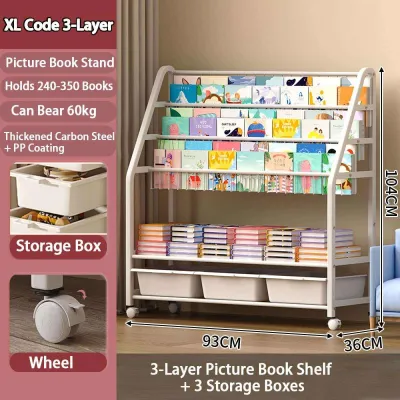
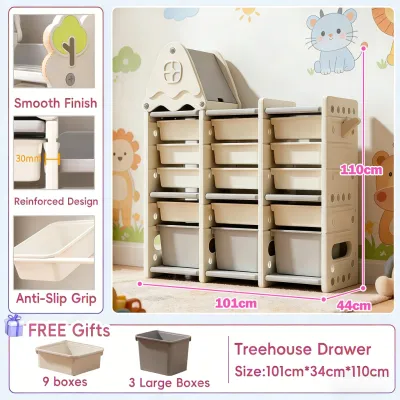
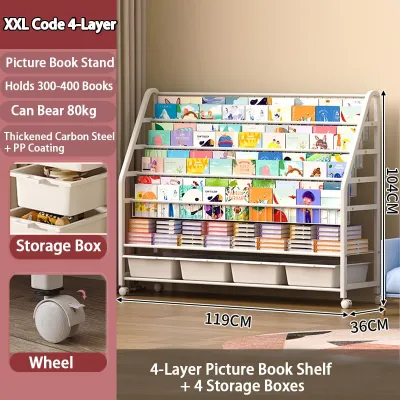
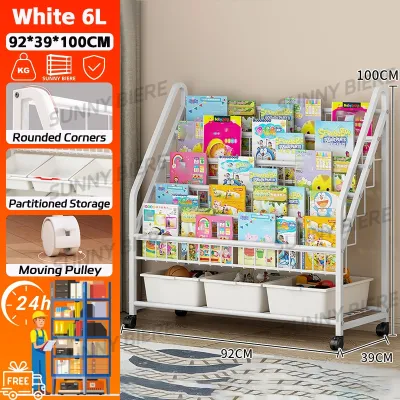
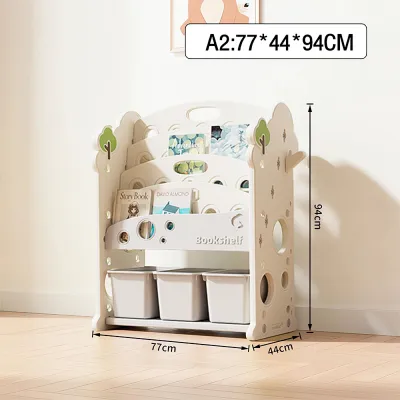
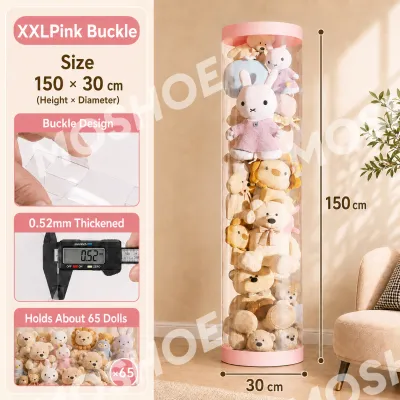
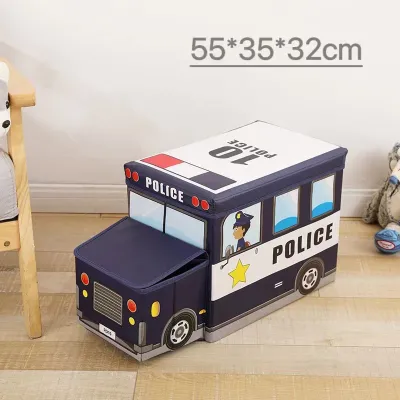
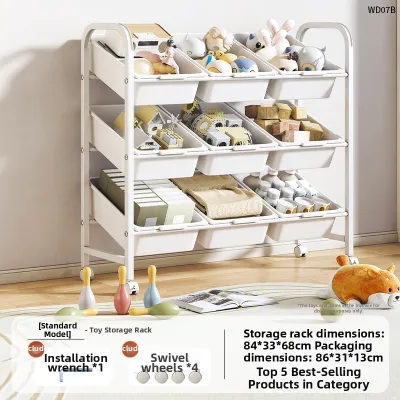
Prices are valid at publication and may change. Please refer to the product page for the latest price.
Chemical safety is equally vital, especially since teething babies often chew on accessible surfaces. Always verify that the organizer is finished with non-toxic, lead-free, and food-safe paints or sealants. Caregivers should check manufacturer specifications or product labels to ensure the materials comply with international safety standards, such as being free from bisphenol A (BPA), phthalates, and heavy metals.
Physical stability is a non-negotiable feature for any nursery furniture. Taller units or modular systems must include reliable anti-tip mechanisms, such as wall anchors or safety straps, to secure the frame firmly to the wall. Even low-profile units can become unstable if a toddler attempts to climb the shelves or pull out multiple loaded drawers simultaneously, making secure anchoring essential.
Accessibility plays a dual role in safety and child development. A nursery organizer should feature a low height profile, ideally keeping the top shelf below eye level for a standing toddler. Lightweight, open-front bins allow children to see and retrieve toys independently without the risk of heavy wooden lids falling on small hands or trapping fingers.
Given the tropical climate of the Philippines, high humidity levels can accelerate dust accumulation and mold growth on nursery items. Choosing organizers with easy-to-clean surfaces, such as wipeable plastic, treated solid wood, or machine-washable fabric bins, is essential for maintaining a sanitary environment. Regular sanitization prevents the buildup of allergens that can affect a baby’s sensitive respiratory system.
Before making a purchase, always verify the maximum weight limits and material safety ratings directly on the manufacturer’s product labels or official store listings. Never assume a product is suitable for a nursery based solely on its marketing name; instead, cross-reference the unit’s dimensions and weight capacity with the specific types of toys and baby gear you plan to store.
Top Toy Organizer Styles for Different Nursery Needs
Different nursery layouts, space constraints, and toy collections require specific structural styles. Understanding the strengths and limitations of each design helps you choose a system that fits your home’s layout while supporting your child’s daily routines.

Cube Storage with Removable Bins (Best for Sorting and Soft Toys)
Modular cube storage units offer a highly versatile and customizable system for managing a diverse range of nursery items. These organizers feature square compartments that can hold open fabric drawers, plastic bins, or remain open as traditional bookshelves. This flexibility allows caregivers to separate plush toys, wooden blocks, baby books, and bedding into distinct, easily identifiable categories.
For a nursery, it is best to pair a sturdy, low-profile cube frame with lightweight, washable fabric or BPA-free plastic bins. Fabric bins made of canvas or reinforced polyester are soft to the touch and eliminate the risk of pinched fingers if dropped. Plastic bins provide a highly durable, moisture-resistant alternative that can be quickly washed with mild baby soap and water to remove dust and spills.
While cube storage is highly functional, caregivers must be mindful of the frame’s structural limits and bulkiness. Standard engineered wood or particleboard cube frames can bow or warp over time if overloaded with heavy items like board books or wooden playsets. Always check the manufacturer’s specified weight capacity per individual cube shelf, and place the heaviest items in the bottom compartments to maintain a low center of gravity.
In humid regions of the Philippines, fabric bins stored in closed cube compartments can trap moisture and develop musty odors. To prevent this, ensure the nursery is well-ventilated, pull the bins out periodically to air them, and avoid placing the unit directly against damp concrete walls. Opting for plastic bins or open-backed cube frames can also improve airflow and simplify moisture control.
Low-Profile Wooden Shelves with Slanted Bins (Best for Visibility and Access)
Low-profile wooden shelves featuring slanted, front-facing bins are specifically designed to support toddler independence and cognitive development. By positioning the storage bins at an angle, this style keeps toys fully visible and within easy reach of a child sitting or crawling on the floor. This open visibility encourages self-directed play, as children can easily choose what to play with without dumping out the entire contents of the organizer.
Solid wood frames, such as those made from rubberwood or pine, offer excellent structural stability and durability compared to lightweight plastic alternatives. When selecting a wooden unit, inspect the finish to ensure it is entirely splinter-free, smooth to the touch, and sealed with a moisture-resistant, non-toxic coating. The natural weight of solid wood helps prevent the unit from sliding or shifting during active play.
Caregivers must carefully inspect how the bins sit within the slanted frame. Ensure the wooden shelves or metal support rods feature secure stops, safety lips, or recessed tracks that prevent the bins from sliding forward and falling on a child’s feet. Bins should slide out smoothly for cleaning but remain firmly supported when resting in their active, slanted positions.
Because these units keep toys completely exposed to the air, dust can accumulate more quickly than in closed storage systems. Weekly dusting of both the wooden frame and the individual bins is recommended to maintain a clean environment. If using plastic bins within the wooden frame, they can be easily removed, washed, and dried thoroughly before being placed back on the slanted shelves.
Rolling Storage Carts (Best for Multi-Room Play and Compact Spaces)
Rolling storage carts provide a mobile, tiered solution that is highly practical for dynamic households. In many Filipino homes, play areas often shift between the nursery, the living room, and shared family spaces. A mobile utility cart allows caregivers to transport a curated selection of toys, art supplies, or diapering essentials from room to room with minimal effort.
When choosing a rolling cart for a nursery, look for models equipped with heavy-duty, 360-degree rotating casters that glide smoothly over both tiled floors and play mats. It is critical to select a cart with reliable locking mechanisms on at least two wheels. Always engage the wheel locks immediately when the cart is stationary to prevent it from rolling away when a child reaches for a toy.
These carts typically feature two to four tiers of varying depths, which are excellent for sorting small to medium-sized items. However, the vertical design of rolling carts presents a potential tipping hazard if not loaded correctly. Caregivers must maintain a low center of gravity by placing heavier items, such as baby wipes, wooden toys, or books, in the bottom tray, while keeping lightweight items like plush toys on the top tiers.
Due to the risk of a child pulling or climbing on a mobile cart, these units require constant adult supervision during play. Avoid using rolling carts to store heavy or sharp objects, and store the cart in a closet or behind a safety gate when not in use. Regularly check that the caster wheels are free from hair, dust, and lint, which can impede the rolling and locking mechanisms.
Hanging and Over-the-Door Organizers (Best for Maximizing Vertical Space)
Hanging and over-the-door organizers are highly efficient solutions for maximizing vertical space in smaller nurseries or urban condominiums. These organizers utilize space that otherwise goes unused, keeping floor areas clear for play mats and safe movement. They are particularly useful for storing small, lightweight items such as baby socks, pacifiers, rattles, and grooming kits.
Most vertical organizers feature multiple pockets made from clear plastic or breathable mesh. Clear plastic pockets allow caregivers to identify the contents at a glance, while mesh pockets promote excellent airflow, preventing moisture buildup in humid environments. Ensure the seams and pocket edges are reinforced with double stitching to prevent tearing under daily use.
To ensure safety, these organizers must be suspended using sturdy, flat door hooks or secure wall anchors that do not damage the door frame or drywall. Avoid using thin metal hooks that can bend or slide out of place when the door is opened or closed. The organizer should sit flat against the door surface without swinging excessively.
Caregivers must strictly adhere to weight limits for hanging storage to prevent structural damage or physical hazards. Never store heavy items, such as large wooden toys, glass bottles, or heavy books, in hanging pockets, as excessive weight can warp the door hinges or cause the organizer to detach. Additionally, ensure the organizer is hung at a height that is completely out of reach of infants and young toddlers to prevent pulling or entanglement.
Comparing Nursery Toy Organizer Materials
Choosing the right material for your nursery toy organizer impacts its durability, ease of maintenance, weight, and overall safety. Different materials perform differently under tropical conditions, making it important to match the material to your room’s ventilation and your cleaning preferences.
| Material Type | Durability | Unit Weight | Cleaning Method | Safety Considerations |
|---|---|---|---|---|
| Solid Wood | High; highly resistant to wear and impact over years of use. | Heavy; requires secure anchoring to prevent tipping. | Wipe with a damp cloth and mild wood cleaner; dry immediately. | Check for splinter-free finishes and certified non-toxic, lead-free sealants. |
| Molded Plastic | Moderate to High; resistant to moisture, dents, and stains. | Light to Moderate; easy to move but can tip if overloaded. | Wash with warm, soapy water; wipe down with baby-safe disinfectant. | Ensure the plastic is BPA-free and has rounded, smooth edges. |
| Fabric / Mesh | Moderate; susceptible to tearing or staining over time. | Very Light; minimal risk of injury if dropped or pulled down. | Hand wash fabric or wipe with a damp cloth; air dry completely. | Check for strong stitching; ensure fabric is kept dry to prevent mold. |
When choosing engineered wood products, such as MDF or particleboard, always check the manufacturer’s specifications regarding formaldehyde emissions. Look for certifications such as CARB Phase 2 or E1 compliance to ensure the unit does not release harmful volatile organic compounds (VOCs) into the nursery air. Additionally, prioritize manufacturers that offer structural warranties, which indicate the brand’s confidence in the stability and longevity of their materials.
Safety Setup and Maintenance for Nursery Storage
Proper installation and consistent maintenance are essential to keep nursery toy organizers safe as your child grows and becomes more active. A secure setup prevents accidents, while routine checks ensure the materials remain sturdy and hygienic over years of daily use.
- Anchor All Tall Units: Any organizer taller than 60 centimeters must be anchored securely to the wall to prevent tipping. In the Philippines, residential walls are commonly made of concrete or concrete hollow blocks (CHB). Securing furniture to concrete requires using a masonry drill bit, inserting high-quality plastic wall plugs (tox), and driving heavy-duty screws through the metal brackets or anti-tip straps into the wall.
- Place Heavy Items at the Bottom: Always store the heaviest toys, books, and gear in the lowest compartments or bins. This practice keeps the unit's center of gravity close to the floor, significantly reducing the risk of the organizer tipping forward if a child pulls on the upper shelves.
- Perform Monthly Hardware Checks: Regularly inspect all screws, bolts, and brackets on the organizer frame to ensure they have not loosened due to daily vibrations or shifting. Tighten any loose hardware immediately, but avoid overtightening, which can strip the threads in wooden or plastic components.
- Inspect Bins for Wear and Damage: Periodically check plastic bins for cracks, sharp edges, or stress fractures, and inspect fabric bins for frayed seams, loose threads, or torn handles. Damaged bins should be removed and replaced immediately to prevent cuts, scratches, or ingestion of small plastic fragments.
- Sanitize with Baby-Safe Solutions: Wipe down the organizer frame and bins weekly using a damp cloth and a mild, baby-safe sanitizing spray or wipe. Ensure all surfaces are completely dry before returning toys to the bins, especially in high-humidity rooms, to prevent moisture from being trapped.
Always consult the manufacturer’s instruction manual for specific load limits, assembly guidelines, and safety warnings. If any structural components of the organizer crack, warp, or show signs of joint separation, stop using the unit immediately and contact the manufacturer or a qualified professional for repair or replacement.
Frequently Asked Questions (FAQ)
At what age can a child start using a toy organizer independently?
While infants require full caregiver management, low-profile, open-bin organizers can be introduced for guided cleanup routines around 12 to 18 months of age. At this stage, toddlers can understand simple instructions and practice placing lightweight toys into large, open compartments. To prevent physical hazards and frustration, avoid using storage units with heavy lids, complex latches, or deep, dark bins for this age group.
How do I prevent a toy storage unit from tipping over?
To prevent tipping, always secure the storage unit to the wall using the manufacturer-provided anti-tip hardware, ensuring it is anchored into a wall stud or secured with concrete wall plugs for masonry walls. Additionally, maintain a low center of gravity by storing heavier items in the bottom bins, and never allow children to climb or stand on the shelves. Always supervise children during play and discourage them from pulling down on the upper edges of the organizer.

Community discussion
Share your experience or ask a question. Comments are reviewed before publication.