
Preparing a nursery is one of the most exciting steps in welcoming a new baby, but the sheer volume of tiny items—from miniature onesies and swaddles to developmental toys, diapers, and feeding gear—can quickly overwhelm the space. To maintain order, safety, and sanity, selecting the right kids organizer storage is essential. The ideal storage system is not a one-size-fits-all solution; it must balance immediate caregiver accessibility, physical safety for a growing child, and adaptability to different developmental stages, while withstanding environmental factors like high tropical humidity.
By matching specific baby items to their optimal storage counterparts, you can create a streamlined, stress-free nursery. This guide breaks down the best storage organizers for every category of baby gear, detailing how to select, arrange, and maintain them for long-term utility.
Quick Guide: Matching Kids Organizer Storage to Baby Items
Every category of baby supply has distinct physical characteristics and frequency of use, requiring a tailored storage approach. Clothes and linens need protection from moisture and dust while remaining easy to sort by size. Toys and books require low-profile, highly visible setups that encourage independent exploration as your child grows. Diapering and feeding supplies demand ultra-accessible, hygienic, and portable configurations that allow for seamless, one-handed operation during late-night care.
Products mentioned in this guide
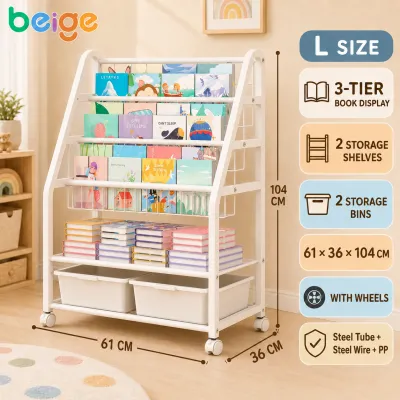
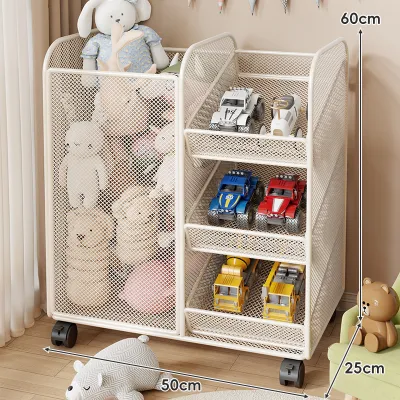
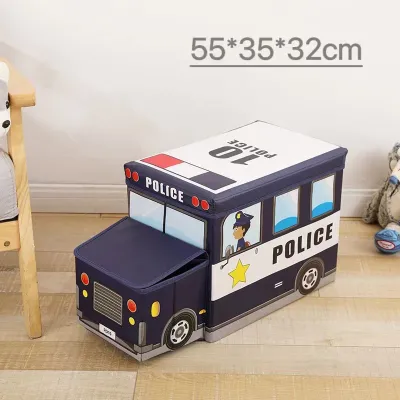
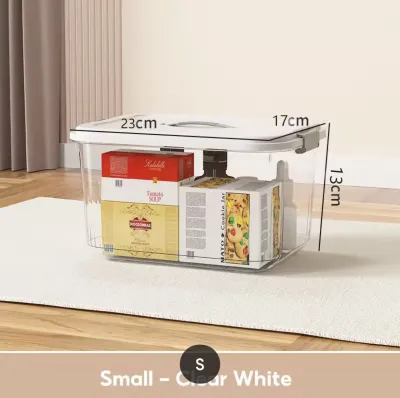
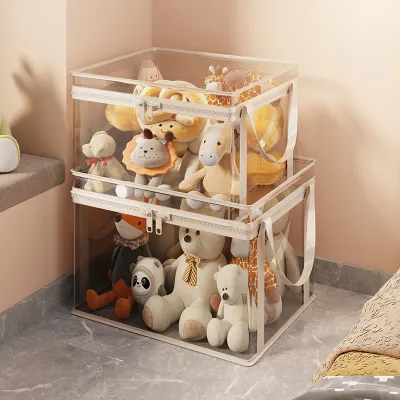
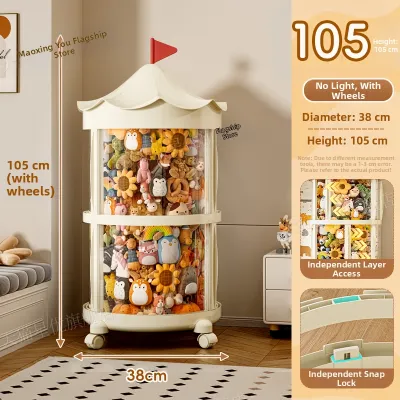
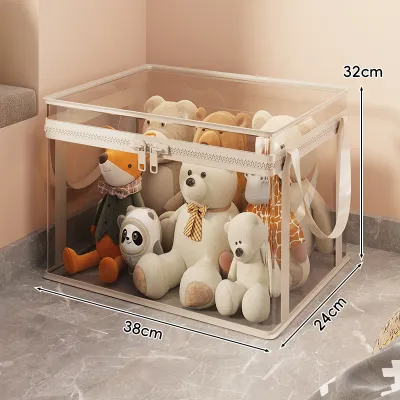
Prices are valid at publication and may change. Please refer to the product page for the latest price.
When evaluating any storage solution for the nursery, you should filter your choices through three core criteria:
- Safety: Structural stability, non-toxic materials, and the absence of physical hazards like heavy lids or sharp edges.
- Caregiver Accessibility: Ergonomic placement of high-frequency items to prevent unnecessary bending or stretching while holding a baby.
- Adaptability: The ability of the organizer to transition from housing newborn essentials to storing toddler toys, books, and school gear.
In the Philippines, the local climate introduces additional challenges. High relative humidity and seasonal dampness mean that storage materials must be chosen carefully. Breathable fabrics, treated wood, and non-porous plastics are essential to prevent mold, mildew, and musty odors from ruining delicate baby garments and sanitized feeding supplies.
Storage Solutions for Baby Clothes and Linens
Baby clothing is notoriously difficult to organize because of its small size and the rapid rate at which infants outgrow garments. Without a structured system, tiny socks, scratch mittens, and onesies easily become lost in deep drawers, leading to clutter and unused clothing.

Drawer Dividers and Closet Organizers
Standard dresser drawers are often too large and deep for tiny baby garments. Adjustable drawer dividers are highly effective tools to segment these large spaces into neat, dedicated rows. By installing spring-loaded or slide-out dividers, you can separate your baby’s wardrobe by type—such as short-sleeve onesies, long-sleeve sleepers, pants, and socks—or by size range.
To maximize standard wardrobe closets, look to vertical space. Hanging multi-tier closet organizers and adjustable double-hang closet rods instantly double your hanging capacity. These systems allow you to hang delicate outfits, jackets, and sleep sacks on the upper tier while keeping frequently used swaddles and blankets on the lower tier. Sorting clothes by size using hanging closet dividers (labeled from newborn up to 12+ months) ensures you always know what fits your baby currently and what garments are ready for the coming months.
Breathable Fabric Bins and Canvas Baskets
For bulkier linens like heavy crib sheets, hooded bath towels, receiving blankets, and out-of-season sleeping bags, soft-sided fabric bins and canvas baskets are excellent choices. These organizers are lightweight, easy to pull out, and completely free of hard edges, making them safe for use on low shelves where a crawling baby might reach them.
When selecting fabric storage in humid environments, prioritize breathability. Natural fibers like cotton canvas, woven linen, and breathable non-woven fabrics allow air to circulate freely around stored textiles. Avoid storing clothing long-term in completely sealed, non-breathable plastic tubs without moisture-absorbing packets, as trapped humidity can lead to mildew growth and yellowing of the fabrics.
When purchasing these organizers, check the manufacturer’s specifications to ensure they are free from harsh chemical dyes or flame retardants. Opt for bins with removable, machine-washable fabric liners so you can easily sanitize them. Additionally, verify that any stackable bins feature a reinforced internal frame—such as lightweight metal wire or thick, sturdy cardboard—to prevent them from sagging or collapsing under weight.
Organizers for Toys, Books, and Playtime Gear
As your baby transitions from a newborn to an active crawler and toddler, their collection of toys and books will expand rapidly. The right storage solutions should not only keep the room tidy but also support your child’s cognitive development and motor skills by making their playthings safely accessible.
Open-Front Bins and Low-Profile Toy Boxes
To foster independence and decision-making, choose low-profile shelving units that feature open-front, removable bins. These systems allow toddlers to easily see their toys, select what they want to play with, and—crucially—help put them away when playtime is over. Keeping toy storage low to the ground prevents children from climbing up shelves to reach desired items, minimizing tipping risks.
Traditional, deep toy chests with heavy, hinged lids present significant safety hazards, including finger-pinch injuries and accidental entrapment. If you choose a toy box, ensure it is a lidless design or equipped with safety-certified, soft-close tension hinges that prevent the lid from slamming shut. Better yet, opt for soft, woven cotton storage baskets that collapse easily and pose zero physical risk to an energetic toddler.
Forward-Facing Bookshelves and Display Ledges
Infants and young children do not recognize books by their spines; they identify them by the bright, engaging illustrations on their covers. Forward-facing bookshelves and wall-mounted display ledges present books with the covers facing outward, making reading materials significantly more enticing.
When installing wall-mounted book ledges, it is critical to mount them securely to the wall studs using appropriate hardware, rather than relying on simple drywall screws. Position the lowest ledge at your child’s eye level when they are sitting or crawling, and mount higher ledges for books that require parental supervision. Always check the manufacturer’s specified weight capacity for the shelves, as a collection of children’s board books can be surprisingly heavy and may cause poorly secured shelves to pull away from the wall.
When selecting any toy or book organizer, look for sturdy construction, rounded edges, and smooth, splinter-free finishes. Verify that any painted or stained wooden organizers use non-toxic, lead-free, and water-based finishes to ensure safety if a teething baby decides to chew on the edges.
Diapering and Feeding Supply Stations
Diaper changes and feeding sessions occur around the clock, often when you are exhausted or holding a fussy baby. Storage stations for these high-frequency items must be designed for maximum efficiency, absolute hygiene, and effortless, one-handed access.
Caddies and Rolling Utility Carts
A mobile diaper caddy or a three-tier rolling utility cart is an invaluable asset for busy parents. In many homes, daily life moves between the nursery, the living room, and the master bedroom. A rolling cart allows you to transport all your essential diapering and changing supplies seamlessly across different rooms without carrying heavy piles of gear.
To maximize the utility of a three-tier cart, organize the shelves logically by frequency of use:
- Top Tier (Immediate Access): Place high-use items here, including diapers, wet wipes, diaper rash creams, hand sanitizer, and clean changing pad covers. This keeps everything at waist height, allowing you to maintain one hand on your baby on the changing table at all times.
- Middle Tier (Apparel & Swaddles): Store backup onesies, burp cloths, and swaddles for quick changes after spit-ups or diaper blowouts.
- Bottom Tier (Bulk Storage): Use this space for bulk diaper packs, extra wipe refills, disposal bags, and sanitizing sprays.
Airtight Containers and Dispensers
Hygiene is paramount when storing feeding supplies, pacifiers, and breast pump parts. In tropical climates, open packages of baby wipes can dry out quickly, and powdered formula or sterile pacifiers must be protected from dust, humidity, and household pests.
Utilize food-grade, BPA-free airtight containers to store opened packages of dry supplies, sterile pacifier sets, and breast pump accessories. For diaper changes, invest in a weighted wipe dispenser. These dispensers feature a heavy internal plate that holds the wipe stack down, allowing you to pull a single wipe easily with one hand while your other hand secures your active baby.
When choosing storage for feeding and diapering stations, prioritize non-porous materials like high-quality plastics or stainless steel that are easy to wipe down and sanitize. Avoid organizers with intricate, hard-to-reach crevices where dirt or moisture can accumulate. Ensure that any drawers or containers housing diaper creams, medications, or small grooming tools feature secure, child-proof latches to keep them safely out of reach of curious crawling babies.
Crucial Safety and Maintenance Standards
No matter how beautifully organized your nursery is, safety must remain your absolute priority. As babies grow, they naturally begin to pull themselves up, climb, and pull on furniture, transforming storage units into potential hazards if not properly secured.
Anchoring and Anti-Tip Measures
All tall, heavy, or top-heavy furniture—including dressers, bookshelves, wardrobes, and changing tables—must be securely anchored to the wall. This is a non-negotiable safety step to prevent tip-over accidents.
Use heavy-duty anti-tip straps or solid metal L-brackets to secure these units. In the Philippines, residential walls are frequently constructed from concrete hollow blocks (CHB) or solid concrete, rather than standard wooden studs and drywall. Standard plastic drywall anchors will not hold securely in concrete. You must verify your wall type and use appropriate masonry expansion plugs, concrete screws, or sleeve anchors. If you are unsure of your wall’s structural composition or lack the necessary tools, stop and consult a qualified local professional handyman or contractor to perform the installation.
Choking and Entrapment Hazards
Perform regular safety audits of all storage organizers in the nursery. Inspect units for loose hardware, missing screws, peeling paint, or splintering wood. Check for small plastic caps, adhesive rubber bumpers, or decorative knobs that could loosen over time and present a choking hazard to a baby who puts everything in their mouth.
Ensure there are no gaps between shelves, bins, or slats that fall within dangerous dimensions where a baby’s head, neck, fingers, or limbs could become trapped. Always follow the manufacturer’s guidelines regarding age appropriateness and weight limits for every storage piece.
Routine Maintenance
Establish a monthly maintenance routine to keep your nursery organizers safe and hygienic:
- Check for Mold and Mildew: Inspect fabric bins, canvas baskets, and the back of wooden furniture for any signs of mold growth, particularly during the rainy season. Wipe down wooden surfaces with a safe, mild disinfectant and allow fabric bins to dry completely in the sun if they feel damp.
- Tighten Hardware: Check and tighten all screws, bolts, and wall anchors on bookshelves, dressers, and wall ledges.
- Verify Weight Limits: As your child grows, their books and toys get heavier. Ensure you are not exceeding the manufacturer's stated weight capacities on shelves and hanging rods.
- Clean and Sanitize: Wipe down plastic bins, drawer dividers, and rolling carts with baby-safe soap and water to remove dust and sticky residues.
Frequently Asked Questions (FAQ)
How do I baby-proof open storage shelves?
To baby-proof open shelving units, place heavy items like large board books and heavy wooden toys on the lowest shelves to lower the unit’s center of gravity. Keep the middle shelves for lightweight, soft items like plush toys and fabric bins. Upper shelves should be reserved exclusively for decorative items, monitors, or supplies that must remain out of reach. Ensure the entire shelving unit is securely anchored to the wall with anti-tip hardware. Additionally, you can secure lightweight fabric bins into lower cubbies using simple strap locks if you want to prevent your baby from pulling every bin onto the floor.
What is the best way to store bulky baby gear like strollers and car seats when not in use?
Before storing bulky baby gear, clean it thoroughly by vacuuming crumbs, wiping down plastic and metal frames, and washing fabric covers according to the manufacturer’s instructions. Ensure every component is completely dry to prevent mold growth during storage. Store the gear in a clean, dry, climate-controlled area, such as a closet floor or an indoor storage room. Avoid keeping strollers and car seats in damp basements, unventilated attics, or outdoor garages where humidity, dust, and pests can degrade the fabrics, foam padding, and safety harness mechanisms. If space permits, use breathable, heavy-duty storage bags or wrap the clean gear in a clean cotton sheet to protect it from dust while allowing air circulation.
How often should I reorganize the nursery as the baby grows?
Rather than following a strict calendar schedule, reorganize your nursery based on your baby’s developmental milestones.
- Newborn Stage (0–5 Months): Focus on maximum caregiver convenience, keeping diapering, swaddling, and feeding supplies at waist height near the changing station.
- Crawling and Pulling Up Stage (6–12 Months): Transition to child safety and accessibility. Move heavy items to lower shelves, secure all furniture to the walls, and introduce low-profile, open-front toy bins.
- Toddler Stage (12+ Months): Shift your focus to encouraging independence. Set up forward-facing book ledges at their eye level, label toy bins with simple picture icons to help them learn to clean up, and transition clothing storage to low drawers where they can begin helping choose their daily outfits.

Community discussion
Share your experience or ask a question. Comments are reviewed before publication.