
Quick Answer: Choosing the Right Nose Pump for Your Toddler
When your toddler is congested, sleep and feeding become immediate challenges. Finding the right nose pump for toddler relief depends on several practical factors: your child’s temperament, the thickness of their nasal mucus, and your comfort level with the device itself. There is no single “best” option for every household. Instead, the right choice depends on matching the tool’s mechanics to your specific daily routine.
Electric pumps offer consistent, motor-driven suction and often include sensory distractions like lights or music. Mouth-suction aspirators give parents precise, breath-controlled suction power to tackle thick, stubborn congestion. Traditional manual bulb syringes serve as simple, low-cost, and highly portable backups. This guide breaks down the performance, hygiene, and usability of each type to help you match the tool to your family’s needs.
Understanding the Three Main Types of Nasal Aspirators
Nasal congestion in toddlers is particularly challenging because their nasal passages are narrow, and they have not yet mastered the ability to blow their noses. To clear these passages, parents rely on three primary categories of nasal aspirators, each operating on distinct mechanical principles. Understanding how these devices work is the first step in choosing the most effective tool for your home.
Products mentioned in this guide
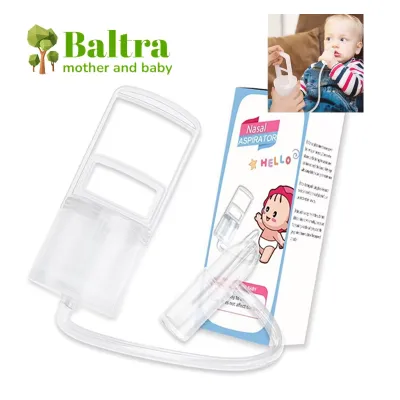
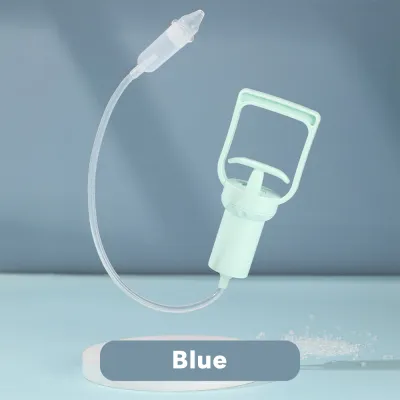

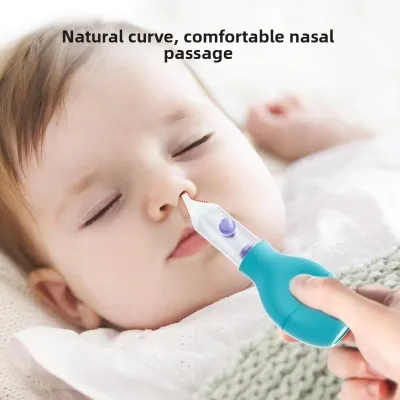
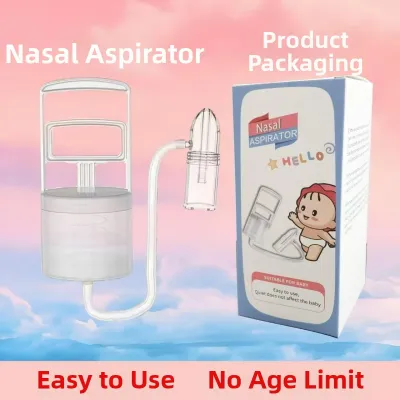
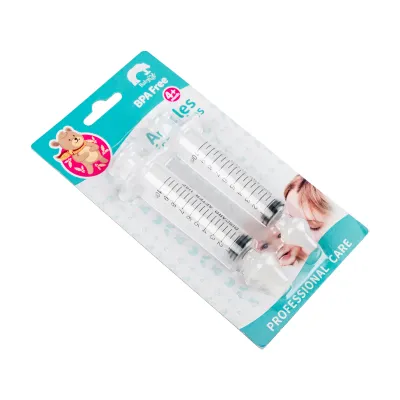
Prices are valid at publication and may change. Please refer to the product page for the latest price.

Manual Bulb Syringes
Manual bulb syringes are the classic, teardrop-shaped rubber or silicone devices that have been used in pediatric care for generations. The operating mechanism is entirely mechanical and relies on manual compression. To use it, you compress the bulb to expel the air, gently insert the narrow tip into the toddler’s nostril, and slowly release your grip. The resulting vacuum draws mucus into the bulb.
These devices are exceptionally low-cost, widely accessible in local pharmacies, and require no batteries or external power sources. However, they present notable limitations. The suction force is often weak and inconsistent, making it difficult to extract deep or thick mucus. Furthermore, because the bulb is typically a single molded piece, thoroughly cleaning and drying the dark interior is extremely difficult. In humid climates, this trapped moisture creates a high risk of mold and bacterial growth, meaning these syringes often need frequent replacement.
Electric Nasal Aspirators
Electric nasal aspirators are modern, battery-operated or rechargeable devices designed to automate the clearing process. These units use a small, motorized pump to generate continuous, steady suction at the press of a button. Because toddlers are often frightened by medical devices, many manufacturers design electric aspirators with child-friendly features, such as built-in nursery melodies or soft, color-changing LED lights to distract the child during use.
The main advantage of electric models is their ease of operation; you can hold the device with one hand while using your other hand to gently steady your toddler. However, suction power can vary significantly between brands and models. Parents must carefully verify the manufacturer’s age recommendations and pressure specifications, as some battery-powered models may offer gentler suction that struggles with very thick mucus. On the hygiene front, electric models are generally highly practical, featuring detachable silicone tips and collection cups that can be easily disassembled, washed, and sanitized.
Mouth-Suction Aspirators
Mouth-suction aspirators, often referred to as tube or aspirator-method devices, rely on the parent’s own lung power to create a vacuum. The design consists of a soft silicone nozzle placed at the entry of the toddler’s nostril, connected via a flexible plastic tube to a mouthpiece held by the parent. A disposable or washable physical filter is positioned inside the chamber to block mucus, fluid, and airborne pathogens from reaching the tube or the parent’s mouth.
The primary benefit of this system is precise, real-time control over the suction strength. By adjusting how hard you inhale, you can instantly increase the suction to dislodge thick, stubborn mucus or soften the pull if your toddler becomes uncomfortable. This level of responsiveness makes mouth-suction devices highly effective. However, they require physical coordination and active effort from the parent. Additionally, if you are currently suffering from a respiratory illness yourself, using a mouth-suction device may be physically exhausting and requires strict adherence to hygiene protocols to prevent cross-contamination.
Comparing Manual, Electric, and Mouth-Suction Pumps
When choosing a nose pump for toddler care, parents must evaluate how each device performs under real-world conditions. Factors such as ease of cleaning, suction control, toddler cooperation, and portability determine whether a device becomes a trusted tool or a source of frustration.
Suction Power and Control
The ability to adjust suction is critical when dealing with different types of congestion. Mouth-suction aspirators lead in this category because they allow you to customize the pressure dynamically based on the resistance you feel. If the mucus is dry or deep, a slightly stronger, steady breath can dislodge it safely.
Electric aspirators provide highly consistent, continuous suction, which is excellent for clearing loose, watery mucus without manual effort. However, their suction levels are fixed to pre-set motor speeds, which may sometimes feel too weak for thick congestion or too sudden for sensitive noses. Manual bulb syringes offer the least control; the suction is brief, dependent entirely on how quickly you release your hand pressure, and often requires multiple attempts to clear a single blockage.
Hygiene and Cleaning
Maintaining a sterile device is essential to prevent reintroducing bacteria into your toddler’s nasal passages. This is especially critical in tropical environments like the Philippines, where persistent high humidity slows down drying times and accelerates mold cultivation. Manual bulb syringes are the most problematic in this regard; because you cannot see inside them, mold can develop undetected on the inner walls.
Electric and mouth-suction aspirators are far superior for hygiene. They are designed to be fully disassembled, allowing you to wash the silicone tips, collection chambers, and tubing with warm, soapy water. Many electric models feature medical-grade silicone tips that can withstand boiling water or steam sterilization, though you must always check the manufacturer’s instructions first. For mouth-suction devices, replacing the protective filter after each use is a vital step in maintaining sanitary operation.
Toddler Acceptance and Comfort
Toddlers are notoriously resistant to having their noses cleared. The physical experience of suction, combined with being held still, can cause anxiety. Electric aspirators address this by incorporating sensory distractions. Gentle music and soft lights can redirect a toddler’s attention, making them more cooperative. However, some electric models emit a low mechanical hum or vibration that may startle sensitive children.
Mouth-suction devices are completely silent, which eliminates noise-induced fear, but they require the parent to work in close proximity to the child’s face, which some toddlers might resist. Manual bulbs are silent and fast, but the repetitive inserting and squeezing can quickly irritate a squirming child.
Portability and Convenience
For families on the go, portability is a major consideration. Manual bulb syringes are highly portable, lightweight, and require no accessories, making them easy to toss into a diaper bag for emergencies. Mouth-suction aspirators are also compact and do not rely on electricity, though you must carry spare filters and a storage case to keep the tubes clean.
Electric aspirators are the bulkiest option. While rechargeable models offer excellent convenience at home, you must ensure they are charged before outings, and traveling with them requires carrying charging cables or spare batteries.
Comparison Table
| Feature | Manual Bulb Syringe | Electric Nasal Aspirator | Mouth-Suction Aspirator |
|---|---|---|---|
| Suction Control | Low; dependent on hand release speed | Moderate; fixed pre-set motor levels | High; directly controlled by parent's breath |
| Cleaning Ease | Difficult; sealed interior risks mold | Easy; detachable parts and washable tips | Moderate; requires washing tubes and changing filters |
| Distraction Features | None | High; built-in lights and nursery music | None |
| Best Use Case | Quick, low-cost travel backup | Regular home use for sensitive or resistant toddlers | Clearing thick, stubborn congestion with precision |
Decision Guide: Which Nose Pump Fits Your Needs?
To help you select the most practical nose pump for toddler care, consider your household’s daily routine, your toddler’s typical reaction to grooming, and your budget.
Choose an Electric Aspirator if:
- You prefer a modern, automated solution that does not require physical exertion.
- Your toddler is highly cooperative when distracted by lights or music.
- You want consistent, gentle suction that can be managed easily with one hand while comforting your child with the other.
- You are willing to invest in a higher-priced, rechargeable device for long-term convenience.
Choose a Mouth-Suction Aspirator if:
- You need maximum suction control to clear thick, sticky mucus from deep within the nasal passages.
- Your toddler is sensitive to mechanical noises or vibrations.
- You want a highly effective, hygienic device that does not rely on batteries or charging outlets.
- You are comfortable using your own breath and managing disposable filters.
Choose a Manual Bulb Syringe if:
- You need an inexpensive, lightweight backup device to keep in your travel bag or diaper kit.
- Your toddler only experiences occasional, mild congestion with loose, watery mucus.
- You want a simple tool that requires no setup, assembly, or power source.
Verify First if:
Before purchasing or using any nasal clearing device, check if your toddler has specific physical sensitivities. If your child has a history of frequent nosebleeds, a deviated septum, or underlying respiratory conditions, consult your pediatrician first. Always verify the manufacturer’s age and weight guidelines on the product packaging to ensure the silicone tips are sized correctly for your toddler’s developmental stage.
Safe Usage, Cleaning, and When to See a Doctor
Using a nasal aspirator correctly is just as important as choosing the right model. Improper technique can lead to tissue irritation, swelling, or even minor injury to the delicate membranes inside your toddler’s nose.
Preparation and Softening
Never attempt to suction dry mucus, as this can scrape and irritate the nasal lining. Always start by applying one to two drops of pediatrician-approved saline solution into each nostril. Wait approximately one to two minutes to allow the saline to moisten and loosen the mucus before introducing the suction tip. This preparatory step makes the suctioning process significantly more effective and far gentler on your child.
Usage Limits and Frequency
It is easy to over-suction when trying to keep your child comfortable, but excessive use can cause rebound swelling, making congestion worse. Limit nose pump usage to three to four times a day. The most critical times to use the aspirator are right before feeding sessions and before bedtime, as clear nasal passages directly support comfortable eating and restful sleep. Avoid aggressive suctioning or pushing the tip too deep into the nostril.
Cleaning and Drying Protocols
In warm, humid climates, sanitization is paramount. After every single use, disassemble all washable parts of the aspirator. Wash them thoroughly with warm water and mild dish soap. If the manufacturer’s care instructions permit, sanitize the silicone tips in boiling water or a steam sterilizer. Lay all components out on a clean towel in a well-ventilated area to air-dry completely before reassembling or storing them. Never store a damp aspirator in a closed drawer or diaper bag.
When to Stop and Seek Medical Advice
Nasal suctioning should provide relief, not distress. Stop using the device immediately if you notice any nasal bleeding, if your toddler exhibits signs of severe physical pain, or if the congestion is accompanied by a high fever, wheezing, or difficulty breathing. If your toddler’s congestion persists for more than ten days without improvement, consult a pediatrician or qualified healthcare professional for a comprehensive evaluation.
Frequently Asked Questions (FAQ)
Can I use a nose pump on a toddler every day?
Using a nose pump daily is generally not recommended unless your toddler is actively congested due to a temporary cold or allergy flare-up. Continuous, daily suctioning can dry out the natural protective mucus barrier in the nasal passages, leading to chronic irritation, minor bleeding, or localized inflammation. Only use the aspirator when you observe visible blockage or when congestion actively interferes with your toddler’s ability to breathe, nurse, eat, or sleep comfortably.
Are electric nose pumps safe for toddlers?
Yes, electric nose pumps are safe when operated strictly according to the manufacturer’s guidelines. To ensure safety, always select the correct size of soft silicone tip designed specifically for toddlers rather than infants. Ensure the tip is placed gently at the entrance of the nostril rather than pushed deep inside. Always start on the lowest suction setting, and verify that the device has undergone quality and safety checks as specified in the user manual.
How do I know if the suction is too strong?
You can identify excessive suction by observing your toddler’s reactions and physical signs. If your child cries out in pain, flinches, or if you notice redness, swelling, or small spots of blood on the suction tip, the pressure is too high. When using an electric model, always begin at the lowest speed setting and only increase it if necessary. For mouth-suction models, start with a very gentle, steady inhale, adjusting your breath pressure gradually based on the visual movement of the mucus.

Community discussion
Share your experience or ask a question. Comments are reviewed before publication.