
Nasal congestion in babies can be a highly stressful experience for parents, especially since infants are obligatory nasal breathers who rely almost entirely on their noses to breathe, feed, and sleep comfortably. Finding the best nasal suction device depends heavily on your baby’s age and the specific level of congestion they are experiencing. Newborns with mild, watery mucus generally respond best to the gentle, non-invasive suction of a traditional bulb syringe. Older infants dealing with moderate, sticky mucus often require the precise, parent-controlled suction of a manual tube aspirator. For toddlers or babies with thick, stubborn congestion, a motorized electric aspirator provides the consistent, hands-free power needed to clear deep blockages effectively.
In the Philippines, environmental factors such as tropical humidity, seasonal monsoon transitions, urban dust, and constant exposure to indoor air conditioning can easily irritate a baby’s sensitive airways, leading to frequent stuffiness. Because babies cannot blow their own noses, having the right nasal clearance tool on hand is essential for daily comfort. However, navigating the variety of devices available can be overwhelming, as each type serves a distinct purpose and comes with its own set of safety considerations. By understanding how these tools compare, you can choose a safe, effective, and hygienic solution tailored to your child’s developmental stage.
Quick Selection Guide: Matching Device Type to Age and Congestion
Selecting the right nasal suction device involves balancing your baby’s comfort, their physical size, and the thickness of the mucus blockages. While some parents prefer a simple, cost-effective tool for occasional stuffiness, others require a heavy-duty option for persistent seasonal congestion. It is important to remember that individual baby tolerance varies significantly, and parents must always verify the specific manufacturer’s age guidelines, weight limits, and safety warnings on the product packaging before the first use.
Products mentioned in this guide
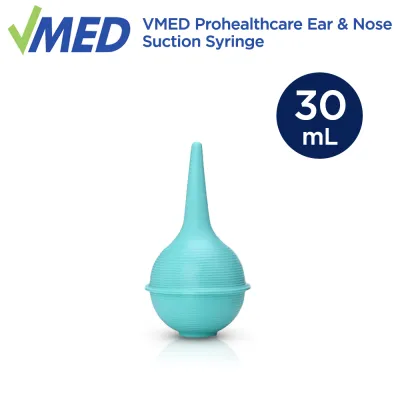
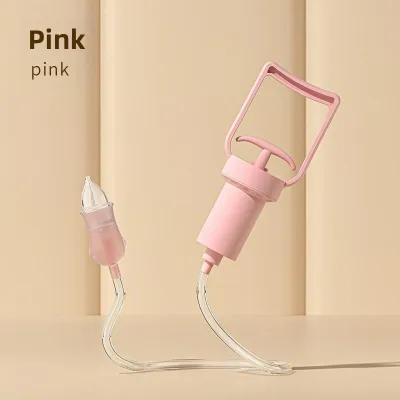
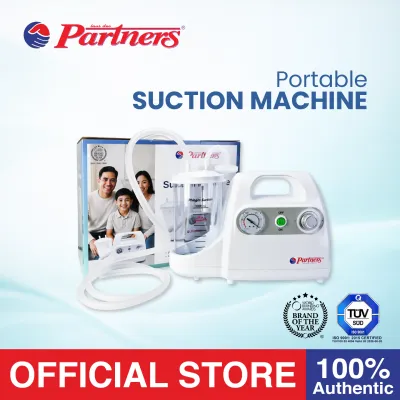
Prices are valid at publication and may change. Please refer to the product page for the latest price.
To help you quickly identify the most suitable option for your household, this guide summarizes the three primary categories of nasal suction devices. Each category offers distinct advantages depending on whether you are dealing with a newborn’s delicate nasal passages or a toddler’s thick, stubborn cold symptoms.
| Device Type | Best Age Range | Best for Congestion Level | Key Advantage | Main Limitation |
|---|---|---|---|---|
| Bulb Syringe | Newborns (0 to 3 months) | Mild, watery mucus | Highly affordable, gentle, and widely accessible | Difficult to clean inside; high risk of mold growth |
| Manual Tube Aspirator | Infants (3 to 12 months) | Moderate, sticky mucus | Precise, parent-controlled suction; highly hygienic | Requires mouth-suction; ongoing cost of replacement filters |
| Electric Aspirator | Older infants & toddlers (6+ months) | Thick, stubborn congestion | Consistent motorized power; convenient one-handed use | Higher initial cost; motor noise can startle sensitive babies |
Before purchasing any device, always check the recommended age range on the packaging. While some manual and electric models include ultra-soft, narrow tips designed specifically for newborns, others are strictly intended for older babies with wider nasal passages.
Bulb Syringes: Gentle Suction for Newborns and Mild Stuffiness
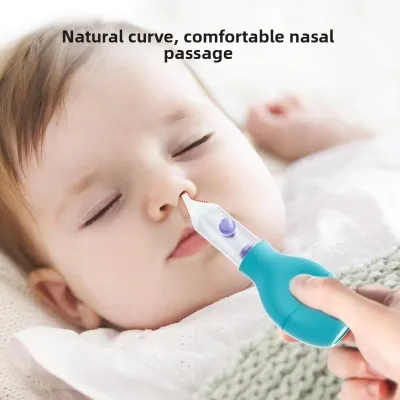
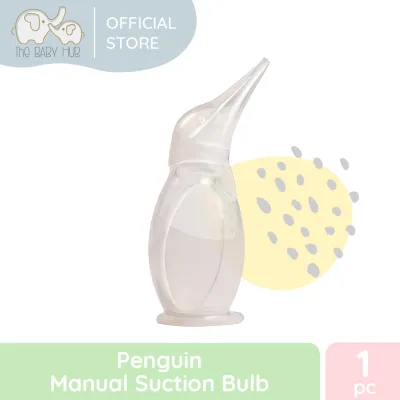
The classic bulb syringe, often recognizable by its pear-shaped rubber or silicone body, has been a staple in newborn care for generations. This device operates on a simple manual vacuum mechanism: you compress the bulb to expel air, insert the tip gently into the baby’s nostril, and slowly release the pressure to draw out the mucus. Because of its straightforward design, it remains the standard first choice for newborns from birth to three months of age who are dealing with mild, watery secretions.

There are several notable advantages to using a bulb syringe. They are exceptionally affordable, with basic models typically costing under ₱150 in local pharmacies and department stores across the Philippines. They are also widely available, making them easy to purchase in an emergency. Because they require no batteries, charging cables, or complex assembly, they are highly portable and ready for immediate use. Furthermore, the suction pressure is naturally gentle, minimizing the risk of accidental injury to a newborn’s highly delicate and sensitive nasal linings.
However, traditional bulb syringes carry significant disadvantages that have led many modern parents to seek alternative solutions. The most critical drawback is hygiene: because standard bulb syringes are molded as a single, opaque piece, it is virtually impossible to see inside or clean the inner chamber thoroughly. Over time, trapped moisture from washing creates a high risk of hidden mold and bacterial growth, which can then be blown back into the baby’s nose during subsequent uses. Additionally, it is difficult to gauge or regulate the exact suction strength, and the low vacuum pressure is generally ineffective for clearing thick, sticky, or deep-seated nasal blockages.
To use a bulb syringe safely, proper positioning and technique are essential to prevent physical trauma. Begin by cradling your baby in a slightly reclined position, ensuring their head is well-supported. Fully compress the bulb before placing the tip into the nostril to avoid blowing air directly into their nasal passage, which can cause discomfort or panic. Gently insert the soft silicone tip just inside the nostril opening, angling it slightly outward toward the side of the nose rather than straight up against the sensitive nasal septum. Slowly release your grip on the bulb to draw out the mucus, remove the syringe, and squeeze the collected fluids onto a clean tissue before repeating the process.
Manual Tube Aspirators: Targeted Relief for Infants and Moderate Mucus
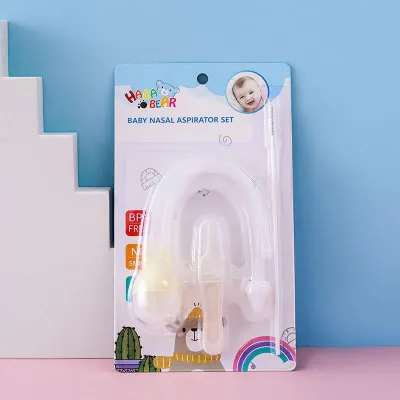
Manual tube aspirators, often referred to as mouth-suction aspirators, represent a major design improvement over traditional bulb syringes. This device consists of a soft, tapered nasal tip, a flexible plastic tube, a collection chamber, and a mouthpiece for the caregiver. To operate it, you place the nasal tip at the entrance of your baby’s nostril and use your own breath to gently suck through the mouthpiece, drawing the mucus directly into the collection chamber. This method is highly preferred for infants aged 3 to 12 months who are dealing with moderate, sticky mucus that a simple bulb syringe cannot dislodge.
The primary benefit of a manual tube aspirator is the precise, real-time control it gives the caregiver over the suction strength. You can easily adjust your breathing to pull gently for light runny nose symptoms or apply a slightly stronger, steady pull for more stubborn, sticky mucus. Most reputable brands incorporate a built-in, disposable hygiene filter between the collection chamber and the suction tube, which physically blocks mucus, bacteria, and viral particles from traveling up the tube to the caregiver’s mouth. Furthermore, these devices are designed to be completely disassembled, allowing you to wash, sanitize, and dry every single component thoroughly, eliminating the risk of hidden mold.
Despite their high effectiveness, manual tube aspirators do have clear drawbacks. The concept of using mouth suction to clear a baby’s nose can feel unappealing or intimidating to some parents, even with the physical barrier of a filter. Managing the flexible tubing while trying to hold a squirming, uncomfortable infant can also feel physically cumbersome, often requiring a bit of practice to master. Additionally, because the hygiene filters must be replaced regularly to maintain proper airflow and sanitation, they introduce an ongoing long-term cost that parents must plan for.
For safety and hygiene, caregivers must follow strict protocols when using a manual tube aspirator. Always inspect the integrity of the physical filter before every single use; if the filter is damp, torn, or missing, do not use the device until it is replaced. If you are currently suffering from a respiratory illness, cold, or flu, avoid using a manual tube aspirator to minimize any risk of cross-contamination, and instead have a healthy caregiver perform the suctioning.
Electric Aspirators: Powerful Clearance for Toddlers and Thick Congestion
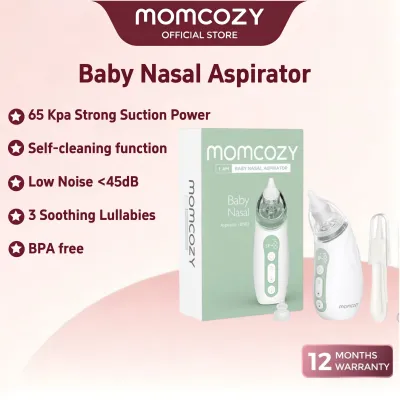
Electric or battery-operated nasal aspirators offer a modern, highly convenient alternative for managing severe congestion. These devices utilize a small, motorized pump to generate continuous, reliable suction at the push of a button. They are particularly well-suited for older infants and toddlers aged six months and older, who have stronger nasal structures but are also highly likely to physically resist manual suctioning. When dealing with thick, stubborn, or deep-seated mucus, the consistent power of an electric model is often the most efficient way to clear the airway quickly.
The advantages of electric aspirators center on convenience, consistency, and child cooperation. Because the suction is motorized, the device provides a steady, continuous pull that does not rely on your lung capacity or manual pumping coordination. This allows for easy, one-handed operation, leaving your other hand free to gently stabilize your baby’s head or hold them comfortably. To help ease the anxiety of sensitive children, many electric models are designed with distracting features, such as soft built-in music, playful lullabies, or gentle color-changing lights. They also feature highly hygienic, detachable silicone tips and collection cups that can be easily washed and sterilized.
However, electric aspirators come with specific trade-offs that parents should consider. They require a significantly higher initial investment, often ranging from ₱1,000 to over ₱3,000 on local online marketplaces and baby specialty stores in the Philippines. They also require ongoing power management, relying on frequent battery replacements or regular USB charging, which can be inconvenient if the battery dies during a late-night congestion emergency. The mechanical motor naturally produces a low humming sound that can startle or frighten sensitive babies. Additionally, some parents find that the regulated, safe suction levels of consumer electric models can sometimes feel slightly weaker than a sudden, strong manual pull when trying to dislodge extremely deep, dry blockages.
When shopping for an electric nasal aspirator, look for specific features to ensure safety, durability, and ease of use:
- Adjustable Suction Levels: Select a model that offers multiple speed or pressure settings, allowing you to start on the lowest, gentlest setting and increase the power only as needed.
- Soft Silicone Tips of Varying Sizes: Ensure the device comes with multiple medical-grade silicone tips, including a narrow, elongated tip for deep suctioning and a wider, bulbous tip designed to prevent deep insertion.
- Waterproof Components: Verify that the collection cup, internal chamber, and suction head are fully waterproof and detachable, allowing for easy washing under running water.
- Power Source and Portability: Consider whether a USB-rechargeable model fits your lifestyle better than a battery-operated unit, especially if you plan to travel frequently.
Safe Usage and Hygiene: Preventing Irritation and Infection
Regardless of the type of nasal suction device you choose, prioritizing safety and proper hygiene is critical to prevent physical injury to your baby’s delicate nasal passages and avoid the spread of infection. A baby’s nasal lining is incredibly thin, highly vascular, and easily irritated. Using these devices incorrectly or too frequently can quickly lead to localized swelling, increased mucus production, and painful nosebleeds, which ultimately worsens the very congestion you are trying to treat.
To protect your baby’s nasal tissue, you must adhere to strict frequency limits. Nasal suctioning should be treated as an occasional comfort measure rather than a continuous routine. As a general guideline, limit suctioning to essential times of the day, such as right before feeding to help your baby latch and swallow without choking, and right before bedtime or naps to promote restful sleep. Avoid suctioning more than 3 to 4 times within a 24-hour period. If your baby’s nose appears red, swollen, or bleeds slightly, stop using the device immediately and allow the nasal passages time to heal.
A critical preparation step that significantly improves the safety and effectiveness of nasal suctioning is the use of pediatric saline drops. Before applying any suction, administer 1 to 2 drops of gentle, preservative-free pediatric saline into each nostril. Wait approximately 1 to 2 minutes to allow the saline to thoroughly saturate, soften, and loosen any thick, sticky, or dried mucus. This lubrication reduces the amount of suction pressure required to clear the airway, making the entire process much faster, more comfortable, and less abrasive for your baby.
Maintaining pristine hygiene and cleaning protocols is your primary defense against bacterial contamination and mold growth. After every single use, disassemble all removable parts of your nasal suction device. Wash them thoroughly with warm, soapy water, using a small cleaning brush if provided by the manufacturer. Rinse each component completely under clean running water to remove all soap residue. For manual and electric devices, sterilize the silicone tips and collection cups according to the manufacturer’s specific instructions, either by boiling them briefly or using a steam sterilizer, if approved. Allow all components to air-dry completely in a well-ventilated area before reassembling or storing them, as trapped moisture in tropical climates is a major catalyst for mold.
While at-home nasal suctioning is highly effective for managing common colds and mild congestion, parents must remain vigilant for signs of more serious respiratory issues. Stop home suctioning immediately and consult a pediatrician or seek professional medical care if you observe any of the following warning signs:
- Signs of respiratory distress, including rapid, shallow breathing, chest retractions (where the skin pulls tightly between or under the ribs with each breath), or audible grunting.
- Flaring of the nostrils with every breath, indicating your baby is working unusually hard to draw in air.
- A persistent high fever or a fever in a newborn under three months of age.
- Inconsolable crying, extreme irritability, or unusual lethargy and difficulty waking up.
- Congestion that does not show any signs of improvement after several days of proper care, or mucus that turns thick, foul-smelling, and dark green.
Frequently Asked Questions (FAQ)
Can I use a nasal aspirator on a newborn?
Yes, you can safely use a nasal suction device on a newborn, but you must select the appropriate device type and use extreme care. Newborn nasal passages are incredibly small and delicate, making them highly susceptible to irritation. A gentle bulb syringe or a manual tube aspirator equipped with a soft, wide silicone tip is generally recommended for the first few months. Always verify the manufacturer’s minimum age and size guidelines on the product packaging before use. Never force the tip deep into your newborn’s nostril; instead, place it gently at the very opening to create a light seal, and always use the lowest, gentlest suction possible.
How often should I suction my baby's nose?
You should limit nasal suctioning to 2 to 4 times a day, focusing primarily on key moments in your baby’s routine. The most beneficial times to suction are right before feedings, to help them breathe easily while sucking, and right before they go to sleep for naps or bedtime. Suctioning too frequently, even with a gentle device, can dry out and severely irritate the delicate nasal membranes. This irritation can cause rebound swelling and trigger the body to produce even more mucus, making your baby feel more congested than before.
Do I need to use saline drops before suctioning?
While saline drops are not strictly mandatory for thin, watery mucus, they are highly recommended when dealing with moderate, thick, or dried nasal blockages. Applying 1 to 2 drops of pediatric saline before suctioning helps to dissolve, soften, and liquefy stubborn mucus. This makes the suctioning process significantly more effective, allowing the device to draw out the blockages with minimal effort. Using saline also prevents the suction tip from pulling dryly against the sensitive nasal lining, reducing discomfort and the risk of minor nosebleeds.

Community discussion
Share your experience or ask a question. Comments are reviewed before publication.