
Feeding your baby while running errands, visiting a pediatrician, or traveling can quickly become a logistical puzzle. Between managing unpredictable schedules and keeping your baby content, the last thing you want to worry about is a leaky bottle or spoiled milk. Choosing a reliable milk container storage system is essential for maintaining milk quality, preventing messy spills, and ensuring your baby stays safely fed while away from home.
When you are out and about, the ideal storage solution depends heavily on your baby’s feeding stage, the duration of your trip, and whether you are transporting breast milk or formula. In warm, tropical environments like the Philippines, where high ambient temperatures can accelerate bacterial growth, temperature control becomes just as critical as leak prevention. By understanding the distinct features of different containers, you can build a reliable, stress-free travel feeding kit tailored to your family’s lifestyle.
Essential Features for Travel-Friendly Milk Storage
Selecting the right milk container storage requires looking beyond basic aesthetics to evaluate how a product performs under the demands of travel. A high-quality travel container must protect the milk from contamination, withstand accidental drops, and fit seamlessly into your packing routine.
Products mentioned in this guide
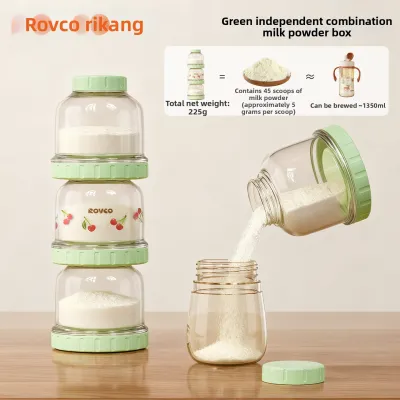
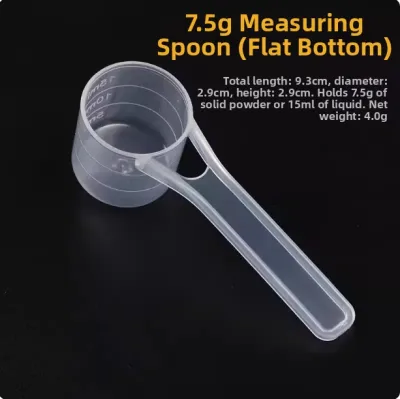
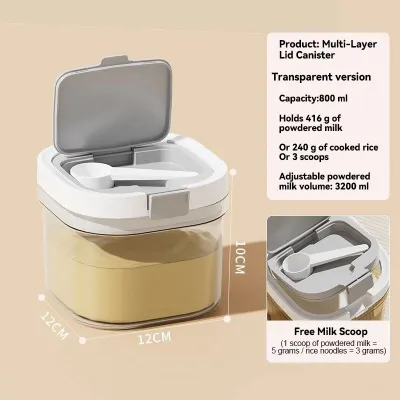
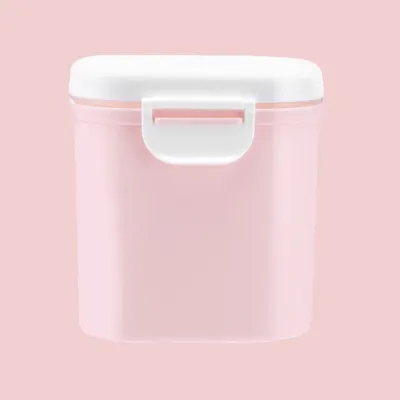
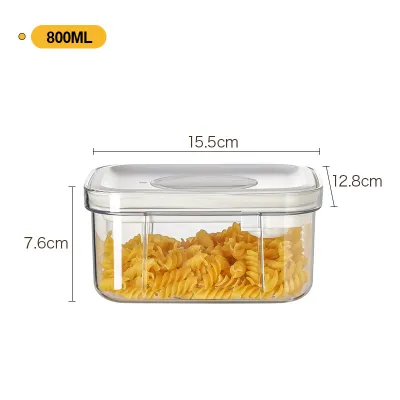
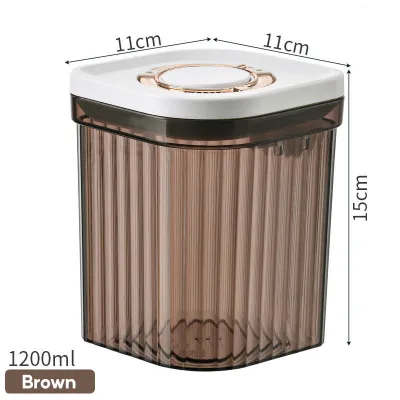
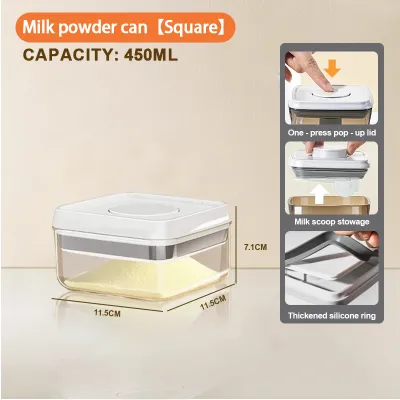
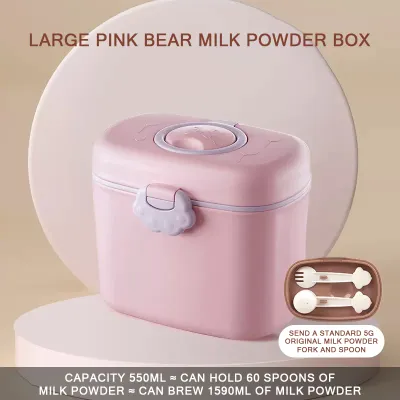
Prices are valid at publication and may change. Please refer to the product page for the latest price.
Leak-Proof Mechanisms Nothing disrupts an outing faster than finding breast milk or formula pooled at the bottom of your diaper bag. To prevent this, prioritize containers that feature robust leak-proof designs. Look for high-quality silicone seals that sit snugly within the lid, as well as secure locking caps that will not pop open when bumped. If you are traveling with standard baby bottles, utilizing travel discs or sealing discs—which sit directly under the collar of the bottle—provides an extra layer of protection against pressure changes during transit.
Material Safety and Durability The material of your storage container affects its weight, safety, and durability. Always verify that plastic options are completely BPA-free; polypropylene (PP) and polyphenylsulfone (PPSU) are popular choices due to their heat resistance and lightweight properties. High-quality PPSU bottles or insulated flasks typically range from ₱300 to ₱1,500, representing a worthwhile investment for frequent travelers. Food-grade silicone offers a flexible, durable alternative that resists breaking when dropped—a common hazard in busy public spaces. Stainless steel containers provide exceptional durability and natural light protection, though they tend to be heavier and do not allow you to easily see the volume of milk remaining inside.
Portability and Shape Diaper bags fill up quickly, making space-saving designs highly valuable. Compact, stackable containers allow you to utilize vertical space in your bag, while collapsible silicone options can be folded down once empty to free up room for the journey home. Ergonomic shapes that fit comfortably into standard stroller cup holders or the side pockets of a backpack will make accessing your baby’s milk much easier when you are on the move.
Temperature Compatibility A versatile container must be able to handle extreme temperature shifts. If you plan to freeze breast milk for a long trip, ensure the container is specifically rated for sub-zero temperatures to prevent cracking. Conversely, the material must also withstand high heat, whether you are warming the milk in a portable bottle warmer, submerging the container in hot water, or running it through a steam sterilizer.
Ease of Cleaning When you are away from your home kitchen, cleaning can be a challenge. Containers with wide-mouth designs are significantly easier to rinse and scrub with a travel brush. Avoid designs with deep crevices, complex straw systems, or intricate valves that can trap milk residue and foster bacterial growth, especially in warm and humid weather. Simple, streamlined shapes with minimal parts are always the easiest to maintain on the go.
Matching Milk Containers to Your Outing
Different outings require different levels of preparation. Matching your storage gear to the length and nature of your trip ensures you carry only what you need while keeping your baby’s milk fresh and safe.

Pre-filled Bottles for Short Trips (Malls and Clinics)
For quick outings lasting between two and four hours, such as a routine doctor’s visit or a brief trip to a local shopping mall, simplicity is key. Carrying pre-filled baby bottles is often the most straightforward approach. If you are formula-feeding, you can measure out the precise amount of cooled, sterilized water into the bottle beforehand and carry a separate, compact powder dispenser. When your baby is ready to feed, simply pour the pre-measured powder into the bottle, shake, and serve.
For breastfed babies, a pre-filled bottle of expressed milk can be kept in a small insulated pouch with a compact cold pack. While this method minimizes the amount of gear you need to pack, it does have limitations. Pre-filled liquid has a limited safe window at room temperature, meaning you must monitor the time closely and have a plan for cooling or warming the bottle if your outing runs longer than expected.
Insulated Flasks and Dispensers for All-Day Outings
When you plan to be away from home for an entire day, maintaining safe milk temperatures requires more specialized equipment. A vacuum-insulated stainless steel flask is an invaluable tool for parents who use formula. By filling the flask with hot, sterilized water before leaving home, you ensure a reliable supply of safe water that remains hot enough to mix formula on demand throughout the day. This eliminates the need to search for hot water while out.
For parents transporting expressed breast milk, a dedicated insulated cooler bag paired with contoured ice packs is the safest way to maintain a cold chain. To complement these cooling systems, multi-compartment formula dispensers are highly efficient. These stackable, dry storage containers allow you to portion out multiple individual servings of formula powder in advance, keeping them completely dry and organized until the exact moment of feeding.
Storage Bags and Pitchers for Extended Travel
For multi-day trips, flights, or visits to relatives, you will need solutions that accommodate larger volumes of milk without taking up excessive space. Pre-sterilized, single-use breast milk storage bags are highly efficient for this purpose. Because they can be frozen flat, they stack tightly inside a travel cooler, maximizing space and thawing quickly when submerged in warm water.
If you are staying in a hotel or a vacation rental, a portable milk pitcher or formula-mixing caddy can be highly useful. These larger, sealable containers allow you to prepare a batch of formula or pool expressed breast milk for the day ahead, storing it safely in your accommodation’s refrigerator. You can then pour out individual servings into travel bottles as needed, reducing the time spent measuring and mixing during your daily excursions.
Keeping Milk Safe and at the Right Temperature Outside
Food safety is paramount when feeding a baby on the go, particularly in warm and humid climates where bacteria can multiply rapidly. Prepared infant formula and thawed breast milk should generally not sit at room temperature for more than two hours. Once your baby has started feeding from a bottle, any remaining milk must be discarded within one hour due to the introduction of bacteria from the baby’s saliva.
To safely transport expressed breast milk or pre-mixed formula over longer periods, always use an insulated cooler bag packed with reusable ice packs. Ensure the containers are placed in direct contact with the ice packs to keep the temperature consistently cold. If you are traveling by car, keep the cooler bag in the air-conditioned passenger cabin rather than the hot trunk to preserve the ice packs for as long as possible.
For formula-fed babies, the safest strategy is to carry hot, sterilized water in a high-quality vacuum flask and mix the formula fresh for each feed. The water used to mix formula should ideally be hot—at least 70°C—to kill any potential pathogens that may be present in the powder itself. Once mixed, cool the bottle to a comfortable feeding temperature by holding it under running cold water or placing it in a cup of cool water.
Always consult the manufacturer’s instructions on your specific infant formula packaging and your milk storage containers for precise guidelines on temperature limits, storage durations, and warming methods. Different materials and formula brands may have specific recommendations that are critical to follow to preserve nutritional value and ensure safety.
Practical Packing and Cleaning Tips for Diaper Bags
Packing Strategy Organizing your diaper bag logically can prevent contamination and make feeding times much smoother. Keep all milk storage containers, bottles, and feeding accessories in a dedicated, clean compartment or a separate insulated pouch. This keeps them completely isolated from dirty diapers, used wipes, soiled clothing, and personal items like keys or mobile phones, which can carry high levels of bacteria.
Backup Planning Even the most carefully packed bag can encounter mishaps. Always pack a few essential backups, such as extra silicone sealing rings, travel caps, and at least one clean, empty bottle. Having these spare parts on hand ensures that a misplaced seal or an accidental drop onto a dusty floor does not derail your feeding schedule or leave you without a usable container.
On-the-Go Cleaning If you must reuse a bottle or container while away from home, proper hygiene is essential. Rinse the container immediately after use with clean drinking water—avoid using public restroom tap water for rinsing unless you can subsequently sterilize the bottle, as tap water quality can vary. A compact, travel-sized bottle brush and a small bottle of baby-safe dish soap can be kept in a plastic zip bag for quick cleanups. For a thorough clean, wait until you return home or reach an accommodation where you can wash the items in hot, soapy water and sterilize them according to the manufacturer’s guidelines.
Frequently Asked Questions (FAQ)
Can I reuse breast milk storage bags for travel?
Standard plastic breast milk storage bags are strictly designed for single use. Reusing them is not recommended, as the thin plastic can develop microscopic tears that compromise the seal, and they are extremely difficult to clean and sterilize thoroughly, which increases the risk of bacterial contamination. If you prefer a reusable option for travel, look for reusable food-grade silicone pouches designed specifically for milk storage, and ensure you have access to proper washing and sterilization facilities during your trip.
How do I safely warm a bottle when I am away from home?
The safest way to warm a bottle on the go is to use a portable, battery-operated or USB-powered bottle warmer designed for travel, which heats the milk gently and evenly. Alternatively, you can ask for a mug of hot water at a cafe or restaurant, submerge the sealed bottle in the water for a few minutes, and test the temperature on your wrist before feeding. Never use a microwave to warm baby milk, as microwaves heat unevenly and can create dangerous hot spots that can easily burn your baby’s mouth.

Community discussion
Share your experience or ask a question. Comments are reviewed before publication.