
Feeding your baby while traveling or running errands requires careful planning, especially when it comes to preserving the quality of expressed breast milk or prepared formula. Finding the right milk storage container for baby use on the go means balancing leak prevention, temperature control, and ease of preparation in public spaces. The ideal container must fit seamlessly into your travel routine while keeping your baby’s milk clean and safe.
Choosing a container is not a one-size-fits-all decision. The right choice depends heavily on the duration of your trip, the local weather, and how you plan to feed your baby. By understanding the key design features and material differences, you can confidently select a storage system that prevents messy spills and simplifies feeding times.
Essential Features for Traveling with Baby Milk
Feeding your baby while away from home introduces several logistical challenges. Diaper bags are constantly shifted, dropped, and squeezed, which turns minor lid imperfections into major leaks that can ruin your belongings. Additionally, exposure to varying temperatures can quickly compromise the safety of stored milk, especially in warm climates.
Products mentioned in this guide
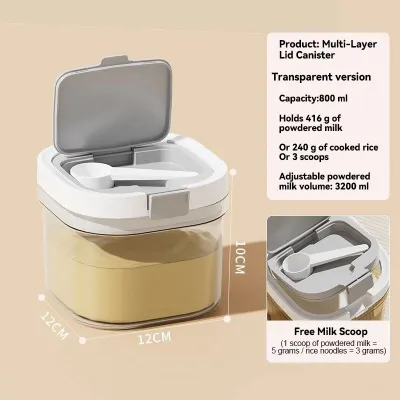
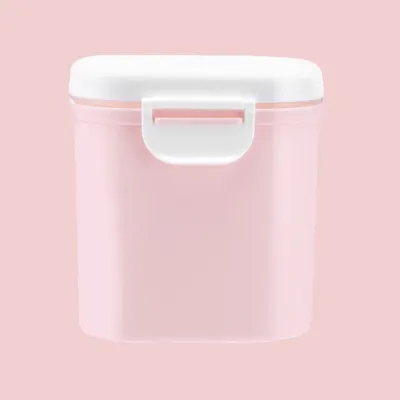
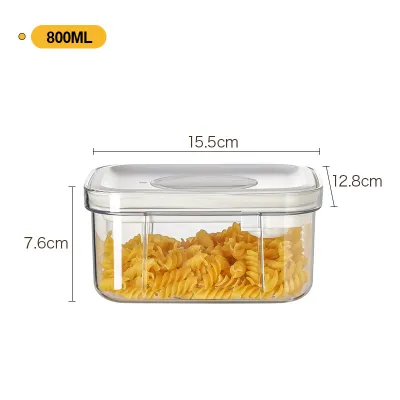
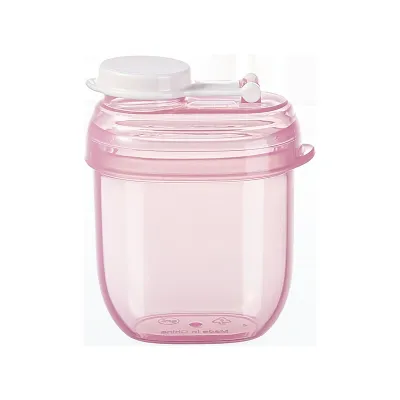
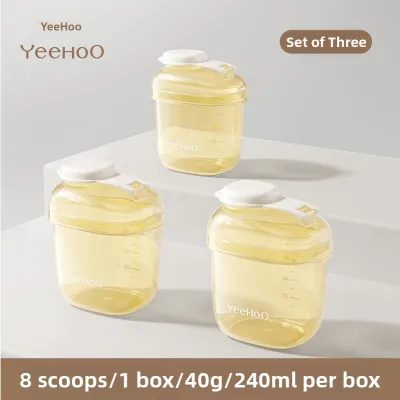
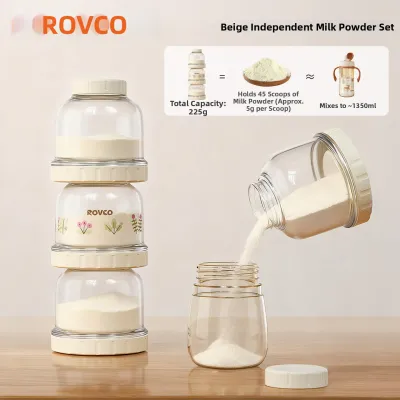
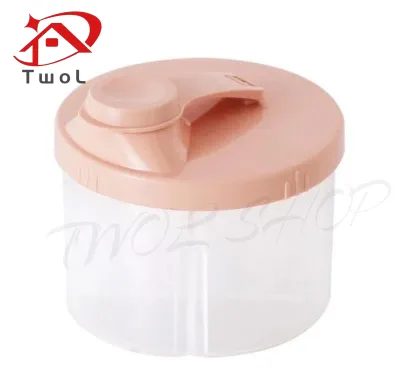
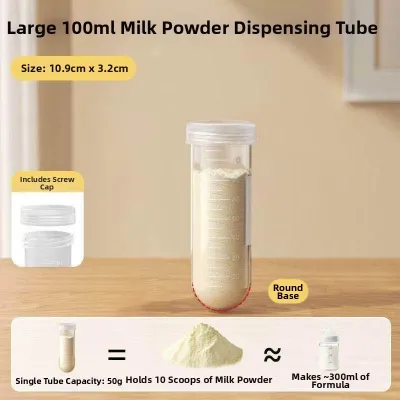
Prices are valid at publication and may change. Please refer to the product page for the latest price.
To prevent these issues, baseline requirements for any on-the-go container must include a highly secure sealing mechanism and durable construction. Look for containers with deep, threaded screw-tops rather than simple snap-on lids, as threaded designs are far less likely to fail when compressed in a crowded bag. The container should also be easy to assemble and disassemble without requiring sterile surfaces, allowing you to prepare a feed quickly in public restrooms, parks, or vehicles.
Standard kitchen storage containers often fail during travel because they are not engineered to handle the physical pressures of transit. Travel-specific baby containers frequently incorporate specialized sealing discs or travel caps that block liquid from entering the nipple or collar during movement. This separation keeps the feeding components dry and sterile until the exact moment your baby is ready to feed, reducing both waste and clean-up time.
Comparing Materials: Glass, Plastic, and Silicone for Travel
Evaluating material options is a crucial step in finding a container that matches your physical travel constraints and lifestyle. Glass, plastic, and silicone each offer distinct advantages and trade-offs that affect durability, hygiene, and weight.

Glass Containers
Glass is widely recognized as a highly hygienic material because its non-porous surface resists scratches where harmful bacteria can hide. It does not retain odors or stains from previous milk batches, and it generally maintains temperature slightly longer than thin plastics. However, glass is heavy and susceptible to shattering if dropped on hard pavement. If you prefer glass, it is best reserved for short, carefully managed trips, and you should always use protective silicone sleeves to minimize the risk of breakage.
Food-Grade Plastic Containers
Food-grade plastic is exceptionally lightweight and virtually shatterproof, making it highly practical for active parents who are constantly on the move. The main disadvantage is that plastic can develop micro-scratches over time from cleaning brushes, which can harbor residue and odors. When selecting plastic containers, always verify the manufacturer’s labels to ensure they are certified BPA-free and check the recommended temperature limits for heating and sterilization.
Silicone Containers
Silicone is a highly flexible, modern alternative that combines the lightweight benefits of plastic with the durability of glass. Many silicone storage options are collapsible, allowing you to save valuable space in your diaper bag once your baby has finished feeding. On the downside, silicone can feel floppy and unstable when filled with liquid, which demands extra care to avoid spills when pouring. Additionally, some silicone designs can be more challenging to clean thoroughly if they lack a rigid neck or wide opening.
Regardless of the material you choose, always check the manufacturer’s instructions for specific care guidelines. Verify dishwasher safety, microwave compatibility, and maximum heat tolerances before purchasing to ensure the containers fit your home sterilization routine.
Choosing the Right Milk Storage Container for Baby for Your Specific Outing
Your choice of a milk storage container for baby should align directly with the specific nature and duration of your outings. Matching the container design to your travel scenario helps prevent unnecessary stress and ensures your baby is fed on time.
Short Daily Strolls or Errands
For brief outings like a walk around the neighborhood or a quick trip to the local market, prioritize simplicity and speed. Compact, single-serve containers that fit easily into the external pockets of your diaper bag are ideal for these quick trips. Look for lightweight designs with quick-access lids that allow you to prepare a bottle with minimal effort while keeping one hand free to comfort your baby.
Long-Distance Travel and Flights
Long journeys and air travel require absolute leak-proof guarantees to handle changes in cabin pressure and extended transit times. Opt for containers with robust, threaded screw-top seals and robust construction that can withstand being packed tightly in carry-on luggage. Stackable designs are highly beneficial here, as they help organize your bags and save precious space. When preparing for a flight, always review current airport security and airline guidelines regarding liquid exemptions for baby food and expressed milk to ensure a smooth screening process.
Commuting and Daycare Drop-offs
If you are transporting milk daily for daycare drop-offs or commuting from work, organization and clear identification are essential. Choose containers with uniform, modular shapes that pack tightly into standard insulated cooler bags without leaving empty, wasted space. Prioritize models that feature flat, dedicated labeling areas where you can write dates, times, and your baby’s name clearly with a dry-erase marker or adhesive label to prevent mix-ups.
Keeping Milk Safe and Cool in Warm Weather
In the warm and humid tropical climate of the Philippines, keeping baby milk at a safe temperature is a top priority. High ambient temperatures create an ideal environment for rapid bacterial growth, which can spoil expressed breast milk or prepared formula within a very short period.
To protect your baby’s health, never transport milk in an uninsulated compartment. Always pair your milk storage containers with a high-quality insulated cooler bag and reusable ice packs that have been frozen solid. Position the containers directly against the ice packs to maintain a consistently cold temperature throughout your journey, and limit the number of times you open the bag to preserve the cold air inside.
Before offering the milk to your baby, always perform a quick temperature check. Shake the container gently to distribute the heat evenly, and place a few drops of milk on the inside of your wrist; it should feel neutral or slightly warm, never hot. Avoid using microwaves to reheat milk while traveling, as they create uneven hot spots that can burn your baby’s mouth and degrade the beneficial nutrients in breast milk.
Always keep your cooler bag out of direct sunlight and never leave it inside a parked car, where internal temperatures can reach dangerous levels in a matter of minutes. Consult your pediatrician or refer to official pediatric health guidelines to verify safe storage time limits for milk under local weather conditions. If you are ever unsure whether the milk has remained sufficiently cold, prioritize safety and discard it.
Frequently Asked Questions (FAQ)
Can I use a regular insulated water bottle to store baby milk?
Although high-quality insulated water bottles are excellent at retaining temperature, they are generally not recommended for storing baby milk. The narrow necks of standard water bottles make thorough cleaning and sterilization extremely difficult, which increases the risk of harmful bacterial buildup in hard-to-reach areas. If you must use an insulated bottle, ensure it is made of food-grade stainless steel, is dedicated solely to baby milk to prevent cross-contamination, and is cleaned immediately after use with a specialized bottle brush.
How do I clean milk containers when I am away from home?
Maintaining hygiene on the go requires a practical, step-by-step approach. If you do not have access to a full kitchen, carry a compact travel bottle brush kit and a small bottle of baby-safe dish soap. Rinse the container with clean, bottled drinking water immediately after feeding to prevent milk residue from drying and hardening. For temporary sanitization, you can use specialized, food-grade sterilizing wipes or cold-water sterilizing tablets. Keep in mind that these are temporary measures; you must thoroughly wash the containers with hot, soapy water and sterilize them using your standard home method once you return.

Community discussion
Share your experience or ask a question. Comments are reviewed before publication.