
Transitioning your baby to solid foods during the weaning phase is an exciting milestone, but it also introduces new complexities to your daily feeding routine. While your little one begins to explore purees, mashed fruits, and soft finger foods, milk remains a foundational source of nutrition. To keep supplementary milk fresh, safe, and easily accessible during this transitional period, finding the right milk storage container powder system is essential. The ideal container must protect the powder from environmental contaminants, simplify your preparation routine, and withstand the unique challenges of local climates.
Selecting the right storage solution requires balancing portability, ease of cleaning, and moisture protection. During weaning, you are often managing multiple types of food and gear simultaneously, making organization and hygiene more critical than ever. By understanding the specific features that keep milk powder safe and dry, you can make an informed choice that fits your family’s lifestyle.
Why Proper Milk Powder Storage Matters During Weaning
The weaning phase introduces dynamic feeding routines that often take place outside the home. As your baby becomes more active and begins exploring the world, you will likely find yourself preparing meals on the go, whether at a local park, a family gathering, or during weekend trips. This transition means milk powder is frequently transported, exposing it to environmental factors that can compromise its quality if it is not stored in a dedicated, secure container.
Products mentioned in this guide
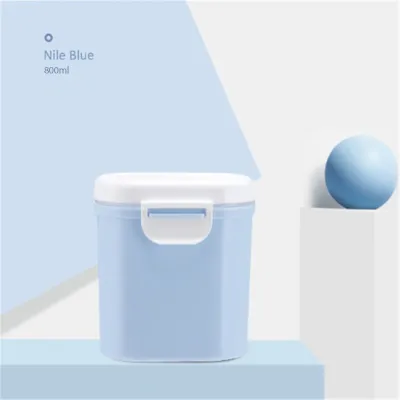
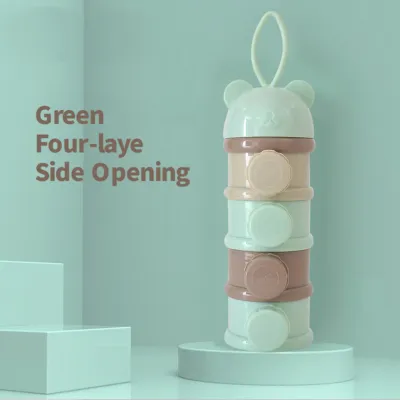
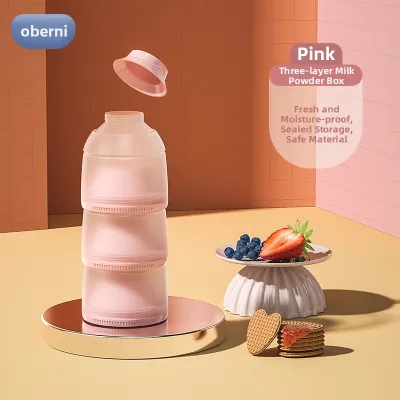
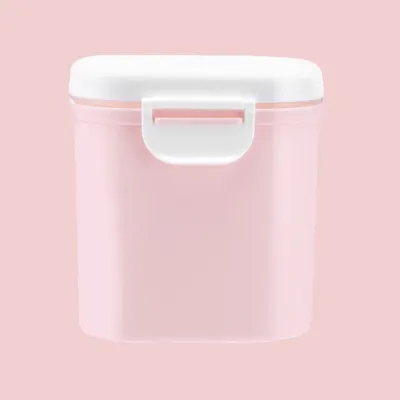
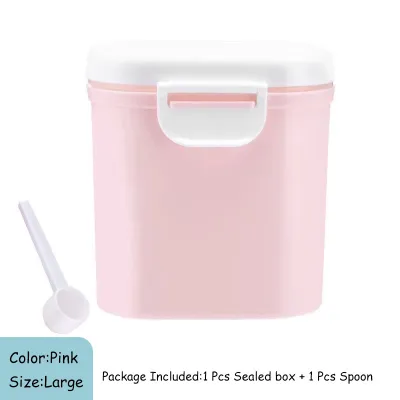
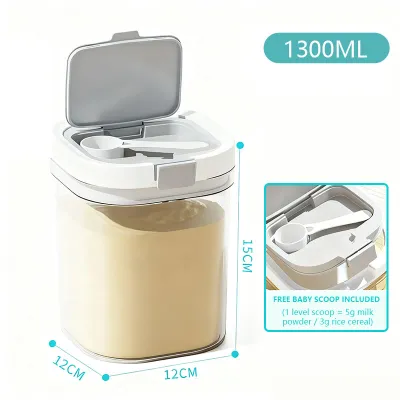
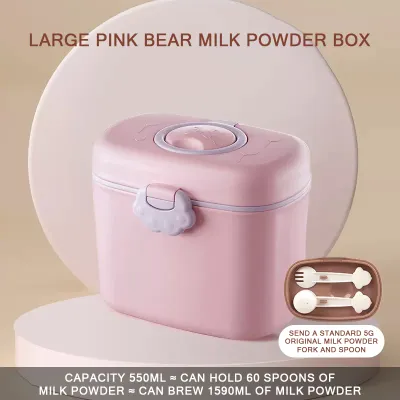
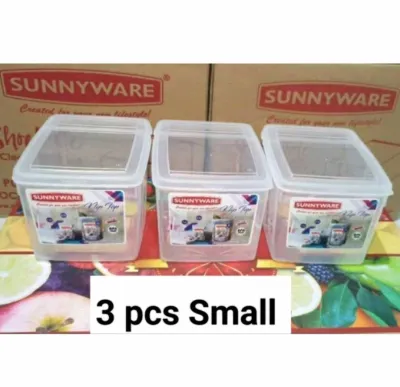
Prices are valid at publication and may change. Please refer to the product page for the latest price.
In the Philippines, the tropical climate presents a persistent challenge for dry food storage. High relative humidity levels, which often exceed 80 percent during the rainy season, mean that ambient air carries substantial moisture. When milk powder is exposed to this humid air, it rapidly absorbs water molecules, leading to clumping, localized spoilage, and a rapid decline in nutritional integrity. A container that fails to block out this humidity can quickly turn expensive formula or milk powder into unusable, hardened blocks.
Furthermore, weaning involves introducing a variety of fresh, moist foods like vegetable purees and fruit mashes into your baby’s daily diet. Keeping dry milk powder strictly isolated from these wet foods is vital to prevent cross-contamination. Storing your milk powder in a dedicated, airtight container ensures that no moisture, food odors, or external bacteria from fresh foods can compromise the dry powder, preserving its safety for your baby.
Key Features to Look for in a Milk Powder Container
Material Safety
When selecting a container, material safety is your highest priority. Look for options made from high-quality, BPA-free plastics such as polypropylene (PP) or Tritan, or choose tempered glass or food-grade silicone. Always verify these material safety claims directly on the product packaging or the manufacturer’s official documentation before purchasing. Ensuring the material is food-grade guarantees that no harmful chemicals will leach into the dry powder, even when exposed to warm tropical temperatures.

Airtight Seals
To combat high humidity, a container must feature a robust, reliable airtight seal. Look for lids equipped with thick silicone gaskets and secure locking mechanisms, such as multi-point snap latches or button-activated vacuum seals. A truly airtight seal acts as an absolute barrier against ambient moisture, keeping the powder dry, free-flowing, and safe from spoilage over extended periods.
Portion Control vs. Bulk Storage
Parents generally need to balance two distinct storage formats during the weaning phase: bulk storage and portable portion control. Bulk canisters are designed for home use, featuring larger capacities (typically 500 grams to 1 kilogram) and wider openings for easy scooping. In contrast, portable portion dispensers feature smaller, pre-divided compartments that hold exact, pre-measured amounts of powder for single feeds, minimizing the gear you need to pack for daily outings.
Ease of Cleaning
Milk powder contains fats and proteins that can leave a stubborn residue on container surfaces, creating a breeding ground for bacteria if not cleaned thoroughly. Choose containers with wide-mouth designs that allow your hand or a bottle brush to reach every corner easily. Additionally, ensure that all silicone seals and lid components are fully removable, as trapped moisture and milk residue behind permanent gaskets are a primary cause of mold growth in warm climates.
Best Types of Milk Powder Storage Containers for Weaning
Stackable Portion Dispensers
Stackable portion dispensers are highly practical for daily outings, daycare, and short trips. These containers typically feature three to four individual compartments that twist and lock together vertically, forming a single, compact column. Each compartment holds a pre-measured amount of powder, allowing you to prepare a bottle quickly without needing to measure scoops while away from home.
Most stackable designs feature a funnel-shaped top lid that fits securely onto any of the individual compartments. This funnel allows you to pour the powder directly into narrow-neck baby bottles without spilling. While highly convenient, these hard plastic dispensers do take up a fixed amount of physical space in your diaper bag, and their capacity per tier is limited, meaning they may not accommodate larger feed sizes as your baby grows.
Large Airtight Canisters
For home use and bulk formula management, large airtight canisters are the standard choice. These containers are designed to sit on your kitchen counter or pantry shelf, keeping a large supply of powder safe from ambient humidity. Many premium home canisters feature integrated scoop holders on the underside of the lid, which keeps the scoop handle out of the powder and prevents hand oils from contaminating the supply.
Another valuable feature of bulk canisters is a built-in leveling edge. This metal or plastic bar allows you to level off each scoop of powder accurately, ensuring consistent feed concentrations. When choosing a bulk canister, ensure the opening is wide enough to comfortably accommodate the specific scoop provided by your milk brand, and verify that the lid mechanism can be operated easily with one hand while holding your baby.
Disposable or Reusable Formula Dispenser Bags
For travel, long-distance trips, or situations where diaper bag space is extremely limited, disposable or reusable formula dispenser bags offer an ultra-lightweight alternative. These bags feature secure zip-seal closures and often include a tear-away spout at the bottom for easy, spill-free pouring. Because they collapse as they are emptied, they occupy virtually zero space in your bag once used.
Disposable options are typically pre-sterilized, offering excellent hygiene for travel but incurring ongoing costs and contributing to plastic waste. Reusable silicone pouch alternatives are more environmentally friendly and cost-effective over time, though they require meticulous washing and a prolonged drying process to ensure no moisture remains trapped in the flexible corners before they are refilled.
How to Clean and Maintain Milk Powder Containers
Maintaining strict hygiene is essential to protect your baby’s developing immune system during the weaning transition. Before cleaning any container, consult the manufacturer’s instructions for specific temperature limits and washing guidelines. Begin by completely disassembling the container, removing all lids, pop-up mechanisms, and silicone sealing rings to expose every hidden crevice.
Wash all components thoroughly in warm water using a mild, baby-safe dishwashing liquid. Use a soft bottle brush to clean the inner corners of the container, taking care not to use abrasive scrubbing pads that can scratch plastic surfaces, as these micro-scratches can harbor bacteria and milk residue. Pay special attention to the grooves where the silicone seals sit, ensuring all traces of old milk powder are removed.
After washing, rinse all parts thoroughly with clean water. The most critical step in the maintenance process is ensuring that every component is 100 percent dry before reassembly or refilling. Even a single microscopic droplet of water trapped inside a container will cause the milk powder to clump, degrade, and potentially develop mold. Allow all parts to air-dry completely on a clean rack in a well-ventilated area, or use a baby bottle sterilizer with a dedicated hot-air drying cycle.
Regularly inspect the silicone gaskets and locking mechanisms for signs of wear, stiffness, or micro-tears. In tropical climates, silicone can degrade or develop persistent mold spots over time if exposed to constant humidity. If you notice any damage, loss of elasticity, or discoloration on the seals, replace the gaskets or the entire container immediately to ensure the airtight barrier remains intact.
Quick Checklist Before You Buy
Before purchasing a milk powder storage container, use this practical checklist to verify that your chosen model meets your daily needs:
- Scoop Compatibility: Verify that the container's opening and leveling bar are compatible with the physical size and shape of your specific formula brand's scoop.
- Material Labels: Confirm that "BPA-free" and "food-grade" certifications are clearly printed on the product packaging or official manufacturer documentation.
- Removable Seals: Check that the silicone gasket can be fully detached from the lid for deep cleaning and drying.
- Diaper Bag Dimensions: Measure the container to ensure it fits comfortably inside your standard diaper bag alongside your other weaning essentials.
- Secure Closure: Test the locking mechanism to ensure the lid will not accidentally pop open if the container is tipped or bumped during travel.
Frequently Asked Questions (FAQ)
Can I store breast milk and formula powder in the same container?
No, you should never store liquid breast milk and dry formula powder in the same container. Powder storage containers are designed exclusively for dry ingredients and are not engineered to hold liquids securely. Introducing liquid breast milk into a powder container can damage the material, compromise the seals, and create an environment highly susceptible to rapid bacterial growth. Always use specialized, pre-sterilized liquid storage bags or bottles for breast milk, and keep your dry powder storage completely separate.
How long can I keep formula powder in a storage container after opening?
Transferring milk powder from its original packaging to a secondary storage container does not extend its shelf life. You must always follow the manufacturer’s guidelines printed on the original tin or box, which typically recommend consuming the powder within three to four weeks of opening. To track this safely, write the date you first opened the original packaging on a piece of tape and stick it to your secondary container, and consult a pediatrician or healthcare professional if you have any concerns about feeding safety or digestive health.

Community discussion
Share your experience or ask a question. Comments are reviewed before publication.