
When your baby reaches around six months and begins their first solid foods, your kitchen routine undergoes a major transformation. While milk remains a primary source of nutrition, you are now introducing purees, cereals, and mashed fruits. This dual-phase feeding means you are no longer just preparing simple bottles; you are managing a busy, multi-step food preparation area.
In a tropical climate like the Philippines, ambient humidity is naturally high throughout the year. When you begin preparing solid foods, your kitchen experiences a sharp increase in steam, moisture, and heat from boiling vegetables, sterilizing bowls, and warming purees. Opening a standard milk powder tin repeatedly in this moisture-rich environment exposes the powder to humid air. This exposure rapidly accelerates clumping, degrades the powder’s quality, and increases the risk of spoilage.
Managing both milk preparation and solid meals requires speed and efficiency. A dedicated, high-quality milk storage container powder solution helps streamline this chaotic workflow. Instead of struggling with tight metal tin lids or flimsy plastic bags while holding a hungry baby, a specialized container allows for quick, secure, and hygienic access, protecting your investment in infant nutrition.
Products mentioned in this guide
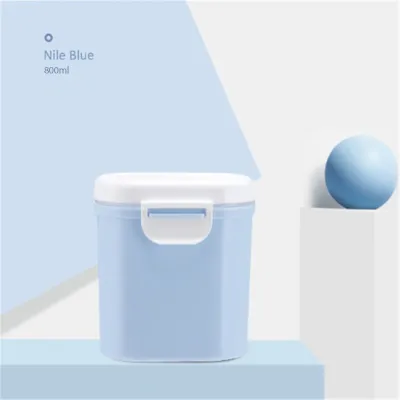
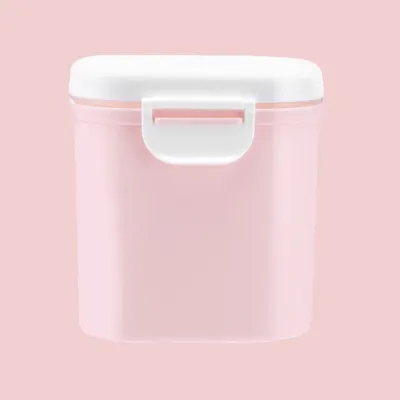
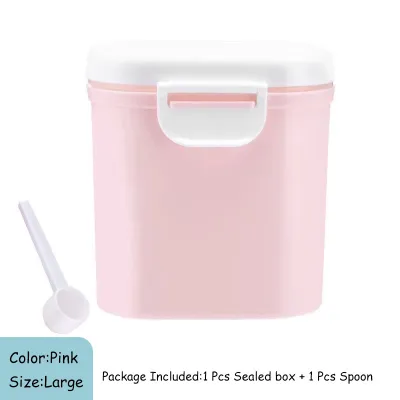
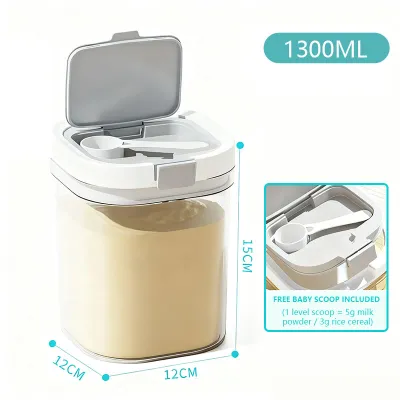
Prices are valid at publication and may change. Please refer to the product page for the latest price.
Key Features to Look for in a Milk Storage Container Powder Now
The primary defense against tropical humidity and household pests like ants is a robust airtight seal. Look for containers equipped with thick, food-grade silicone gaskets, secure clamp lids, or one-touch button mechanisms. These seals create a pressurized barrier that keeps ambient air and moisture out, ensuring the powder remains dry and free-flowing.
Hygiene is paramount when handling powdered milk. Standard tins often require you to dig through the powder to find the scoop, transferring natural oils and moisture from your fingers directly into the formula. A superior storage container features built-in scoop holders (often magnetic or clip-on under the lid) and integrated levelers. The leveler allows you to scrape off excess powder with one hand, ensuring precise measurements without using external utensils that could introduce contaminants.
Always verify that the container is made from food-grade, BPA-free materials. Common options include high-quality plastics like Acrylonitrile Styrene (AS) or Polypropylene (PP), borosilicate glass, and food-grade stainless steel. Glass and stainless steel are highly durable and do not absorb odors, but they can be heavy. BPA-free plastics are lightweight and shatterproof, making them highly practical for busy kitchens, though they must be checked regularly for scratches where bacteria can hide.
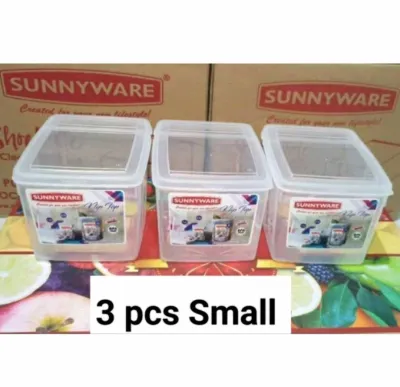
As your kitchen counters fill up with baby food blenders, steamers, and sterilizers, space becomes a premium. Square or rectangular containers are highly efficient because they fit flush against walls and into tight pantry corners, maximizing your limited counter space. Round containers, while classic, often leave unused gaps in storage cabinets.
Top Milk Storage Container Powder Designs for the Solid Food Transition
Selecting the right design depends on your daily routine, kitchen layout, and how often you travel with your baby. Different container designs address specific challenges, from managing high humidity to organizing a compact pantry. Here are the primary container categories designed to simplify the transition to solid foods.

Airtight Canisters with Built-in Scoop Levelers
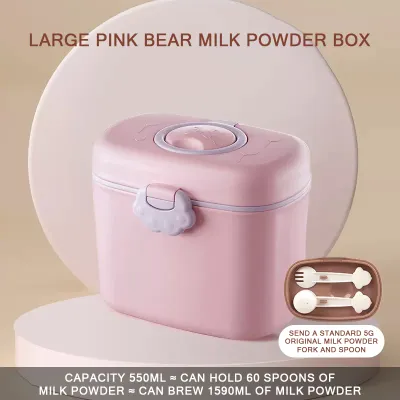
These canisters are designed specifically for daily, high-frequency bottle preparation. They feature a built-in plastic ledger or metal bar across one corner, allowing you to level each scoop of powder effortlessly. The scoop itself is typically stored on a dedicated hook under the lid, keeping it completely separate from the powder when not in use.
This design is highly recommended for parents who still prepare multiple bottles throughout the day alongside introducing solid food meals. It eliminates the need to look for a separate knife or flat edge to level the scoop, reducing prep time and preventing powder waste on your countertops.
Before purchasing, verify that the leveling bar and scoop holder are completely removable. These small components can easily trap fine powder residue over time. If they are not cleaned and dried thoroughly, the trapped powder can attract moisture and harbor bacteria, compromising the safety of subsequent batches.
Vacuum-Seal or Pump-Action Storage Jars
Vacuum-seal containers utilize a built-in pump mechanism—often a large button on the lid—to actively extract air from the container after it is closed. This creates a low-oxygen, low-humidity vacuum chamber that offers the highest level of protection against environmental elements.
This design is exceptionally well-suited for the humid climate of the Philippines, especially during the rainy season when indoor moisture levels peak. It is also an excellent option if you buy milk powder in large bulk economy packs, as it preserves the powder’s freshness over an extended period and prevents the formation of hard, unusable clumps.
The primary trade-off is the physical effort and time required to operate the vacuum mechanism. During rushed feeding times when your baby is crying, pressing a pump button multiple times or waiting for the seal to release can feel tedious. It requires a deliberate, two-handed operation that may not suit parents who prefer quick, one-handed access.
Multi-Compartment Dispensers for On-the-Go or Quick Prep
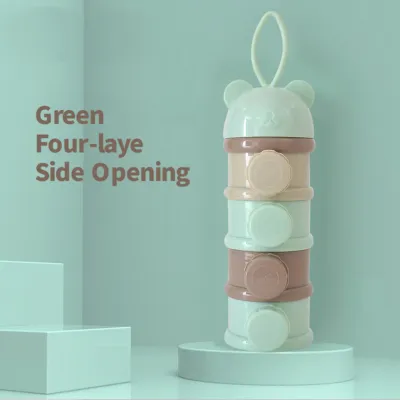
These compact, portable containers are divided into three or four separate compartments, each designed to hold a single pre-measured serving of milk powder. They typically feature a rotating lid with a single pouring spout, allowing you to dispense one portion at a time without exposing the remaining compartments to the air.
When you begin introducing solid foods, family outings often require packing both bottles and solid snacks like fruit purees or baby puffs. A multi-compartment dispenser is highly efficient for travel because it eliminates the need to carry a bulky main container or multiple individual bags, saving valuable space in your diaper bag.
Keep in mind that these dispensers have a limited total capacity and are not designed for long-term home storage. They serve as excellent supplementary tools for day trips, visits to the pediatrician, or quick nighttime feedings, but they cannot replace a primary airtight kitchen canister.
Stackable Modular Jars for Unified Pantry Storage
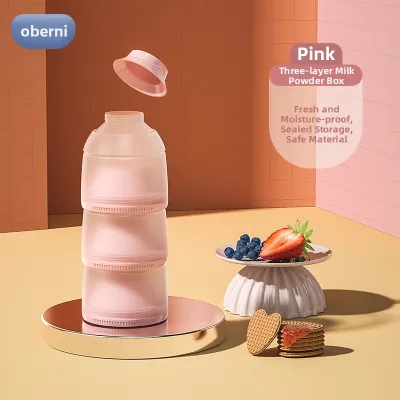
Modular storage systems consist of multiple jars of varying sizes that lock together vertically. This design allows you to stack your milk powder container directly on top of or beneath jars containing dry solid food ingredients, such as baby oats, rice cereals, or organic teething biscuits.
This vertical stacking system is a space-saving solution for organizing your baby’s dedicated feeding station. It keeps all dry ingredients in one highly visible, compact column, making it easy to inventory your supplies at a glance.
When using stackable systems, always verify the stability of the locking mechanism between the jars. Flimsy connections can lead to accidental tipping, resulting in costly spills or cracked lids. Ensure each jar’s silicone seal remains perfectly intact, as the physical pressure of stacking can sometimes compromise a weak lid seal.
Organizing Your Feeding Station for Milk and Solids
Creating a dedicated “feeding zone” in your kitchen is essential for maintaining hygiene and saving time. This zone should be physically separated from your main cooking area where raw meats, vegetables, and family meals are prepared. Keeping baby bottles, sterilizers, and your milk storage container powder setup in a distinct area minimizes the risk of cross-contamination from raw food pathogens or cooking oils.
Position your milk powder storage container away from heat-generating appliances such as stoves, ovens, microwaves, and bottle warmers. High temperatures can degrade the nutritional quality of the milk powder and cause condensation to form inside the container if it is opened near a heat source. Additionally, keep the container out of direct sunlight, as UV rays can heat the plastic or glass, creating a microclimate inside that encourages spoilage.
Arrange the feeding station ergonomically to support quick, one-handed operation. Place the primary milk container on a clean, dry countertop at waist height, close to your clean bottle storage and water dispenser. If you are holding a baby in one arm, you should be able to easily reach, open, scoop, and seal the container with your free hand. Storing the container on high shelves or deep inside low cabinets increases the risk of accidental drops and slows down preparation during hectic moments.
Hygiene and Safety Checks for Dual-Phase Feeding
Maintaining pristine hygiene is critical when storing powdered infant nutrition. You must wash the storage container thoroughly with warm, soapy water every time it is emptied, before refilling it with a new batch of powder. After washing, completely air-drying the container is mandatory; even a single microscopic droplet of water trapped inside can cause the powder to clump, spoil, and potentially harbor harmful bacteria.
Perform regular visual and tactile checks on your stored powder. Healthy powder should be dry, powdery, and easily scoopable. If you observe hard clumps that do not crumble under light pressure, a yellow or dark discoloration, or a stale, sour odor, the powder has likely absorbed moisture or spoiled. In such cases, discard the compromised powder immediately to protect your baby’s health.
Never mix old and new batches of milk powder in the same container. Pouring fresh powder on top of a remaining layer of old powder traps older particles at the bottom, where they can degrade and contaminate the entire fresh batch. Always wait until the container is completely empty, wash and dry it thoroughly, and then pour in the fresh powder.
Always read and follow the manufacturer’s care instructions for your specific container. Check whether the container is dishwasher-safe, as high dishwasher temperatures can warp certain plastics or damage silicone seals. Pay attention to temperature limits and replace the container immediately if you notice any cracks, deep scratches, or if the silicone gasket becomes loose or stretched, as these defects compromise the airtight seal.
Frequently Asked Questions (FAQ)
Can I store homemade solid food purees in the same container type as milk powder?
No, you should not use the same container type interchangeably without verifying its specifications. Dry milk powder requires strict moisture-blocking, airtight storage at room temperature. Homemade purees, however, are wet, highly perishable foods that must be kept in airtight, leakproof, freezer-safe containers and stored in the refrigerator or freezer. To prevent cross-contamination, bacterial growth, and strong odor transfer, always use dedicated containers specifically rated and labeled for wet food storage.
How do I know if my stored milk powder has absorbed moisture?
You can identify moisture absorption through clear physical signs. Check for hard clumps that do not easily dissolve or break apart when touched with a clean scoop. Other indicators include a noticeable darkening or yellowing of the powder’s color and a stale, damp, or off-odor. If you observe any of these signs, the powder’s safety has been compromised, and it must be discarded immediately to prevent bacterial contamination.
Is it safe to transfer milk powder to a new container immediately after opening the tin?
Yes, transferring milk powder to a dedicated storage container is safe and highly beneficial, provided the new container has been thoroughly washed, sanitized, and is completely bone-dry. Before discarding the original tin, always cut out or write down the manufacturer’s batch number, production date, and expiration date. Tape this information securely to the outside of your new container so you can easily track its shelf life and stay informed in the event of a product recall.

Community discussion
Share your experience or ask a question. Comments are reviewed before publication.