
Transitioning your child from a baby bottle or a traditional sippy cup to an open cup is a major developmental milestone. When looking for the ideal milk glass for toddler use in the Philippines, parents often face an overwhelming array of choices, from colorful silicone cups to durable stainless steel tumblers. The best choice is not a one-size-fits-all product; rather, it depends heavily on your child’s developmental stage, physical coordination, and your family’s daily routine. In a tropical climate where high humidity can accelerate mold growth in hard-to-reach cup parts, ease of cleaning and material safety become just as critical as durability and spill-resistance.
This guide is designed to help you navigate these options objectively. We will examine how different materials—such as food-grade silicone, insulated stainless steel, tempered glass with protective sleeves, and BPA-free plastics—perform under daily wear and tear. You will also learn how to evaluate key ergonomic features, manage the transition from spouted cups to open rims, and establish a cleaning routine that keeps your toddler’s drinkware hygienic and safe.
Quick Guide to Choosing a Toddler Milk Glass
Selecting the right drinkware involves matching the cup’s design to your child’s current motor skills. Toddlers transitioning from a bottle or a soft-spout sippy cup require features that build oral strength while minimizing the frustration of frequent spills. Material safety remains the absolute foundation of any choice, followed closely by how easily the cup can be thoroughly sanitized.
Products mentioned in this guide
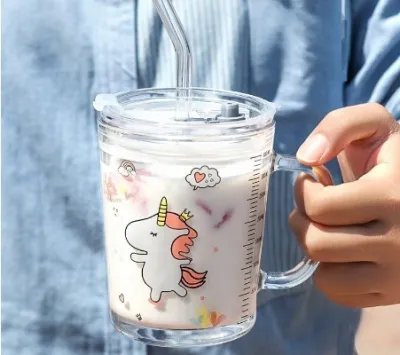
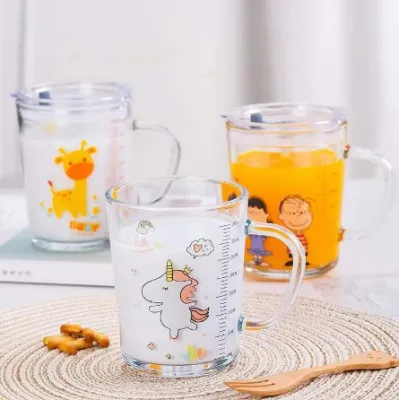

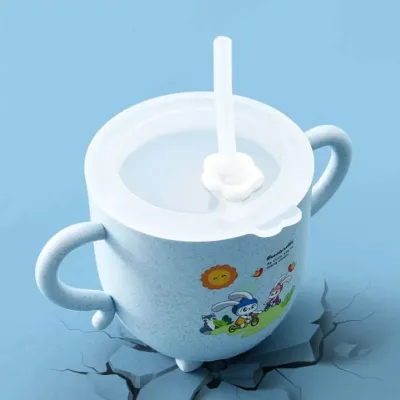
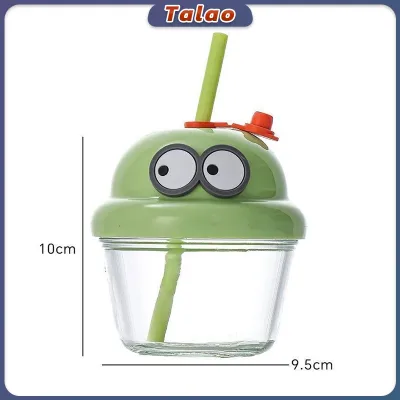
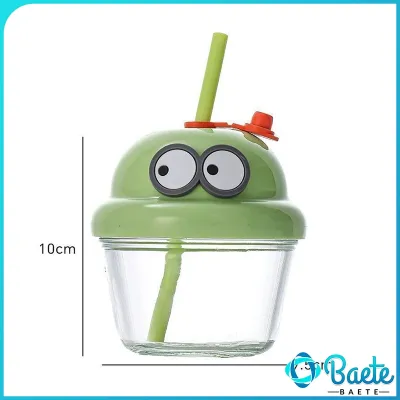
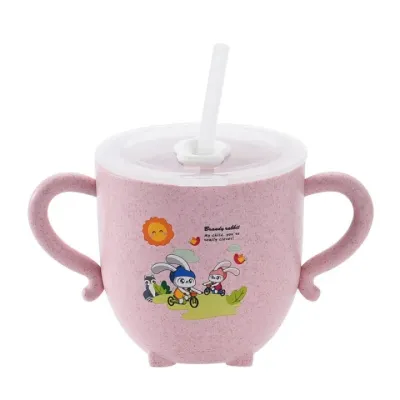
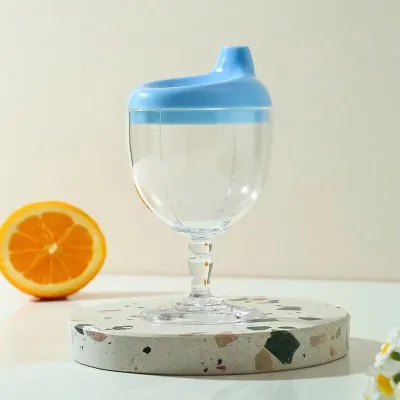
Prices are valid at publication and may change. Please refer to the product page for the latest price.
For active toddlers, durability is a top priority. A cup that cracks upon its first impact with a tiled floor is both a safety hazard and a poor investment. Ergonomic grips, such as dual handles or textured sleeves, help small hands stabilize the cup, while an appropriate capacity prevents the cup from becoming too heavy when filled. Rather than pushing a single brand, this guide will empower you to evaluate material safety, design features, and transition strategies to find the perfect fit for your household.
Essential Features to Evaluate Before Buying
When browsing local department stores or online marketplaces, it is easy to get distracted by cute cartoon designs. However, the functionality of a toddler milk glass depends on specific design elements that support your child’s physical development and make your daily routine manageable.

Ergonomics and Grip
Toddlers are still developing their fine motor skills and hand strength. A cup that is too wide, too heavy, or lacks texture will frequently slip from their grasp, leading to spills and frustration. Look for cups designed with dual handles, which allow your toddler to use both hands to stabilize the cup as they bring it to their mouth. If you prefer a handleless design, ensure the cup has an ergonomic, contoured shape or a textured outer surface—such as a silicone sleeve or embossed patterns—that provides natural traction for tiny fingers. The overall weight of the cup when filled is also crucial; it should be light enough for your child to lift easily without straining, yet heavy enough at the base to prevent accidental tipping when set down on a high chair tray.
Capacity and Portion Control
It can be tempting to buy a larger cup to minimize refills, but oversized drinkware is impractical for toddlers. A large cup filled with milk is heavy and difficult to control, increasing the likelihood of messy accidents. Pediatricians generally recommend serving small, manageable portions of milk at a time. A cup with a capacity of 4 to 8 ounces (approximately 120 to 240 milliliters) is the ideal size for toddlers. This volume accommodates standard serving sizes perfectly while keeping the total weight of the drinkware manageable for young hands.
Spill-Resistance vs. Open Flow
Parents must balance the convenience of spill-proof designs with the developmental benefits of open-cup drinking. Spill-resistant cups with silicone valves or straw lids are excellent for travel, active play, or car rides, as they prevent liquid from escaping when the cup is dropped or held upside down. However, relying solely on spill-proof valves can delay oral motor development. Open-flow cups, or cups with simple training lids that do not require suction, encourage toddlers to use their lips, tongue, and jaw muscles in a coordinated manner. This helps them learn how to seal their lips around a rim and control the flow of liquid, which is an essential skill for speech development. Consider having both types on hand: a spill-resistant cup for on-the-go hydration and an open cup for supervised use during seated meals.
Measurement Marks
Tracking your child’s daily nutritional intake is a common concern for parents. Having clear, easy-to-read volume indicators on the side of the cup—either embossed on the plastic or printed on the glass—allows you to monitor exactly how many ounces of milk your toddler consumes at each meal. This feature is particularly helpful if you are transitioning your child from formula to fresh milk or monitoring their hydration levels during hot, humid afternoons.
Comparing the Best Materials for a Milk Glass for Toddler
The material of your toddler’s cup dictates its safety, durability, and how easy it is to sanitize. Each material has distinct advantages and trade-offs that you should weigh against your toddler’s habits and your household’s lifestyle.
Stainless Steel
Stainless steel is highly favored for its exceptional durability and hygiene. It is virtually unbreakable, making it an excellent long-term investment that can withstand being repeatedly thrown from a high chair onto hard tile floors.
- Durability: Extremely drop-resistant; it will not crack, chip, or shatter. It may dent over time with heavy impact, but this does not compromise its structural integrity.
- Safety: High-quality stainless steel does not leach chemicals into warm or cold milk. Always check the product packaging or manufacturer documentation to verify that the cup is made from food-grade 304 (18/8) stainless steel.
- Temperature Control: Double-walled, vacuum-insulated stainless steel cups can keep milk cold for several hours, which is highly beneficial in the warm Philippine climate to prevent milk from spoiling quickly.
- Trade-offs: Stainless steel is completely opaque, meaning you cannot see the liquid level from the outside. It is also heavier than plastic or silicone, and some toddlers may find the metallic rim less comfortable than softer materials.
Food-Grade Silicone
Food-grade silicone has become incredibly popular for toddler dinnerware due to its soft texture and flexible nature. It offers a gentle transition for toddlers who are used to soft bottle nipples.
- Gentle on Gums: The soft, flexible rim of a silicone cup is highly forgiving on developing teeth and sensitive gums, especially during teething phases.
- Unbreakable and Grippy: Silicone is completely shatterproof and has a natural, non-slip texture that is exceptionally easy for small hands to hold securely.
- Safety: High-quality silicone is free from BPA, BPS, phthalates, and latex. Parents should look for 100% food-grade or platinum-cured silicone certifications on the label.
- Trade-offs: Silicone is highly porous compared to glass or steel, which means it can retain soap smells or sour milk odors if not cleaned promptly and thoroughly. Additionally, because silicone is flexible, a cup with walls that are too thin can collapse slightly when squeezed hard by a toddler, causing milk to squirt out of the top. Look for designs with a reinforced rim and a weighted base to prevent tipping.
Glass with Protective Sleeves
For parents who want to avoid plastics and synthetic materials entirely, glass remains the gold standard for purity and hygiene.
- Unmatched Hygiene: Glass is completely non-porous, meaning it will never absorb odors, stains, or bacteria. It is incredibly easy to clean and sanitize, and it does not scratch, ensuring no microscopic crevices can harbor bacteria.
- Zero Chemical Transfer: Glass provides absolute peace of mind regarding chemical leaching, regardless of the temperature of the milk.
- Trade-offs: Glass is inherently fragile. Even tempered glass can shatter if dropped from a height onto a hard surface. Because of this, a glass cup must always be paired with a thick, shock-absorbing silicone sleeve that covers the majority of the glass surface, along with a secure, drop-resistant lid. Glass cups are heavier than other materials and should only be used under direct caregiver supervision during quiet, seated meals. If you notice any chips, hairline cracks, or deep scratches on the glass, stop using the cup immediately and replace it.
BPA-Free and BPS-Free Plastic
Plastic cups are widely available, highly affordable, and exceptionally lightweight, making them a common choice for many families.
- Lightweight and Portable: Plastic cups are easy for even the youngest toddlers to lift and carry, making them highly convenient for travel and daily use.
- Affordability: They are generally the most budget-friendly option, allowing parents to purchase multiple cups for easy rotation.
- Safety Verification: When choosing plastic, it is vital to read the manufacturer's label to ensure the product is explicitly certified as BPA-free, BPS-free, and phthalate-free.
- Trade-offs: Plastic scratches easily. Over time, washing with abrasive sponges or normal wear and tear will create tiny scratches on the inner surface. These scratches can trap milk proteins and harbor bacteria, even after thorough washing. Plastic cups also tend to become cloudy or retain odors over time. You should inspect plastic cups regularly and replace them immediately if they show signs of deep scratching, cloudiness, or persistent odors.
Transitioning from Sippy Cups to Open Milk Glasses
Moving away from bottles and spouted cups is not just about reducing spills; it is a critical step in supporting your child’s physical and oral development. Knowing when and how to introduce a new cup will make this transition smoother and less stressful for both you and your child.
Readiness Signs
Most pediatricians and pediatric dentists recommend introducing an open cup or a straw cup around 12 months of age. However, every child develops at their own pace. Look for physical cues that indicate your toddler is ready to try an open glass:
- They can sit upright independently in a high chair or booster seat with good head and neck control.
- They can grasp objects firmly with both hands and bring them directly to their mouth without dropping them.
- They show a strong interest in what you are drinking, often reaching for your glass or trying to mimic your drinking motions.
- They can release an object voluntarily and place it down on a flat surface, rather than simply letting go and letting it fall.
Step-by-Step Introduction
The key to a successful transition is patience and gradual progress. Do not expect your toddler to master an open glass overnight.
- Start with Water: Begin by offering very small amounts of water—just a tablespoon or two—in an open cup during meal times. Water is easier to clean up than milk and allows your child to practice without the pressure of finishing a nutritious drink.
- Use Dual Handles: Choose a small, lightweight cup with two handles. Guide your child's hands to the handles and gently help them lift the cup to their lips.
- Model the Behavior: Toddlers learn by imitation. Sit with your child and drink from your own glass, exaggerating the motions of tilting, sipping, swallowing, and placing the cup back down on the table.
- Practice Seated: Establish a strict rule that open glasses are only used while sitting down at the dining table or in a high chair. This minimizes accidents and teaches your child that drinking requires focus and calm behavior.
Managing Spills
Spills are an inevitable and necessary part of the learning process. Instead of getting frustrated, view spills as a teaching moment for your child to understand gravity and liquid flow. To make cleanups easier:
- Use splash-proof training lids that have a small opening or a recessed rim. These lids restrict the flow of liquid, preventing a sudden flood of milk if the cup is tilted too quickly, while still requiring your child to use their lips to sip.
- Keep a clean rag or microfiber cloth handy during meals so you can calmly wipe up spills together, teaching your child responsibility.
- Only fill the cup with a tiny amount of milk at a time. You can always add more as they successfully drink it.
Cleaning and Maintenance for Long-Lasting Use
In the warm, humid climate of the Philippines, keeping toddler drinkware clean requires extra diligence. Milk residue can quickly spoil, creating a breeding ground for harmful bacteria and mold if cups are not properly sanitized and dried.
Disassembly
The most common mistake parents make is washing toddler cups without fully taking them apart. Mold thrives in dark, damp crevices. Every time you wash a cup, you must completely disassemble all parts. Remove silicone valves, pull out straws, detach silicone collars or sleeves from glass cups, and separate any rubber gaskets or sealing rings from the lids. If left assembled, moisture and milk droplets will remain trapped inside these joints, leading to black mold growth within days.
Washing Methods
Always check the manufacturer’s care instructions before washing. While many modern toddler cups are labeled as dishwasher-safe, hand-washing is often more effective for reaching narrow spaces.
- Dishwasher: If using a dishwasher, place all small parts, straws, and lids in a secure dishwasher basket on the top rack to prevent them from falling onto the heating element.
- Hand-Washing: Use warm, soapy water and a mild, unscented dish soap. Avoid using harsh chemical detergents or highly fragranced soaps, as materials like silicone and plastic can absorb these scents, altering the taste of your child's milk. Invest in a set of dedicated cleaning brushes, including a long bottle brush for the cup body and a micro-straw brush to clean the inside of straws and small valve openings.
Drying and Storage
Proper drying is the most critical step in preventing mold and odors, especially in high-humidity environments.
- After washing, rinse all parts thoroughly in clean water to remove any soap residue.
- Lay all disassembled parts out on a clean, dry dish mat or a well-ventilated drying rack.
- Ensure that cups, straws, and valves are positioned upside down or angled so that water can drain out completely.
- Never reassemble or store the cup while any part is still damp. Allow everything to air-dry completely in a well-ventilated room before putting the cup back together or placing it in a closed kitchen cabinet.
Inspection and Replacement
Regularly inspect your toddler’s milk cups for signs of wear and tear.
- Plastic: Check for deep scratches, cloudiness, or a sticky texture. Replace plastic cups every few months or as soon as physical damage is visible.
- Silicone: Inspect silicone valves and straws for tears or bite marks. Damaged silicone can become a choking hazard if pieces tear off, and torn valves will no longer be spill-resistant.
- Glass: Run your finger carefully along the rim and body of glass cups to check for tiny chips or hairline cracks. If any damage is found, discard the glass immediately.
- Odor Check: If a cup retains a persistent sour milk or musty odor even after thorough washing and sanitizing, it is time to replace it.
Frequently Asked Questions (FAQ)
When should a toddler stop using a sippy cup for milk?
Pediatric guidelines and pediatric dentists generally recommend transitioning away from traditional, hard-spout sippy cups by 12 to 18 months of age. Prolonged use of hard-spout cups can negatively impact speech development, dental alignment, and the natural development of mature swallowing patterns. By age two, toddlers should ideally use open cups or straw cups for all their liquids, including milk, to support healthy oral motor habits.
Are straw cups better than open glasses for toddlers?
Both straw cups and open glasses are excellent alternatives to traditional sippy cups, and they serve different developmental purposes. Straw cups are highly convenient for active use, travel, and preventing spills, while also helping to build cheek, tongue, and lip strength. Open glasses, on the other hand, teach your child to coordinate their breathing, control liquid flow, and master lip sealing. Using a combination of both—straw cups for on-the-go hydration and open glasses during supervised, seated meals—provides the best developmental balance for your toddler.
How much milk should a toddler drink from a glass per day?
According to general pediatric recommendations, toddlers aged one to three years typically need about 16 to 24 ounces (approximately 480 to 710 milliliters) of milk per day to meet their calcium and vitamin D requirements. This total amount should be divided into smaller servings of 4 to 8 ounces throughout the day, usually alongside meals. Offering milk in smaller glasses helps prevent overconsumption, which can fill up your toddler’s stomach and reduce their appetite for solid foods, while also keeping the cup lightweight and easy for them to handle.

Community discussion
Share your experience or ask a question. Comments are reviewed before publication.