
Transitioning your toddler from a baby bottle to a straw cup is a significant developmental milestone that supports oral motor skills and independent feeding. In a tropical climate like the Philippines, where high humidity and warm temperatures can cause drinks to spoil quickly, choosing an insulated tumbler with a straw for kids is a highly practical decision. The right cup keeps water or milk cool and safe for hours, preventing rapid bacterial growth while your child plays. However, finding a suitable match requires looking beyond cute designs to evaluate ergonomics, spill-proof mechanisms, and ease of cleaning.
This transition is not just about changing how your child drinks; it is about supporting their physical development. Drinking from a straw helps strengthen the muscles in the tongue, lips, and cheeks, which are essential for speech development. Unlike bottles or traditional sippy cups that encourage a primitive sucking reflex, straw cups promote a mature swallowing pattern. By selecting an insulated tumbler that is easy to hold and use, you make this developmental leap smoother and more enjoyable for your little one.
Essential Features for a Toddler's First Straw Tumbler
Toddlers are still developing their fine motor skills, meaning a heavy or bulky bottle will quickly lead to frustration, drops, and spills. When evaluating ergonomics, look for lightweight designs that your child can lift comfortably even when filled to capacity. Contoured bodies or textured silicone sleeves are excellent features because they provide extra friction for sweaty or wet hands. For the early stages of the transition, removable handles are incredibly helpful, allowing your toddler to use both hands to stabilize the cup before graduating to a single-handed grip.
Products mentioned in this guide
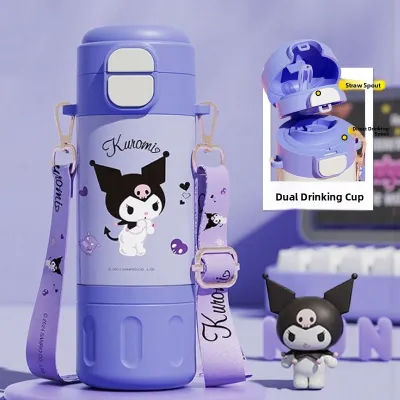
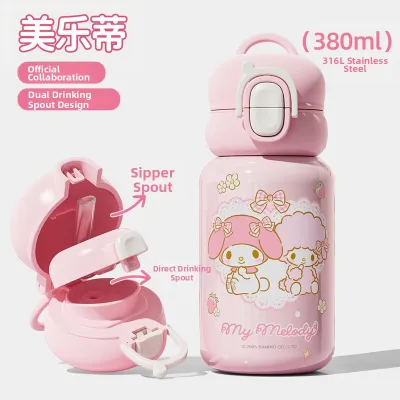
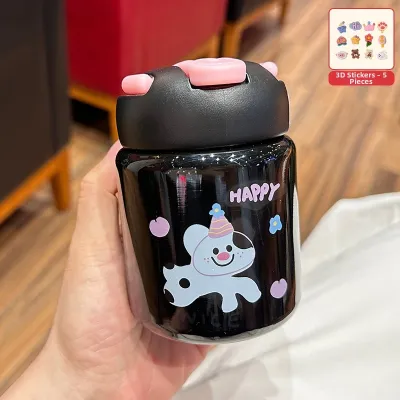
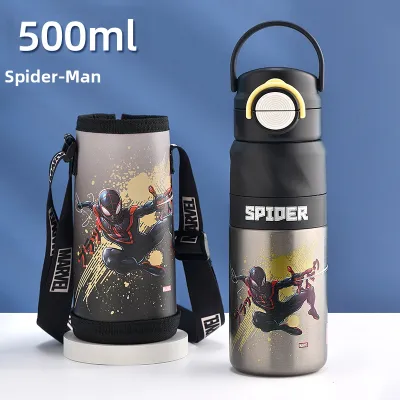
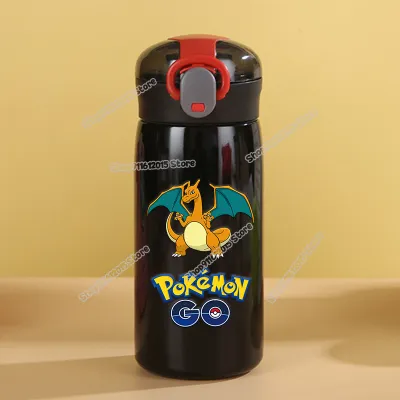
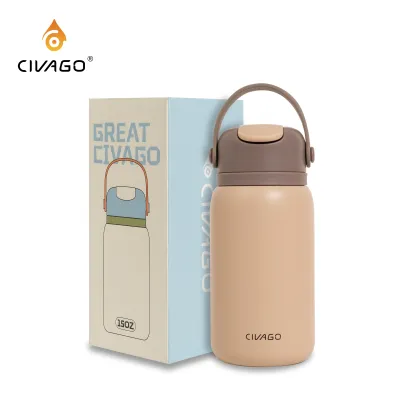
Prices are valid at publication and may change. Please refer to the product page for the latest price.
The straw mechanism itself plays a crucial role in both spill prevention and oral development. Many toddler cups feature bite-valve straws, which require the child to pinch the silicone with their teeth or lips to open the flow of liquid. While these are highly effective at preventing leaks on your living room rug, some pediatric speech therapists suggest that open-flow straws are better for long-term oral motor development because they encourage a more natural swallowing motion. Consider starting with a gentle bite-valve to minimize messes during the initial transition, then moving to a free-flowing straw as your toddler’s coordination improves.
Capacity and proportions must be carefully balanced to ensure the cup remains functional for a small child. It is tempting to buy a large bottle to minimize the number of times you have to refill it throughout the day. However, a full 16-ounce stainless steel tumbler is far too heavy for a one-year-old to lift and tilt safely. A capacity of 8 to 10 ounces (approximately 240 to 300 milliliters) strikes the ideal balance, providing enough hydration for a trip to the park or a car ride without weighing down your diaper bag or straining your toddler’s wrists.
Building Your Shortlist: What to Filter on E-Commerce Platforms
When searching for the right tumbler on e-commerce platforms, double-wall vacuum insulation should be at the top of your filter list. This technology works by creating a vacuum seal between two layers of stainless steel, preventing heat transfer from the outside environment. In warm tropical climates, this keeps cold water refreshing and prevents milk from spoiling rapidly during outdoor play. Verify that the product description explicitly states “double-wall vacuum insulated” rather than just “double-wall,” as the latter without a vacuum provides very little thermal protection.

Before finalizing your purchase on any online marketplace, look closely at the replacement parts ecosystem. Silicone straws, valves, and gaskets are prone to wear, tear, and accidental loss during washing. A high-quality tumbler becomes useless if you cannot easily buy replacement straws or lid seals. Prioritize brands that sell dedicated replacement packs, ensuring you can extend the lifespan of the cup without having to buy an entirely new unit when a single part wears out.
When browsing online reviews, filter out the generic five-star ratings and focus on specific feedback regarding real-world durability. Search user reviews for terms like “leak,” “drop,” and “mold.” Look for photos uploaded by parents showing how the cup holds up after being dropped on concrete or tile floors. Pay close attention to comments about how difficult it is to clean the lid assembly; if multiple reviews complain about hidden crevices that trap black mold, it is best to keep looking.
Safety, Materials, and Choking Hazard Checks
Safety is paramount when selecting items for food and drink contact. Ensure the tumbler body is made from food-grade 18/8 (304) stainless steel, which is highly resistant to rust and does not leach chemicals or metallic tastes into drinks. All plastic and silicone components—including the lid, straw, and valves—must be certified BPA-free, BPS-free, and phthalate-free. Check the product packaging or official manufacturer specifications to verify these material standards.
Toddlers love to chew, and their sharp new teeth can easily damage soft silicone straws. Inspect the straw design to ensure it is robust and cannot be easily bitten off in small pieces. Avoid cups with tiny, detachable valves or decorative accessories that could pose a choking hazard if they come loose. The straw should have a built-in stopper or flange on the underside of the lid to prevent the toddler from pulling the entire straw out from the top.
Always cross-reference the manufacturer’s age recommendations with your child’s current developmental stage. Many insulated straw tumblers are rated for children aged 12 months and older, while some complex bite-valve designs are intended for ages 18 months or 2 years. Never ignore these guidelines, as they are based on both physical capabilities and safety testing standards.
Making the Switch: Practical Transition and Cleaning Tips
Introducing a new cup can sometimes trigger resistance, especially if your toddler is deeply attached to their bottle. To make the transition smoother, introduce the insulated tumbler during low-stress, supervised playtimes rather than during high-stakes meal times when they are already hungry and impatient. Fill the cup with a small amount of water and let them explore it as a toy first. Show them how you drink from a straw to encourage imitation.
While insulated tumblers are excellent at maintaining temperatures, they should never be used for hot liquids when given to toddlers. Vacuum insulation is highly efficient, meaning a warm drink can remain scalding hot for hours. Because drinking through a straw bypasses the lips’ natural temperature-sensing ability, a toddler drawing hot liquid directly to the back of their throat faces a severe burn risk. Stick to cool or room-temperature beverages.
The humid climate of the Philippines creates the perfect breeding ground for bacteria and mold, making a strict cleaning routine essential. Disassemble every single part of the tumbler—including the straw, valve, and silicone gaskets—after every use. Use a dedicated straw brush to scrub the inside of the straw with warm, soapy water. Allow all components to air-dry completely in a well-ventilated area before reassembling them, as trapping moisture inside the lid will quickly lead to mold growth.
Frequently Asked Questions (FAQ)
Can insulated tumblers keep liquids warm for toddlers?
Vacuum insulation is highly efficient at retaining heat, which means warm liquids can stay hot for a very long time inside these cups. Because toddlers cannot gauge the temperature of a drink before sucking it through a straw, there is a high risk of accidental burns. It is safest to only use insulated straw tumblers for cold or room-temperature beverages. If you must serve a warm drink, ensure it is only lukewarm and test the temperature yourself before handing the cup to your child.
How often should the straw and valve be replaced?
You should inspect the silicone straw and valve weekly for signs of wear, such as bite marks, tears, discoloration, or stiffness. If you notice any damage, replace the parts immediately to prevent choking hazards or bacterial buildup. Even without visible damage, most manufacturers recommend replacing silicone straws and valves every two to three months for hygiene reasons, especially if the cup is used daily for milk or juices.

Community discussion
Share your experience or ask a question. Comments are reviewed before publication.