
Choosing the right XXL diaper pants for your growing toddler involves balancing fit, absorbency, and cost. In the Philippines, where high humidity and active playtimes demand reliable leak protection, parents frequently compare major options like Pampers, Equator, and Huggies. Finding the ideal match depends on your toddler’s specific body shape, daily activity level, and how well a brand’s physical features align with your budget. Parents looking for reliable, happy diaper pants xxl sizes need to look beyond marketing claims and focus on observable design elements.
As toddlers transition into larger sizes, their movements become more vigorous, making the structural design of diaper pants incredibly important. A diaper that fits perfectly during a nap might sag or gap when your child is running, climbing, or playing. By understanding what to look for on the packaging and how to physically evaluate each diaper, you can make an informed decision that keeps your toddler comfortable and dry throughout the day and night.
What to Look for in XXL Diaper Pants: Fit, Absorbency, and Comfort
When evaluating XXL diaper pants, the first structural element to inspect is the waistband elasticity. A high-quality waistband should offer a full 360-degree stretch that expands easily to accommodate a toddler’s round belly after meals, yet retracts gently to prevent the diaper from slipping down. Look for waistbands with soft, fabric-like textures and multiple rows of fine elastic threads, which distribute pressure more evenly than thick, stiff bands.
Products mentioned in this guide
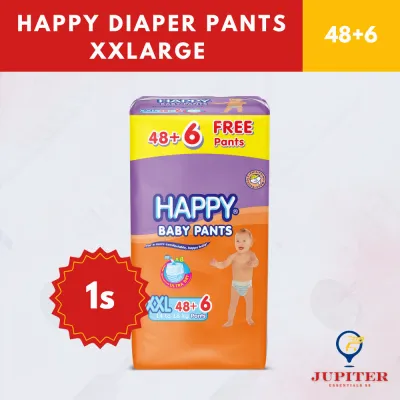
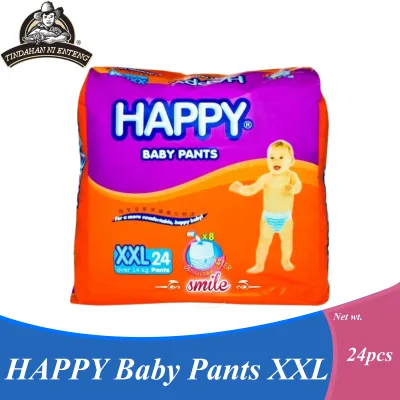
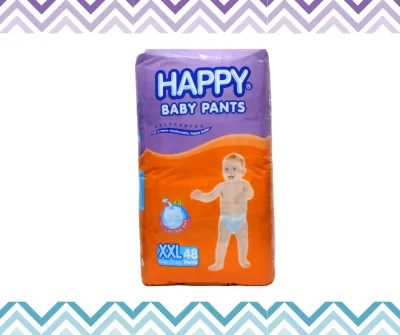
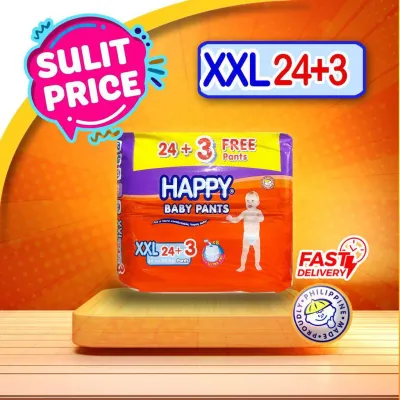
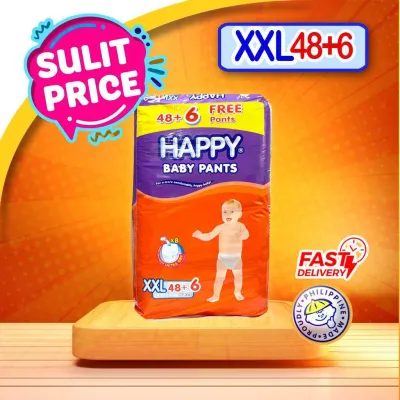
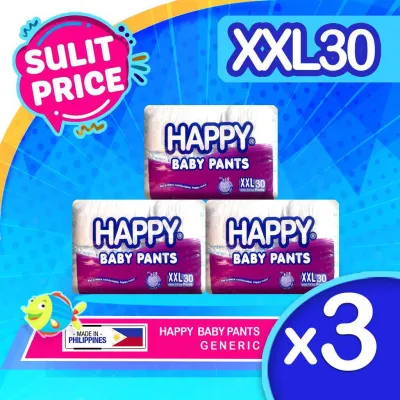
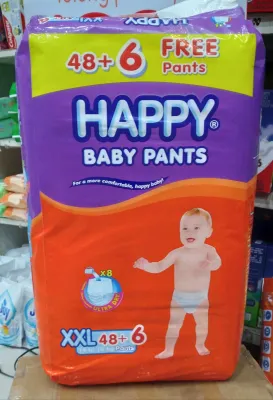
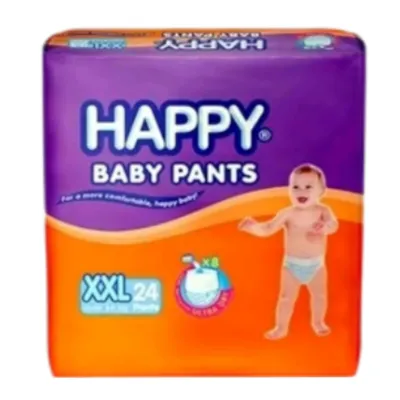
Prices are valid at publication and may change. Please refer to the product page for the latest price.
Leg cuff barriers are another critical defense mechanism against leaks, especially for active toddlers. These cuffs should feature a double-layered design with an inner hydrophobic barrier that stands upright against the skin and an outer ruffle that lies flat against the thigh. When inspecting a diaper, gently pull the leg cuffs to ensure they have sufficient elasticity to seal gaps without leaving deep, red indentations in your child’s delicate skin creases.
The physical thickness of the absorbent core also warrants close inspection. While older diaper designs relied on thick fluff pulp to absorb moisture, modern diaper pants often utilize thin, highly concentrated superabsorbent polymer layers. These advanced cores are frequently divided into channels that distribute liquid evenly across the front and back, preventing the diaper from clumping or sagging heavily between the legs when wet.
In tropical climates like the Philippines, breathability is essential for maintaining skin health. Parents should look for packaging claims that specify micro-porous outer covers or vapor-permeable materials, which allow heat and moisture to escape while keeping liquid locked inside. Additionally, wetness indicators—typically yellow lines that turn blue or green when exposed to moisture—are highly convenient features that help caregivers identify exactly when a change is needed without opening the diaper.
Finally, always check the manufacturer’s specific weight and size charts printed on the packaging. XXL is not a universal standard; one brand’s XXL might be designed for children weighing 15 to 25 kilograms, while another brand might specify a range of 18 to 30 kilograms. Ensuring your toddler’s current weight falls comfortably within the manufacturer’s recommended baseline is the first step toward achieving a leak-free fit.
Comparing Pampers, Equator, and Huggies: Label Specs and Observable Features
To systematically compare Pampers, Equator, and Huggies XXL diaper pants, start by verifying the stated weight ranges and sizing dimensions on their respective packaging. Because each brand utilizes a unique cutting pattern, the physical dimensions of the diapers can vary even if they target the same weight category. Laying the unused diapers flat next to each other allows you to observe differences in overall length, waistband width, and the depth of the leg openings.

Calculating the price per piece is the most accurate way to compare the financial impact of each brand on your monthly household budget. To do this, divide the total retail price (₱) of the pack by the exact number of diaper pants contained inside. Because pack sizes vary widely between standard packs, mega packs, and online bulk boxes, comparing the price per piece (₱) ensures you are making an objective financial comparison based on current local store or online marketplace pricing.
Before committing to a bulk purchase, obtain a small trial pack of each brand to conduct a physical assessment. Hold a single diaper from each brand up to a bright light source to observe the distribution of the absorbent core. You can easily see whether the core extends fully to the back and front waistbands or if it is concentrated primarily in the center, which can affect how well the diaper performs during naps versus upright play.
Next, physically test the stretch and texture of the materials. Run your fingers along the inner lining that directly touches your toddler’s skin to evaluate its softness and check for any rough seams or stiff edges. Stretch the waistband to its maximum limit to feel the resistance; a band that requires too much force to stretch may feel constricting to a toddler, while one that stretches too easily might not support the weight of a wet diaper.
Lastly, carefully read the ingredient list and safety certifications printed on the packaging. Look for indications of hypoallergenic materials, fragrance-free formulations, or dermatological testing, which are particularly important if your toddler has sensitive skin. Keep in mind that these certifications are dynamic, so verifying the labels on the specific packs available in your local stores is always recommended.
Decision Guide: Which Brand Matches Your Toddler's Daily Routine?
Selecting the right diaper brand is highly conditional and depends heavily on your toddler’s unique body shape, daily activity level, and your family’s budget. If your toddler has a slender build with a round belly and requires a highly flexible, body-hugging fit, Pampers XXL diaper pants may align best with their physical proportions. The brand’s specific cut and highly elastic waistband are designed to move smoothly with the child, reducing the likelihood of gaps during active play.
If managing daily household expenses is your primary goal, Equator XXL diaper pants offer a practical solution. This brand is often chosen by parents who prioritize a lower price per piece (₱) for frequent daytime changes, where the diaper is replaced every few hours regardless of whether it has reached its maximum capacity. Equator provides standard absorbency that meets daily routine needs without the premium price tag of highly advertised brands.
For toddlers who are exceptionally active, constantly climbing, running, and twisting, Huggies XXL diaper pants may provide the specific waistband and leg cuff fit required to prevent shifting. The structural design of Huggies often features reinforced elastic zones and secure leg barriers that remain firmly in place during vigorous physical movement, making it a strong candidate for daytime adventures and outdoor play.
Regardless of which brand seems most promising on paper, starting with a trial period using a small pack is highly recommended. This allows you to observe how the diaper performs under real-world conditions, including during long car rides, active play sessions, and overnight sleep. A trial pack minimizes financial waste if a particular brand’s cut does not align with your toddler’s shape.
As a vital safety precaution, always monitor your toddler’s skin closely during any brand transition. If your child develops persistent red marks that do not fade within a few minutes of removing the diaper, or if they experience recurring diaper rash or frequent leaks, discontinue use of that specific brand. In such cases, adjust the sizing or consult a pediatrician or qualified healthcare professional to address potential skin sensitivities or fit issues.
Frequently Asked Questions (FAQ)
How do I know if the XXL size is too small or too big for my toddler?
You can identify sizing issues by observing how the diaper sits on your toddler’s body and checking for physical indicators. A diaper that is too small will leave deep, persistent red marks around the thighs or waist, and you may notice frequent leaks from the back or sides because the absorbent core cannot contain the volume of liquid. Conversely, a diaper that is too big will sag heavily even when empty, show visible gaps around the leg cuffs, and fail to contain leaks because the elastic does not seal properly against the skin. Always cross-reference your toddler’s current weight with the manufacturer’s weight guidelines printed on the XXL package to ensure a proper baseline fit.
Can I mix different diaper brands for daytime and nighttime use?
Yes, mixing different diaper brands is a highly effective strategy that many parents use to balance performance and budget. You can use a more cost-effective brand with a lower price per piece (₱) for frequent daytime changes when your toddler is awake and active, and switch to a brand with higher-capacity overnight absorbency claims for bedtime. When selecting a diaper for nighttime use, carefully check the packaging for specific overnight protection claims and wetness indicators. Always monitor your toddler’s skin closely for any signs of redness or sensitivity when introducing a new brand or material into their daily routine.

Community discussion
Share your experience or ask a question. Comments are reviewed before publication.