
Preparing homemade baby food is a wonderful way to ensure your little one receives fresh, nutrient-rich meals tailored to their developmental needs. However, in a tropical climate like the Philippines, where high humidity and warm ambient temperatures can accelerate food spoilage, choosing the right food container for baby food is just as important as the ingredients you select. The ideal storage solution must protect delicate purees from external contaminants, preserve nutritional value during freezing, and withstand repeated heating and cleaning cycles.
Navigating the vast array of storage options can feel overwhelming for busy parents. From glass jars and silicone trays to lightweight plastic pots, each material offers distinct advantages and trade-offs depending on your daily routine. By focusing on food-grade safety certifications, airtight sealing mechanisms, and portion-appropriate designs, you can establish a safe, efficient meal-prep system that minimizes waste and keeps your baby’s food fresh.
Essential Features to Look for in Baby Food Containers
When selecting containers for your baby’s meals, safety and functionality must always come first. The primary defense against chemical leaching is verifying the material composition of the container. Parents should look for clear labels indicating that the product is food-grade and free from harmful chemicals like Bisphenol A (BPA), phthalates, and lead. In many markets, certifications from recognized regulatory bodies, such as the US Food and Drug Administration (FDA) or European LFGB standards for silicone, serve as reliable indicators of material safety.
Products mentioned in this guide
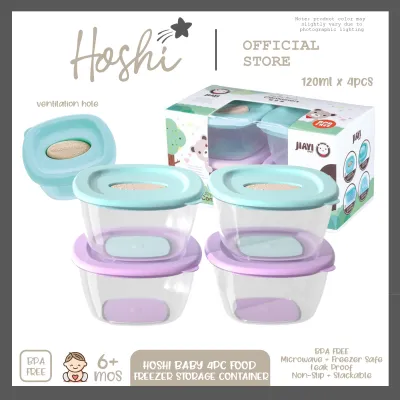
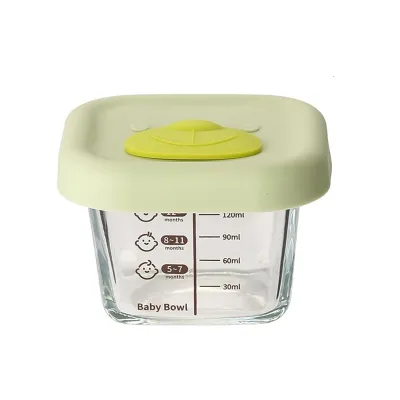
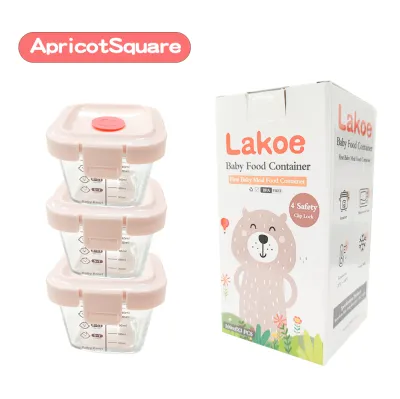
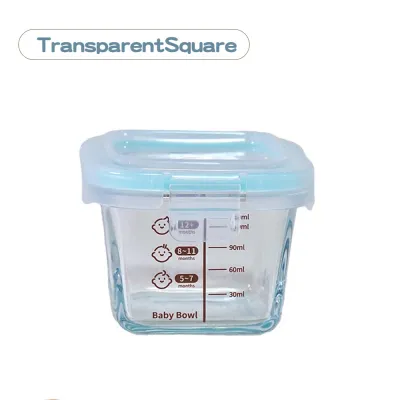
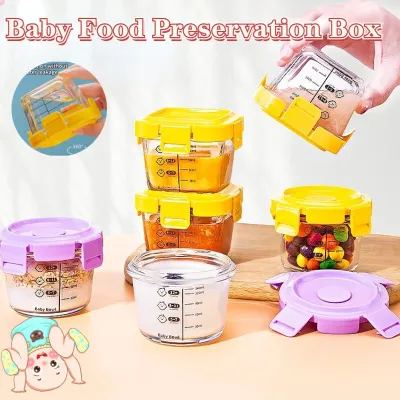
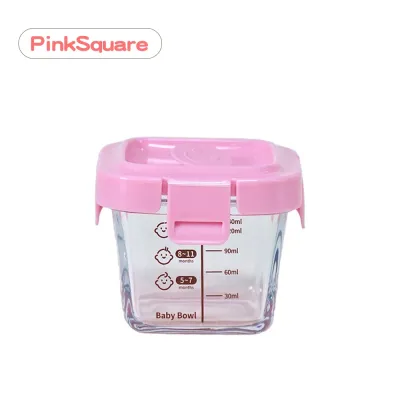
Prices are valid at publication and may change. Please refer to the product page for the latest price.
Airtight sealing is another critical feature, particularly in warm and humid environments. A weak seal allows moisture and air to enter the container, which can lead to rapid bacterial growth in the refrigerator or severe freezer burn in the freezer. Look for lids equipped with robust locking clips or high-quality silicone gaskets that create a hermetic seal. This not only preserves the flavor and texture of the purees but also prevents accidental spills when you pack meals in a diaper bag for outings.
Temperature resilience is essential for containers that transition from the freezer to the heating source. Parents must verify the manufacturer’s specified temperature limits to ensure the container can safely withstand rapid thermal changes. Some materials are designed to go directly from a cold freezer into a warm water bath or microwave, while others require gradual thawing to prevent cracking or warping. Always check the packaging symbols to confirm compatibility with microwave heating, steam sterilization, and dishwasher cycles.
Hygiene and ease of cleaning are often overlooked but are vital for preventing bacterial buildup. Containers with complex shapes, deep crevices, or non-removable seals can trap food particles and moisture, creating a breeding ground for mold and bacteria. Opt for designs with smooth interior walls and fully removable silicone gaskets that can be easily taken apart and scrubbed. If you plan to use a dishwasher, ensure the components are rated for the top rack where the heat is less intense.
Material Comparison: Glass, Silicone, and Plastic
Choosing the right material involves balancing durability, convenience, and safety across different usage scenarios. Glass is highly favored by many parents due to its non-porous nature, which means it does not absorb food odors, retain stubborn stains, or leach chemicals over time. High-quality borosilicate glass is particularly durable and capable of resisting extreme temperature fluctuations, making it excellent for freezing and direct reheating. However, glass containers are significantly heavier than other options, making them less practical for travel, and they carry the inherent risk of breaking if dropped on hard kitchen tiles.

Silicone has emerged as an incredibly popular alternative, especially for freezing individual portions of purees. Food-grade silicone is highly flexible, allowing parents to easily pop out frozen food cubes with a simple press of the finger. It is also lightweight, virtually unbreakable, and generally safe for use in the freezer, microwave, and dishwasher. On the downside, silicone can sometimes retain soapy odors or food stains from vibrant ingredients like carrots, squash, or sweet potatoes. Additionally, flexible silicone trays require a sturdy baking sheet or flat surface underneath them when being transferred to the freezer to prevent spills.
BPA-free plastic remains a staple for on-the-go feeding due to its lightweight and shatterproof properties. These containers are highly portable, making them ideal for family trips, daycare drop-offs, or quick visits to the mall. However, plastic is more prone to scratching over time from spoons or abrasive cleaning sponges, and these tiny scratches can harbor bacteria. Plastic also has strict heating limitations; even BPA-free plastics can degrade or release compounds when subjected to high temperatures, so it is often recommended to use them primarily for cold storage or to transfer the food to a glass bowl before reheating.
Sizing and Portion Control for Different Feeding Stages
As your baby grows, their nutritional needs and appetite will change rapidly, making portion control a key factor in minimizing food waste. During the initial stages of weaning, which typically begin around six months, infants consume very small amounts of food—often just one to two tablespoons per feeding. For this stage, small silicone freezer trays with individual compartments of 30 to 60 milliliters (approximately 1 to 2 ounces) are highly efficient, allowing you to defrost only what your baby will eat in a single sitting.
As your baby transitions to older infancy, their appetite will expand, requiring larger portions and more varied textures. Containers with capacities of 120 to 240 milliliters (approximately 4 to 8 ounces) become necessary to accommodate chunky purees, mashed vegetables, and small finger foods. Having a modular storage system that includes a mix of small trays and larger individual pots allows you to scale your meal prep seamlessly alongside your baby’s developmental milestones.
Stackable and space-saving designs are incredibly beneficial for maintaining an organized kitchen. In many households, freezer space is at a premium, so choosing containers that nest neatly inside one another when empty, or stack securely when filled, is highly practical. Multi-compartment containers are also useful for older babies, as they allow you to store a main dish and a side snack, such as a fruit puree and soft-cooked grains, in a single compact unit without the foods mixing together.
Safe Storage, Freezing, and Reheating Practices
Maintaining food safety requires strict adherence to proper handling techniques from the moment the food is cooked to the moment it is served. After preparing a fresh batch of baby food, it is crucial to let it cool down slightly before sealing it in a container. Placing piping-hot food directly into a sealed container creates condensation on the lid, which drips back onto the food and creates a moist environment where bacteria can thrive. However, do not leave the food sitting out at room temperature for more than two hours, as warm tropical climates can rapidly accelerate bacterial multiplication.
An organized labeling system is indispensable for tracking the freshness of your homemade meals. Because many purees look identical once frozen, it is easy to lose track of what is inside each container and when it was prepared. Use water-resistant labels, masking tape, or erasable markers to clearly write the date of preparation and the specific ingredients on each lid. This practice ensures you follow the “first in, first out” rule, using older portions before they lose their nutritional quality or flavor.
Thawing and reheating must be done with care to preserve nutrients and prevent hot spots that could burn your baby’s mouth. The safest way to thaw frozen baby food is to place the container in the refrigerator overnight. If you need to warm the food quickly, you can place the sealed container in a bowl of warm water or use a dedicated bottle and baby food warmer. If using a microwave, always transfer the food to a microwave-safe glass dish, stir the food thoroughly halfway through the heating cycle to distribute the heat evenly, and let it stand for a couple of minutes before testing the temperature on the inside of your wrist.
Once a feeding session has begun, any food left over in the serving bowl must be discarded. When your baby’s spoon travels from their mouth back into the food container, it introduces saliva, which contains enzymes and bacteria that immediately begin breaking down the food. Storing these half-eaten leftovers in the refrigerator for a later feeding poses a significant risk of contamination and foodborne illness. To avoid wasting precious homemade food, always spoon a small portion into a separate serving bowl and keep the remainder sealed in the refrigerator.
Building Your Shortlist: What to Verify Before Buying
Before finalizing your purchase on any online marketplace or at a local baby boutique, it is important to perform a thorough quality check. Start by verifying the manufacturer’s safety claims directly on the product packaging or the official brand website. Look for explicit mentions of food-grade materials, such as high-borosilicate glass, platinum-cured silicone, or polypropylene (PP) plastic, and ensure they carry the necessary safety certifications relevant to your region. While budget-friendly options are widely available, investing a portion of your baby-care budget (typically ranging from ₱300 to ₱1,500 for quality sets) in certified, durable containers ensures long-term safety and peace of mind.
User reviews can provide invaluable insights into how a container performs in real-world conditions over several months of use. Pay close attention to feedback regarding the durability of the lid clips, as some plastic latches can become brittle and snap after repeated freezing and washing. Look for comments about whether the silicone seals actually remain airtight or if they tend to slip out of place, leak, or retain strong food odors even after thorough sterilization.
Another practical consideration is the availability of replacement parts. Over time, small silicone gaskets can get lost down the kitchen sink, or lids can accidentally melt if they come into contact with a heating element in the dishwasher. Choosing a brand that sells individual replacement lids or seals can save you from having to purchase an entirely new set of containers. Additionally, check the seller’s return policies and warranty terms on your chosen e-commerce platform to ensure you are protected in case the items arrive damaged or defective.
Frequently Asked Questions (FAQ)
Can I reuse commercial baby food jars for homemade purees?
While it may be tempting to wash and reuse glass jars from store-bought baby food, manufacturers generally advise against it for long-term storage or reheating. Commercial jars are often made from thinner glass that is designed for single-use packaging and may not withstand the thermal shock of rapid freezing and microwave heating, leading to micro-cracks or shattering. Furthermore, the metal lids on these jars typically have a single-use plastisol seal that degrades after the initial opening, meaning they will no longer provide an airtight barrier to protect your homemade food from bacteria or freezer burn. Instead of storing food, these cleaned jars can be safely repurposed for organizing small household items like paperclips, buttons, or craft supplies.
How long can homemade baby food stay in the fridge or freezer?
As a general rule, freshly prepared vegetable and fruit purees can be safely stored in the refrigerator for up to 48 hours. If the puree contains meat, poultry, fish, or eggs, it should be consumed within 24 hours to minimize the risk of bacterial growth. For longer storage, freezing is highly effective; most homemade baby foods will maintain optimal quality and nutritional value in the freezer for up to three months. When retrieving food from storage, always inspect it closely and discard any portions that exhibit unusual separation, a sour odor, or signs of freezer burn, as these are clear indicators that the food’s quality has been compromised.

Community discussion
Share your experience or ask a question. Comments are reviewed before publication.