
Transitioning your child from a baby bottle to a regular drinking glass is a major developmental milestone. In the Philippines, parents face unique environmental factors when choosing the right cup. The tropical heat means hydration is a constant priority, while high humidity levels require cups that are exceptionally easy to clean to prevent mold. Additionally, many local homes feature hard tile or polished concrete floors, making durability and shatter resistance top priorities for any toddler tableware.
Finding the right balance between safety, ease of use, and durability can feel overwhelming with so many options available on local e-commerce platforms. While marketing labels often promise leak-proof designs and absolute safety, parents must know how to evaluate these claims independently. The ideal toddler drinking glass should support your child’s natural oral motor development while fitting seamlessly into your daily household routine.
This guide provides a practical, evidence-based framework to help you navigate the selection process. By understanding the strengths and limitations of different materials, recognizing your child’s developmental readiness, and establishing a strict cleaning routine, you can confidently choose a cup that keeps your toddler hydrated and safe. Let’s explore the essential features, material comparisons, and transition strategies to help you build the perfect shortlist for your little one.
Products mentioned in this guide
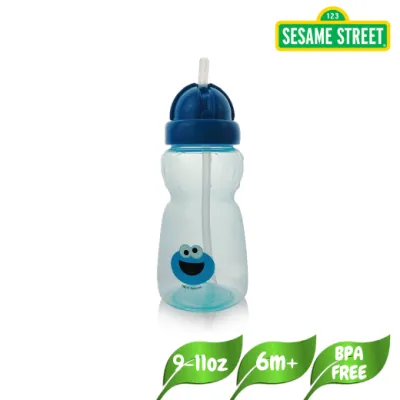
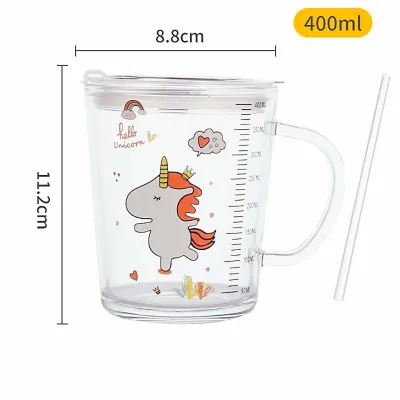
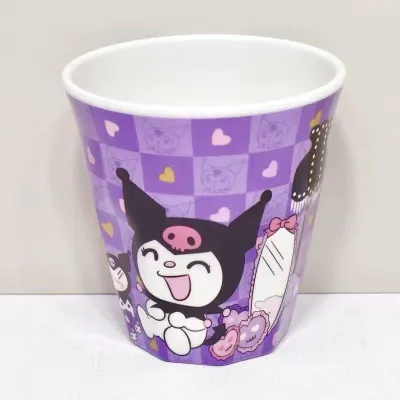
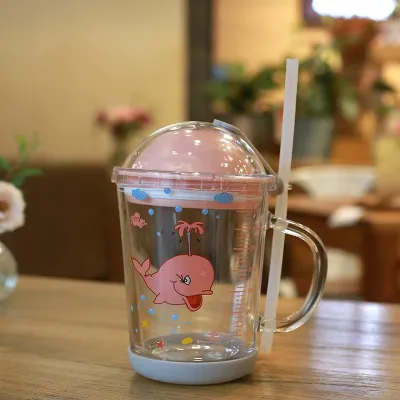
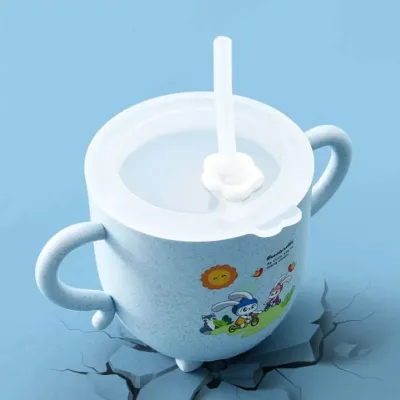
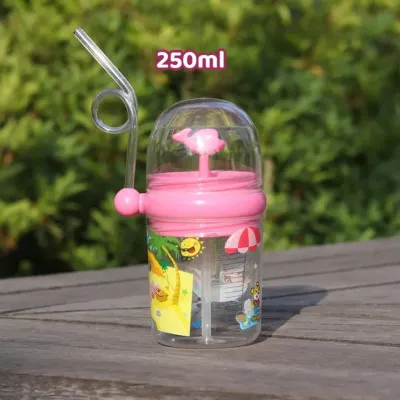
Prices are valid at publication and may change. Please refer to the product page for the latest price.
Key Features to Look for in a Toddler Drinking Glass
When evaluating any toddler drinking glass, material safety is the non-negotiable starting point. Parents should look for clear labels indicating that the product is food-grade, BPA-free, and phthalate-free. In the Philippines, where imported and unbranded baby products are widely available online, it is crucial to verify these claims. Check if the manufacturer complies with international safety standards, such as those set by the US Food and Drug Administration (FDA) or European Union (EU) regulations. Avoid products that lack clear manufacturing details or safety certifications on their packaging.
Ergonomics play a vital role in how easily your toddler can transition to a cup. Small hands require a secure, comfortable grip to build confidence and coordination. Look for cups with contoured shapes that naturally fit a child’s grasp, or those featuring removable double handles that allow younger toddlers to use both hands. In our warm climate, cold drinks quickly produce condensation on the outside of the cup. To prevent the glass from slipping out of wet hands, opt for designs with textured surfaces or non-slip silicone sleeves that provide extra traction.
Durability is another critical factor, especially during the inevitable throwing phase of toddlerhood. A dropped cup should not result in dangerous shards or cracked plastic that can cut tiny fingers. Look for shatterproof construction and reinforced, drop-resistant bases that can withstand repeated impacts on hard kitchen tiles. If you are considering plastic options, ensure they are made from high-quality, impact-resistant polymers that will not crack or splinter when dropped from highchair height.
Comparing Common Materials for Toddler Cups
Silicone has become a highly popular material for weaning essentials due to its soft, flexible texture. It is incredibly gentle on developing teeth and tender, teething gums, making it an excellent choice for younger toddlers who are still learning to control their bite. Silicone cups are virtually indestructible, easily surviving drops from any height without cracking or denting. However, silicone is a porous material, meaning it can sometimes retain soapy odors or food smells if washed with heavily scented dishwashing liquids. In the humid Philippine climate, silicone also requires thorough air-drying in a well-ventilated area to prevent the buildup of surface moisture and mold.

Stainless steel is an outstanding option for parents prioritizing durability and temperature control. It is highly effective at keeping water or milk cool during hot tropical afternoons, which can encourage toddlers to drink more fluids. Stainless steel is also incredibly hygienic, non-porous, and resistant to stains and odors. The primary trade-off is weight; stainless steel cups are noticeably heavier than plastic or silicone alternatives, which might make them more challenging for younger or smaller toddlers to lift and tilt. Additionally, while they will not shatter, repeated drops on hard floors can cause dents or damage the outer paint or powder coating.
Tritan and other advanced co-polyester plastics offer a lightweight, crystal-clear alternative that mimics the look of real glass without the safety risks. These materials are highly shatterproof, scratch-resistant, and do not retain odors as easily as standard plastics. They allow parents to easily monitor how much liquid their child has consumed during a meal. However, even advanced plastics require regular inspection. Over time, frequent sterilization, exposure to high heat, or abrasive scrubbing can cause the material to become cloudy or develop micro-scratches, which can harbor bacteria and compromise the cup’s hygiene.
Transitioning from Sippy Cups to Open or Straw Glasses
Transitioning away from traditional hard-spout sippy cups is highly recommended by pediatricians and speech therapists to support healthy oral motor development. Hard spouts encourage a prolonged infant-like sucking reflex, which can potentially affect jaw alignment and speech patterns. Parents can look for readiness signs around the age of 12 months, such as the ability to sit upright without support, showing curiosity when adults drink from open glasses, and the hand-eye coordination required to bring objects accurately to their mouth.
When starting the transition, choosing the right style of cup depends on the setting and your child’s current skills. Weighted straw cups are highly practical for active toddlers and on-the-go use. The weighted ball at the end of the straw ensures the straw remains submerged in liquid, allowing the child to drink from almost any angle, even when tilted. For supervised mealtimes at home, small open rim glasses are ideal. Practicing with an open cup teaches toddlers how to control their lip placement, tongue position, and the rate of liquid flow, which are essential skills for mature swallowing.
Managing spills is a natural and necessary part of the learning curve. Instead of trying to avoid spills entirely, parents can create a low-stress environment that allows toddlers to practice safely. Start by offering very small amounts of water—just a tablespoon or two at a time—so that any accidental spills are easy to wipe up. You can also introduce open cup practice during bath time, where spills do not matter at all, or use a highchair with a deep, lipped tray to contain the mess. Keeping a positive, patient attitude helps your child build confidence without feeling discouraged by mistakes.
Building Your Toddler Cup Shortlist
When building your shortlist of toddler cups from local retailers or online marketplaces, start by cross-referencing the manufacturer’s age and weight recommendations with your child’s developmental stage. A cup designed for a two-year-old may have a flow rate that is too fast for a one-year-old, leading to choking or frustration. Conversely, a cup designed for younger infants might have handles that are too small or restrictive for an older toddler who wants to hold the cup like an adult.
Carefully verify the manufacturer’s care and sterilization instructions to ensure they align with your household routine. In many Philippine homes, steam sterilizers, UV sterilizers, or boiling water are standard methods for sanitizing baby gear. However, not all materials can withstand these high-temperature or UV-exposure environments. Check the product labels to confirm if the cup is dishwasher-safe, microwave-safe, or if it requires gentle hand-washing with specific bottle cleansers to prevent warping or chemical degradation.
Take advantage of verified buyer reviews on local e-commerce platforms to gain real-world insights into the cup’s performance. Look specifically for feedback regarding how leak-proof the valves actually are during daily use, how easily the parts can be disassembled for cleaning, and how well the cup holds up after being dropped repeatedly on hard floors. Pay close attention to reviews from parents living in similar tropical environments, as they often highlight practical issues like mold susceptibility or how well the cup performs during outdoor trips.
Care, Cleaning, and Maintenance Tips
Proper hygiene is critical to protecting your toddler’s health, and this begins with thorough daily cleaning. Always completely disassemble all removable parts of the cup, including silicone valves, straws, weighted balls, and rubber seals, before washing. The warm, humid climate in the Philippines creates an ideal environment for black mold and bacteria to multiply rapidly in hidden, damp crevices. Skipping disassembly during washing almost guarantees that moisture and organic residue will become trapped, leading to mold growth that can be difficult to eradicate.
Establish a routine of regularly inspecting every part of the cup for signs of wear and tear. Check silicone straws and bite valves for micro-tears or thinning caused by teething toddlers chewing on them. These damaged parts can easily tear off completely, presenting a serious choking hazard. For plastic and Tritan cups, look for deep scratches, cracks, or persistent cloudiness that does not disappear after washing. For stainless steel cups, ensure the outer coating is not peeling and that the inner lining remains free of rust or deep dents.
Knowing when to replace a toddler cup or its components is essential for maintaining safety and hygiene. If you notice persistent mold that cannot be removed with thorough scrubbing and sterilization, the affected part should be discarded immediately. Silicone valves and straws generally need to be replaced every two to three months, or sooner if they show visible bite marks or tears. If a plastic cup becomes heavily scratched or cloudy, or if a stainless steel cup develops structural damage, it is time to replace the entire cup to ensure your child’s drinking water remains clean and safe.
Frequently Asked Questions (FAQ)
At what age should a toddler stop using a traditional sippy cup?
Most pediatricians and pediatric dentists recommend transitioning away from traditional hard-spout sippy cups by 12 to 18 months of age, with a complete transition to open cups or straw cups by 24 months. Prolonged use of hard-spout cups can interfere with the natural development of oral muscles, potentially leading to speech delays or dental alignment issues.
Signs that your toddler is ready to make the switch include the ability to hold a cup with both hands, showing interest in drinking from your glass, and successfully using a straw. Introducing straw cups and small open cups early in the weaning process helps build the necessary muscle coordination for mature swallowing patterns, making the eventual transition much smoother.
Are glass drinking glasses ever safe for toddlers?
Standard glass drinking glasses are generally not recommended for toddlers due to the high risk of shattering and causing serious injury. However, specialized tempered glass cups or those wrapped in thick, shock-absorbing silicone sleeves can be introduced to older toddlers under strict adult supervision. Tempered glass is significantly stronger than regular glass and is designed to resist breaking when dropped.
If you choose to introduce a silicone-sleeved glass cup, it should be reserved exclusively for supervised mealtimes at the dining table, rather than allowed for independent, on-the-go use. This practice helps older toddlers learn to handle fragile items with care while ensuring that an adult is always present to manage any accidental drops immediately. For daily, unsupervised hydration, safer materials like stainless steel, silicone, or Tritan remain the preferred choices.

Community discussion
Share your experience or ask a question. Comments are reviewed before publication.