
Designing a Functional Nursery in a Compact Space
The best Cocoob furniture configuration for a small nursery in the Philippines is one that prioritizes vertical storage and multi-functional convertible designs, such as a convertible crib with an integrated changing table or a mini crib paired with a tall, narrow wardrobe. Establishing a nurturing, safe, and organized space for your newborn is a deeply rewarding milestone, yet it often presents unique spatial challenges for families living in urban centers. With the rising popularity of modern high-rise condominiums and compact townhouses in bustling metropolitan areas like Metro Manila, Cebu, and Davao, parents must find creative ways to maximize limited square footage.
When floor space is at a premium, selecting a versatile cocoob nursery furniture configuration becomes a strategic exercise in balancing essential baby care functions with comfortable, safe room navigation. The ideal choice for a tight layout is not simply the smallest item available, but rather a system that prioritizes vertical storage, multi-functional designs, and adaptable structures. By focusing on smart, multi-purpose configurations, you can establish a highly functional and serene environment that supports your daily parenting routines without making the room feel cramped or cluttered.
In a compact home, every square meter must be utilized deliberately to prevent the nursery from becoming an overwhelming obstacle course of baby gear. A successful small-space layout ensures that essential tasks—such as sleeping, diaper changes, feeding, and clothing storage—are consolidated into dedicated zones. This zoning approach allows caregivers to move smoothly through the room during late-night feedings or urgent diaper changes, reducing the risk of accidental trips or bumps. Rather than purchasing bulky, single-purpose furniture items that quickly crowd the floor, parents should seek out furniture pieces that serve dual roles or stack storage vertically. This editorial guide explores how to evaluate, measure, and select the best configurations for your home, ensuring a harmonious balance between spatial efficiency and uncompromising child safety.
Products mentioned in this guide
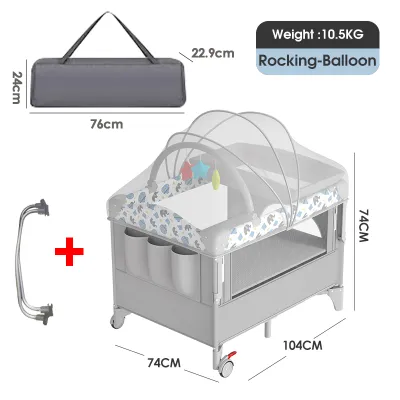
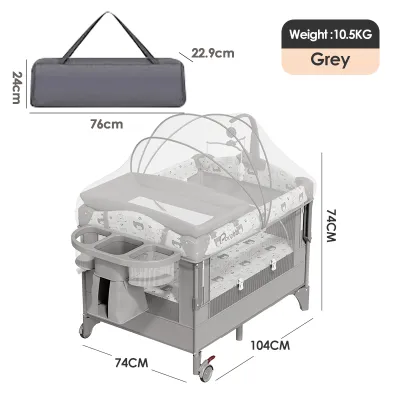
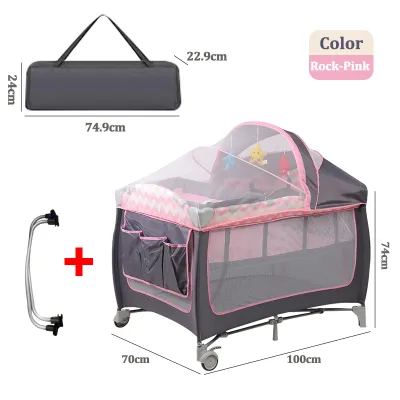
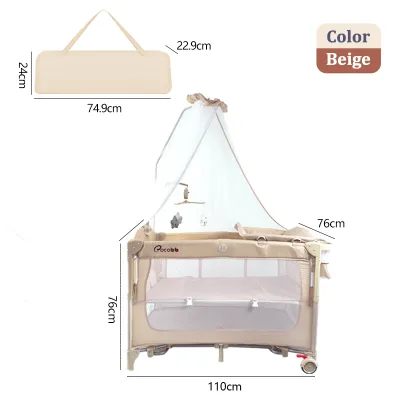
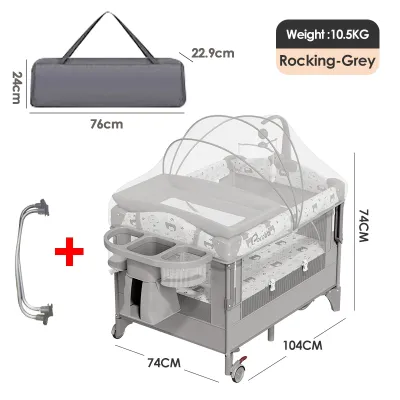
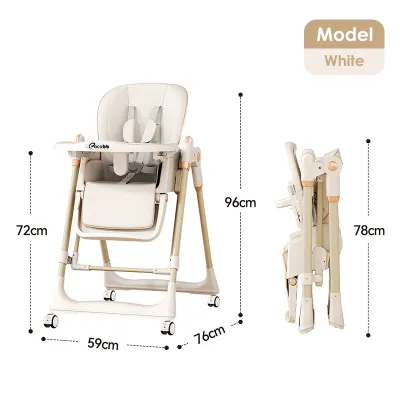
Prices are valid at publication and may change. Please refer to the product page for the latest price.
Essential Criteria for Choosing Small-Space Cocoob Nursery Furniture
Selecting furniture for a compact room requires a shift in perspective from traditional, expansive nursery setups to highly efficient, space-saving strategies. The primary objective is to minimize the physical footprint of each piece while maximizing its functional utility. Multi-functionality is the cornerstone of small-space design; look for convertible cribs that transition into toddler beds or daybeds, or units that integrate changing tables directly into the main frame. These integrated designs eliminate the need for separate pieces of furniture, saving valuable floor space and keeping your nursery essentials centralized. Additionally, look for items with built-in drawers or under-crib storage compartments, which utilize otherwise wasted space to keep extra bedding, swaddles, and diapers neatly tucked away.

Another critical factor is the relationship between a piece of furniture’s footprint and its vertical capacity. Standard chests of drawers and wide changing tables consume significant floor area while offering limited storage height. In contrast, vertical storage solutions—such as tall, narrow wardrobes or high chest drawers—draw the eye upward and make use of the room’s vertical volume. This approach leaves more open floor space for a nursing chair or a safe play area as your baby grows. When planning your layout, prioritize vertical height over horizontal width, ensuring that the furniture provides ample storage without extending too far into the room’s main walkways.
The tropical climate of the Philippines introduces unique environmental considerations that directly affect the longevity and safety of nursery furniture. High relative humidity and elevated temperatures can cause wood, medium-density fibreboard (MDF), and other engineered wood products to expand, contract, or warp if they are not properly sealed. When browsing furniture options, it is essential to check the manufacturer’s product documentation for moisture-resistant coatings and finishes. Furthermore, because babies are particularly sensitive to indoor air quality, always verify manufacturer labels for low formaldehyde emissions, looking for certifications such as E1 or E0 standards. Ensuring that the materials are both structurally resilient against humidity and chemically safe for indoor environments is a non-negotiable step for tropical nurseries.
Finally, precise dimension verification is crucial before making any purchasing decisions. It is a common mistake to rely solely on descriptive product names like “mini,” “compact,” or “space-saver” to judge whether an item will fit into your designated space. Product names are not standardized, and what one manufacturer considers compact might still be too large for a tight condo bedroom. Always locate the exact, manufacturer-specified dimensions—including width, depth, and height—in the official product manual or specification sheet. Measure your room multiple times and compare these figures against your physical space to ensure a perfect fit, keeping in mind that even a few centimeters of discrepancy can block a door or prevent a drawer from opening fully.
Best Cocoob Furniture Configurations for Tight Layouts
To help you navigate the process of setting up a compact nursery, we have analyzed three highly effective furniture configurations. These setups focus on maximizing utility and safety within a limited footprint, allowing you to choose the arrangement that best matches your specific room shape and daily caregiving needs.
Convertible Crib and Changing Table Combos
Ideal Use Case: This all-in-one configuration is highly suited for narrow bedrooms, single-wall layouts, or dedicated nursery nooks where you need to establish a centralized, highly efficient baby care station.
Benefits: By combining the sleeping area and the diaper-changing station into a single unified structure, this combo eliminates the need to purchase and place a separate changing table. Many of these models feature a changing surface attached to one end of the crib, complete with built-in drawers or shelves underneath. This design keeps diapers, wipes, ointments, and fresh onesies within arm’s reach during diaper changes, allowing you to maintain a safe, continuous hand on your baby without needing to step away to grab supplies.
Limitations: The primary trade-off of an integrated convertible unit is its overall weight and bulk. Because these pieces combine multiple functions into a single frame, they are significantly heavier and harder to relocate once fully assembled. If you plan to move houses in the near future, or if you enjoy frequently rearranging your furniture layout, this configuration may prove cumbersome to handle.
Pre-purchase Checklist: Before purchasing, carefully verify the combined outer width and depth on the official product label to ensure it will fit along your designated wall. Additionally, check the manufacturer’s specified maximum weight limit for the changing table section to ensure it can safely support your baby as they grow and become more active.
Compact Wardrobe and Drawer Sets
Ideal Use Case: This setup is perfect for maximizing vertical storage in rooms with high ceilings but very restricted floor areas, which is a common characteristic of modern urban apartments and condominiums.
Benefits: A tall, narrow wardrobe paired with a compact chest of drawers consolidates your baby’s entire wardrobe, extra linens, swaddles, and bulk diaper supplies into a singular, vertical footprint. This keeps the rest of the room free of clutter and leaves more open floor space for daily activities. Utilizing vertical shelving inside the wardrobe allows you to organize items by size and frequency of use, keeping everyday essentials easily accessible at waist height while storing seasonal or future-use items higher up.
Limitations: Because these storage units prioritize height over depth to maintain a small footprint, the individual drawers and shelves may have depth constraints. This can make it challenging to store bulkier items, such as large boxes of diapers, thick winter travel blankets, or oversized baby gear, requiring you to find alternative storage locations for these larger packages.
Mandatory Safety Check: Tall, narrow furniture pieces present a serious tip-over hazard, especially as babies grow into curious toddlers who may attempt to climb drawers or pull themselves up on the frame. You must verify that the furniture set includes a manufacturer-approved anti-tip wall anchoring kit. Ensure this kit is installed securely into your wall studs or concrete walls according to the manufacturer’s precise instructions to prevent dangerous accidents.
Mini Crib and Nursing Station Pairings
Ideal Use Case: This scaled-down configuration is the ultimate solution for shared master bedrooms, small alcoves, or studio apartments where a dedicated nursery room is not available.
Benefits: Mini cribs occupy a significantly smaller footprint than standard-sized cribs, making them incredibly easy to position alongside an adult bed or tuck into a quiet corner of a living space. Pairing a mini crib with a compact nursing chair creates a cozy, dedicated sleep and feed zone that does not disrupt the flow of the rest of the room. This setup allows you to keep your baby close for nighttime feedings while maintaining a safe, independent sleeping environment.
Limitations: The main limitation of a mini crib is its shorter usable lifespan. Because the sleeping surface is shorter and narrower than a standard crib, your baby will outgrow the space much faster. You will need to plan for a quicker transition to a toddler bed or a standard-sized bed compared to parents who invest in a full-sized convertible crib.
Pre-purchase Checklist: Always check the manufacturer’s specified maximum baby weight and height limits on the product label. This information is critical for planning future transitions and ensuring that your baby does not continue using the mini crib once they have exceeded the safe physical limits outlined by the manufacturer.
Step-by-Step Guide to Measuring and Planning Your Layout
To ensure your chosen furniture configuration fits perfectly and allows for safe, comfortable movement, you must conduct a thorough spatial assessment of your room. Follow these practical steps to plan your layout before making any purchases.
First, measure the static dimensions of the room, noting the length, width, and height of every wall. However, measuring the room’s empty space is only the beginning; you must also account for dynamic clearance. This refers to the extra space required for furniture to function in daily use. For example, you must measure the clearance needed to fully open wardrobe doors, pull out dresser drawers, and access the changing table comfortably. Ensure that when a drawer is fully extended, there is still enough space for you to stand in front of it without being pinned against the crib or the wall.
Second, prioritize safe walkways throughout the room. During the night, you will often navigate the nursery in low-light conditions to soothe or feed your baby. There must be a clear, unobstructed path from the entrance of the room to the crib, and from the crib to the changing station or nursing chair. Avoid placing low-profile items, such as toy bins or small stools, in these primary walking paths, as they can easily become tripping hazards in the dark.
Third, identify and avoid potential environmental hazards. Never place a crib directly underneath a window, as drafty air, direct sunlight, and falling objects can pose safety risks. Additionally, keep the crib far out of reach from window blind cords, electrical outlets, baby monitor cables, and wall decorations that could be pulled down. Ensure that the placement of tall wardrobes does not block air conditioning vents, wall switches, or the natural swing of the bedroom door, which must be able to open fully in an emergency.
Finally, create a physical floor plan using painter’s tape or masking tape. Once you have selected your desired furniture pieces and obtained their exact dimensions from the manufacturer, use the tape to outline the footprint of each item directly onto your nursery floor. Walk around these taped outlines to experience the flow of the room. This simple, hands-on exercise allows you to visualize the actual footprint of the furniture, test the clearances of doors and drawers, and make necessary adjustments to the layout before placing your order.
Maintaining Nursery Furniture in a Tropical Climate
The tropical climate of the Philippines, characterized by high humidity levels and warm temperatures, requires consistent maintenance to preserve the structural integrity and safety of your nursery furniture. Wood and engineered wood materials are naturally hygroscopic, meaning they absorb and release moisture from the surrounding air. This constant cycle of absorption and drying can cause the wood to expand and contract, which gradually loosens joints, screws, and other structural hardware. To ensure the furniture remains secure, establish a routine to inspect all joints, cam locks, and screws every few months, gently tightening any fittings that have become loose over time.
Proper ventilation is another essential factor in preventing the growth of mold and mildew, which thrive in warm, damp, and stagnant environments. When positioning your furniture, avoid pushing wardrobes, dressers, or cribs completely flush against concrete walls. Concrete walls can trap moisture, especially during the rainy season, transferring dampness directly to the back of your furniture. Leave a gap of at least two to three inches between the furniture and the wall to allow air to circulate freely. Additionally, utilize fans, dehumidifiers, or air conditioning units to maintain a stable, moderate humidity level within the nursery.
When cleaning your nursery furniture, always prioritize the manufacturer’s care instructions to avoid damaging protective, moisture-resistant coatings. Dust surfaces regularly with a dry, soft microfibre cloth to prevent the accumulation of dust and allergens. If a deeper clean is required, use a slightly damp cloth with a mild, non-abrasive soap solution, and immediately dry the surface with a separate clean towel. Never use harsh chemical solvents, bleach, or excessive water, as these can strip the protective finish, expose the raw wood to humidity, and compromise the safety of the materials.
Lastly, establish clear safety boundaries for the use of your furniture. If you observe significant warping, deep structural cracks, persistent mold infestations that cannot be safely eradicated, or persistent instability that tightening the hardware does not resolve, stop using the piece immediately. Do not attempt to make unauthorized structural modifications or repairs that deviate from the manufacturer’s guidelines. Instead, consult the manufacturer’s customer service or a qualified professional furniture repair specialist to determine if the piece can be safely restored or if it must be replaced to protect your child’s safety.
Frequently Asked Questions (FAQ)
Can I mix and match individual Cocoob pieces instead of buying a full set?
Yes, purchasing individual pieces is an excellent strategy for highly irregular or exceptionally small rooms, as it allows you to customize the furniture selection to your exact spatial constraints. Buying individual items lets you prioritize only what you need, such as combining a mini crib with a tall wardrobe while skipping a separate changing table. If you choose to mix and match, keep in mind that minor variations in color, wood grain, or finish can occasionally occur between different production batches. If maintaining a perfectly uniform look is important to you, contact the seller or manufacturer beforehand to verify finish consistency across the specific pieces you plan to purchase.
What is the safest distance to place a crib from an air conditioning unit?
To protect your baby from direct cold drafts and sudden temperature drops, you should avoid placing the crib directly underneath or in the immediate path of an air conditioning unit’s airflow. Direct exposure to cold drafts can make your baby uncomfortable and disrupt their sleep. Refer to your air conditioning manufacturer’s installation and safety manual for specific clearance guidelines, and adjust the unit’s louvers to direct the cold air upward and away from the crib area, ensuring a gentle, indirect circulation of cool air throughout the nursery.

Community discussion
Share your experience or ask a question. Comments are reviewed before publication.