
Starting solid foods is a major milestone in your baby’s development. In the Philippines, this transition often begins around six months of age, introducing infants to local flavors like mashed kalabasa, sweet potato, or warm lugaw. While this stage is exciting, it can also be challenging as your little one adjusts to new textures and the physical mechanics of self-feeding. Choosing the right cartoon spoon fork set can transform this potentially messy transition into an engaging, playful, and developmentally supportive experience.
Visually appealing cartoon designs do more than just entertain; they serve as functional tools that capture your baby’s interest and encourage independent feeding. The best cartoon spoon and fork sets combine safe, food-grade materials with ergonomic, easy-to-grip handles that match your baby’s current developmental stage. By selecting a set that prioritizes both safety and visual engagement, you can help your child build confidence at the dining table while establishing healthy eating habits from their very first bite.
Why Cartoon Designs Help Babies Transition to Solids
Introducing solid foods requires your baby to learn a completely new set of motor skills. In the early stages, infants are often hesitant to accept unfamiliar objects near their mouths. Bright colors and familiar cartoon shapes, such as friendly animals, smiling faces, or miniature vehicles, immediately capture a baby’s attention. These playful designs help demystify the utensil, transforming an intimidating tool into a friendly, approachable toy that reduces mealtime resistance.
Products mentioned in this guide
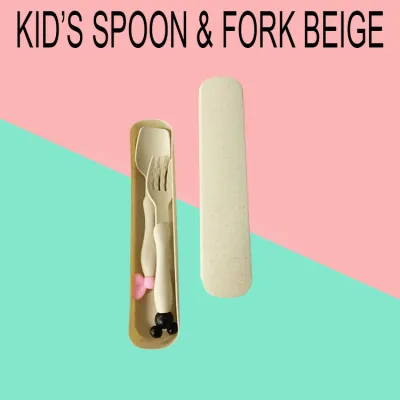
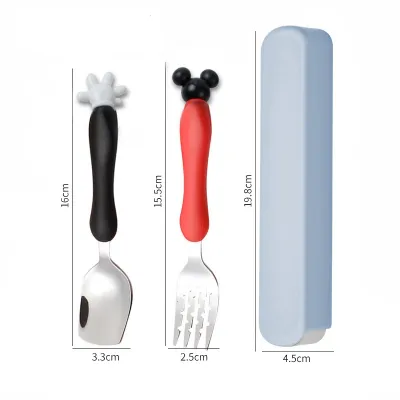
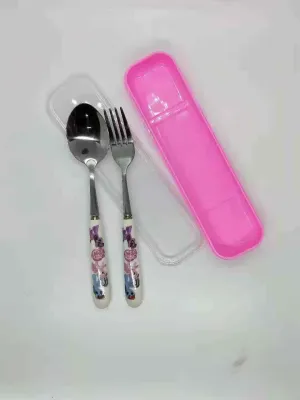
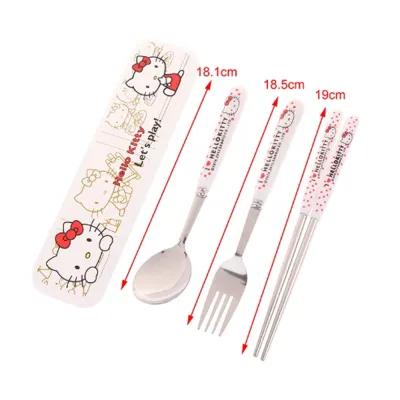
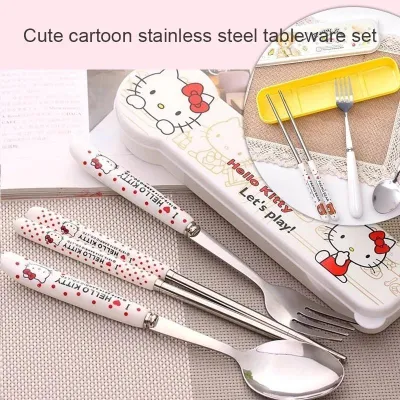
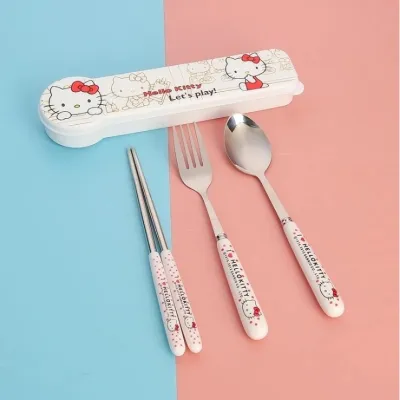
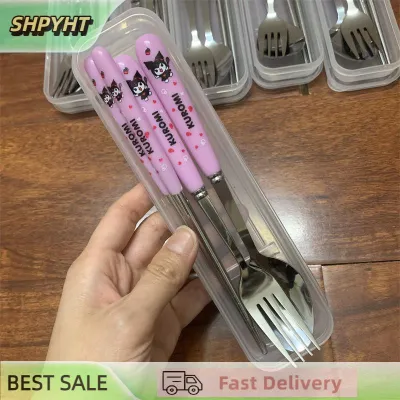
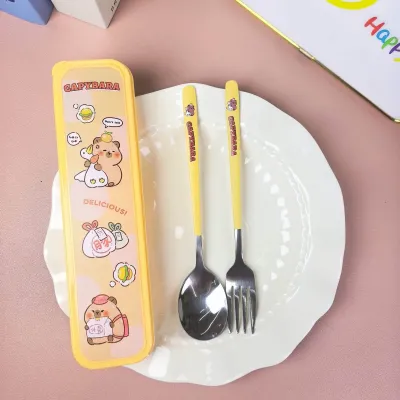
Prices are valid at publication and may change. Please refer to the product page for the latest price.
Visual stimulation plays a critical role in developing hand-eye coordination. As your baby looks at a colorful cartoon handle, their brain works to coordinate their hand movements to grasp it. Tracking the bright utensil from the plate or bowl all the way to their mouth strengthens their spatial awareness and fine motor control. This visual target makes it much easier for a developing infant to successfully guide food to their mouth, reducing frustration during early self-feeding attempts.
Creating a playful atmosphere at the dining table encourages a positive association with food. When a baby associates their spoon and fork with a fun cartoon character, they are more likely to view mealtime as an enjoyable activity rather than a chore. This positive reinforcement is particularly helpful when introducing new textures or bitter vegetables, as the familiar, comforting design of the utensil provides a sense of security and playfulness that keeps them engaged at the high chair.
Essential Safety and Ergonomic Features to Check Before Buying
While an appealing design is important, safety must always be your primary consideration when choosing baby utensils. Parents must look beyond marketing claims and verify the physical design and material integrity of any set before purchase. Always consult the manufacturer’s packaging and product documentation to ensure the utensils are appropriate for your baby’s specific age, weight, and developmental stage.

Material Safety Verification
When shopping for baby utensils, always check product labels for food-grade silicone, BPA-free, PVC-free, and phthalate-free certifications. Material names alone do not guarantee safety, so it is vital to verify that the manufacturer has undergone proper testing and meets international safety standards. Food-grade silicone is highly recommended for beginners because it is non-toxic, resistant to bacterial growth, and does not leach chemicals into warm foods like freshly cooked rice porridge.
Built-In Choke Guards
Young babies lack the precise motor control required to judge how far a utensil should enter their mouth. A critical safety feature to look for is a built-in choke guard, which is a wide collar or shield positioned between the handle and the spoon bowl or fork tines. This barrier physically prevents the baby from inserting the utensil too deeply into their throat, protecting them from gagging, choking, or injuring their delicate airway during enthusiastic self-feeding sessions.
Ergonomic Handles for Palmar Grasp
Early self-feeders do not hold utensils the way adults do; instead of a pincer grasp using their fingers, they use a palmar grasp, wrapping their entire fist around the handle. Look for cartoon utensils with short, chunky, and contoured handles that fit comfortably inside a tiny fist. Textured cartoon shapes, such as ribbed animal bodies or raised patterns, provide extra friction, preventing the utensil from slipping out of soapy or food-covered hands.
Soft and Rounded Edges
Your baby’s gums are incredibly sensitive, especially when they are teething. The spoon bowl should have soft, flexible edges that gently cushion the gums, while the fork tines must be completely blunt and rounded. Avoid any utensils with sharp plastic seams or rigid metal tines that could scratch the inside of your baby’s mouth. A safe baby fork should be firm enough to pierce soft foods like banana slices but gentle enough to press against your baby’s cheek without causing discomfort.
Best Types of Cartoon Spoon and Fork Sets for Early Eaters
Different stages of the weaning journey require different utensil designs. Understanding the distinct categories of cartoon spoon and fork sets allows you to select the most appropriate style for your baby’s current feeding abilities and motor skills.
100% Silicone Animal-Shaped Sets
Fully silicone utensil sets shaped like cartoon dinosaurs, bears, or koalas are excellent for the very first stages of self-feeding, typically starting around six months. These sets are incredibly flexible and soft, making them double as excellent teething toys that soothe sore gums during mealtime exploration.
- Gentle on Gums: The soft material ensures that even if your baby accidentally pokes themselves in the eye or face, they will not get hurt.
- Great for Dipping: These spoons work best for dipping into smooth purees, allowing babies to lick the food off the textured cartoon surfaces.
- Firmness Check: When choosing a 100% silicone set, gently bend the neck of the spoon; it should have enough structural firmness to hold a small scoop of food without collapsing completely.
Stainless Steel Scoops with Chunky Cartoon Grips
As your baby transitions to thicker foods and develops better coordination—usually around 12 months or older—they will need utensils that can pierce and scoop more effectively. Stainless steel sets featuring chunky, colorful silicone or plastic cartoon handles offer the perfect transition.
- Durable and Effective: The metal portion, ideally made from food-grade 304 or 316 stainless steel, easily cuts through soft meats, vegetables, and dense rice dishes.
- Secure Attachment: It is crucial to verify that the cartoon handle is securely molded or fused to the metal core. Any gaps or loose connections can trap food particles, harbor harmful bacteria, or pose a choking hazard if the handle detaches.
- Polished Finish: Inspect the metal edges to ensure they are perfectly smooth and polished, with no sharp burrs from the manufacturing process.
Suction-Attached Cartoon Utensils for Mess-Free Meals
One of the most common challenges parents face is the “gravity game,” where babies repeatedly throw their utensils onto the floor. Suction-attached cartoon utensils or sets designed to clip onto high-chair trays help keep mealtime organized and hygienic.
- Reduced Floor Drops: These sets often feature a suction cup base on the handle or a flexible tether that secures the cartoon spoon directly to the high-chair tray, keeping the utensil clean and within your baby's reach.
- Tray Compatibility: Before purchasing, check if the suction mechanism is compatible with your specific high-chair tray material, as suction cups stick best to smooth, non-porous plastic or glass rather than textured wood.
- Supervision Reminder: While suction bases and tethers are convenient, they are designed to assist parents, not replace active caregiver supervision. Always watch your baby closely to ensure they do not pull the suction base loose and swing the utensil unexpectedly.
Practical Tips for Introducing Utensils and Maintaining Hygiene
Introducing your baby to their first cartoon spoon and fork set requires patience, consistency, and strict adherence to hygiene practices, especially when navigating the warm and humid climate of the Philippines.
The Pre-Loading and Two-Spoon Techniques
To help your baby understand how to use their new cartoon utensils, start by practicing the “pre-loading” method. Fill the cartoon spoon with a small amount of puree or mashed food, and then hand the loaded spoon directly to your baby. This allows them to focus entirely on the hand-to-mouth coordination without the frustration of trying to scoop the food themselves.
Another effective strategy is the “two-spoon” technique. Give your baby one colorful cartoon spoon to hold, explore, and play with during the meal. Meanwhile, you use a second spoon to feed them. This keeps their hands busy and engaged, reducing the urge to grab the active feeding spoon while allowing them to mimic your eating movements.
Strict Caregiver Supervision
Regardless of how many safety features a cartoon utensil set possesses, active caregiver supervision is mandatory. Babies should never be left unattended while holding or using any spoon, fork, or teething accessory. A sudden movement or fall while holding a utensil can lead to oral injuries or choking. Ensure your baby is strapped securely into their high chair in an upright position during every meal.
Cleaning and Sterilization Protocols
Always clean baby utensils according to the manufacturer’s explicit care instructions. While some high-quality silicone and stainless steel sets are dishwasher-safe, others must be washed by hand with mild, baby-safe dishwashing liquid.
Be highly cautious when sterilizing cartoon utensils. Do not boil or steam silicone items unless the manufacturer’s documentation explicitly states they can withstand high sterilization temperatures. Many cartoon handles contain internal plastic supports, paint, or glue that can melt, warp, or release toxic fumes if exposed to extreme heat or microwave sterilizers.
Preventing Mold in Humid Climates
In the tropical climate of the Philippines, high humidity levels create the perfect breeding ground for mold and mildew. After washing your baby’s cartoon spoon and fork set, dry each piece thoroughly with a clean cloth, paying close attention to any crevices, textured animal shapes, or joints where the handle meets the scoop. Store the dried utensils in a well-ventilated, dry area rather than a sealed plastic container, which can trap residual moisture and encourage mold growth.
Knowing When to Replace Utensils
Inspect your baby’s cartoon utensils before and after every single use. Look closely for any signs of wear and tear, such as:
- Deep bite marks or scratches that can harbor bacteria.
- Tears or thinning in the silicone, especially on soft spoon bowls or choke guards.
- Loose joints or wobbling between the cartoon handle and the metal scoop.
- Fading, peeling paint, or degrading plastic.
If you detect any of these defects, stop using the utensils immediately and replace the set to ensure your baby’s continued safety.
Frequently Asked Questions (FAQ)
At what age can a baby start using a spoon and fork set?
Most babies can begin holding a spoon around six months of age, which aligns with the start of solid food introduction. However, true self-feeding proficiency—where a child can successfully scoop food and bring it to their mouth consistently—typically develops between 12 and 18 months. Always refer to the manufacturer’s age guidelines printed on the packaging, as these recommendations are tailored to the physical size and safety limits of the specific utensil design.
Are silicone cartoon spoons safe for teething babies?
Yes, utensils made from 100% food-grade silicone are generally safe for teething babies to chew on, as the soft material helps soothe sore, inflamed gums. However, silicone is not indestructible. Teething infants with newly erupted teeth can bite through silicone over time. It is vital to inspect the cartoon spoon for tears or loose pieces before every meal to prevent any choking hazards from detached silicone fragments.
How do I know if a baby fork is safe for gums?
To verify if a baby fork is safe, physically feel the tines with your own fingers. The tines must be completely blunt, rounded, and have no sharp plastic seams or rough edges. For early beginners, look for forks made of soft, flexible silicone or rubber that bend easily under light pressure. Always prioritize the manufacturer’s age recommendations, as forks designed for older toddlers may feature more rigid structures that are unsuitable for younger, less coordinated infants.

Community discussion
Share your experience or ask a question. Comments are reviewed before publication.