
Selecting the right bottle washing liquid is a critical decision for parents in the Philippines, where high humidity and warm tropical temperatures create an environment where milk residues can spoil rapidly. While many caregivers assume any soap will do, the physical differences between glass, plastic, and silicone bottles mean that a single generic formula may not clean all of them effectively. To prevent bacterial growth and maintain the structural integrity of your baby’s feeding gear, you must match the cleanser’s properties to the specific material of the bottle.
The best approach is to use a food-grade, plant-based bottle washing liquid designed to lift stubborn milk fats without leaving chemical residues or damaging the bottle surface. Glass requires clean-rinsing formulas that prevent hard water spots, plastic demands gentle surfactants that do not cause micro-scratches, and silicone needs robust degreasing agents to strip away clung-to lipids. Understanding these material-specific demands ensures your baby’s bottles remain sanitary, odor-free, and safe for long-term use.
Core Principles for Matching Bottle Washing Liquid to Materials
To understand why bottle materials require different care, one must look at how milk interacts with different surfaces. Breast milk and infant formula are complex emulsions of water, proteins, and dense lipids (fats). When these liquids contact a container, the proteins and fats adhere to the surface at a microscopic level. The ease with which these residues are removed depends heavily on the bottle material’s porosity, scratch resistance, and chemical reactivity.
Products mentioned in this guide
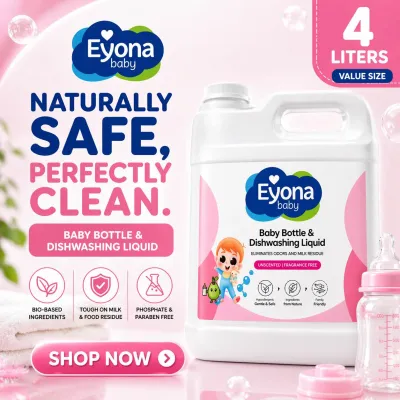
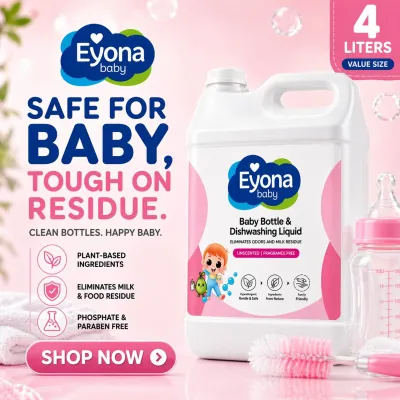
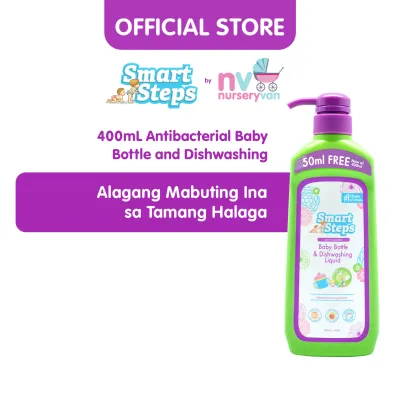
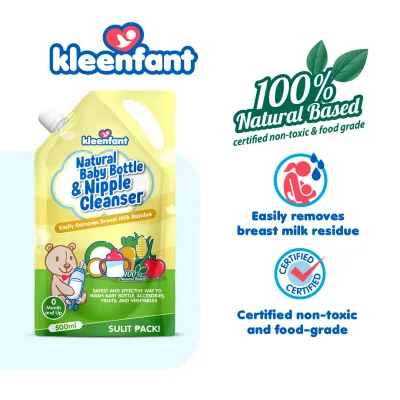
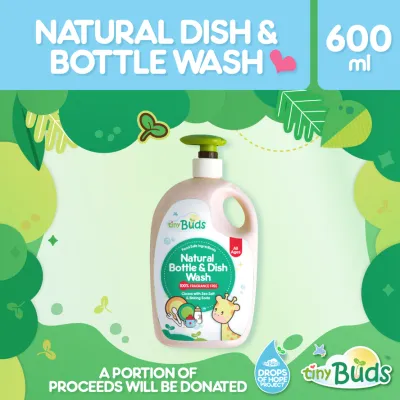
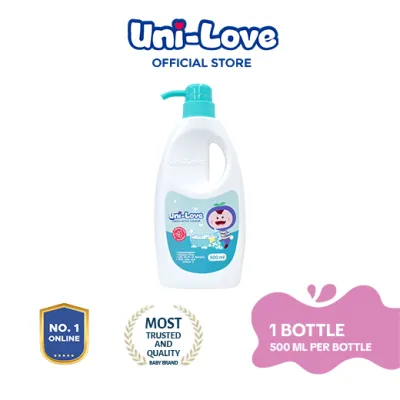
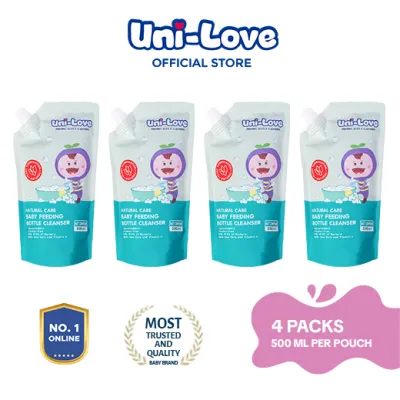
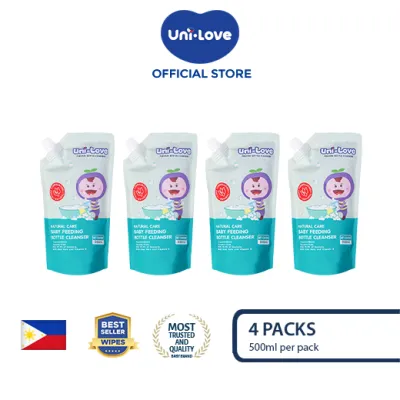
Prices are valid at publication and may change. Please refer to the product page for the latest price.
Porosity refers to how many tiny microscopic pockets exist on a surface. Highly porous materials can trap microscopic milk particles, while non-porous surfaces allow them to slide off more easily. Scratch resistance determines how vulnerable the material is to physical damage during scrubbing. Micro-scratches are highly problematic because they provide a safe haven for bacteria to multiply, shielded from basic rinsing and sanitizing.
Chemical reactivity dictates how the material responds to the surfactants, builders, and pH levels of your chosen cleanser. The universal baseline for any high-quality baby bottle cleanser is simple: it must feature food-grade ingredients, offer excellent rinsability, and contain absolutely no harsh abrasives. Food-grade ingredients ensure that even if a microscopic trace remains after rinsing, it poses no chemical hazard to your developing infant.
While a single high-quality, mild formula can technically be used across all your bottles, optimizing your cleanser selection for specific material traits dramatically improves cleaning efficiency. It also prolongs the lifespan of expensive feeding systems. Before choosing a washing liquid, always cross-reference the cleaning product’s label with the bottle manufacturer’s official care instructions to avoid voiding warranties or inadvertently degrading the material.
Best Bottle Washing Liquid Formulations for Plastic Bottles
Plastic baby bottles—commonly made from polypropylene (PP), polyphenylsulfone (PPSU), or polyethersulfone (PES)—are highly popular due to their lightweight and shatterproof nature. However, plastic is inherently vulnerable to micro-scratches, which can easily be carved into the inner walls by stiff bottle brushes or abrasive cleaning agents. Once these micro-scratches form, they become breeding grounds for bacteria and trap stubborn milk fats that are incredibly difficult to sanitize.

Additionally, plastic has a strong tendency to absorb organic odors and can degrade or warp when exposed to harsh industrial chemicals. To clean plastic safely, look for a bottle washing liquid formulated with mild, non-abrasive, plant-based surfactants. Surfactants derived from coconut or corn, such as decyl glucoside or coco-glucoside, are highly effective at lifting milk fats and proteins from plastic surfaces without scouring or weakening the polymer structure.
You must strictly avoid cleansers that contain high-pH alkaline builders, strong chemical solvents, or heavy synthetic fragrances. High-pH formulas and harsh solvents can cause plastic bottles to cloud over, lose their transparency, or develop micro-cracks (crazing) over time. Heavy artificial fragrances are equally problematic; plastic easily absorbs these synthetic scents, leaving a perfumed residue that can alter the taste of the milk and cause your baby to reject the bottle during feeding.
As a regular maintenance practice, closely observe the physical state of your plastic bottles during each wash. If you notice the plastic becoming permanently cloudy, yellowed, or sticky to the touch, these are clear signs of material degradation. When this occurs, stop using your current cleanser immediately, inspect the bottle for wear, and consult the manufacturer’s material limits to determine if it is time to replace the bottle entirely.
Best Bottle Washing Liquid Formulations for Glass Bottles
Glass baby bottles are favored by many parents because they are non-porous, highly scratch-resistant, and chemically inert. They do not absorb odors, leach chemicals, or degrade when exposed to high heat during sterilization. Despite these advantages, glass presents its own unique cleaning challenges, particularly its tendency to show unsightly milk scale, mineral deposits, and detergent film.
In many parts of the Philippines, tap water contains high levels of minerals, which can react with soap to form hard water spots and dull streaks on glass surfaces. To combat this, you should select a bottle washing liquid that rinses completely clean without leaving any soapy residue or film. A truly clean-rinsing formula ensures that the glass remains crystal clear, allowing you to easily verify that no milk residue is left behind.
Formulations that incorporate mild, naturally derived acids, such as citric acid-based blends, are highly beneficial for glass bottles. These gentle acids help break down stubborn milk scale and neutralize mineral deposits from tap water, keeping the glass sparkling. While standard mild detergents are generally sufficient for daily use, a formula with a touch of citric acid can save you from having to scrub vigorously to remove hard water cloudiness.
Always perform a thorough rinsing process using clean, running water, followed by a visual inspection. Hold the washed glass bottle up against a bright light source before sterilizing or storing it. If you detect any faint white film, greasy streaks, or cloudy patches, it indicates that either the rinse was insufficient or the cleanser is leaving a residue, requiring a secondary rinse or a adjustment in your soap dosage.
Best Bottle Washing Liquid Formulations for Silicone Bottles and Parts
Silicone baby bottles and flexible parts have gained massive popularity due to their soft, breast-like feel and extreme durability. However, silicone possesses a unique physical characteristic that makes cleaning a challenge: it is highly lipophilic. This means that silicone naturally attracts and holds onto lipids, which are the fat molecules found in high concentrations in both breast milk and infant formula.
Because of this lipophilic nature, silicone bottles and nipples easily trap milk fats, leading to a greasy film that resists standard washing. Silicone also readily absorbs strong odors from the surrounding environment or spoiled milk. To address this, choose a bottle washing liquid specifically formulated with robust degreasing properties, such as concentrated coconut-derived surfactants, paired with natural odor-neutralizing ingredients like baking soda (sodium bicarbonate) or mild citrus extracts.
It is vital to avoid oil-based cleansers, moisturizing soaps, or harsh chemical solvents when cleaning silicone. Oil-based ingredients can bind permanently to the silicone matrix, while harsh solvents can break down the material over time. This chemical degradation often manifests as the silicone becoming sticky, gummy, or losing its structural elasticity, which renders the bottle or nipple unsafe for use.
To verify if your bottle washing liquid is performing adequately on silicone, perform a tactile and olfactory check after the bottle has dried. Run a clean finger along the inside walls of the silicone bottle; if it feels slick, greasy, or has a lingering sour milk smell, your current cleanser lacks the necessary degreasing power. You should switch to a formula with stronger plant-based lipid-clearing properties to ensure a sanitary feed.
Key Ingredients to Look For and Avoid on the Label
Navigating the ingredient lists on bottle washing liquid labels can be overwhelming, but focusing on a few key components will help you make a safe choice. When shopping at local baby stores or online marketplaces in the Philippines, look for products that explicitly list plant-derived surfactants, such as coco-glucoside, decyl glucoside, or lauryl glucoside. These natural cleansers are highly biodegradable, gentle on your hands, and exceptionally effective at breaking down organic residues.
Additionally, look for food-grade preservatives (such as potassium sorbate or sodium benzoate) and natural enzymes (like amylase or protease) that are specifically designed to target and break down stubborn milk proteins and starches. These enzymes act like microscopic scissors, cutting up complex organic compounds so they can be rinsed away easily without the need for aggressive scrubbing. In the Philippines, high-quality bottle washing liquids typically range from ₱150 for local plant-based brands to over ₱500 for specialized imported organic formulations.
On the other hand, you should actively avoid bottle washing liquids that contain parabens, synthetic dyes, strong artificial fragrances, harsh physical abrasives, or high-pH alkaline ingredients. Synthetic dyes and fragrances serve no functional purpose in cleaning and only increase the risk of chemical exposure for your baby. Harsh abrasives will ruin plastic and silicone surfaces, while high-pH alkaline ingredients can irritate your skin and accelerate the degradation of bottle parts.
Keep in mind that common marketing buzzwords like “natural,” “organic,” or “baby-safe” are not legally regulated certifications. To protect your infant, always verify these claims by reading the actual ingredient panel on the back of the bottle and ensuring the product is explicitly labeled as food-grade or safe for cleaning items that contact food. If your baby exhibits any signs of skin irritation around the mouth, unexplained fussiness, or a sudden aversion to feeding after you switch to a new bottle washing liquid, stop using the product immediately and consult a pediatrician.
Frequently Asked Questions (FAQ)
Can I use regular dish soap instead of a dedicated bottle washing liquid?
While regular dish soap is highly effective for adult cookware, it is generally not recommended for baby bottles. Standard household dish soaps are formulated with a higher pH and contain powerful industrial degreasers designed to strip heavy grease from ceramic and metal. These strong chemicals, along with heavy synthetic fragrances, are incredibly difficult to rinse completely from flexible, porous materials like silicone nipples and plastic bottles, often leaving behind a chemical residue and a perfumed scent. Dedicated bottle washing liquids are specifically formulated to be milder, highly rinsable, and free from lingering synthetic fragrances, ensuring that no chemical tastes interfere with your baby’s feeding.
Do I need a different bottle washing liquid for the nipples and rings?
You do not need to purchase a separate washing liquid specifically for nipples, collar rings, and protective caps. Because these smaller, flexible parts are almost always made of silicone, rubber, or high-density plastic, the same mild, plant-based, highly degreasing bottle washing liquid you use for your silicone or plastic bottles is perfectly suited for them. However, you must pay extra attention during the cleaning process by thoroughly rinsing the narrow openings of the nipples to prevent milk fat build-up. Regularly inspect these small parts for signs of physical wear, such as swelling, stickiness, or small tears, and replace them immediately if any degradation is observed.

Community discussion
Share your experience or ask a question. Comments are reviewed before publication.