
Selecting the right bottle brush is a fundamental yet often overlooked aspect of infant feeding hygiene. The material of your baby’s bottles—whether glass, plastic, or silicone—determines the exact type of brush you should use to clean them safely. Using an incompatible brush can compromise the structural integrity of the bottle, create microscopic scratches that harbor dangerous bacteria, or leave behind stubborn residues that contaminate your baby’s milk. To maintain the highest standards of hygiene and protect your baby’s developing immune system, matching the brush material to the bottle type is essential.
Quick Answer: Matching Brushes to Bottle Materials
To ensure proper hygiene and prevent premature wear on your baby feeding equipment, you must select a bottle brush designed specifically for your bottle’s material. The wrong pairing can lead to surface degradation, scratching, or inadequate cleaning.
- Glass Bottles: Use a nylon bristle brush or a high-density sponge brush. Glass is highly scratch-resistant and can withstand the firm scrubbing power of nylon to remove stubborn, dried milk fat.
- Plastic Bottles (PP, PPSU, PES): Use a soft sponge brush or a silicone brush exclusively. Plastic is a soft material that scratches easily; stiff nylon bristles will gouge the surface, creating microscopic breeding grounds for bacteria.
- Silicone Bottles: Use a high-density sponge brush or a soft silicone brush. Silicone is flexible and slightly porous, requiring gentle yet effective cleaning tools that lift milk oils without tearing or degrading the surface.
Ultimately, the “best” bottle brush is not a one-size-fits-all tool. Your choice depends entirely on the material of the bottles you use, as well as your daily sterilization and drying routine.
Products mentioned in this guide
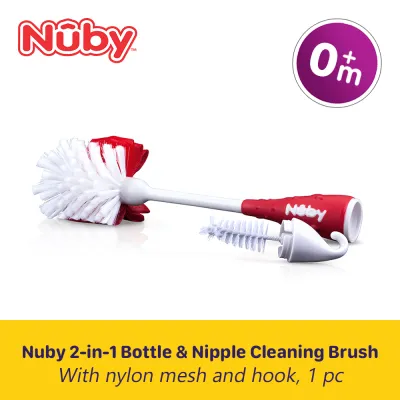
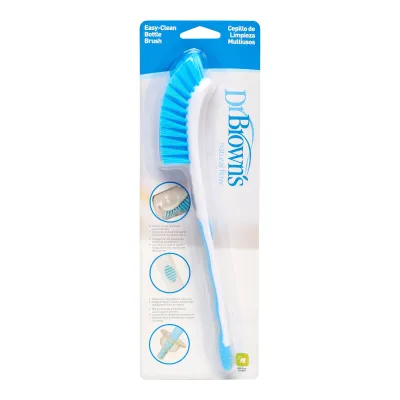
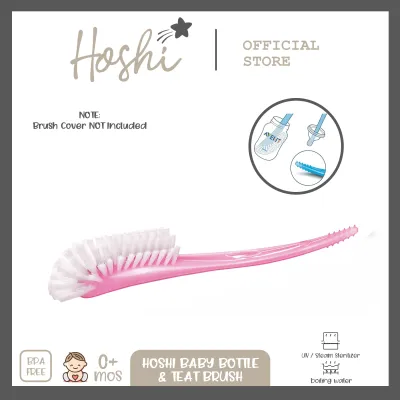
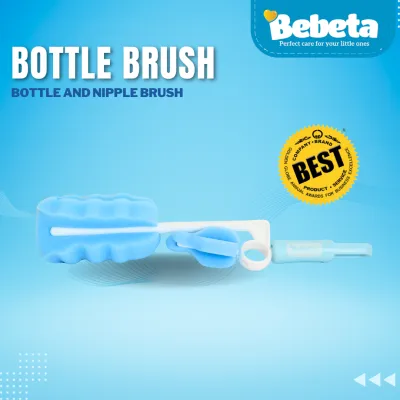
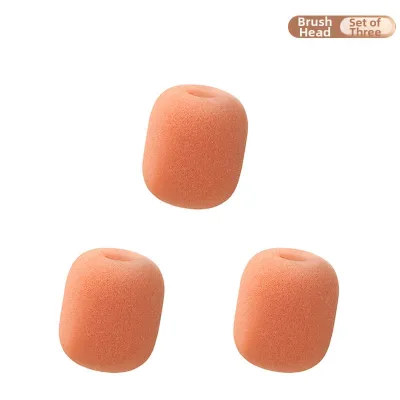
Prices are valid at publication and may change. Please refer to the product page for the latest price.
Why the Wrong Brush Can Damage Your Baby Bottles
When washing baby bottles, the primary goal is to remove all organic matter, including milk proteins, fats, and sugars. However, using a brush that is too abrasive for the bottle material can cause long-term hygiene risks. Plastic baby bottles, typically made from polypropylene (PP), polyphenylene sulfone (PPSU), or polyethersulfone (PES), are relatively soft. When you scrub these bottles with stiff nylon bristles, the friction creates micro-scratches on the inner walls. These microscopic grooves are too small to see clearly but are large enough to trap milk residue. Over time, this trapped residue spoils and forms a resilient biofilm that standard washing and even some sterilization methods cannot fully eliminate, harboring bacteria like Cronobacter sakazakii or Salmonella.

Conversely, glass bottles are highly scratch-resistant due to their hard, non-porous surface. They do not suffer from micro-scratching under normal cleaning conditions. However, glass is heavy and rigid, meaning dried milk fat can adhere stubbornly to the bottom corners and narrow necks. Glass bottles require stiffer bristles, such as nylon, to provide the mechanical friction needed to scrape away these residues. If you use a brush with an exposed metal core (such as the twisted wire holding nylon bristles), aggressive scrubbing can chip or scratch the glass, creating structural weak points that could cause the bottle to shatter during high-temperature sterilization or regular handling.
Silicone bottles present a different cleaning challenge. Liquid silicone rubber is flexible, soft, and naturally hydrophobic (water-repelling) but lipophilic (fat-attracting). This means milk fats and oils cling tightly to the inner walls of silicone bottles, sometimes leaving a greasy film or absorbing strong odors. If you use an overly abrasive brush, you risk tearing or degrading the soft silicone surface. If you use an inadequate brush, the greasy residue remains, attracting bacteria and causing the bottle to smell sour.
As a safety boundary, parents should regularly inspect all baby bottles under bright light. If plastic bottles appear cloudy, yellowed, or show visible scratches, or if silicone bottles feel sticky or retain a persistent foul odor, they should be discarded. Always consult the manufacturer’s specific care instructions before using a new cleaning tool.
Comparing Bottle Brush Materials: Sponge, Silicone, and Nylon
To choose the right cleaning tool, you must understand how different brush materials perform across key decision-defining dimensions: cleaning power, scratch risk, drying speed, and overall durability.
In a tropical, high-humidity climate like the Philippines, drying speed and hygiene are particularly critical. High relative humidity levels retard water evaporation, meaning kitchen tools that remain damp for extended periods can quickly become breeding grounds for environmental molds, mildew, and bacteria. A bottle brush that stays wet on your sink rack for hours poses a direct contamination risk to your baby’s feeding gear.
Sponge Brushes
Sponge-headed bottle brushes are constructed from high-density polyurethane foam, designed to compress easily through narrow bottle necks and expand to contact the entire inner surface of the bottle.
- Pros: Sponge brushes offer exceptional cleaning power for fresh milk residue. They absorb water and baby bottle cleanser efficiently, creating a rich, thick lather that easily lifts milk fats and oils from bottle walls. Because foam is incredibly soft, these brushes carry zero risk of scratching, making them exceptionally gentle on all bottle materials.
- Cons: The primary drawback of sponge brushes is their slow drying speed. In humid environments, a sponge brush can take up to 12 hours to dry completely, significantly increasing the risk of mold and bacterial colonization. Furthermore, sponge material is prone to tearing, especially when pulled past sharp bottle rims or screw threads, resulting in a short lifespan.
- Best for: Plastic bottles (PP, PPSU, PES) and for caregivers who wash bottles immediately after feeding before milk residue has a chance to dry.
Silicone Brushes
Silicone bottle brushes feature solid, molded silicone bristles integrated into a single-piece handle, offering a modern, highly hygienic alternative to traditional brushes.
- Pros: Silicone brushes are highly hygienic and incredibly easy to maintain. Because silicone is non-porous, the bristles do not absorb water, soap, or milk residues. A quick shake after rinsing removes almost all surface moisture, allowing the brush to dry almost instantly. This rapid drying makes them highly resistant to mold and bacterial growth, even in humid tropical climates. They are also extremely durable and do not shed bristles or tear easily.
- Cons: Silicone bristles are flexible and smooth, which means they have lower mechanical scrubbing power compared to nylon or sponge. If milk fat has dried and hardened at the bottom of a bottle, silicone bristles may simply slide over the residue rather than scraping it away. They can also slip easily on smooth glass surfaces, making the cleaning process feel less efficient.
- Best for: Parents prioritizing long-term hygiene, those who wash bottles immediately before the milk film dries, and households that utilize a bottle sterilizer with an active drying function.
Nylon Bristle Brushes
Nylon bristle brushes are the traditional choice, featuring stiff synthetic fibers bound together by a twisted wire core.
- Pros: Nylon brushes provide outstanding scrubbing power. The stiff, tightly packed bristles easily break down stubborn, dried-on milk proteins and reach deep into the contours and corners of bottle bases. They are highly durable, cost-effective, and dry relatively quickly compared to sponges because the synthetic fibers themselves do not absorb water.
- Cons: Nylon bristles carry an extremely high scratch risk for plastic and silicone bottles. Over time, the tips of the bristles can fray or shed, potentially leaving small plastic fragments behind. Additionally, if the protective plastic tip at the end of the wire core wears off, the exposed metal can scratch glass or puncture silicone.
- Best for: Glass bottles exclusively. Caregivers must avoid using nylon bristle brushes on plastic and silicone baby bottles to prevent surface degradation.
Material-Specific Cleaning and Maintenance Guide
Regardless of the bottle material you use, always begin the cleaning process by rinsing the bottles with cold water immediately after feeding. Cold water prevents milk proteins from coagulating and sticking to the bottle walls, which happens when they are exposed to hot water. Always check your bottle manufacturer’s specific cleaning and sterilization guidelines before applying high heat or using specialized dishwashing soaps.
Glass Bottles
Glass baby bottles are highly durable and can withstand rigorous cleaning routines, but they require careful handling to prevent breakage.
- Brush Selection: Use a nylon bristle brush or a firm, high-density sponge brush. Ensure the brush has a fully intact protective plastic tip to prevent the metal wire core from contacting the glass.
- Cleaning Technique: Apply a baby-safe dishwashing liquid and scrub the inner walls in firm, circular motions. Pay close attention to the bottom corners and the narrow neck where residue accumulates.
- Sterilization: After washing, glass bottles can withstand high-temperature sterilization, including boiling water, steam sterilizers, or UV cabinets.
- Safety Check: Before every single use, inspect the glass carefully for hairline cracks, chips around the rim, or internal cloudiness. Discard the bottle immediately if any structural damage is detected.
Plastic Bottles (PP, PPSU, PES)
Plastic bottles require a gentle touch to preserve their smooth inner surfaces and prevent the formation of micro-scratches.
- Brush Selection: Strictly mandate the use of soft sponge or silicone brushes. Never let a nylon bristle brush touch your plastic bottles.
- Cleaning Technique: Use gentle, circular sweeping motions rather than aggressive up-and-down scrubbing. Let the soap lather do the work of lifting the milk oils.
- Sterilization: Verify the plastic type and check the manufacturer's maximum temperature limit. Polypropylene (PP) bottles typically have lower heat tolerance (around 110°C to 120°C) compared to polyphenylsulfone (PPSU) bottles (up to 180°C), meaning PP bottles can warp if exposed to excessive steam or boiling water.
- Replacement Trigger: Discard and replace plastic bottles immediately if they become cloudy, heavily scratched, or show signs of wear, as damaged plastic cannot be safely sanitized.
Silicone Bottles
Silicone bottles are flexible and require specialized care to manage their natural tendency to retain oils and odors.
- Brush Selection: Use a dedicated sponge brush to effectively cut through the greasy milk fats that silicone tends to absorb, or a soft silicone brush if washing immediately after use.
- Cleaning Technique: Squeeze and massage the bottle from the outside while scrubbing the inside with a gentle brush to ensure all contours are reached. Use a mild, fragrance-free baby-safe dish soap and rinse thoroughly with clean running water to prevent soap residue from lingering in the material.
- Odor Management: If the silicone retains a sour milk odor, boil the bottle or steam-sterilize it according to the manufacturer's temperature limits. Some manufacturers allow baking the silicone parts in an oven at low temperatures to dissipate odors, but you must verify this in your product's user manual first.
Decision Framework: Which Brush Should You Buy?
To finalize your purchase decision, evaluate your bottle inventory, cleaning habits, and drying environment against this structured framework.
- Choose a Sponge Brush if: Your bottle inventory consists primarily of plastic (PP, PPSU) bottles, you prioritize a rich lather that lifts milk film without scratching, and you are committed to replacing the brush every 1 to 2 months to prevent mold and bacteria buildup.
- Choose a Silicone Brush if: You live in a highly humid area, fast drying and bacterial resistance are your top priorities, you wash bottles immediately after feeding before milk dries, and you use a sterilizer with a built-in drying cycle.
- Choose a Nylon Brush if: You exclusively use glass bottles, frequently deal with stubborn dried residue, and want a durable, long-lasting cleaning tool that can withstand heavy-duty scrubbing.
- Verify first if: You are using specialty bottles with anti-colic valves, narrow vents, or unique internal straws. These specialized components often require proprietary cleaning tools. Always check if your bottle manufacturer explicitly forbids certain brush types in their warranty or care instructions.
Frequently Asked Questions (FAQ)
Can I use a regular kitchen dish sponge for baby bottles?
No, you should never use a regular kitchen dish sponge to clean baby bottles. Household kitchen sponges are breeding grounds for foodborne bacteria, grease, and cross-contaminants from adult dishes. Using them on baby bottles poses a high risk of introducing pathogens to your infant’s feeding equipment. Always keep a dedicated, separate bottle brush and cleaning basin exclusively for your baby’s feeding items, and store them away from general household dishwashing tools.
How often should I replace my baby bottle brush?
As a general hygiene guideline, sponge bottle brushes should be replaced every 1 to 2 months because they degrade quickly and retain moisture, which promotes mold growth. Silicone and nylon bristle brushes are more durable and can be replaced every 3 to 6 months. However, you must inspect your brush weekly and replace it immediately if you notice frayed or shedding bristles, tearing foam, a persistent sour odor, or any visible black spots indicating mold.
Do I need a separate brush for the bottle nipples and rings?
Yes, a separate, smaller brush is highly recommended. Standard bottle brushes are too large and rigid to fit into the delicate tip of a bottle nipple, and attempting to force them can stretch, tear, or damage the feeding hole. Use a dedicated nipple brush—which is often integrated into the handle of quality bottle brushes—or a soft cleaning cloth to gently clean the inside of nipples and the fine threads of bottle screw rings without causing damage.

Community discussion
Share your experience or ask a question. Comments are reviewed before publication.