
Selecting the right book shelf and toy storage combo for a nursery in the Philippines requires balancing space efficiency, safety, and durability under tropical conditions. The best configurations combine low-profile, front-facing book displays or modular cube organizers with accessible lower toy bins. These dual-purpose designs keep your child’s essentials organized, maximize small nursery footprints in modern condominiums, and support early developmental milestones by keeping items within a toddler’s reach.
When choosing nursery furniture, safety must always be your primary consideration. Because children’s developmental needs and physical abilities change rapidly, parents must carefully verify age recommendations, weight limits, and installation requirements from the specific product documentation before making a purchase. A well-chosen storage unit not only keeps the nursery tidy but also creates a secure, inviting environment that encourages early literacy and independent play.
Why Combine Book and Toy Storage in a Nursery?
Space planning is a primary consideration for families living in urban areas of the Philippines, where condominiums and modern townhouses often feature compact bedrooms. In a small nursery, dedicating separate floor space to a standalone bookcase and a bulky toy chest can quickly crowd the room, leaving very little open floor space for safe play. A combined book shelf and toy storage unit solves this issue by consolidating storage vertically or along a single wall, maximizing the usable square footage of the room.
Products mentioned in this guide
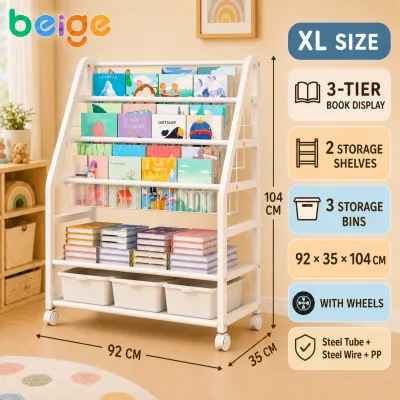
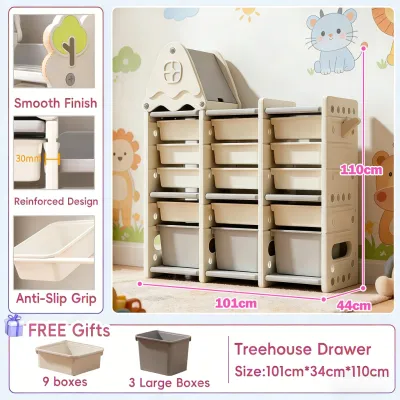
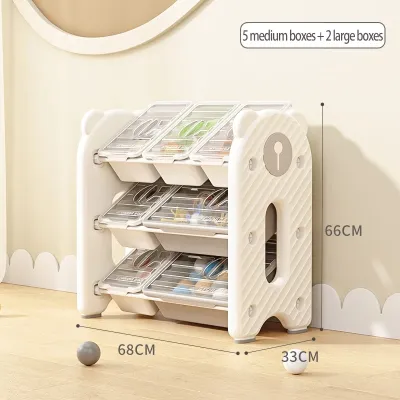
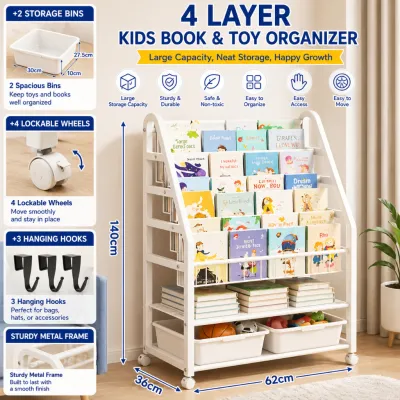
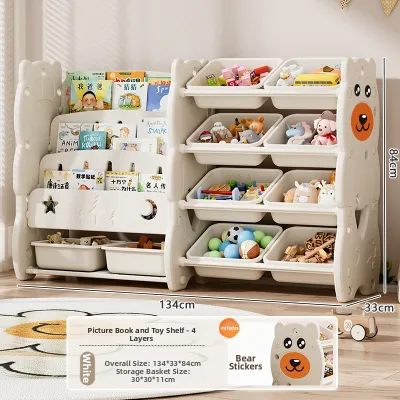
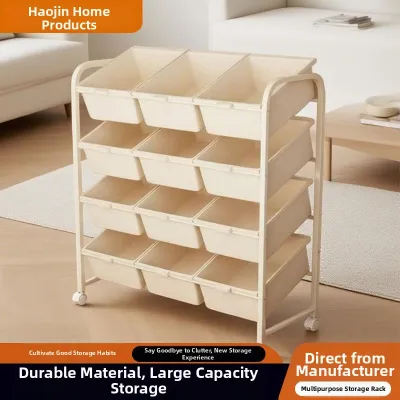
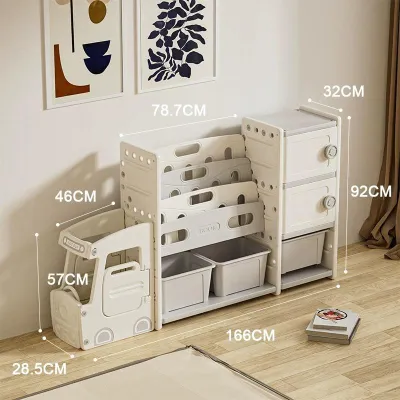
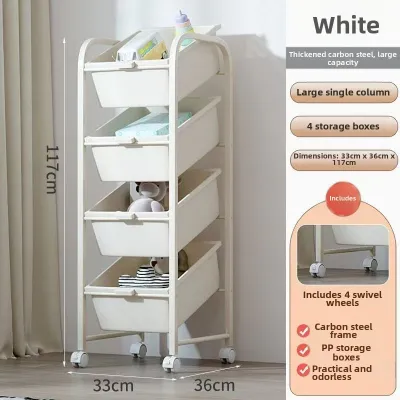
Prices are valid at publication and may change. Please refer to the product page for the latest price.
This consolidated design also plays a significant role in fostering early childhood independence and organizing habits. When books and toys are kept in the same low-profile unit, toddlers can easily see and access their favorite items without needing constant adult assistance. This layout supports a natural transition between different types of play, allowing a child to move from reading a picture book to building with blocks, and then learn to return those items to their designated compartments when finished.
As infants grow into toddlers, their environmental needs change rapidly. The nursery transitions from a space dominated by bulky baby gear, such as changing tables and bassinet stands, to an active learning and play area. A high-quality combined storage unit adapts seamlessly to this transition, accommodating soft infant toys and sensory items during the first year, and transitioning to heavier board books, puzzles, and wooden toys as the child grows. Investing in a versatile, dual-purpose unit ensures the furniture remains functional throughout these early developmental stages.
Essential Safety and Design Features for Baby Furniture
Safety is the most critical factor when choosing any furniture for a child’s room. Before purchasing a book shelf and toy storage unit, parents must verify its physical safety features, material certifications, and installation requirements to ensure a secure environment. If a unit is damaged, unstable, or does not meet standard safety checks, stop using it immediately and consult the manufacturer or a qualified professional.

Anti-Tip Mechanisms: Toddlers naturally use furniture to pull themselves up or climb to reach high items, making tipping a severe hazard. Any upright storage unit must be securely anchored to the wall. Ensure the product includes a dedicated wall-anchoring kit, such as metal L-brackets or heavy-duty nylon straps. If the manufacturer does not provide one, purchase a certified aftermarket anti-tip strap and install it according to the wall type, such as concrete, drywall, or brick, in your home.
Material and Finish Safety: Children frequently touch, lean on, and occasionally chew on nursery furniture. Verify that all paints, sealants, and finishes are non-toxic, lead-free, and certified safe for children. In the humid climate of the Philippines, low volatile organic compound (VOC) emissions are particularly important. High humidity can accelerate the off-gassing of harmful chemicals from cheap adhesives and particleboard. Look for furniture certified to international safety standards, or check the manufacturer’s product specifications for non-toxic compliance.
Physical Design: Examine the structural details of the unit. Ensure all corners and edges are rounded rather than sharp to minimize the risk of injury during active play. If the unit features drawers or cabinet doors, look for recessed hardware or handle-free cutouts instead of protruding knobs. Drawers should operate on smooth glides equipped with built-in safety stoppers to prevent them from being pulled completely out of the frame and falling.
Weight Capacity and Stability: Always check the manufacturer’s specified weight limits for individual shelves and the unit as a whole. A book shelf and toy storage combo can become extremely heavy when loaded with thick board books and wooden toys. The unit should have a wide, low-slung base that keeps the center of gravity close to the floor. Never exceed the recommended weight limits, and always place the heaviest items on the lowest shelves or in the bottom bins to maintain stability.
Best Types of Bookshelf and Toy Storage Combos
To find the ideal storage solution, evaluate how different furniture configurations balance accessibility, visual clutter, and physical footprint. The right choice depends on your nursery’s size, your child’s developmental stage, and your aesthetic preferences.
Cube Storage Organizers with Insert Bins
Cube storage organizers are highly versatile systems that feature square compartments arranged in a grid. These units allow parents to place books on the open upper shelves while using removable insert bins in the lower compartments to hold toys. This setup keeps the room looking neat while keeping playthings accessible.
This configuration offers excellent long-term adaptability. In the early years, you can fill the lower cubes with soft fabric, canvas, or woven rattan bins to keep colorful toys hidden and organized. As your child grows and their interests shift, you can remove the bins and use the open cubes to display larger books, school supplies, or decorative items.
When choosing a cube organizer, carefully verify the construction materials. Many budget-friendly options use particleboard or medium-density fibreboard (MDF). In the highly humid tropical climate of the Philippines, standard particleboard is prone to absorbing moisture from the air, which can cause the material to swell, warp, or sag over time. If opting for engineered wood, look for moisture-resistant MDF or high-density fiberboard (HDF), and ensure all edges are fully sealed to protect the core from ambient humidity.
Front-Facing Display Shelves with Lower Toy Drawers
Front-facing display shelves, often inspired by Montessori principles, showcase the covers of books rather than their spines. This visual arrangement makes books highly attractive and recognizable to toddlers who cannot yet read, helping them choose books independently.
Below the shallow book tracks, these units typically feature deep open bins or pull-out drawers. This combination allows you to keep a curated selection of books on display at eye level while tucking bulky, brightly colored toys out of sight in the lower compartments. This helps maintain a calm, clutter-free nursery environment conducive to sleep.
When selecting this type of unit, pay close attention to the drawer mechanisms. If the lower storage consists of pull-out wooden drawers, verify that they have safety stoppers or soft-close glides. For units with free-rolling floor bins, ensure they are lightweight and easy for a toddler to push and pull without tipping the main frame.
Modular and Convertible Shelving Systems
Modular shelving systems consist of individual storage units that can be stacked, connected, or rearranged horizontally and vertically. This flexibility allows you to customize the storage layout to fit the specific wall dimensions of your nursery.
These systems are highly cost-effective because they grow alongside your child. You can start with a low, horizontal two-tier setup that allows an infant or crawling toddler easy access to books and toys. Later, as your child grows taller and your storage needs expand, you can purchase matching modules to stack vertically or extend along the wall.
Before reconfiguring or expanding a modular system, always consult the manufacturer’s assembly instructions. Verify that all connection brackets, stacking pins, or locking mechanisms are securely fastened. When stacking units vertically, always re-evaluate the center of gravity and install updated anti-tip wall anchors to accommodate the new height.
Space Planning and Organization Tips for Small Nurseries
Proper placement and organization of your book shelf and toy storage unit can dramatically improve both the functionality of the nursery and the lifespan of the furniture.
Zoning: Position the storage unit to create a distinct “quiet play and reading” zone. Ideally, place it away from the crib or sleeping area to help your child associate the bed strictly with sleep and the storage nook with focused activity. A small, soft rug and a child-sized chair placed next to the bookshelf can instantly define this space.
Height and Accessibility: Implement the child-level rule by placing daily-use items on the lowest shelves. Keep favorite books and active toys within your child’s natural reach, usually below shoulder height. Use the higher shelves, which are inaccessible to toddlers, to store delicate decorative items, keepsake books, or toys that require adult supervision.
Climate Considerations: The tropical climate in the Philippines presents unique challenges for nursery furniture. Avoid placing wooden or engineered wood shelves directly against damp exterior walls, which can trap moisture and foster mold growth. Leave a gap of at least two to three inches between the back of the unit and the wall to ensure proper air circulation. Additionally, keep the furniture out of direct sunlight from windows to prevent finishes from cracking, peeling, or fading.
Rotation Strategy: To prevent the nursery from feeling overwhelmed by clutter, implement a simple toy and book rotation system. Display only a curated selection of five to ten books and a few high-quality toys on the shelves at any given time. Store the rest of your collection out of sight in a closet or overhead storage. Every two to three weeks, swap the items to renew your child’s interest and keep the play space organized and manageable.
Frequently Asked Questions (FAQ)
At what age can a child start using a front-facing bookshelf?
Children can begin interacting with a low-profile, front-facing bookshelf as early as 12 to 18 months. At this stage, toddlers are developing the cognitive ability to recognize familiar book covers and the motor skills to pull books from low shelves. Always ensure the unit is securely anchored to the wall before your child reaches this mobile stage, and maintain close adult supervision during use to prevent climbing.
How do I prevent mold on wooden nursery shelves in a humid climate?
To prevent mold, maintain good air circulation by keeping a gap of at least two inches between the shelf and the wall. Use a dehumidifier or run an air conditioner during the humid rainy season to control indoor moisture levels. Regularly wipe down the shelves with a dry microfiber cloth. Before using any cleaning agents or anti-fungal treatments, consult the manufacturer’s care instructions to verify that the products are non-toxic and completely safe for baby furniture.

Community discussion
Share your experience or ask a question. Comments are reviewed before publication.